
Ever think about whether our push into space is really worth it? We spend billions on missions that might give us big scientific rewards and even help keep future generations safe. But each launch comes with high costs and real dangers for the astronauts.
On one hand, space projects light up innovation and can bring people together around the world. On the other, they come with huge expenses and can even strain our environment.
So, let's take a closer look at the ups and downs and see if reaching for the stars is as promising as it seems.
Comprehensive Overview of Pros and Cons of Space Exploration
Space exploration has always sparked our curiosity. We started with early ideas like pressurized spacesuits, and now we're dreaming of building a city on Mars, something that could cost anywhere from $100 billion to $10 trillion. Off-world colonies might help us learn more about our universe and even protect us if a catastrophic event wipes out a large part of life.
But it’s not all smooth sailing. Our current missions in orbit also show us some real challenges. High expenses, risks to astronaut health (like radiation exposure and bone density loss), and environmental impacts from rocket emissions remind us that space travel comes with serious complications.
- It inspires amazing discoveries and brings people together worldwide.
- It opens up exciting long-term extra-terrestrial research.
- It could protect humanity with off-world safety nets.
- It helps drive economic growth through new space industries.
- It sparks public excitement and creative ideas.
- It demands huge investments with uncertain financial returns.
- It puts astronauts at risk for health issues.
- It adds to pollution from harmful emissions.
- It risks harming potential alien ecosystems.
- It leads to tough debates about how space should be managed.
Looking at these points, we see a mix of big hopes and serious warnings. Every benefit and drawback makes us think deeper about how our journeys beyond Earth could shape the future. It’s important for leaders, scientists, and everyday folks to weigh the long-term gains against the short-term challenges so we can decide together on a better way forward in this tough but thrilling field.
Pros and Cons of Space Exploration: Intriguing Insights
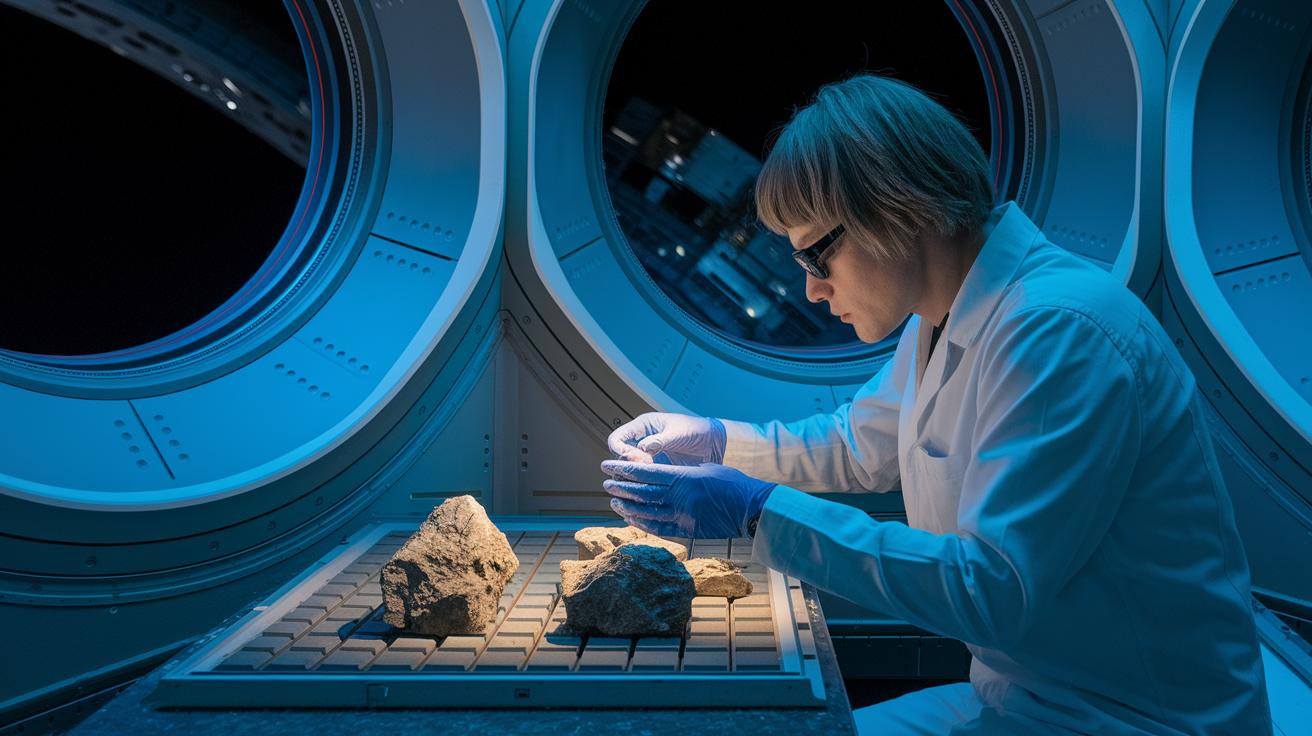
Lunar and orbital space stations give us rare chances to study space that have really changed what we know about it. These stations set up a low-gravity environment (a setting where the pull of gravity is very weak) so scientists can look at rocks from other worlds and study how tiny living cells work. For example, experiments done on these platforms have helped us learn more about the makeup of alien rocks and even tiny changes in our cells. This research not only boosts our understanding of the universe but also sparks new ideas for medical tools like 3D-printed organs (organs built layer by layer with special printers).
Space research has also led to cool new technologies that make a big difference in our everyday lives on Earth. Tests in zero-gravity (conditions where nothing feels heavy) have helped create new materials and medicines that might improve the strength and lightness of things we use every day. Scientists have taken methods from space labs to better factory production, leading to special compounds and custom-made materials. All this shows how investing in space exploration can benefit many everyday areas like healthcare, building, and robotics.
New strides in satellite technology and zero-gravity experiments keep driving fresh innovations. Modern satellite networks help us monitor the environment closely, keep global communications steady, and even speed up emergency responses. Big investments in research have pushed advances in making things in space and in improving space engines, which not only opens up more ways for us to explore space but also brings exciting improvements to the tech we use here on Earth.
Economic Opportunities and Commercial Prospects in Space Exploration
Space mining, in-space manufacturing, and space tourism are opening up markets we once only dreamed about. Companies like SpaceX and Blue Origin are making big strides by reusing rockets, which drastically cuts down the cost for each launch. This means they save money that can be funneled into new, creative projects. It’s a shift that’s catching the eye of private investors and could give rise to entire industries much like how commercial air travel reshaped travel.
Satellite constellations, or groups of satellites, are another big money-maker. They pull in revenue by providing services like GPS, Earth-observation data, and broadband internet. In fact, studies even suggest that patents coming from research in orbit can bring in significant returns. Picture a breakthrough in satellite design that not only boosts communication on Earth but also sparks fresh tech startups.
On the flip side, commercial flight in space still faces its share of challenges. The need for robust infrastructure and navigating a maze of regulatory concerns makes the journey tricky. Investors and companies must balance their drive for innovation with managing these complex policies and long-term expenses.
Health, Safety Risks and Challenges in Manned Space Exploration
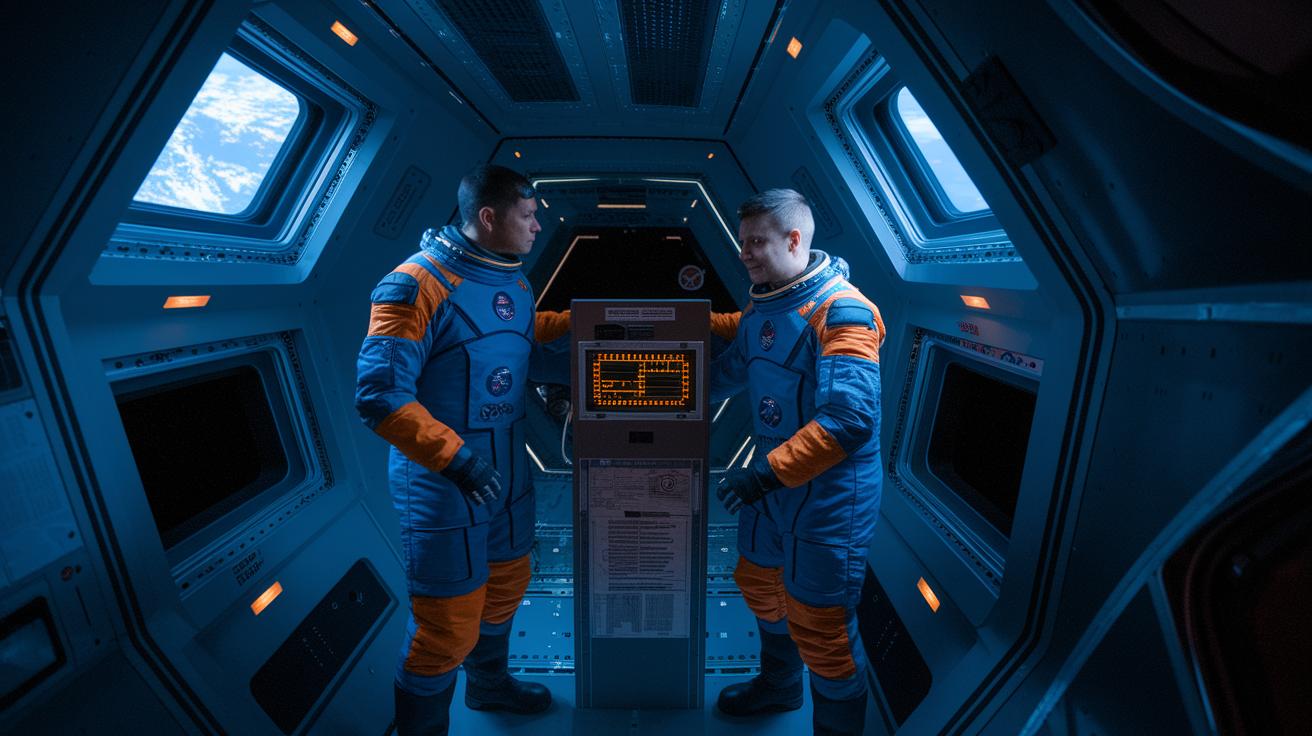
Crewed missions face many dangers that can affect astronaut health and mission success. When astronauts leave Earth’s protective magnetic field, they experience a higher dose of cosmic radiation (invisible energy particles from space). Long trips in areas with low gravity can also lead to a loss in bone strength, studies show that astronauts might lose 10% to 20% of their bone density during a mission. Added to that, isolation, worries about life-support system failures, and big temperature swings can really strain the crew’s mental and physical well-being.
- Higher exposure to cosmic radiation in deep space
- Bone density loss from spending time in low-gravity conditions
- Increased stress and its impact on mental health
- Possibility of life-support system failures during critical mission moments
- Extreme temperature changes on the outside of spacecraft
- Lessons learned from past mission challenges
Astronauts prepare with thorough training and practice for emergencies to keep these risks in check. They go through drills that mimic system failures and unexpected temperature shifts to get ready for real-life situations. With each mission, safety plans and risk assessments are updated, and ongoing research into protective gear helps lower the dangers posed by radiation and other hazards. This careful balance of prevention and quick response ensures that crewed missions stay as safe as possible.
Environmental Impact and Ethical Considerations of Space Exploration
Rocket launches today release a surprising amount of carbon, about 3.894 million tons of CO₂ over 1,000 Starship flights. That might sound huge, but it only makes up around 0.0001% of all global emissions in 2023. Still, every launch also sends harmful substances like black carbon and other chemicals (gases that affect the ozone layer, which protects us from the sun’s harmful rays) into the air. Plus, over 30,000 pieces of debris bigger than 10 cm are now floating in space. Imagine a stray bit of space junk crashing into a weather satellite, this could mean gaps in our ability to monitor the weather. Every new launch contributes a little more to these challenges, and scientists as well as engineers work every day to reduce space travel’s environmental footprint while keeping it safe.
There’s also a layer of ethical issues when we talk about exploring space. One big worry is that we might accidentally bring Earth microbes (tiny life forms) to other planets or moons, potentially harming any native ecosystems that could exist there. This risk, known as forward contamination, makes us think twice about our responsibilities under international guidelines like those in the 1967 Outer Space Treaty. On top of that, the long-term projects orbiting our planet force us to think carefully about using our resources wisely. It’s a tricky balance, pushing the boundaries of innovation while also safeguarding our planet and other worlds. Have you ever thought about how every step we take into space is a mix of bold adventure and careful responsibility?
Weighing Costs, Policies, and the Future of Space Exploration

Today, both government and private companies fuel our journey into space. Government agencies spend around $24 billion (money from taxes) to boost national pride and carry out careful scientific research. At the same time, private companies put in over $50 billion by betting on new markets and fast, flexible ideas. This mix of money sparks friendly debates about the best way to invest in space and how to balance risk with reward as we reach for the stars. These decisions help shape future space rules and lead to exciting global innovations.
Public vs. Private Space Programs
Programs run by governments, like NASA and ESA (European Space Agency), focus on long-term studies and accountability, often teaming up with international partners. Meanwhile, private companies such as SpaceX and Blue Origin go for quick missions that save money and tap into market opportunities. The differences in their approaches keep the conversation lively as people discuss how to blend careful research with innovative business ideas.
Future Interplanetary Missions and Funding Models
Big plans are on the horizon, with lunar bases set for 2025 and Mars missions around 2033. These ambitious missions rely on a mix of government funds, private investments, and international teamwork to lower risks and spark technical breakthroughs. By joining forces, everyone hopes to match smart spending with exciting market opportunities.
Balancing the cost with the potential gains isn’t easy. While government funds ensure steady, well-planned progress, private money brings speed and fresh ideas to the table. When these funding models work together, they set the stage for a future where careful budgeting meets adventurous exploration. This teamwork might just be the key to safely expanding our presence in space while keeping financial risks under control.
Final Words
In the action, we explored how space research offers both breakthrough potential and real challenges, scientific gains, economic shifts, astronaut risks, and environmental impacts all form part of the picture. We touched on tougher debates about policy and funding while tracing the ripple effects on everyday life.
This balanced look into the pros and cons of space exploration leaves us with clear ideas to fuel more spirited discussions ahead. We step forward with optimism and curiosity about tomorrow's new horizons.
FAQ
What are the pros and cons of space exploration?
The pros and cons of space exploration include significant breakthroughs, inspiring public interest, and boosting economies while posing high costs, health hazards, and environmental challenges. This balanced view helps us weigh potential gains against real risks.
What are the benefits or pros of space exploration?
The benefits of space exploration span advancements in science, technology, and industry. These progressions improve satellite networks, medical research, and everyday electronics, fueling economic growth and public inspiration.
What are the disadvantages or cons of space exploration?
The cons of space exploration include vast expenses, astronaut health risks, and environmental impacts like rocket emissions and debris. These concerns lead to debates over cost-effectiveness and the long-term sustainability of our efforts.
Is 1 hour in space equivalent to 7 years on Earth?
The idea that one hour in space equals seven years on Earth is inaccurate. Time dilation effects are minute during orbital missions, making any difference nearly unnoticeable for astronauts.
What are the pros and cons of space colonization?
The pros and cons of space colonization include potential long-term survival benefits and scientific progress against enormous cost burdens, health hazards, and ethical dilemmas. This debate challenges our vision of the future in extra-terrestrial settlement.