
Ever wonder why climate change seems like a slowly brewing storm hitting our neighborhoods? Our planet is warming bit by bit, and it’s making our weather more extreme and our health more at risk every day. Warmer temperatures can lead to more floods and storm damage, slowly chipping away at our sense of stability. In this article, you'll find true stories and key facts that show how people are standing strong. Their resilience is not only inspiring but also vital for our future.
Key Health Impacts of Climate Change Effects on Humans
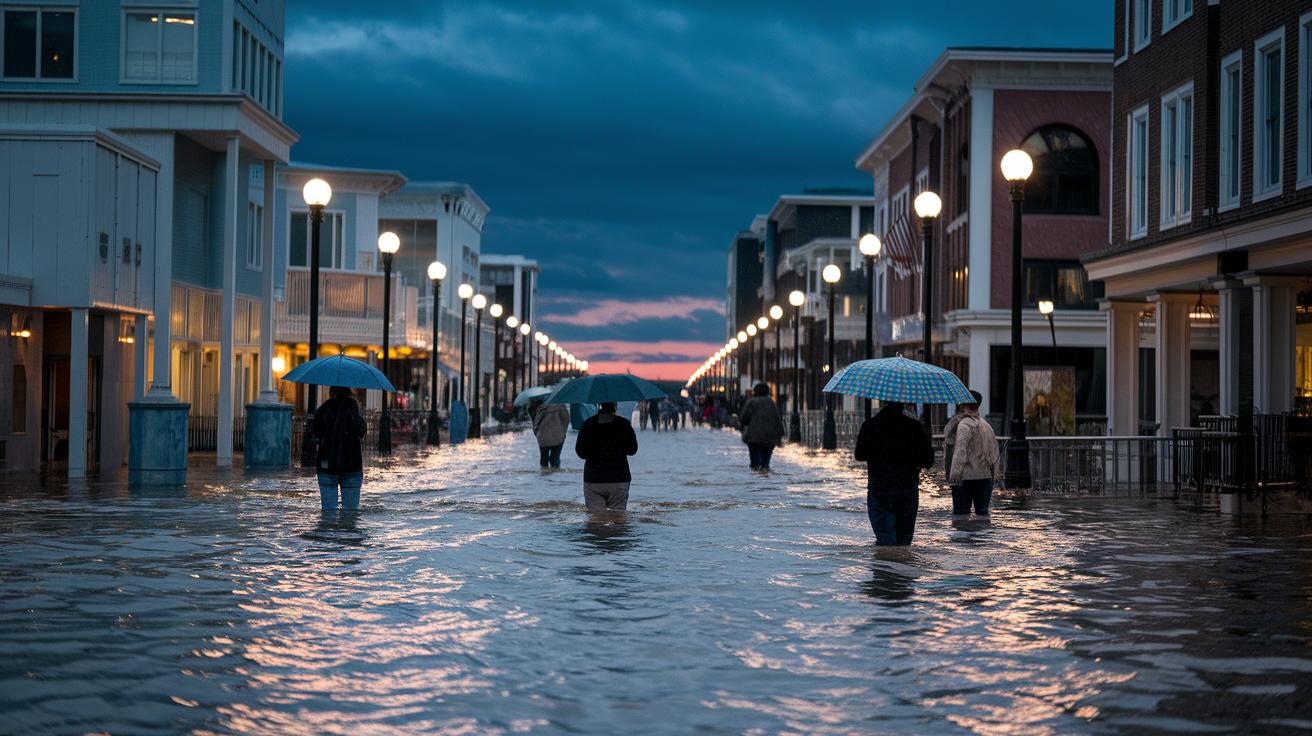
Climate change is altering our world in ways that affect both our bodies and minds. Since 1850, the Earth has been warming at a rate of about 0.06°C per decade. In fact, the ten hottest years on record all happened between 2014 and 2023. This gradual warming makes storms, floods, and landslides worse and more frequent. Between 1970 and 2021, these extreme events have claimed more than two million lives, with over 90% of those deaths occurring in low- and middle-income regions.
Coastal areas also face big challenges. As glaciers and polar ice melt, sea levels rise, which leads to more flooding and the intrusion of saltwater into important water supplies and farmland. When storms hit, damaged infrastructure and power outages can mean that emergency services and regular healthcare become hard to reach. Imagine a small clinic losing power in a terrible storm – it leaves patients without the care they urgently need.
Research on the effects of climate change shows that these changes bring both immediate dangers and long-lasting health problems. Living with constant extreme weather not only can lead to injuries but also puts people under ongoing mental stress. Older adults, those with existing health issues, and underserved communities feel these impacts the most. With strained emergency services and disrupted daily routines, it’s clear we need to rethink our health systems to protect communities from the effects of a changing climate.
Extreme Weather and Human Consequences of Climate Change
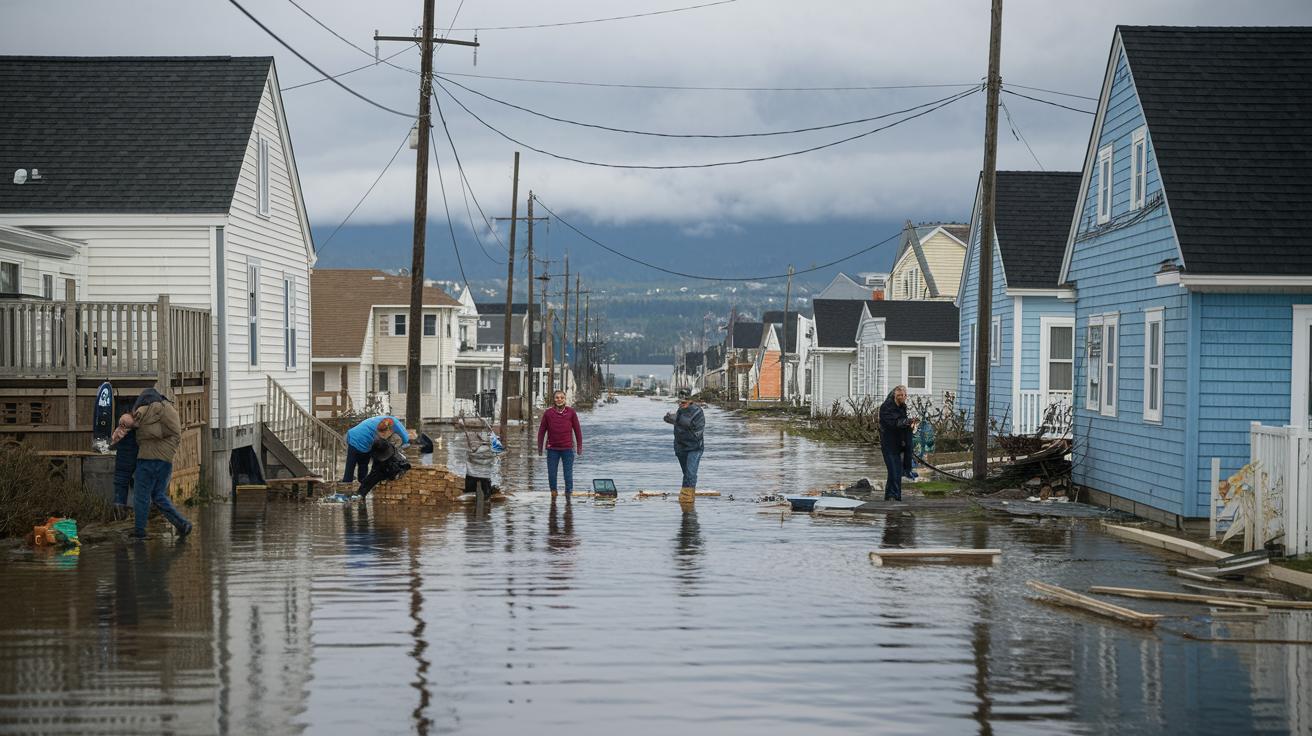
Weather is getting tougher these days. Storms, hurricanes, floods, and wildfires are happening more often and pack a stronger punch. Since 1970, close to two million people have lost their lives as communities faced harsh damage and had to leave their homes. Imagine a town where a sudden hurricane wipes out familiar streets and brings neighbors together to rebuild their lives.
Coastal towns now face a fresh kind of challenge due to rising sea levels. Saltwater mixes with fresh water, messing up drinking water supplies and harming crops. Picture a small seaside town where residents suddenly notice a hint of salt in their water and rush to find ways to keep their water clean. One local even said, "After salt crept into our wells, we started sharing resources and figuring out new ways to purify our water."
People show true grit by coming up with smart solutions to keep their homes and livelihoods safe. In one community, a heavy flood forced everyone to get creative; neighbors built temporary water filters until a permanent solution was in place. Stories like this highlight both the heavy toll of extreme weather and the brave, resilient spirit of people when nature shows its fiercest side.
Global Warming Air Pollution and Respiratory Effects
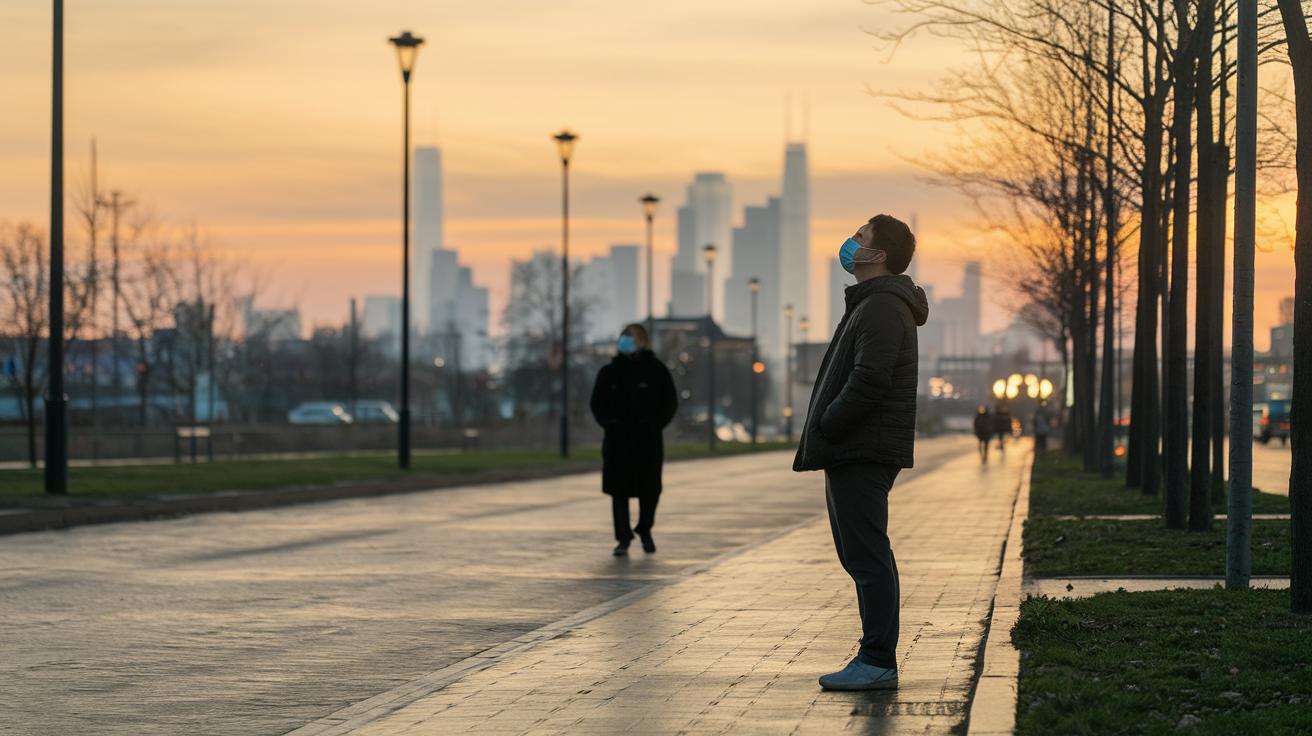
When the weather heats up, the air changes in ways that can impact our health. Warmer days help form more ground-level ozone, a gas that can trigger asthma, worsen COPD, and even strain your heart. On a hot summer day, you might be surprised to learn that the air carries more invisible irritants compared to cooler days, setting off a chain reaction for those with breathing challenges.
Wildfires, which seem to happen more often nowadays, send thick, heavy smoke into the air. This smoky haze makes breathing tough, and hospitals often see a spike in patients with respiratory issues during these times. One local report even noted a sharp increase in asthma attacks among young people when the air was thick with smoke, placing extra stress on community health resources.
Rising temperatures also boost levels of tiny particles known as PM2.5 (microscopic particles that can deeply enter the lungs). Studies connect these particles to both immediate breathing trouble and long-term heart stress. Kids, older adults, and anyone with existing health concerns are especially at risk from these harmful exposures.
Communities in hotter regions are getting creative to protect themselves. Many people now use air filters during heat waves to lessen the amount of polluted air they breathe in. Local experts remind us that every extra degree of heat can raise levels of both ozone and particulate matter, which directly affects our well-being.
Water Scarcity, Food Security and Human Wellness under Climate Change

Droughts, driven by our changing climate, are making everyday life tougher. They cut down the clean water we need for drinking, cleaning, and farming. In many areas, people now have to walk much farther for water that used to be right nearby. Imagine a small town where the local well runs dry, leaving families to cope with very few resources each day, and sadly, more people getting sick from waterborne bugs.
Changes in rain patterns and sudden extreme heat are also messing with food supplies. Studies say that these shifts might drop main grain harvests by 10–20% by the middle of this century. Picture a local bakery losing its steady grain supply and having to scramble to keep its doors open. When crop yields fall like this, it can lead to hunger, stress local economies, and weaken community health.
Losing a variety of plants (biodiversity) makes nutrition even more challenging. Many communities rely on nature for both food and natural medicines. When special plant species disappear, it affects traditional remedies and important sources of protein. Think of a rural healer who finds fewer herbs to treat common colds because those plants just aren’t growing anymore.
Floods and runoff sometimes mix with our water and contaminate it, sparking outbreaks of diarrheal diseases. In flood-prone areas, people often recall the shock of watching clean water turn into a source of illness. All these changes really highlight the everyday hurdles folks face as climate change disrupts the essentials we rely on.
Mental Health Climate Anxiety from Climate Change Effects on Humans
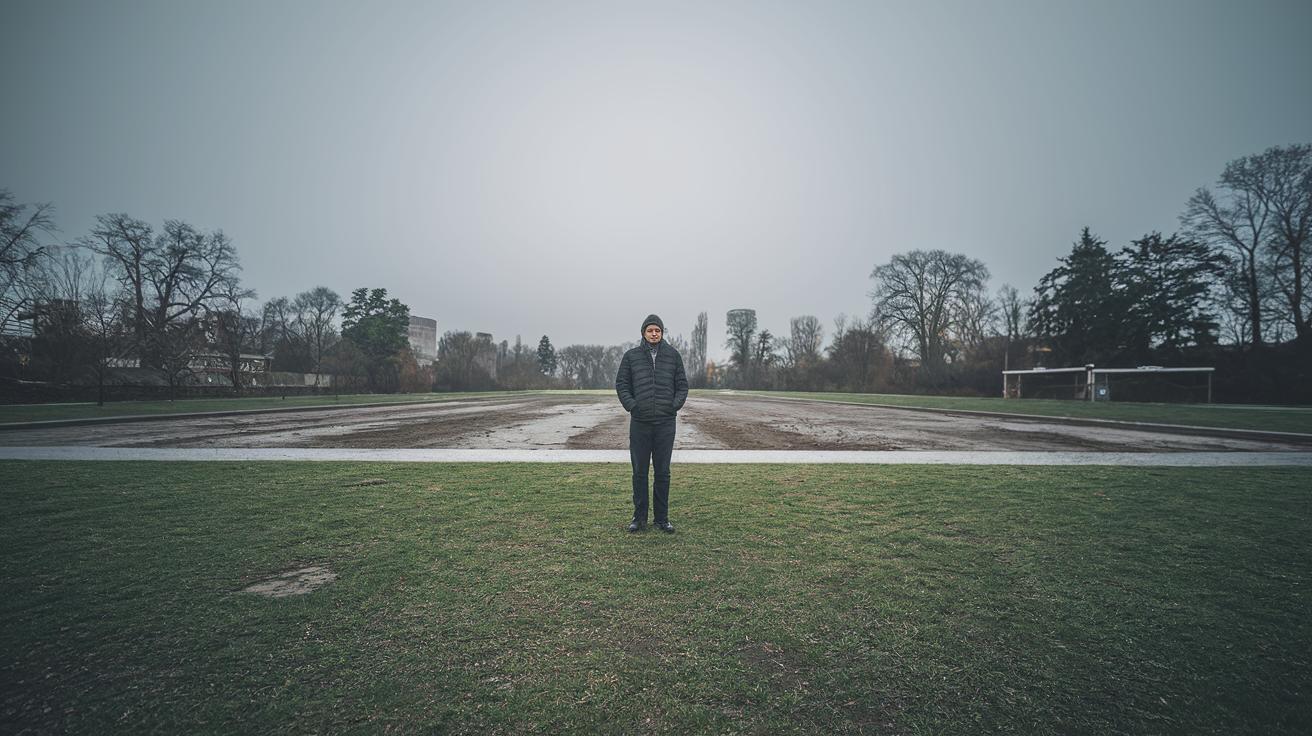
Climate change doesn't just impact our bodies, it affects our minds, too. When nearby parks shrink and wildlife fades away, we can feel a deep sense of loss and worry. Imagine noticing your favorite green space turn into a quiet, empty lot; that change might start a wave of sadness. One flood survivor said, "After the storm, even the silence felt heavy, a constant reminder of what we lost."
After intense events like floods, storms, or droughts, people often experience symptoms like PTSD (a severe stress reaction), depression, and other forms of climate-related distress. Research tells us that the effects can linger well after the skies clear. One person reflected, "I still feel the echo of that storm, even when the sun comes out."
Surveys show that up to 70 percent of young adults worry about the future because of climate change. These concerns ripple across communities, highlighting that the climate crisis is as much about our emotional well-being as it is about our physical safety. Embracing community support and boosting urban green spaces can help ease these ongoing mental health burdens.
Socioeconomic Shifts, Migration and Community Stress from Climate Change
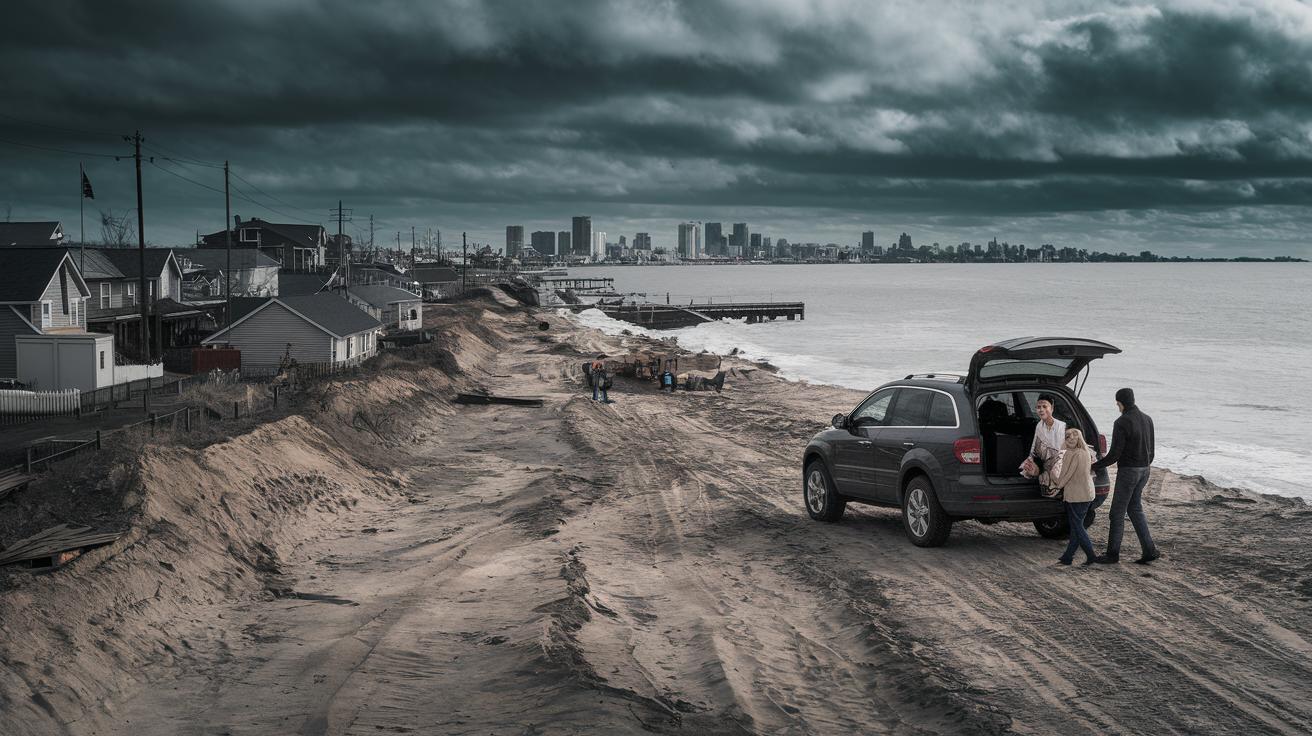
Extreme weather and coastal erosion are forcing many communities to leave their homes. Some studies say that if we keep releasing a lot of harmful gases, nearly 20 million people might have to move by 2050. Imagine a family that's lived by the coast for generations suddenly having to pack up because the land they farmed is washed away. This sudden move puts a lot of strain on families and makes it hard for whole communities to bounce back.
Where people move and their health go hand in hand. Folks forced to relocate often end up in crowded city areas. There, high rebuilding costs and lost jobs make poverty even worse. When it’s tougher to get good healthcare, diseases can spread fast, turning small outbreaks into bigger problems.
Local jobs and economies suffer when communities must fix disaster damage without a clear long-term plan. Food shortages can hit hard when regular farming is disrupted and public services are stretched thin. All this stress from an unpredictable climate makes it even harder for communities because people have to face both losing their homes and money troubles. In these tough times, neighbors helping out and sharing resources becomes really important for everyone.
Adaptation Strategies for Health amid Climate Change Effects on Humans

Communities are coming up with creative ways to adapt to climate challenges. Take the UNDP Solar for Health project, for example, it has powered 15 health facilities in Malawi, Zambia, and Zimbabwe with clean, renewable energy. Imagine a clinic that never loses power during a storm because its solar panels keep it running. This is a real, life-saving solution that helps keep services available when they are needed most.
Local governments are also rethinking how they plan cities. They are moving away from fossil fuels, working to cut deforestation, and redesigning neighborhoods to lessen the effects of extreme heat. In one town, planners replaced old asphalt with greener, cooler surfaces. This not only makes the area more resilient but also boosts the overall health of residents.
At the policy level, linking health and climate plans is a top priority. Officials are improving emergency-response plans, installing backup power systems, and training staff to manage climate shocks. For instance, one health department updated its guidelines and ran emergency drills so that staff can keep essential services running even during harsh conditions.
By combining these efforts with public preparedness strategies, communities build strong, resilient systems. From solar-powered clinics to smarter urban design, these practical steps help safeguard human health as our climate continues to change. For more information, you can learn about what climate change means here: what is climate change
Final Words
In the action of our review, we explored how rising temperatures, extreme weather, and polluted air challenge our well-being. We looked at water scarcity, shifts in livelihoods, and the heavy toll on mental health that come with climate change effects on humans. The article also showed us ways communities can strengthen their defenses through better planning and innovative policies. Each point reminds us that understanding these risks pushes us toward smarter, kinder solutions for everyone. Science guides us, and together, we can build a healthier future.
FAQ
Q: What are the 10 effects of climate change on humans?
A: The 10 effects include extreme weather events, increased atmospheric temperatures, compromised air quality, water scarcity, food shortages, mental health stress, infrastructure damage, economic challenges, migration pressures, and reduced biodiversity.
Q: How does climate change affect human health?
A: The climate change impact on human health comes through more severe weather, higher air pollutants, water contamination, and increased stress, which together raise risks for respiratory, cardiovascular, and mental health issues.
Q: How does climate change affect both humans and the environment?
A: The climate change impact on both humans and nature involves rising temperatures and extreme weather that worsen air quality, disrupt water systems, harm ecosystems, and lead to health problems in people and animals alike.
Q: What do the climate change effects on humans in 2021 and 2022 indicate?
A: The data from 2021 and 2022 indicate that climate change effects are intensifying, with more frequent storms, worsening air pollution, and rising health challenges that stress communities worldwide.
Q: What will happen if we don’t stop climate change by 2050?
A: The projected outcome is that by 2050, unchecked climate change will cause more devastating weather events, profound water and food shortages, heightened health risks, and increased displacement of communities.
Q: What are the five key effects of climate change on humans?
A: The climate change impact on human well-being includes increased temperatures, extreme weather events, worsening air quality, water scarcity issues, and the spread of diseases, all contributing to a decline in public health.