Have you ever thought about science completely changing the way we live? In 2025, some really cool advances in medicine, energy, and computers might do exactly that. Imagine gene editing (changing parts of your genes for better health), smarter ways to save energy, and practical quantum tech (a new kind of super-powerful computer) making our daily routines smoother.
This article takes you through eight big trends that could reshape the everyday world. Could these breakthroughs help solve the problems we face today? Keep reading to see how these new discoveries might change the way we live and work.
Anticipated Science Breakthroughs 2025: A Comprehensive Overview
In 2025, we’re set to witness some truly exciting breakthroughs that will touch medicine, energy, and computing. A recent report points out eight major trends that promise to change the way we live and work.
-
When Casgevy got FDA approval, it helped spark a wave of CRISPR-based therapies. CRISPR (a method of editing genes) treatments are now moving into clinical trials, which could mean new ways to tackle diseases.
-
New types of batteries, both lithium-ion and solid-state, are on the horizon. These batteries are being designed to pack more power safely into electric vehicles and everyday gadgets.
-
In the world of AI, efforts are shifting from just fine-tuning algorithms to focusing on higher-quality input data. Simply put, smarter systems are coming that can make better decisions.
-
Materials science is buzzing with innovation as scientists develop new compounds that reduce greenhouse gas emissions. This progress brings us closer to our global climate targets.
-
Molecular editing is opening up fresh possibilities in medicinal chemistry. Researchers are now able to craft unique drug frameworks that could lead to better medications.
-
Waste management is stepping up to a future where costs may double by 2050. New technologies are emerging to help us recycle and reuse more efficiently in a circular economy.
-
Quantum computing is beginning to leave the realm of theory. With a healthcare-focused system and a breakthrough called the Quantum Echoes algorithm (which can speed up tasks dramatically), quantum tech is proving its practical value.
-
The Omniomics field, which deals with analyzing all the tiny systems in our bodies, was valued at about USD 4.34 billion in 2023. It’s expected to grow at 18.7% a year, boosting our ability to study single cells and detect biomarkers more accurately.
If you’re curious to dive deeper into these groundbreaking developments, check out the latest science breakthroughs in the sidebar link.
AI Breakthroughs Shaping Science Discoveries 2025
Next-Generation AI Models
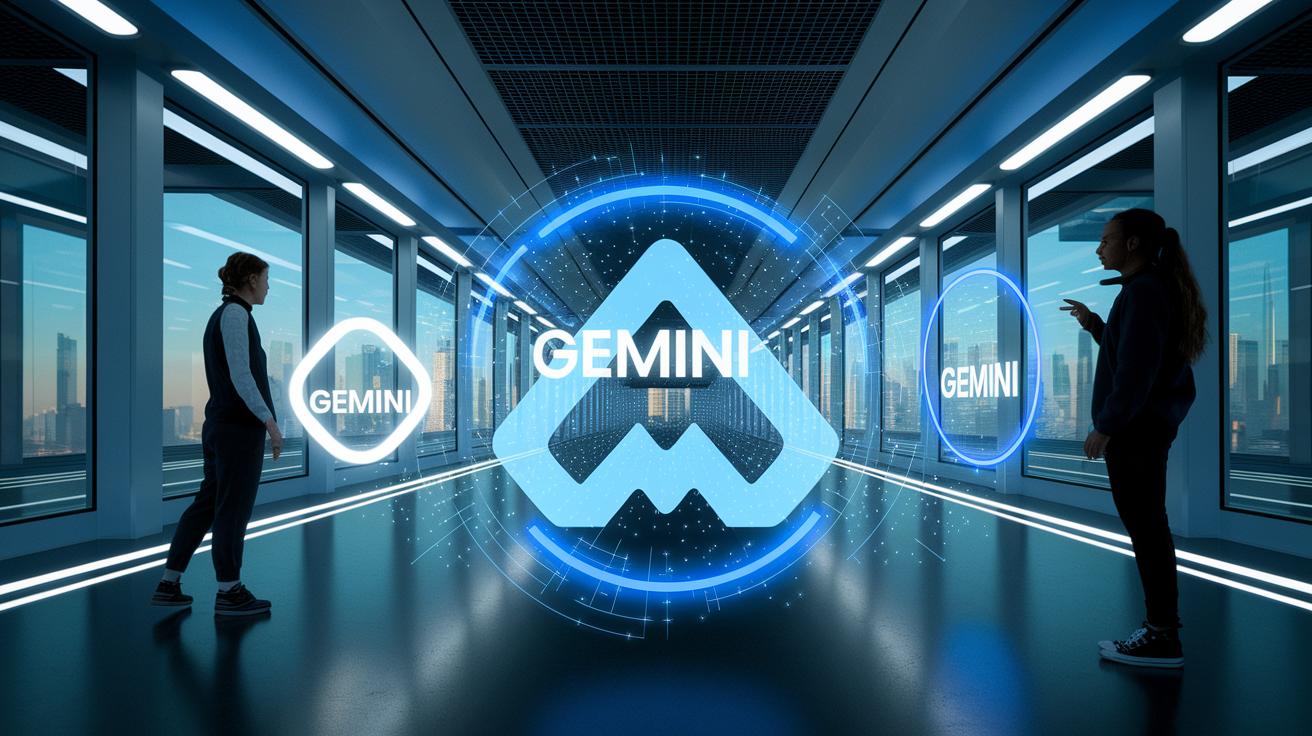
In March, Gemini 2.5 burst onto the scene with sharper reasoning skills that hinted at even greater things ahead. Then in November, Gemini 3 stepped up the game by mixing in multimodality (a fancy way to say it understands text, images, and sound), and by December, Gemini 3 Flash was handling real-time tasks like a champ with its impressive speed. Generative media tools such as Nano Banana, Nano Banana Pro, Veo 3.1, Imagen 4, and Flow are totally reshaping how we create content. Imagine typing a description and watching it instantly spring to life as an engaging animation, it's that exciting!
AI Platforms for Research Acceleration
- At places like Stanford and Imperial College, AI co-scientist systems are lending a hand in generating new ideas by breaking down and clarifying complex thoughts.
- Health platforms like DeepSomatic, C2S-Scale (a model with 27 billion parameters, which means it processes huge amounts of data), AMIE, and MedGemma (downloaded over 2 million times) are making diagnoses more accurate and personal.
- Earth AI brings together tools for mapping, weather, and air quality, while FireSat’s group of more than 50 satellites catches wildfires almost as soon as they start.
- LearnLM is now being used in schools, where its integration has bumped student retention rates up by 11 percentage points.
- Privacy tools like Jax Privacy 1.0, VaultGemma, and Parfait, along with the AI Traffic Simulation API, are set to transform how we handle secure data and plan cities on a big scale.
These innovative platforms are speeding up discoveries in fields like biology, medicine, environmental studies, and engineering. They are changing the way research is done, making complex analysis more accessible and helping us tackle today's challenges with smarter, quicker solutions.
Quantum Computing Breakthroughs 2025
Quantum computing is no longer just a theory, it’s now a real tool that’s reshaping how we tackle health problems and tough computing tasks. Cleveland Clinic and IBM teamed up to launch the first quantum computer built specifically for healthcare. This cutting-edge system is here to help solve tricky diagnosis puzzles and speed up the search for new medicines.
Google has also made a splash with its Quantum Echoes algorithm, powered by the Willow chip. It can complete tasks 13,000 times faster than older, traditional systems. Imagine that, a process that once took hours now wraps up in seconds!
Michel Devoret, recognized for his groundbreaking work, earned the 2025 Nobel Prize in Physics. His work blends new, advanced hardware with smart computing techniques, marking a huge step forward in quantum research. Isn’t it amazing how one discovery can shift our whole understanding of technology?
Biotech Breakthroughs Driving Medicine in 2025
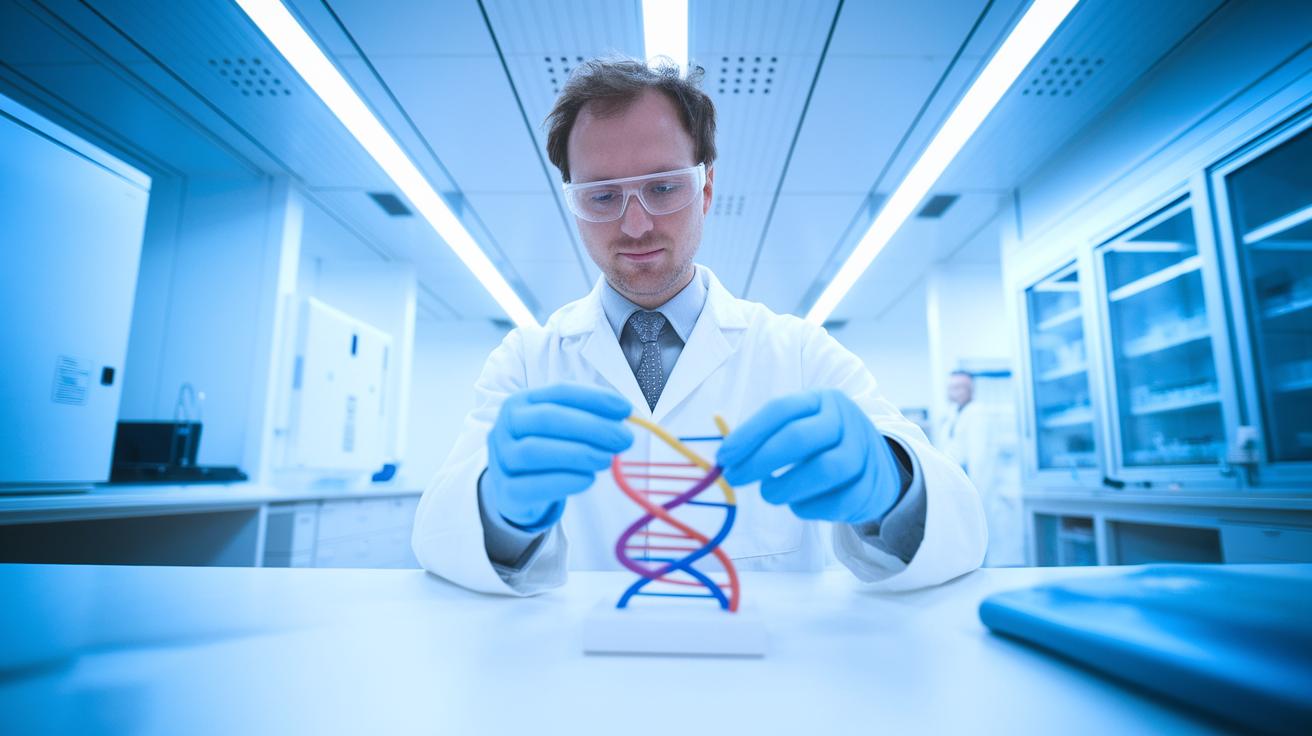
CRISPR therapies have made a big leap forward thanks to Casgevy's recent FDA approval. This progress has not only sparked fresh innovation but also led to stricter checks, with new laws requiring closer reviews of treatments. Regulators have even started pilot programs to keep an eye on the long-term safety of these therapies, striking a careful balance between rapid progress and patient care.
Scientists working with molecular editing are exploring new paths that could change the way we design drugs. They’re testing methods to boost how well treatments work while reducing off-target effects (mistakes where the wrong genes are changed). It’s a bit like fine-tuning a recipe to get the flavor just right, every small change needs careful testing to avoid unexpected outcomes.
New niches in biotech are now focused on adapting precision tools to be used in clinics. Researchers are pouring energy into detailed studies on patient results and improving how clinical trials are carried out. For example, early data shows that personalized treatments might soon be better matched to each person’s unique traits.
The Omniomics market is booming, with predictions of an 18.7% growth rate through 2030, and this is pushing advances in single-cell diagnostics (tests that examine individual cells) and biomarker assays (tools that find signs of disease). This rapid growth is prompting regulators to develop specific rules to make sure new diagnostic tools are both safe and effective. One expert mentioned that fresh testing frameworks are being set up to better validate these tools for real-world use.
Sustainable Energy Breakthroughs 2025: Advancing Climate Goals
New materials are changing how we lower harmful emissions. Scientists are crafting options that produce fewer emissions, keeping our climate goals in mind. For example, imagine a composite material that cuts the carbon footprint of our energy systems, it's like swapping out an old, clunky engine for a sleek, modern one.
The next generation of lithium-ion and solid-state batteries is setting the pace for better energy storage. They pack more power and keep electric cars and gadgets safe. Picture an electric car that can travel much farther on a single charge, almost as if it has an energy reservoir built in. These clever innovations help make renewable energy more reliable and efficient.
New advanced materials also step up by standing strong against extreme weather while cutting down on greenhouse gas emissions. These light yet strong compounds are making it possible to build renewable energy systems that can handle severe weather and shifting energy needs. Scientists are excited because this work could help our systems last longer under tough conditions.
In short, these sustainable energy breakthroughs blend smarter battery technology with robust materials to create systems that are safer and work better. It’s a big leap forward in renewable energy storage, directly backing progress in climate research and helping us reach our global goals.
Space Exploration Breakthroughs 2025: Earth Observation and Beyond

In our AI Breakthroughs update, we've added more about the FireSat constellation. This group of over 50 satellites gives us almost instant wildfire alerts and detailed heat maps that show us how a fire might spread. Think about it, back in the day, spotting a wildfire early would have felt like magic, but now FireSat lets us see live fire behavior.
We also explain how Earth AI platforms mix location data, weather info, and air quality readings into one simple view. This makes it easier for emergency teams to react quickly and improves how we watch over our planet.
| Feature | Benefit |
|---|---|
| Near-real-time wildfire detection | Immediate alerts and rapid emergency response |
| Enhanced thermal imaging | Predicts wildfire spread patterns |
Waste Management Breakthroughs 2025: Driving the Circular Economy
New waste-to-resource tech is stepping into the spotlight as we face a big challenge noted by the UN Global Waste Management Outlook 2024. The report says that by 2050, the cost to manage waste could double. Researchers and engineers are hard at work on waste reduction tech for 2025 that turns old garbage into new, useful materials. Imagine a place where yesterday’s trash gets a fresh start as raw material, kind of like a chef transforming leftovers into a delicious meal.
Recycling breakthroughs in 2025 are also making waves by using smarter processing methods and modern systems to boost how well recycling works. These systems use closed-loop manufacturing (a process where nearly every bit of waste is reused) so that almost every piece of industrial or household waste is given a new life. They even mix in smart sensors and robotic sorters, which help not only cut costs but also improve the quality of the recycled material for future use.
All of these new recycling ideas are helping us move toward a circular economy, where waste is kept to a minimum and resources are always reused. This means a more stable economy and a healthier environment for everyone.
Final Words
In the action, the post showcased eight key areas fueling science breakthroughs 2025. We looked at how biotech innovations, AI platforms, quantum computing, sustainable energy, space exploration, and waste management are transforming our day-to-day lives. Each section offered a glimpse into new methods making medicines safer, energy cleaner, and data smarter. These insights show that everyday challenges are met with creativity and progress. Keep exploring as these exciting advancements continue to brighten our future and remind us of science's amazing potential.
FAQ
What are the top science breakthroughs of 2025 and which breakthrough is noted as the breakthrough of the year?
The science breakthroughs in 2025 include advances in CRISPR therapies, battery technologies, AI platforms, and quantum computing. One notable achievement is the healthcare-dedicated quantum computer, marked as the breakthrough of the year.
What were some key science breakthroughs in 2024 and which achievement was considered breakthrough of the year?
The science breakthroughs in 2024 focused on improving data quality in AI and exploring innovative materials. The breakthrough of the year in 2024 celebrated research that paved the way for further progress in science and technology.
What are the main medical breakthroughs expected in 2025 and which ones top the list?
The medical breakthroughs in 2025 feature CRISPR-based treatments, molecular editing innovations, and rapid advancements in single-cell diagnostics. These milestones are expected to significantly transform personalized care and clinical research practices.