Have you ever thought about how hidden technology keeps us safe? In secret corners, top systems and smart gadgets work together like a team in a spy story. Imagine a secret so well-guarded that even a small leak could cause big problems. In this piece, we'll explore how strict rules and clever innovations combine to protect our future.
Overview of Classified Technologies
Classified technologies are special systems developed under strict government or military rules, and they’re handled with great care. They come in three levels: Confidential, Secret, and Top Secret (the most sensitive) as defined by Executive Order 13526 (2009). A Confidential label means that if the details get out, they might hurt national security, while Secret data is kept hidden to avoid serious harm. Top Secret is reserved for the most sensitive information, where any leak could lead to really bad damage.
In 2020, the Department of Defense looked after over 54 million sensitive documents. Imagine a stealth aircraft that can vanish into the night like it’s straight from an undercover movie scene, that’s the kind of high-stakes tech we're talking about. Other examples include encrypted communication systems (gadgets that scramble messages so they can only be understood by the right people) and unmanned drones used for secret missions.
These technologies are much more than just secrets; they form a vital part of our national security. They help safeguard intricate scientific methods and sensitive information from falling into the wrong hands, ensuring that clever innovations continue to protect our country every day.
Historical Evolution of Classified Technologies
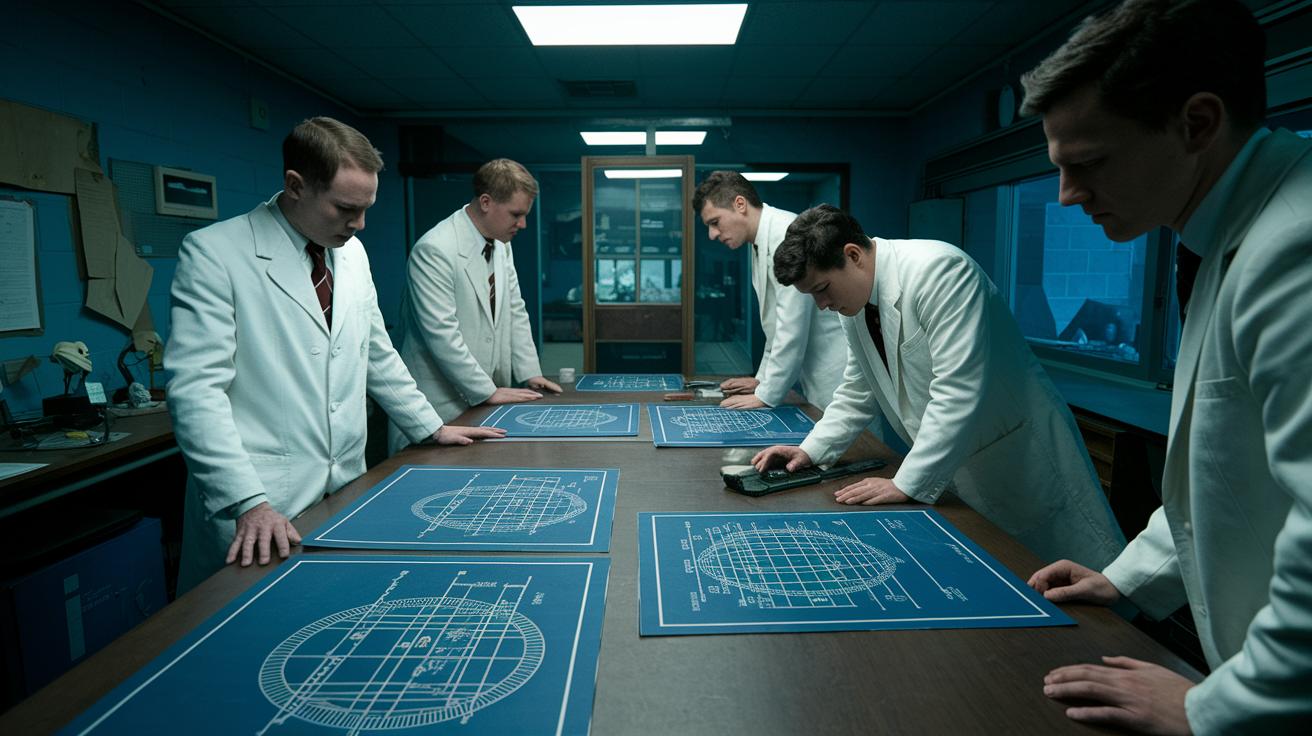
Starting in the 1940s, secret government projects changed the way we think about science and military work. The Manhattan Project was a huge, hidden effort that mixed research with military strategy to build nuclear weapons. This bold project showed that amazing ideas could thrive under strict secrecy and paved the way for many later innovations.
In the 1950s, spy planes like the U-2 became crucial for gathering important intelligence. These planes flew very high to take pictures over enemy territory, and each flight was a careful balance of teamwork and secrecy to protect sensitive data. Then, in the 1970s, engineers set out to create the F-117 stealth fighter. Its unique design made it nearly invisible to radar, pushing technical limits and changing military approaches forever.
Around the same era, the CIA introduced Sensitive Compartmented Information, or SCI (a method that strictly controls who can see secret data). This step-by-step system ensured that only those with the proper clearances could access the most confidential details.
| Technology | Impact |
|---|---|
| Manhattan Project | Revolutionized scientific research and set a model for top-secret projects |
| U-2 Spy Planes | Boosted intelligence gathering with high-altitude missions and careful coordination |
| F-117 Stealth Fighter | Pushed technical boundaries with a radar-evasive design and reshaped military strategy |
| Sensitive Compartmented Information (SCI) | Created controlled pathways for sharing only what was necessary among selected experts |
Later on, the digital revolution stepped in and changed everything. New secure communication methods and clever data strategies allowed these secret programs to advance even further. Imagine engineers and scientists quietly tweaking their plans as digital systems redefined what it meant to keep information under wraps. Every improvement was a careful, exciting move in the evolving art of hidden innovation.
Protocols and Clearance for Classified Technologies
When scientists work on secret technology projects, they follow very strict rules to keep every single detail safe. In the United States, only people with special permission can read about these important projects. There are three levels of security clearance. The first level is Confidential, which means even a small leak could hurt the country. The next level is Secret, where sharing information might cause serious problems. And then there’s Top Secret, the highest level, where any breach can have extremely dangerous results.
Getting these clearances isn’t a walk in the park. It takes thorough background checks, a deep look into a person’s history, and sometimes even polygraph tests (a kind of lie detector test that checks if you’re telling the truth). In fact, many folks aiming for Top Secret clearance go through several polygraph tests. It really shows how much effort goes into protecting our most sensitive information.
The whole system works on a "need-to-know" basis. That means even if you’re part of the team, you only see the information that you absolutely need for your work. Projects follow rules known in manuals like the National Industrial Security Program Operating Manual (NISPOM). These guidelines help manage sensitive info and keep risk levels in check.
Below is a simple table that shows the main steps in a typical risk-assessment process:
| Step | Action |
|---|---|
| 1 | Complete a detailed background investigation |
| 2 | Take a polygraph test if you need TS/SCI access |
| 3 | Grant “need-to-know” permissions based on your credentials |
| 4 | Use ongoing risk-assessment measures to check info security |
Each step is carefully followed to make sure secret details don’t fall into the wrong hands. By keeping everything under tight control, researchers and engineers can work on breakthroughs while keeping our national interests safe. Isn’t it amazing how much trust and responsibility are built into the system?
Classified technologies: Bold secrets, bright advancements
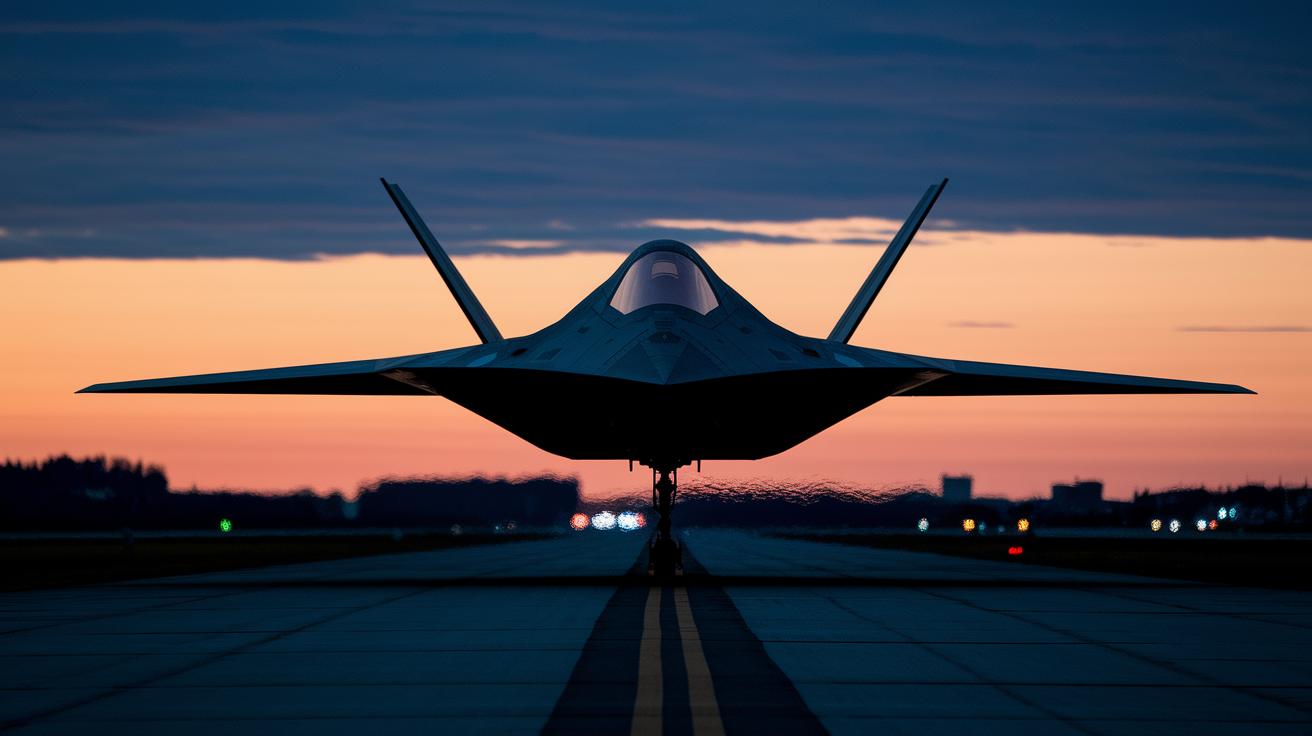
Take a look at the F-117 Nighthawk. This project started in 1975 and changed the way we think about stealth in aircraft. Engineers used special materials like radar-absorbent composites (materials that help absorb radar waves instead of bouncing them back) to shape an airplane that practically vanishes from enemy radar. Imagine a jet gliding by like a shadow on a clear night.
Now, think about the MQ-9 Reaper drone, which first flew in 2000. This pilotless aircraft mixes speed, accuracy, and a secretive nature. Clever design choices let it fly in tricky areas without calling too much attention. It’s amazing that the MQ-9 can watch over hundreds of miles while staying low-key.
Then there’s Project MKUltra from the 1950s. In this secret project, researchers tested various techniques under strict conditions. Even though many details remain a mystery, MKUltra set important standards for understanding how people react to advanced, hidden methods.
There’s also the NAVSTAR GPS system, quietly launched in 1973. What began as a guarded military project now lies at the heart of global navigation. Its evolution shows how secret work can lead to breakthroughs that shape our everyday lives.
Early on, scientists also built quantum encryption testbeds. They experimented with new ways to secure communications using advanced codes and ideas (quantum mechanics is the study of very tiny particles). These tests laid the foundation for the secure networks we have today.
All these projects show that working quietly behind the scenes can lead to huge technological leaps. They remind us that smart science and careful planning come together to create powerful tools, often hidden until the perfect moment to shine.
Security Measures: Encrypted Systems and Communications
Encryption helps keep our sensitive data safe from curious eyes. One common method, AES-256, works like a tough lock on a treasure chest. Think of it like a diary that only your closest friends can open, if you don’t have the key, the words stay hidden.
In 2016, DARPA tried something really cool with Quantum Key Distribution. This method uses the basics of quantum mechanics (the study of super tiny particles) to create unique keys that change every time. Even a small peek at any message leaves a trace. Secure networks like SIPRNet and JWICS use this trick to ensure only those with proper clearance can see the information.
The NSA’s Suite B cryptography standards, introduced in 2013, set simple rules on how to build strong locks for our data. They make sure that every piece of encoded information is hard for hackers to crack. Plus, researchers are now working on post-quantum algorithms to be ready for the power of future quantum computers by building defenses that can stand up to challenges we’ve never seen before.
By combining strong encryption, safe communication channels, and state-of-the-art cryptographic methods, we create several layers of protection. This approach forms a digital fortress that keeps secret information safe whether it’s being sent or stored.
Ethical and Societal Implications of Classified Technologies

Ever since Snowden's leaks in 2013, people have been asking if our safety measures are tipping too far into invading our privacy. Back then, while governments were busy boosting data security, heated debates arose about whether these efforts were giving too much power to secrecy instead of protecting individual rights. In fact, before his story hit the news, Snowden took a huge personal risk to show how government monitoring could sometimes hurt our privacy.
Policy makers and intelligence experts are often deep in conversation over how best to handle encrypted data. For example, committees in Congress spend long hours reviewing secret projects to ensure they meet strict guidelines. At the same time, rules set by the Department of Defense (DoD) remind us to check if too much secrecy might open the door for misuse, like keeping an eye on citizens without proper limits.
Lawmakers and civil libertarians often push back, saying that while strong technology is vital, giving unchecked power to authorities can lead to intrusive actions. Sometimes, systems designed to protect us get twisted into tools that monitor us more than they should. Imagine having a digital guard dog built to keep your nation safe, but it starts tracking every move you make.
With these concerns echoing in halls of power, debates continue about whether our current laws can keep pace with the rapid advances in secret technology. The discussion is not just about practical safety but also about making sure we do the right thing when it comes to protecting our digital lives.
Future Trends in Classified Technologies and Covert R&D
Next-generation projects are quietly transforming secret technology. Research teams are trying out new AI-driven defenses (AI means smart computer systems) to catch digital threats before they cause real harm. Imagine a system so alert it finds hidden problems, much like a security guard with super-hearing.
In 2017, tests like DARPA Explainable AI helped shape today’s cyber protection ideas. Meanwhile, tests of hypersonic weapons (very fast systems that travel faster than sound) in 2020 showed just how quickly defense technology can evolve. These speedy systems need a fresh look at network design to keep them safe from leaks or failures.
Quantum computing breakthroughs (using super-powerful computers) are on the horizon and might even crack the toughest codes. Picture a future where quantum machines work with experts to protect secrets and challenge today’s safety methods. It might sound like science fiction, but researchers are seriously exploring it, and it could change security steps forever.
Developers now watch every step of technology creation, from the very first idea to everyday use. They work on steady, careful processes to lower risks and guard secret information over time. For example, experts follow simple, step-by-step plans to spot weak spots, much like building a finely tuned machine.
Stealthy cyber operations will keep blending new technology with careful, behind-the-scenes actions. Security teams are designing digital barriers that shift quickly when threats appear. In one test, a self-learning system stopped a simulated cyber-attack by changing its defenses on the fly. Isn’t that impressive?
These exciting advances point to a future where strong, fast, and smart technology remains the heart of secure operations.
Final Words
In the action of exploring a wide range of classified technologies, we saw systems managed by strict government protocols and impressive military-grade progress. The blog post touched on historical milestones, detailed clearance processes, and showcased secure communications through compelling examples like stealth designs and encrypted networks. Ethical debates and future predictions rounded out the discussion. Each section painted a picture of how these projects shape our world, offering us a glimpse into a secure tomorrow. Keep wondering and stay curious, science is ever ready to surprise us.