Have you ever thought about how modern medicine might change our lives? New ways to treat illnesses are giving us hope by helping fight viruses, soothe pain, and even bring back sight. With ideas like long-lasting HIV prevention (a method that stops the virus for a long time) and treatments that can edit our genes (tiny instructions we can change), doctors are making what used to be thought impossible into real treatment options. These new breakthroughs push our expectations further and provide real help to people everywhere, paving the way for smart and caring medical care.
Major Highlights of Recent Medical Breakthroughs
New discoveries in medicine are bringing hope and changing treatment in many areas like fighting viruses and easing pain. For example, lenacapavir is the first HIV prevention drug that works for a long time and is given as an injection twice a year. This new method sets a fresh standard in how we protect people from the virus.
Suzetrigine, also known as Journavx, is a non-opioid painkiller approved in December 2025 after testing on 2,000 patients. It gives pain relief similar to medicines like hydrocodone and paracetamol but comes with fewer side effects and no risk of addiction. Imagine feeling better without the worry of dangerous drug habits.
In another major step, a baby named KJ received an in vivo CRISPR treatment for CPS1 enzyme deficiency (a condition that can lead to dangerous ammonia buildup in the brain and liver). This first-ever gene-editing approach helps prevent serious health issues and opens doors for future therapies.
Roche’s new Sequencing by Expansion (SBX) platform uses special molecules called expanded Xpandomers (tools that help read DNA) to make DNA sequencing both faster and more accurate. Meanwhile, a new pair of FDA-approved Stellest eyeglasses was designed to reduce the worsening of nearsightedness in children by over 50% across several years.
Vision restoration has also taken a leap forward with corneal iPS transplants. In this procedure, doctors use circular sheets made from stem cells taken from umbilical cords to help restore sight, and in four patients, the improvements lasted four to five years. And there’s more hope for people with brain cancer: CAR T-cell therapy for glioblastoma offers a personalized immunotherapy option that uses a patient’s own cells to battle the cancer, leading to improved survival times in a tough case.
It’s amazing to think that once, scientists could only dream of such well-targeted treatments. Now, these breakthroughs are reshaping patient care and giving us a clearer path toward better health. Learn more about these exciting advances at medical breakthroughs.
Genomic Sequencing Innovations in Recent Medical Breakthroughs
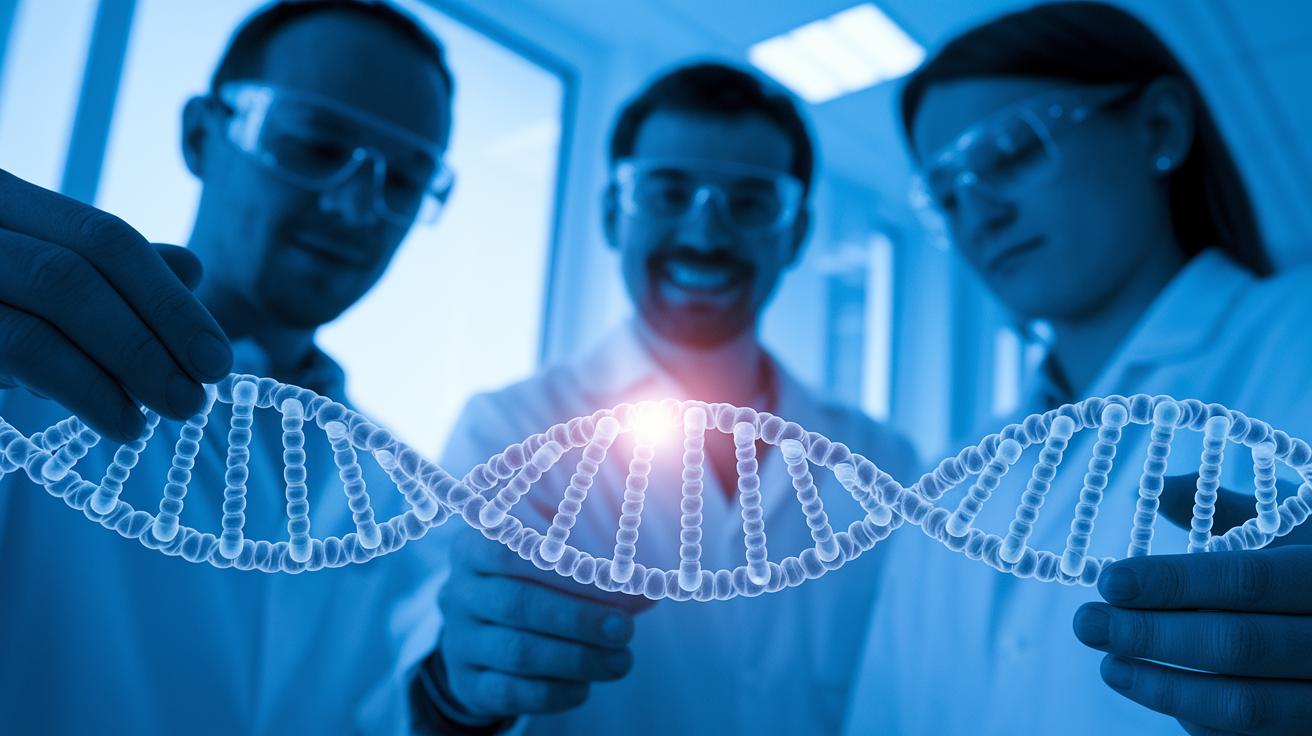
SBX, short for Sequencing by Expansion, is revolutionizing our approach to reading DNA. Basically, it makes the tiny DNA letters larger so they're easier to see. Researchers call these bigger pieces xpandomers (that is, larger DNA structures). It’s like taking a cramped note and suddenly being able to read it in bold clear letters, just like turning on a light in a dark room.
By changing how we process DNA, SBX is now the fastest method for sequencing the human genome. Instead of taking days, it gets the job done in just hours. Imagine watching your favorite TV show go straight to the best parts without a long buildup! Plus, this method, which mixes in new techniques for diagnosing health issues, is helping labs and hospitals upgrade their imaging tools for everyday care.
Even more exciting, SBX could lower the cost per genome by around 30%. This means that soon, people with rare diseases or cancer might get detailed genetic profiles without a hefty price tag. To put it simply, it's like moving from a pricey boutique item to something affordable at your local store.
The benefits of SBX go beyond just speed and cost savings. It also brings a big boost to the precision of diagnoses. Thanks to its clarity and affordability, SBX is paving the way for personalized medicine, where treatments are tailored to match each person's unique DNA. This can lead to faster cancer diagnoses and therapies that fit an individual's health needs perfectly.
Targeted Therapeutic Developments in Recent Medical Breakthroughs
Suzetrigine (Journavx) is a new pain reliever made without opioids. In tests with 2,000 patients, it worked nearly as well as strong painkillers but without the risk of addiction. Imagine a pain treatment that eases your discomfort without making you worry about dependency. It could really change how we handle pain after surgery or for long-term issues.
Lenacapavir is another exciting advance. It is the first long-lasting drug used to prevent HIV infection before exposure. You only need an injection twice each year. This simpler treatment schedule keeps you protected all the time and is a big step in targeted therapies.
Tirzepatide is showing promise for people with type 2 diabetes. In clinical trials, patients lost between 15 and 20 percent of their weight. This can lead to healthier outcomes and a clearer path to better wellness. At the same time, omalizumab is a special injection that helps many people with severe peanut allergies. About 70 to 80 percent of patients can handle small exposures to peanuts without a reaction, which offers a fresh way to manage allergies.
In mental health, xanomeline-trospium (KarXT) is helping people with schizophrenia get better control of their symptoms. It has fewer movement side effects that can disrupt daily life. Cancer treatments, too, are improving. For example, osimertinib can extend the life of lung cancer patients by 6 to 8 months, and personalized CAR T-cell therapy is helping those with glioblastoma live longer. Each of these breakthroughs shows progress and brings renewed hope by matching treatments closely with patient needs.
Genetic Intervention Milestones in Recent Medical Breakthroughs

Imagine a child hearing a world of sounds for the first time. Otoferlin gene therapy uses a custom virus (a harmless carrier designed by scientists) to send the OTOF gene into the tiny cells of the inner ear. This breakthrough lets a child, who once lived in silence, finally enjoy everyday sounds, like a calm night suddenly lit up by the gentle guitar strumming.
Then there’s Bridge RNAs. Think of them as the next upgrade in gene editing tools. These clever CRISPR adaptors (parts of a gene-editing system that work like a high-precision toolkit) help doctors zoom in on one tiny faulty gene. It’s like swapping out an old, basic toolbox for one filled with smart, tiny instruments that can fix even the smallest issues.
Regenerative and Reproductive Interventions in Recent Medical Breakthroughs
Researchers are making strides with lab-grown reproductive tissues, especially in the quest to create artificial ovaries. These specially built supports can help restore fertility for women facing issues like polycystic ovarian syndrome, endometriosis, or even the tough side effects of cancer treatments.
Early lab tests have shown that egg cells can mature in a controlled setting (that is, in lab conditions), offering a fresh alternative to traditional fertility treatments. Picture this: a lab-grown ovary that naturally guides hormone production and egg development, opening up new hope for many women battling infertility.
Final Words
In the action, our blog walked you through new ways science is changing daily life. We saw progress from HIV prevention tools and safe pain management to gene editing that helps treat rare disorders. Innovations in diagnostic methods and regenerative treatments were also highlighted to showcase how future therapies may redefine quality care. These breakthroughs are not just headlines, they’re shaping real improvements in health and well-being. The story of recent medical breakthroughs reminds us to keep our eyes open and embrace the bright future ahead.
FAQ
Medical advances in the last 5 years
The term medical advances in the last 5 years refers to progress such as gene editing, long-acting HIV prevention drugs, and new pain therapies that have improved patient care.
Medical breakthroughs by 2030
Medical breakthroughs by 2030 are projected to build on current innovations in targeted therapies, gene interventions, and diagnostic sequencing to further improve treatment outcomes.
New medical discoveries articles
New medical discoveries articles typically report on advances like iPS-derived corneal transplants and next-generation sequencing tools, highlighting progress that benefits patient care.
Medical breakthroughs 2026
Medical breakthroughs 2026 include innovative treatments such as non-opioid pain relievers with fewer side effects and novel therapies for conditions like HIV, reflecting promising clinical trial results.
Medical breakthroughs in the next 10 years
Medical breakthroughs in the next 10 years are expected to feature advancements in genomic diagnostics, cell-based therapies, and precise genetic interventions that enhance treatment effectiveness.
Medical breakthrough news
Medical breakthrough news often covers new therapies like CAR T-cell treatment for glioblastoma, advances in gene editing, and improvements in genome sequencing that offer better patient outcomes.
Recent medical breakthroughs 2024
Recent medical breakthroughs in 2024 spotlight developments such as long-acting antiviral drugs, safer pain medications, and innovative gene therapies that drive improvements in patient care.
Medical Breakthrough massage chair
The Medical Breakthrough massage chair highlights a unique innovation blending clinical technology with patient comfort, offering targeted mechanical stimulation to support relaxation and recovery.
What are some major medical breakthroughs?
Some major medical breakthroughs include long-acting HIV prevention drugs, CRISPR gene editing for enzyme deficiencies, advanced non-opioid pain relievers, rapid genetic sequencing, and personalized cell therapies.
What is the latest major scientific breakthrough?
The latest major scientific breakthrough includes developments in genetic editing and precision diagnostic tools, such as Roche’s Sequencing by Expansion, which speeds up genome analysis and reduces costs.
What recent discovery was made in the field of medicine?
A recent discovery in medicine is the in vivo use of CRISPR to treat CPS1 deficiency in infants, effectively preventing ammonia-induced brain and liver damage.
What is the latest breakthrough in medicine in 2025?
The latest breakthrough in medicine in 2025 is the FDA-approved Stellest eyeglass lens that slows myopia progression significantly in pediatric patients, offering a modern solution to manage vision challenges.