
Have you ever looked up and wondered what ties us together under the same sky? World Space Week gets our curiosity buzzing in a way that few events can. It all started with the thrill of the 1969 moon landing and a small celebration in 1980, which soon turned into a worldwide event celebrated in nearly 100 countries.
This week is loaded with fun interactive shows, easy-to-understand lectures, and hands-on activities that make space feel a lot closer to our everyday lives. In this post, we dive into three special moments that fuel our shared love for the stars.
Origins and Significance of World Space Week
World Space Week came to life after the historic first moon landing in 1969. In 1980, a small group of space enthusiasts in the U.S. kicked off a celebration called Space Week. They remembered that incredible moment with a simple but surprising idea: "Back in 1980, a small U.S.-based initiative celebrated the very first steps on the moon, setting the stage for something much bigger."
By 1981, organizers established a national center in the U.S. to plan the festivities even better. Before long, the celebration spread its wings, reaching over 15 countries by 1999. With growing interest in science and technology, the United Nations officially recognized the event on December 6, 1999. This backing turned a local celebration into the global festival we enjoy today.
The very first international celebration took place in 2000, marking a huge boost for public support of space science. Nowadays, almost 100 countries observe World Space Week every October 4 to 10. It brings people together through educational events like lectures, planetarium shows, and interactive exhibits. Its evolution from a simple observance to a grand annual festival shows just how enchanted we are by the wonders of space. Just imagine the thrill as millions of people, both young and old, gaze up at the night sky in wonder, celebrating our shared cosmic heritage.
Timeline and Growth of World Space Week

In 1980, a group of space fans kicked off Space Week, hoping to spread the wonder of space exploration in a way that reminded people of the spirited race to the stars. One of the early organizers remembered, "Back then, we aimed to connect everyone with the wonders above."
By 1981, a national group had come together, forming the Spaceweek National Headquarters in the United States to boost local events. One team leader reflected, "Our humble beginnings laid the groundwork for a larger passion."
Then in 1999, as more people around the globe became interested, an international UN resolution transformed the event into World Space Week. The very next year, in 2000, the first truly global celebration brought a fresh wave of community spirit and creative ideas.
Today, World Space Week lights up October 4–10 with about 6,000 events held in over 95 countries, drawing millions of people to share in the wonders of outer space.
World Space Week 2025: Theme and Schedule
This year, World Space Week 2025 celebrates "Living in Space." We’re looking at the amazing challenge of making space feel like home. It’s not just about designing cool spacecraft, it’s about creating livable spaces with the comfort and care we need, like a cozy room that keeps both body and mind healthy.
From October 4 to October 10, the spotlight is on global seminars where smart experts explain how to build life-support systems that actually work over the long run. There are hands-on workshops too, where you can try out mini models of space habitats and even simulate life in a sealed space station. And don’t miss the panel discussions that spark lively chats and fresh ideas about living together off Earth.
Planetarium exhibits will take you on a visual journey, showing you the real challenges astronauts face when they’re far away from home. For example, did you know that many astronauts say they feel an unexpected calm when looking at Earth from space? Each event is designed to spark curiosity and creativity about what it means to live beyond our planet, making this celebration a true highlight for anyone excited about the future of space living.
3 world space week Ignites Cosmic Excitement
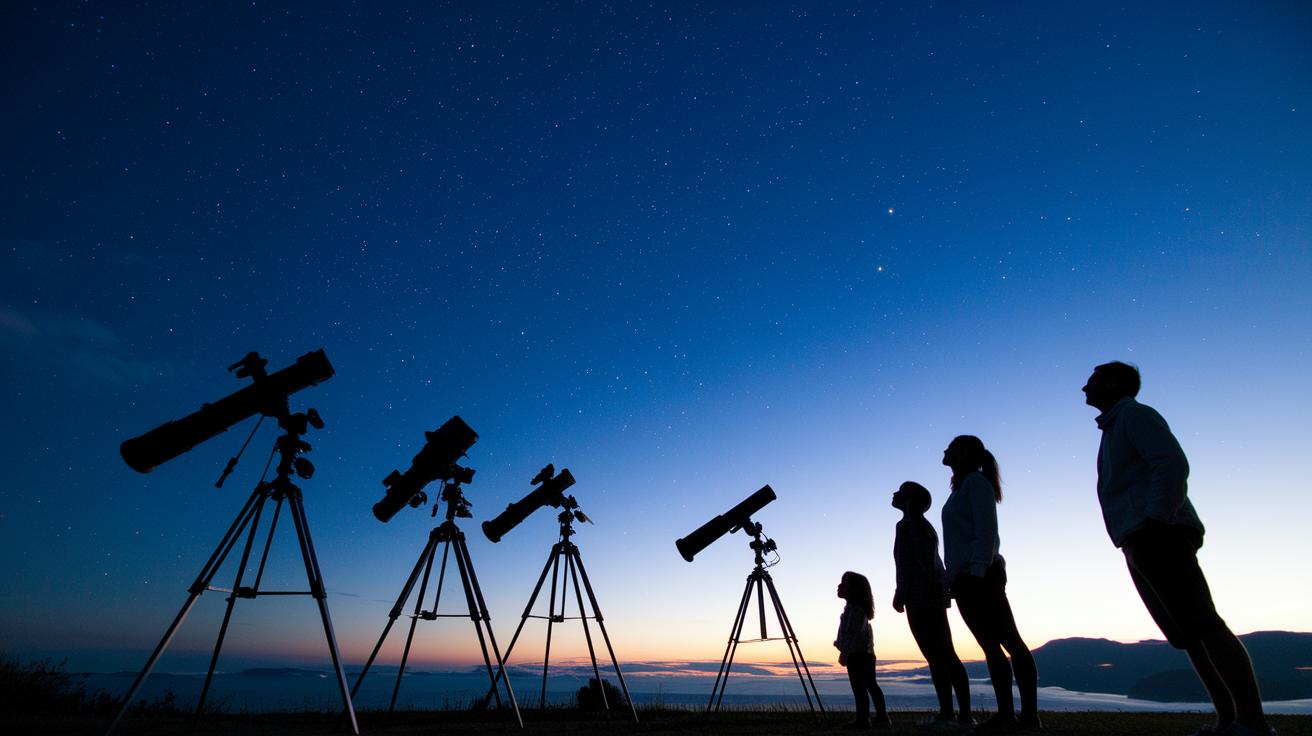
World Space Week brings nearly 6,000 events to countries all over the world, and there's something for every curious mind. You can join fun public lectures that explain the mysteries of our solar system or enjoy hands-on planetarium shows that let you dive into a digital space world. One organizer even said, "Seeing an interactive exhibit is like holding a piece of the cosmos in your hand."
People can take part in cool activities like citizen science projects (where everyday folks help with real space research) and outdoor stargazing meetups that let families enjoy a night under a sky full of twinkling stars. Here are some highlights:
- Public lectures that explore the latest in space research and share the stories behind NASA's planet visits.
- Interactive exhibits where you might simulate space missions or examine scale models of spacecraft up close.
- Screenings of classic space films that remind us of the early days of space exploration.
- Outdoor stargazing events that bring together amateur astronomers and beginners.
- Dazzling shooting-star demos that show the beauty of space dust burning in our atmosphere.
- Live social media activities with #WSW, where fans from around the globe share stories, photos, and their love for the stars.
Many venues also offer guided tours where you can check out detailed displays and hands-on setups that explain how satellites orbit our planet and how space telescopes snap pictures of far-off galaxies. For example, a small museum might host a mini-workshop where you build a paper model of a space shuttle, turning something abstract into something you can actually hold.
All these events make it easy to jump in, no matter your age or how much you already know about space. It’s not just a calendar week, it’s a lively, shared celebration that turns curiosity into a festival of cosmic discoveries.
Educational Outreach and Programs in World Space Week
Preschool Cosmic Learning
Little ones get to dive into the wonder of space during story sessions that explain how the moon changes and how planets come to be. Simple picture books show them the sky's transformations as the Earth spins. They even get to enjoy craft projects like making paper stars or building a small planet model. One teacher mentioned that using recycled materials to craft tiny planets makes the vast universe feel friendly and near. Guided sky charts add a fun, hands-on way for preschoolers to learn about bright stars and cool constellations.
School Space Projects
Kids from kindergarten through high school join in fun, interactive projects that fuel their interest in science. Schools run competitions where students design eye-catching posters about space missions or create exciting quizzes on stargazing facts. They also get to build simple telescopes and try small experiments that mimic big space ideas. Science fairs often feature space exhibits where students explain how satellites move in their orbits or build models that simulate space rockets. These activities bring students together, encouraging teamwork and creative problem-solving while making space learning an engaging part of the school day.
University Astronomy Events
At the university level, students take part in symposiums and research panels that dive into topics like asteroid missions and comet studies. They join advanced workshops where they use telescopes and do hands-on experiments on subjects ranging from eclipses to mysterious black holes (areas in space where gravity is so strong that not even light can escape). Graduate students also attend lectures on deep-space probes and get a chance to explore satellite imagery. There’s even a special workshop on aerospace engineering that bridges the gap between academic theory and real-world space exploration, showing students the technology behind incredible space missions.
How to Participate and Resources for World Space Week

Ever wonder what’s happening in space? You can join the fun by visiting local observatories during open days or public talks that reveal the magic of our universe. Museums, community centers, and schools often hold hands-on events where you get a small taste of the cosmos. One visitor said it felt like entering a live science show that brings the stars right to you.
If you want to throw your own space event, start with a guide for watching the skies. Try the official event-planning toolkit from the World Space Week Association. This handy toolkit walks you through setting up displays, running citizen science activities (fun projects where everyday folks help gather science data), and organizing talks for your community.
Getting your event on the calendar is a breeze. Just follow the association’s guide to add your program to the official schedule. And don’t forget to use #WSW when you post on social media, this way, more people will join in the excitement of exploring space.
Here’s a quick look at how you can get involved:
- Check out local public talks and observatory events.
- Use the planning toolkit to set up and run your own event.
- Share your space adventures online with the hashtag #WSW.
Official guides, downloads, and detailed schedules are available to help you plan activities that spark curiosity and spread knowledge about our vast universe. Enjoy exploring the wonders of space and sharing the experience with others!
Final Words
in the action, we explored the roots of an event born from a U.S. initiative that grew into a global celebration. We touched on its United Nations backing, key milestones, and the rich line-up of lectures, workshops, and interactive displays.
The article walked through hands-on activities for every age group while showing how world space week sparks scientific curiosity. Every event offers a chance to learn and discuss science in a simple, engaging way. Enjoy the ongoing excitement and let curiosity guide you through the cosmos!
FAQ
Frequently Asked Questions
What are World Space Week activities?
The World Space Week activities include events like public lectures, interactive exhibits, stargazing meetups, and online seminars that encourage curiosity and understanding of space science.
What does the World Space Week logo represent?
The World Space Week logo represents the global connection of space enthusiasts and educational efforts, symbolizing the shared wonder of exploring our universe.
What is featured on the World Space Week poster?
The World Space Week poster features images of planets, stars, and spacecraft designed to celebrate the excitement of space and invite people to learn more about our cosmos.
What are the themes for upcoming World Space Weeks?
The 2025 theme, “Living in Space,” focuses on the challenges of long-term life beyond Earth. For 2026, the theme details are expected to be announced as the event draws near.
What is the World Space Week competition about?
The World Space Week competition invites students and community members to take part in creative projects like poster designs and science challenges that highlight space exploration topics.
What is the World Space Week Association?
The World Space Week Association is the group that started the celebration, growing it from a U.S. initiative into a global observance that promotes space science education.
What did World Space Week 2022 feature?
World Space Week 2022 featured a variety of events including planetarium shows, public lectures, and interactive exhibits that engaged audiences in learning about space and astronomy.
What is the history of World Space Week?
The history of World Space Week began as a U.S.-based observance in the 1980s and gained United Nations support in 1999, evolving into a global celebration each October.
Why is World Space Week celebrated?
World Space Week is celebrated to honor major milestones in space exploration and to inspire people of all ages to explore and appreciate the wonders of astronomy.
Why is October 4th recognized in space week?
October 4th marks important milestones in space exploration and serves as the starting point for a week dedicated to engaging the public and celebrating scientific achievements.
How does World Space Week relate to other international observance days?
World Space Week stands alongside events like World Smile Day, World Animal Day, and World Teachers’ Day by engaging communities worldwide to celebrate subjects that enrich our shared understanding of life and science.