
Have you ever wondered if science could completely change the way we care for our health? By 2025, researchers are working on amazing breakthroughs that might just do that. They promise not only better ways to ease pain but also new gene editing techniques (methods to fix our genes) and smarter vision treatments that work even better than old ones.
Hospitals and labs are finding new paths that really make a difference in patients' lives. Recent trial successes and clever new screening tests show us that medicine is getting both bolder and more precise. This means safer treatments and a higher quality of life for millions of people.
Embracing these new advances might be the key to building a healthier future. Imagine a world where science works with us to make everyday life better. Isn't that a future worth looking forward to?
Headline Clinical Breakthroughs for 2025
Latest medical advances in 2025 are opening up new ways to care for patients. In this review, we explore four big breakthroughs that are changing how doctors diagnose and treat illnesses.
- In a phase 3 trial with 2,000 patients, the new drug Suzetrigine (Journavx) matched the pain relief of a common mix (hydrocodone and paracetamol). It offered good pain relief with fewer side effects and no risk of addiction.
- A team used a CRISPR treatment (a tool for editing genes) on a newborn with CPS1 deficiency. This first in vivo treatment fixed the gene problem and stopped dangerous ammonia from building up.
- Roche introduced Sequencing by Expansion (SBX) with Xpandomer technology. This new method makes whole-genome sequencing (reading all of a person’s genes) faster, more accurate, and more affordable.
- EssilorLuxottica developed Stellest lenses that are approved by the FDA. These lenses slow the worsening of nearsightedness in children by more than 50%, offering fresh hope for better vision.
These breakthroughs show how bold research in 2025 is reshaping how we treat patients and setting the stage for more exciting medical advances.
Genetic and Regenerative Medicine Advances for 2025 Breakthroughs
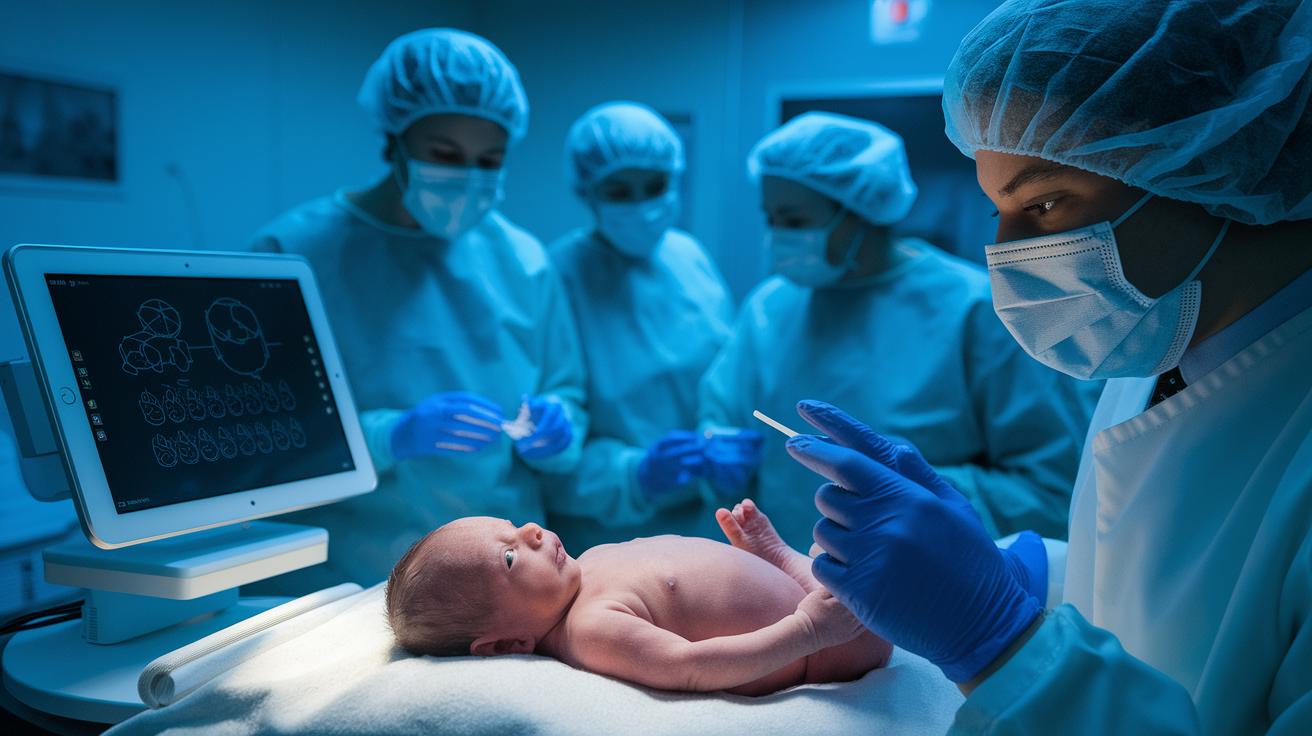
Doctors are discovering new ways to fight serious health issues with breakthroughs in genetic and regenerative medicine. In one remarkable case, a newborn received a custom in vivo CRISPR therapy (a tool that edits genes like fixing a typo in a long sentence) that corrected CPS1 deficiency, stopping harmful ammonia buildup before it could damage the body. This success points to a fresh era of personalized treatments that could change how we handle metabolic disorders.
CRISPR-Based Treatments
Using CRISPR in real patients is moving from an idea to real life. Researchers used a tailored CRISPR method to fix a rare metabolic disorder in a newborn, showing that we can safely play with genes to correct mistakes. This approach not only opens doors for treating other hereditary conditions but also promises fewer long-term health issues by fixing problems at the very source.
Regenerative Biologics and Stem Cell Interventions
At the same time, new work in regenerative biologics is reshaping how we mend tissues and boost fertility. For example, a method called PRP ovarian stimulation (using a concentrated form of platelets, the tiny cells that help your blood clot) is helping revive fertility in women with PCOS and premature ovarian failure. Other breakthroughs involve using ethical stem cells (cells that can develop into different types) along with exosome platforms (small bubbles carrying important messages between cells) and peptide-based repair methods. These advances are creating fresh treatment paths for patients who once had very few options.
AI and Digital Health Trends Defining Medical Breakthroughs 2025
Digital health breakthroughs are changing the way patients are cared for, and the changes are both exciting and down-to-earth. You might notice cool tools like AI systems helping out during exams and smart gadgets keeping track of your health every minute. This means your care feels more personal and precise.
AI in exam rooms quickly helps doctors make decisions, while telemedicine lets patients get support from home. Smart wearable devices check vital signs all day, warning doctors if something seems off. Even digital treatments are stepping in to help with everyday habits, making medical care feel more like part of your everyday life.
Key digital health drivers include:
| Key Digital Health Driver |
|---|
| AI-assisted diagnostic tools in radiology and pathology |
| Virtual care systems for both long-term and sudden conditions |
| Smart wearables that monitor vital signs around the clock |
| Data-driven decision support in electronic health records (digital files for patient info) |
| Digital treatments that help manage behavior and everyday habits |
These trends are setting a fresh benchmark for medical breakthroughs in 2025 by blending modern technology with everyday patient care. The result is better health outcomes and a smoother, more enjoyable experience for everyone.
Next-Generation Therapeutics and Drug Discoveries in 2025

In 2025, new drug discoveries are making treatments feel as if they're custom-made just for you. Researchers are now using GLP-1 combination treatments with metabolic flexibility programs to show that type 2 diabetes and obesity can actually be reversed. It’s like getting a suit that fits perfectly, each treatment is carefully adjusted to match a person’s unique body needs.
New ways of fighting lingering virus effects are also taking shape. Doctors and scientists are developing therapies for long-COVID that work on tiny issues like microclots (really small blood clots) and confused immune responses. By keeping an eye on even the smallest hints of ongoing inflammation, they’re crafting treatments that tackle the very roots of the problem.
Immunotherapy breakthroughs and safer vaccines add to this hopeful picture. Recently, steps were taken to remove thimerosal (a preservative) from vaccines, making them safer for your brain while building public trust. And with fresh immunotherapy ideas that boost the body’s natural defenses, modern medicine is steadily heading towards treatments that are both more effective and kinder on you.
Advanced Diagnostics and Imaging Breakthroughs 2025
Doctors are now using cool new tools that change the way they understand and treat illnesses. These fresh advances in reading genes, fighting cancer, and checking how our bodies age are setting a whole new bar for care. For instance, SBX Sequencing by Expansion lets experts read all of someone's genes quickly and accurately. Meanwhile, targeted oncology imaging shows doctors exactly where to place treatments inside a tumor so that they work best. And with biological-age diagnostics, tests that look at how well our cells fix themselves, doctors get a clear picture of health that goes beyond just counting birthdays.
| Technology | Application | Key Benefit |
|---|---|---|
| SBX Sequencing by Expansion | Quick, accurate gene reading for a full genetic check-up | Faster and cheaper DNA analysis |
| Targeted Oncology Imaging | Helps guide treatments right into tumors | Fewer side effects and sharper treatment focus |
| Biological-Age Diagnostics | Checks cell repair markers to see how fast you’re aging | Better prediction of overall health and more personalized care |
These breakthroughs give doctors clear, step-by-step data so they can adjust treatments to work even better. Combining smart imaging with clever tests turns complicated medical info into simple, quick decisions for everyone involved.
Breakthrough Medical Devices Shaping Healthcare in 2025

Stellest myopia-control lenses and the Xpandomer sequencing instrument have come a long way recently. Stellest lenses now include smart sensors that adjust how the lens works based on the light around you. This upgrade may help slow myopia (a condition where you see things up close but struggle with distant objects), and early studies by independent researchers already show promising results. For instance, one study found that kids using these smart lenses enjoyed clearer outdoor vision even when the light was shifting quickly.
Meanwhile, the Xpandomer instrument now features a small analysis unit that gives instant feedback as it reads genomes (the complete set of genes in our body). This helps labs work faster, almost like flipping through a digital photo album filled with essential genetic clues.
Microinjection delivery systems and advanced centrifuge platforms are also stepping up their roles. They now combine real-time imaging software with AI-assisted monitoring (computer programs that help analyze data) to keep track of procedures. Recent trials show that when doctors use microinjection tools with dynamic imaging, they can target cancer cells more precisely during treatment. Likewise, the updated centrifuge platforms now make on-the-spot adjustments with smart algorithms, which could shorten treatment times and customize procedures to fit each patient's needs.
Market and Regulatory Landscape Impactacting Medical Breakthroughs 2025
Government rules and public health policies are changing the way new medical treatments become available. For instance, the CDC has softened its message about vaccine and autism links, which makes it easier for doctors and patients to have honest conversations. Around the globe, efforts have removed thimerosal (a mercury-based preservative) from vaccines to help protect brain and nerve health. New PFAS rules (for a type of chemical found in everyday products) and recent lawsuits about chemical safety are pushing industries to update their practices. Plus, as chronic Lyme disease gains official recognition, treatments like NK-cell and bacteriophage therapy (using natural cells and viruses to fight diseases) are making progress. All these changes help build trust and show how science and policy can work together.
Patients are asking for more openness, and that is shining a light on problems with current insurance models. Lawmakers are now thinking about simpler ways to support new treatments. Public health plans are built around safety and easy access, making sure that life-changing treatments reach more people without lots of red tape. These shifts are changing how quickly medical breakthroughs join everyday healthcare, setting the stage for steady global innovation in 2025.
Final Words
In the action, we jumped into clinical advances, genetic treatments, digital health insights, and breakthrough devices that set the stage for a healthier future. We touched on trials like Suzetrigine, CRISPR applications in newborns, AI-aided diagnostics, and imaging innovations that shape care. Market shifts and updated regulations support the progress of medical breakthroughs 2025. The science ahead is inspiring and invites us all to learn more about how these shifts will improve everyday life.
FAQ
What are the top and upcoming medical breakthroughs in 2025 and beyond?
The top and upcoming breakthroughs in 2025 and beyond focus on advanced gene editing, digital diagnostics, and innovative therapeutics that promise improved pain management, vision control, and personalized care to boost overall patient outcomes.
What are the latest medical discoveries from 2024?
The latest medical discoveries from 2024 highlight improved diagnostic devices, refined genetic therapy techniques, and novel medical device innovations that pave the way for more effective treatments in the near future.
What advances in healthcare and new procedures are planned for 2025?
The advances in healthcare planned for 2025 include precise CRISPR therapies for metabolic disorders, AI-supported diagnostic tools, and next-generation imaging techniques that aim to offer more accurate, faster, and less invasive procedures.
What is the next big medical advancement on the horizon?
The next big medical advancement is seen in the integration of AI-driven diagnostics, personalized treatment plans, and regenerative therapies that together create a more dynamic and responsive healthcare environment.
What diseases might be cured in 50 years?
The expectation of curing diseases in 50 years centers on chronic conditions such as certain cancers, genetic disorders, and metabolic diseases, thanks to ongoing innovation in targeted therapies and regenerative medicine.
What milestones are expected for medical breakthroughs in 2026 and by 2030?
The milestones expected for 2026 and by 2030 include the further refinement of regenerative medicine, enhanced digital health tools, and breakthroughs in personalized treatments—all aimed at tackling complex diseases and improving global health.

