
Ever wondered if your everyday choices could help cool our warming planet? Our world is getting hotter, so every little change matters. Think about switching to an energy-saving lightbulb or enjoying a plant-based meal. These small steps can create big ripples.
This article shows how simple actions, like saving energy at home or supporting cleaner policies, can really add up. We all have a role to play. Even modest moves might be the brave steps needed to slow down climate change.
Stop Climate Change: Top Strategies for Individuals and Communities
Climate experts warned us in 2021 that our world was in serious trouble, a code red for humanity. Every little decision matters now that our planet is warming close to the critical 1.5°C mark. Simple changes, like using less energy at home or tweaking your diet, really add up.
We all have a part to play. Whether you’re calling for better policies or switching up your daily routine, your actions help. Have you ever noticed how a small change, like turning off lights when not needed, can save more energy than you’d think? One eye-opening fact: before we made any changes, many homes used up to 20% more energy than necessary.
- Policy advocacy: urging local and national governments to set and enforce rules that protect our climate.
- Energy efficiency: updating your home with LED bulbs, smart thermostats (devices that adjust temperature for you), and better insulation to lower emissions.
- Renewable energy: supporting local projects like community solar or renewable energy co-ops.
- Transport shifts: choosing greener travel options, such as biking or hopping on public transit.
- Nature protection: preserving forests and green spaces that naturally soak up carbon.
- Lifestyle changes: opting for plant-based meals can lower food emissions by around 30%, and composting helps cut waste emissions by about 8%.
Taking these steps not only saves money and energy but also builds a stronger, more resilient community. Every effort, whether big or small, works together to fight climate change. When we mix local action with global thinking, each one of us can help create a cooler, healthier planet.
Stopping Global Warming through Renewable Energy Adoption

The power sector is making a big shift from fossil fuels to clean energy. This move not only cuts down on harmful carbon emissions but also saves money. Switching to renewable energy is smart and essential for a healthier sky and earth. Solar and wind power have become super affordable over the past ten years, solar costs have dropped by 85% and wind by 70%. These changes make renewable energy the easiest and cheapest way to cut carbon emissions. Experts say renewables might soon power up to 80% of U.S. electricity by 2030, showing us that a greener future is within reach.
- Solar: Solar panels have become much cheaper and are now common in homes, businesses, and large power plants. They capture sunlight and turn it into electricity, making them a great clean energy source.
- Wind: Wind turbines on the ground and in the sea have improved a lot in efficiency and cost. They catch the wind’s energy in a way that works well when the weather is right.
- Geothermal: This energy comes from the natural heat inside the earth. It gives steady power with little impact on nature, and it works well with other forms of renewable energy.
- Bioenergy: This method turns organic waste (like plants and other natural materials) into fuel. It works with what nature already does and helps reduce waste while powering our lives.
Community projects, like local renewable energy groups and community solar programs, also play a big role. These projects create smart ways to finance green energy, lowering upfront costs and spreading benefits throughout neighborhoods. This makes the transition to clean energy something that everyone can join in on.
Implementing Energy Efficiency Measures to Stop Climate Change
Wasting energy has a big effect on our planet because it leads to extra greenhouse gases that warm our atmosphere. When we use more energy than needed, every extra kilowatt burns more fuel and pumps more heat-trapping gases into the air. By making smart upgrades at home and in factories, we can bring emissions way down.
Here are some simple ways to start saving energy:
- Swap out old light bulbs for LED ones – this can cut your energy use by about 10%.
- Upgrade your roof insulation – doing this can reduce the energy needed for heating and cooling by roughly 15%.
- Use smart thermostats – these gadgets adjust your home’s temperature automatically, saving around 10% in energy.
- Choose cold-water cycles for laundry – this change can lower your washing machine’s energy use by about 10–15%.
- Hang your clothes to dry – air drying instead of using a dryer can reduce energy use by up to 15%.
- Push for industrial improvements – better technology in factories might lower global emissions by up to 15%.
These changes can really make a difference when more households and businesses get on board. And then there’s smart grid technology (modern digital systems that help manage and balance energy use) which can make our energy supply even more efficient. Imagine every watt working as hard as it can to help create a cleaner, healthier world.
Legislative Climate Action and Policy Reform to Stop Climate Change

Governments play a big part in how our climate looks in the future. They set clear rules and goals that help keep companies in check about the pollution they create. By putting in place strong legal changes and planning for the long term, lawmakers spark new ideas and encourage everyone to take responsibility. This team effort is key to helping communities and whole economies move toward low-carbon ways of living.
Carbon Pricing Mechanisms
Carbon pricing is one of the best ways to lower fossil fuel pollution. In many places around the world, programs like fee-and-dividend or cap-and-trade put a cost on carbon output. This means companies have to pay when they release carbon, which nudges them to cut down on emissions. Experts say that if the whole U.S. adopted this idea, emissions could drop by about 30% by 2030. It’s a bit like a financial push to do better for the planet. When you see examples of these policies in action, you can witness cleaner air and a decrease in harmful emissions.
Clean Energy Mandates
Clean energy mandates work hand in hand with carbon pricing. They set strict targets for using energy from renewable sources, like wind or solar power. Rules known as Renewable Portfolio Standards have already helped boost clean energy by 40% in some states. Along with government support, such as subsidies for green projects and investments in eco-friendly infrastructure, these mandates guide businesses to move away from fossil fuels. This clear plan gives companies the confidence to invest in things like solar panels and wind turbines.
International agreements, like the Paris Agreement, remind us that fighting climate change isn’t just a local job, it crosses borders. When countries team up and share ideas, it spurs new technologies and makes sure global efforts join together for a cleaner, healthier future.
Nature-Based Solutions to Stop Climate Change
Our forests and soils are like natural sponges that soak up carbon dioxide, the same gas we produce from burning fuel. In fact, they take in almost one-third of our emissions! When we care for and revive these natural areas, we help clean the air and build strong habitats for many plants and animals.
| Nature-Based Strategy | Scope | Amount of CO2 Removed |
|---|---|---|
| Afforestation | Hundreds of thousands of acres | Up to 4 gigatons each year |
| Reforestation | Millions of acres | Up to 10 gigatons each year |
| Urban Greening | City-wide projects | Lowers heat islands by about 2°F |
It’s also really important to weave these methods into our local and national planning. When community leaders push for planting new trees, restoring old forests, and adding more green spaces in cities, we tackle carbon pollution while making everyday life better. In simple terms, combining nature care with smart land planning speeds up climate action and builds a future where both the environment and people can thrive.
Sustainable Transportation Options to Stop Climate Change

Transport is a big part of the problem, contributing almost one-quarter of global carbon emissions. When folks drive cars that run on fossil fuels, they pump lots of CO2 into our air. Choosing cleaner ways to get around could really help clear the air and slow down climate change. Just picture a city where more people opt for greener travel, with fewer cars clogging the streets, making the place cooler and safer for everyone.
Take electric vehicles (EVs) for example. They can cut the pollution from their whole lifetime by about 50 to 70 percent compared to regular gas cars. And if cities invest more in public transit, that could lower emissions by roughly 25 percent by getting people out of single-occupancy cars. More bike lanes can also help; they might reduce urban car trips by around 20 percent by giving people a safe way to ride. Even simple changes like shifting work hours or encouraging ride-sharing could trim travel carbon output by about 15 percent.
For these ideas to work, strong public policy is essential. Both local and national governments need to support and fund projects that back green travel. By placing smart investments and creating rules that favor sustainable options, we can push more people to choose transportation that is easier on our planet. This kind of support not only protects our environment but also lights the way to a cleaner, safer future for everyone.
Lifestyle Changes and Waste Management to Stop Climate Change
Every day, the way we shop and throw things away has a real impact on our planet. The items we buy and then discard fill up our landfills and pump a lot of greenhouse gases into the air. For example, food scraps alone make up 8% of global emissions. Plus, all that extra plastic packaging means we need more oil-based chemicals. When we change how we purchase, use, and dispose of our stuff, we can save energy and cut down on these harmful emissions.
- Composting food waste not only gives nature a helping hand but can reduce emissions from waste by about 8%.
- Cutting down on plastic use means we draw less on petrochemicals and could lower emissions by roughly 6%.
- Switching to plant-based meals offers a big win, slashing dietary emissions by up to 30%.
- Being mindful about our shopping helps us avoid unnecessary waste, which can trim emissions by around 10%.
- Reusing clothing reduces the need for new fabric production and can lower emissions by nearly 5%.
Community-led zero-waste programs also play a huge role. Neighborhoods that boost recycling, set up community compost systems, and encourage repairing or reusing items are creating shared solutions to tackle waste. These local actions not only drive down emissions in our communities but also spread sustainable habits that benefit our entire environment.
Financing Green Economy Strategies to Stop Climate Change
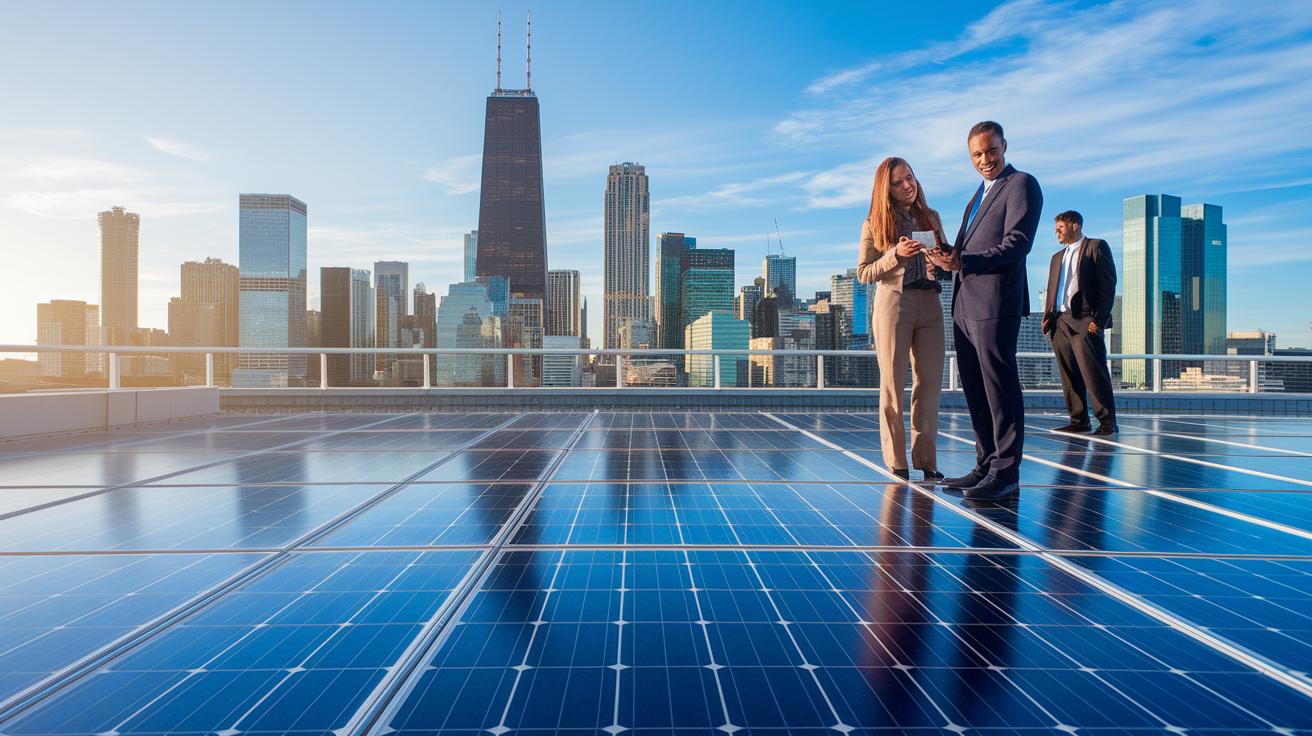
Investing money in projects that help our planet is a big step toward rebalancing our economy. Green economy ideas mix financial tools with smart, eco-friendly projects to cut down on carbon emissions and spark new innovations. For example, global green bonds (loans for projects that benefit the environment) reached $240 billion in 2021, and by the end of 2022, divestment campaigns had shifted $40 trillion in assets. These trends show just how attractive renewable infrastructure is, with annual returns around 7 to 10%. Plus, renewable energy is set to create up to 42 million green jobs by 2050.
Let’s look at some common ways to invest in this green future:
-
Green Bonds: These are special loans that fund environmentally friendly projects like new solar farms or sustainable transportation systems. Their global market has already hit $240 billion.
-
ESG Funds: ESG stands for Environmental, Social, and Governance. These funds invest in companies that are working hard to be cleaner and more responsible, helping push businesses toward better practices.
-
Carbon Markets: In these markets, companies pay a price for their carbon emissions. This system nudges businesses to cut their pollution and upgrade to cleaner technologies.
-
Public-Private Partnerships: These partnerships bring together the strengths of government and private companies to fund large-scale green projects. They help overcome funding hurdles and speed up the building of clean infrastructure.
Every investment, whether from an individual or a big organization, helps drive us toward a cleaner, more resilient future. By choosing to support sustainable projects, we’re making a real difference while building a stronger economy for everyone.
Final Words
In the action, our article covered many paths from energy-saving tips and renewable energy projects to nature fixes, cleaner travel options, smart waste methods, and supportive financial strategies. These approaches prove that every step, whether calling for policy reform or tweaking daily habits, can add up to a healthier planet.
Small personal actions build into a larger impact, showing how to stop climate change through real-life choices. Stay curious, keep learning, and let these insights spark positive change in your community.
FAQ
How to stop climate change reddit
The reddit inquiry about stopping climate change highlights community actions like saving energy, reducing waste, and supporting policies that boost clean energy and sustainable habits.
What are 10 or more ways to reduce or prevent climate change?
The combined question suggests various actions including energy savings at home, switching to renewable sources, adopting plant-based diets, reducing waste, using sustainable transport, and engaging in policy advocacy to lower emissions.
How to stop climate change essay
The essay approach to stopping climate change often explains the urgency of the issue and outlines multifaceted strategies such as efficient energy use, policy reforms, renewable energy, and nature-based solutions.
How to stop climate change as a student
A student can help stop climate change by participating in local advocacy, promoting energy conservation, using sustainable practices on campus, and raising awareness among peers about climate issues.
How to stop climate change at home
The home-based approach involves reducing energy consumption with smart appliances, installing LED lights, recycling regularly, and choosing eco-friendly products to lower personal carbon footprints.
How to stop climate change for kids
Kids can contribute by learning about the environment, recycling, saving energy, planting trees, and sharing everyday habits that help create a greener future.
How can we actually stop climate change?
Stopping climate change in reality means cutting greenhouse gases through clean energy use, effective policy changes, nature-based solutions, and transforming daily habits to reduce our overall carbon footprint.
Why is 2025 the hottest year?
The prediction that 2025 could be the hottest year stems from rapid greenhouse gas buildup and feedback effects, which may lead to record-breaking global temperatures unless significant climate actions are taken.
How hot will Earth be in 2050?
Projections for 2050 suggest the planet could experience much higher temperatures due to continued greenhouse gas emissions, highlighting the critical need for aggressive climate action and sustainable practices.