Could our old healthcare system be headed for a big change? New medical tools are changing how we find and fix problems. Experts in labs and hospitals are combining their know-how to deliver faster and more precise care. New ideas like advanced imaging (special cameras that create clear pictures inside your body) and robotic surgery (using robots to help with operations) are changing how patients are cared for every day. In this article, we take a look at how these breakthroughs are giving hope and making care better for both patients and doctors.
Medical technology breakthroughs Spark Healthcare Change
Medical technology is taking giant leaps, and it's changing the way we think about healthcare. Researchers, doctors, and tech experts have joined forces to bring us 17 exciting new advances that make diagnosing, treating, and monitoring illnesses quicker and more precise. These breakthroughs come from a mix of academic insights, practical feedback, and real-world data.
Some of the key innovations include:
- Advanced diagnostic tools, like eye-tracking systems in radiology that help doctors see details in scans and platforms that use tiny markers (miRNA, small pieces of genetic material) to spot issues early.
- Robotic surgery systems that include smart training arms for precise IV placements and real-time navigation during breast cancer procedures.
- AI-powered methods that use smart computer programs (machine learning) to assess images and evaluate patient mobility, making complex evaluations easier.
- Wearable biosensors, such as seaweed-based sensors (tiny, flexible devices) that constantly monitor vital signs.
- New therapy techniques like using red blood cell elements to deliver drugs exactly where needed and novel antibiotic solutions that target tough bacteria.
These innovations are more than just cool ideas. They’re already speeding up diagnostic routines and clarifying treatment options, making sure that research findings quickly move into everyday medical practice. In turn, this means better precision and faster care, making a real difference for both patients and health professionals.
The impact is clear and inspiring. Advanced diagnostic devices give us faster, more accurate results; robotic systems allow for minimally invasive procedures with enhanced accuracy; AI platforms simplify complex assessments, personalizing treatment plans for conditions ranging from brain health to mental well-being; and continuous wearable monitors (with an expected market size of $38.9 billion by 2026) keep patients involved and safe. These medical breakthroughs are setting the stage for a transformative change in healthcare, one that we can all feel good about.
Diagnostic Advances in Medical Technology Breakthroughs
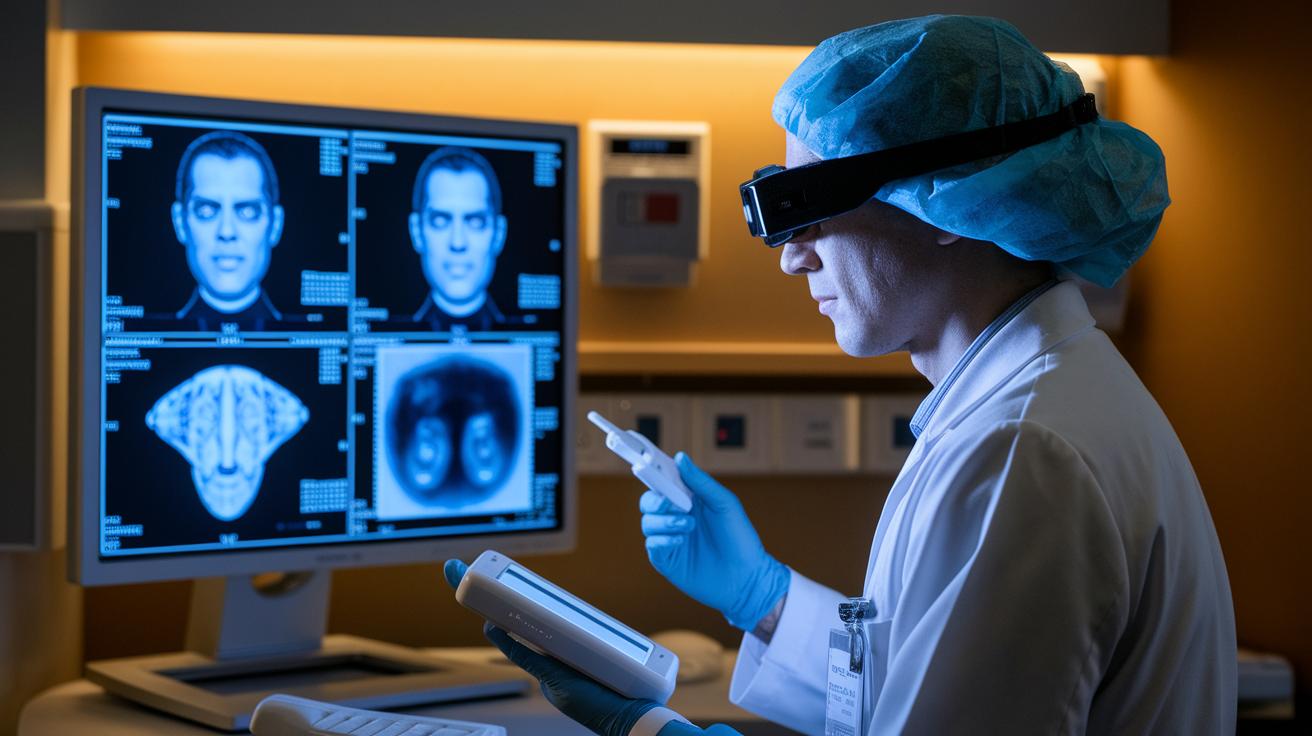
Radiologists now use eye-tracking to see exactly where their eyes land when reviewing images. This helps them catch details they might otherwise miss, even though many hospitals find the cost of adopting this technology pretty steep.
A new test platform uses miRNA (tiny gene regulators) markers without needing any cuts or needles, and early studies show it can help reduce stillbirths in babies who are smaller than expected. Fast lab test kits also deliver results in under 30 minutes, which means doctors can make quick decisions in urgent care. These breakthroughs are changing how everyday medical diagnostics work, blending advanced tools with digital systems.
Portable ultrasound devices are making waves by offering clear, high-resolution images outside of traditional clinics. Their light and compact design means that even remote communities can get a thorough health check without the need for a full-scale hospital visit.
Machine learning, basically smart software that learns from data, is now spotting early signs of brain diseases affecting millions worldwide. AI tools are aiding radiologists by analyzing images and data quickly, which gives doctors a better chance to catch problems early. All in all, these innovative tools are giving healthcare providers faster and more reliable ways to diagnose and treat patients.
Surgical Robotics Innovations in Medical Technology Breakthroughs
Robotic systems and precise tools are making surgery safer and easier. In Toronto, a cool new remote-controlled IV training arm mimics real-life feedback and motion, helping doctors learn faster and more accurately. Tiny robotic tools used in laparoscopy let surgeons work through very small cuts, which can mean quicker recovery. And modern operating rooms now offer near-microscopic imaging that shows real-time details to guide every move. All these breakthroughs are changing how surgeries are done, making them more efficient and safer.
Remote Surgical Training Technologies
Remote Surgical Training Technologies help doctors learn essential skills without being in a crowded classroom. The remote-controlled IV training arm gives immediate, hands-on feel, almost like you’re doing a real procedure. It lets trainees practice putting needles exactly right over and over in a safe, controlled way. In truth, this kind of technology builds real confidence, making sure future surgeons are ready for anything in the operating room.
Advanced Breast Cancer Navigation Systems
Advanced Breast Cancer Navigation Systems mix live imaging with smart robotics to find abnormal tissues more accurately during lumpectomies. This smart combo helps lower the need for extra surgeries by up to 30% while keeping healthy tissue safe. The system provides real-time guidance to make each cut precise. In simple terms, these tools are a game changer for cancer surgeries, helping doctors deliver better care and helping patients recover faster.
AI and Data Analytics in Medical Technology Breakthroughs
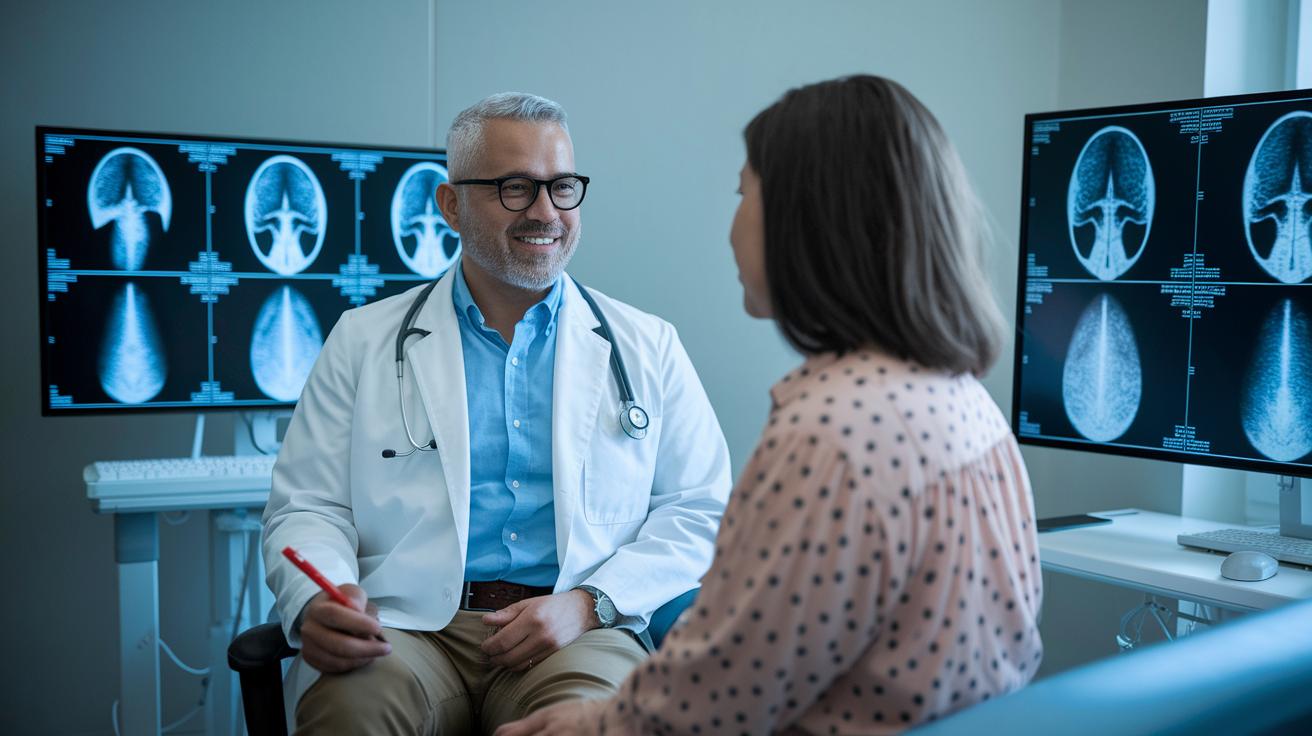
AI is changing how doctors decide on treatments and care for patients. It speeds up the reading of medical images, giving healthcare workers a quicker and clearer look at what's going on.
Machine learning (tech that learns from data) now offers tools that help support mental health in real time, a welcome help that many relied on during COVID-19. AI-powered tools in radiologic assessment improve how images are read, letting doctors spot problems early. Plus, breakthroughs in bioinformatics (the study of biological data) let scientists analyze gut flora (the bacteria in our stomachs) to create treatments made just for you.
Automated mobility tests that use computer vision (smart cameras and software) and LIDAR (tech that measures distances with light) have cut down on mistakes and saved time for clinicians.
AI tools do more than just diagnose. For example, smart orthopedic insoles (special shoe inserts) help diabetes patients by reducing foot problems and lowering the risk of amputation. And as machine learning continues to improve, it uncovers insights that can further boost patient care and treatment plans. All of these advances show how AI and data analytics are making healthcare smarter and more personalized.
Wearable and Implantable Medical Technology Breakthroughs
Nanocomposite seaweed-based sensors that you wear on your body are changing how we keep track of our health. They deliver real-time readings of key vital signs with amazing accuracy. These small devices are part of new wearable technology and are made to work perfectly with our bodies, so monitoring feels natural and easy. Because they offer constant updates, doctors can check your condition in great detail, which means help can come faster when it's really needed.
Wireless trackers for vital signs are now built into everyday clothing. They connect directly to mobile devices so you or your doctor can keep an eye on things from anywhere. With this clever setup, patients get quick alerts and treatment changes without even having to go to a clinic. Health data moves almost instantly between you and the care team, making it simpler to stay in touch about your health. All these improvements make keeping healthy feel modern and accessible.
Experts say the market for wearable health devices could hit $38.9 billion by 2026. Meanwhile, prototype eco-friendly implantable devices are showing promise as they help reduce tissue rejection (when your body fights off a foreign object) and other long-term issues. These breakthrough innovations are not only boosting patient care but also setting a new standard for ongoing health monitoring in our digital age.
Industry-Academia Collaborations for Medical Technology Breakthroughs

Medical technology is now picked using clear numbers like how many companies reach out for introductions, feedback from academic peers, and counts of platform reads, all fine-tuned by how users interact. These simple numbers help both researchers and industry pros find the best ideas and turn them into treatments and devices that really help patients.
One great example is a drug delivery method made from RBC-derived vesicles (tiny bubbles from red blood cells used to deliver medicine). This system helps improve clot-dissolving treatments by getting around problems like tPA’s short active time and risks of bleeding. At the same time, new anti-biofilm agents and fresh types of antibiotics are showing promise in fighting stubborn infections, giving doctors targeted tools to care for patients.
Even with these advances, big challenges still lie ahead in getting these breakthroughs to market. Working together, academic labs and industry experts can tackle tough hurdles like meeting safety rules and scaling up production. In truth, these partnerships are what turn research insights into real treatments that make a genuine difference in everyday patient care.
Final Words
In the action, we explored advanced diagnostic tests, agile robotic surgeries, AI-enhanced clinical tools, and wearable sensors that shape our everyday lives. This exploration also highlighted how strong ties between researchers and industry are building a more connected healthcare world.
Each breakthrough brings us closer to smoother, more personalized care via medical technology breakthroughs. Stay curious and check out our in-depth look at these recent medical breakthroughs (https://buzzyandclever.com?p=1709). Science constantly surprises, and the future feels really bright!
FAQ
What do recent medical advances include?
The recent medical advances include developments in diagnostic devices, surgical robotics, AI-driven tools, and wearable sensors that improve early detection, treatment precision, and continuous health monitoring.
What are some examples of major medical breakthroughs?
Major medical breakthroughs include non-invasive diagnostic tests, smart implants, AI-powered imaging, innovative surgical tools, and advanced data analytics that have enhanced decision-making and patient care.
What is considered the biggest breakthrough in medical history?
The biggest breakthrough in medical history is often seen in the introduction of antibiotics, which transformed infection treatment and paved the way for numerous life-saving innovations.
What breakthroughs are expected by 2030 and beyond?
Breakthroughs expected by 2030 and beyond involve enhanced AI integration, refined robotic surgery, smarter implants, and continuous health monitoring devices that promise faster, safer, and more personalized care.
How has medical technology evolved since the 1900s?
Medical technology has evolved from basic tools to advanced imaging, robotic surgeries, AI diagnostics, and wearable devices that collectively improve patient outcomes and overall healthcare delivery.