Have you ever wondered if your own body could fight off cancer? New developments in immunotherapy are showing us that this is possible. For example, treatments like immune checkpoint inhibitors (drugs that help your immune cells spot cancer) and CAR-T cell therapy (a method that reprograms your T cells, which are special white blood cells, to attack tumors) give your body the power to fight back.
This fresh approach is often gentler and comes with fewer side effects than older methods. With cancer cases rising, especially among younger people, these breakthroughs bring hope to many. Now, science is helping our body's natural warriors do what we once thought was impossible.
Major Advances in Cancer Treatment and Immunotherapy
Cancer treatment is really changing these days. Doctors are now using immunotherapy, which uses your own immune system (the body’s defense network) to fight cancer, instead of relying only on surgery, chemotherapy, or radiation. This new method often means fewer side effects and a lower chance of the cancer returning. With so many new cases each year, including more in younger adults, experts are pushing to find even better solutions.
One breakthrough involves drugs that block proteins like PD-1, PD-L1, and CTLA-4 (these proteins sometimes stop your immune cells from attacking cancer). By blocking these proteins, immune checkpoint inhibitors help T cells (the body’s warriors) get back to work and target cancer cells. Imagine waking up one day and hearing that your own T cells are now spotting and destroying melanoma cells, something that once sounded impossible. This approach has helped many people with cancers such as melanoma, lung, and head and neck cancer live longer and feel better.
Another exciting development is CAR-T cell therapy. In this treatment, a patient’s T cells are genetically modified to better recognize and kill cancer cells. For blood cancers, this method has led to complete remission in over 90% of many pediatric cases and has shown promising results in lymphoma too. There's also oncolytic virus therapy, like T-VEC for melanoma, where a virus is used to directly attack tumor cells while also boosting the immune response.
Other emerging treatments include mRNA-based personalized vaccines and strategies using IL-15 (a helper protein that boosts key immune cells like NK and T cells). Newer methods even combine tiny nanotechnology tools, smart drug delivery systems, and AI-guided biomarker profiling to create tailored treatment plans. All these advances bring hope by offering personalized therapies that lower the chances of cancer returning.
Immune Checkpoint Inhibitors Revolutionizing Cancer Immunotherapy

Checkpoint inhibitors like Nivolumab and Pembrolizumab are showing great promise. Studies in several solid tumors report that 20% to 40% of patients enjoy lasting benefits, and melanoma patients have seen improved survival rates over five years. Think of it as your immune system’s T cells coming alive like a dedicated security team, ready to spot hidden threats.
New research is now testing bispecific antibodies and small-molecule modulators (tiny compounds that adjust how immune proteins work). These treatments may fine-tune your immune response to better fight tumors that don’t react to the usual methods.
Currently, scientists are combining these new approaches with established PD-1, PD-L1, and CTLA-4 inhibitors. This blend of old and new ideas is opening fresh pathways in cancer immunotherapy and may lead to even better treatments.
CAR-T Cell Therapy Innovations in Cancer Treatment
CAR-T cell therapy is a groundbreaking treatment that reprograms a patient’s own T cells into powerful fighters against cancer. In simple terms, doctors take these immune cells and equip them with special receptors (known as chimeric antigen receptors) that can zero in on proteins like CD19 and CD22 found on cancer cells. Imagine turning your own cells into skilled warriors that seek out and attack cancer, it's pretty amazing!
Clinical studies in blood cancers have shown very promising results. For example, over 90% of kids with B-cell acute lymphoblastic leukemia have seen complete responses, and adults with lymphoma report success rates between 50% and 80%. Complete response means there are no more signs of cancer after treatment. It’s inspiring to think about a young patient witnessing such a dramatic turnaround, offering hope to many who are fighting these tough diseases.
When it comes to solid tumors, the challenge is a bit steeper. The environment around these tumors often acts like a barrier, making it tough for the engineered T cells to get in and do their job. But researchers are working hard to beat this obstacle. New approaches are in the pipeline, including CAR-T cells with extra support (like cytokines, which help boost the immune response), strategies that target two antigens at once for better precision, and built-in safety switches to manage any side effects.
These exciting innovations are pushing the boundaries of cell-based immunotherapy, promising even better outcomes for patients in the future.
Oncolytic Virus Therapy Breakthroughs in Cancer Immunotherapy
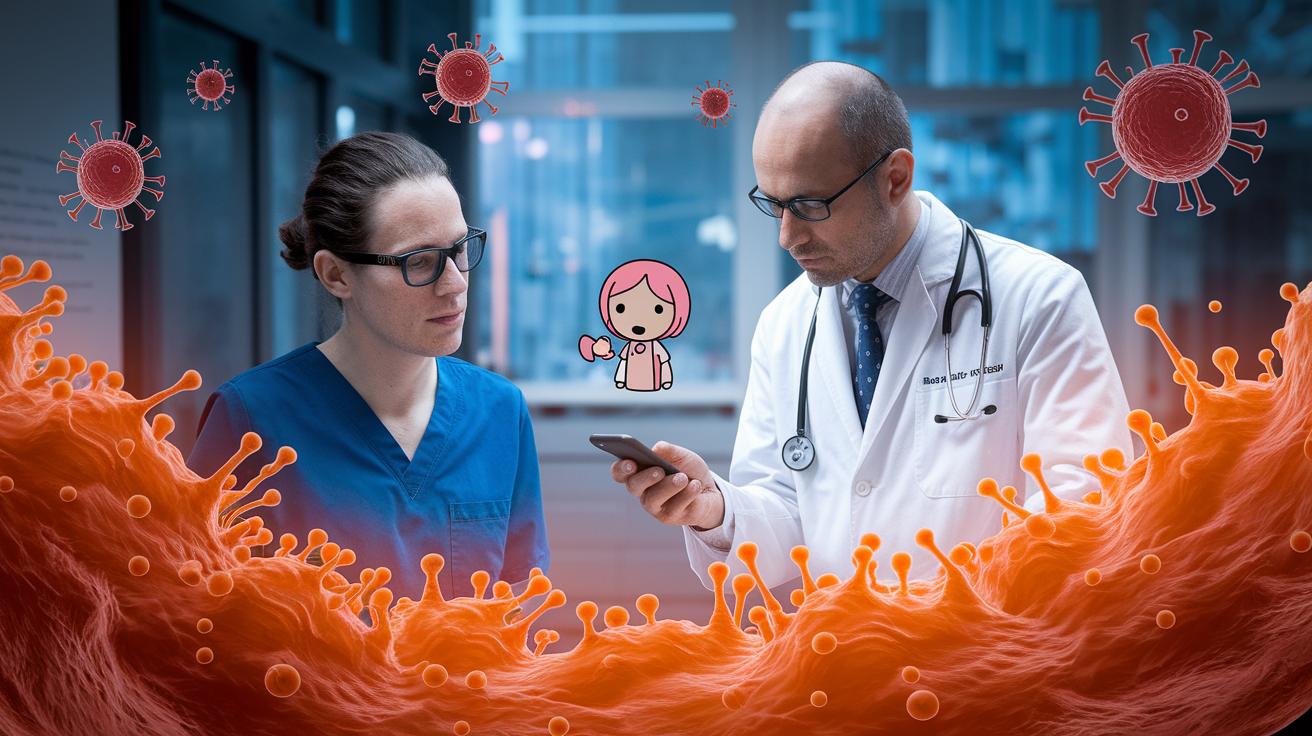
Oncolytic virus therapy is a new way to fight cancer using specially engineered viruses that target cancer cells. One great example is T-VEC (talimogene laherparepvec), which has been approved by the FDA for treating metastatic melanoma. T-VEC works by entering cancer cells and causing them to break down, a process called cell lysis. As it multiplies inside the cancer cell, it creates a chain reaction that not only destroys the tumor cell but also releases little signals (antigens) that help the body’s immune system find and attack other cancer cells. It’s kind of like sending out a secret SOS to rally your internal defenses.
Researchers are also testing combinations of T-VEC with checkpoint inhibitors, a type of medicine that helps the immune system work better. Early results show that these treatments work even better together than on their own. Plus, other engineered viruses such as adenoviruses, reovirus, and vaccinia-based vectors are being studied in Phase II and III clinical trials. These efforts are part of a drive to use oncolytic virus therapies more widely, giving patients new hope for treatments that boost the immune system and improve cancer outcomes.
Personalized Cancer Vaccines and Neoantigen Immunotherapy
Personalized cancer vaccines are changing how we fight cancer. They work by using markers from your own tumor to create a vaccine that trains your immune system. At the heart of this approach are mRNA vaccines designed to target unique mutations on cancer cells, what scientists call neoantigens (specific changes that set cancer cells apart). Early trials in cancers like melanoma, pancreatic, and colorectal have shown these vaccines are safe and effective at getting T cells (your body’s natural defenders) to attack. Think of it as teaching your body to recognize a tiny flag on a cancer cell so your T cells can jump into action.
Another promising method involves dendritic cell vaccines. These vaccines use small pieces of cancer proteins, known as neoepitopes, taken directly from your tumor. They help create a long-lasting immune memory, which means your body can keep recognizing and fighting off cancer cells even long after the treatment. One study even showed that patients maintained a strong immune response for a long time after getting the vaccine.
Scientists are also finding that combining personalized vaccines with checkpoint inhibitors, medications that remove the brakes from your immune system, can make treatments even more powerful. This combination boosts the spread of antigens (the signals that tell your immune system to attack), which can lead to more shrinking of tumors. Innovations in predicting neoantigens and advanced DNA sequencing (a method to read your genetic code) have made it possible to tailor treatments uniquely for each patient. For anyone curious about how these breakthroughs work, take a look at this innovative medical technology update: https://buzzyandclever.com?p=1772.
NK Cell Activation and IL-15 Therapies in Cancer Treatment

NK cells are like our body's natural soldiers that hunt down cancer. But when they enter a tumor, the environment quickly weakens them, in just one day, signals from the tumor's own defenses can stop them from killing. This gives cancer a chance to spread. Recent studies show that IL-15 therapies (a special protein that boosts immune cells) can help bring NK cells back to life along with CD8+ T cells, another group of fighters. In early tests with animals, IL-15 treatments helped these cells multiply and attack cancer better, offering new hope in the fight against cancer.
Early studies using a strong version of IL-15, called a superagonist, have been promising. Researchers saw more NK cells and noticed that they moved into tumors more effectively. Now, scientists are looking into combining IL-15 therapies with checkpoint inhibitors (medicines that lift the brakes off your immune system) to keep up a strong battle against cancer. This strategy aims to keep the immune system active so cancer cells have fewer chances to hide and grow.
Combination Protocols to Enhance Cancer Immunotherapy and Overcome Resistance
Scientists are trying new ways to help the body's own immune system fight cancer. One promising method mixes treatments so they support each other. For example, research shows that using PD-1 and CTLA-4 inhibitors together can raise the chances of beating melanoma. Have you ever been surprised by how one approach can boost another?
In other cases, doctors are combining vaccines, IL-15 (a protein that helps immune cells grow), and oncolytic viruses (viruses that attack cancer cells) with checkpoint therapies. This blended method is like having a multi-tool for cancer, it attacks tumors from many sides, making it harder for the cancer to escape. Researchers have watched more T cells (the body’s attack cells) move into tumors and found that the treatments work together in surprising ways.
Looking ahead, scientists are excited to refine these mixes even more. They hope to stop tumors from resisting treatment and prevent the cancer from spreading further.
| Combination Strategy | Observed Outcome |
|---|---|
| PD-1/CTLA-4 Blockade | Boosts melanoma response rates |
| Vaccine Integration | Increases T cell numbers in tumors |
| IL-15/Oncolytic Viruses | Helps break through resistance in solid tumors |
Precision Cancer Treatment with Biomarkers and Liquid Biopsy Diagnostics

Did you know that a single drop of blood may soon provide the detailed genetic map needed to fight cancer more precisely? Today, cancer treatment is getting smarter and kinder to patients. Doctors now use simple blood tests, known as liquid biopsies, to find tiny markers in the blood that guide treatment decisions. Scientists have discovered that RNA tests (which look at a type of genetic material) can tell the difference between slow-growing tumors and those that are more aggressive. This finding, thanks to DeVaux’s research, helps doctors choose between stronger treatments or simpler care.
Another cool part of this progress is using circulating tumor DNA (ctDNA) and T cell receptor sequencing. Think of ctDNA as small bits of tumor material floating in your blood and T cell receptor sequencing as a way to read messages from your immune system. By analyzing a little blood, doctors can see in almost real time if the treatment is working and adjust plans as needed. It’s like keeping a watchful eye on the tumor’s every move.
In addition, immune-profiling tools look for specific markers like PD-L1 expression (a sign that helps predict if immune therapies will work) and tumor mutational burden (which shows how many changes are in the tumor’s genes). With next-generation sequencing, doctors get a detailed look at the genetic blueprint of each tumor. This information is key to choosing the right targeted treatments and even helps more patients join personalized immunotherapy trials.
Emerging Nanomedicine, CRISPR, and Radiopharmaceuticals in Cancer Immunotherapy
Nanoparticles act like tiny delivery trucks that carry checkpoint inhibitors and important cytokines (proteins that help control immune responses) straight to the tumor. This smart delivery method makes the treatment work better and reduces side effects. Imagine a miniature carrier gently cruising through your body and releasing its medicine exactly where it's needed.
CRISPR-edited T cells are also making waves in treatment. These cells are carefully modified to survive longer and hit cancer more accurately, almost like a guided missile. They’re now entering early trials, and early signs show they work well with fewer side effects.
Radiopharmaceuticals open up another exciting path in cancer care. They link antibodies to alpha or beta emitters (types of radiation) so doctors can target tumors very precisely. Plus, they can also kickstart the immune system. New techniques even combine these with inhibitors that fine-tune signals in cell communication pathways (like the JAK/STAT pathway). This mix of precise delivery and smart targeting is paving the way for more personal and effective cancer treatments.
Future Perspectives on Cancer Treatment and Immuno-Oncology Trials
Looking ahead, scientists are exploring ways to stop cancer before it has a chance to start. Experts predict that by 2026, doctors will have tools that act like a health weather forecast, helping them predict when a tumor might begin.
Engineered cell therapies are being created to fight even the toughest tumors, while vaccine platforms are being improved to target a broader range of cancer markers (specific substances that help the immune system recognize threats). And yes, AI (artificial intelligence, which is smart computer software) is stepping in to speed up drug design, match patients with the right clinical trials, and sharpen imaging analysis, all while working to keep healthcare fair.
Community-focused trials and integrating regular metabolic health checks are setting the stage for better follow-up care after treatment. Together, these advances aim to lessen differences in care and give everyone the best shot at a longer, healthier life.
Final Words
In the action, the article covered how modern cancer treatments are evolving. It walked through immunotherapy with checkpoint inhibitors and CAR-T cells, oncolytic virus therapies, and personalized vaccine strategies. These advances offer fresh ways to tackle cancer while addressing treatment challenges.
We also looked at emerging approaches like precision diagnostics, nanomedicine, and CRISPR. These medical breakthroughs in cancer treatment and immunotherapy are setting the stage for better patient care and ongoing scientific progress. The future looks bright, and every step forward inspires hope.
FAQ
What does the latest cancer cure news in 2025 show?
The latest cancer cure news in 2025 shows major strides in immunotherapy and combination treatments. Research focuses on using the body’s own defenses to fight tumors and reduce the chance of cancer coming back.
How do new cancer treatment breakthroughs in 2025 impact patient care?
New cancer treatment breakthroughs in 2025 improve patient care by applying targeted immunotherapies that reengage the immune system. These approaches aim to improve survival rates and reduce side effects compared to older treatments.
What is unique about new cancer treatment immunotherapy methods?
New cancer treatment immunotherapy methods work by reactivating immune cells to recognize and attack cancer. This strategy boosts natural defenses and can be paired with other therapies for stronger, sustained responses.
What new cancer treatment options can we expect in 2026?
New cancer treatment options in 2026 focus on precision medicine and AI-guided strategies. They aim to improve early detection and personalize therapy plans, offering better control of tumor growth and patient outcomes.
How do new cancer treatments for lung cancer work?
New cancer treatments for lung cancer employ targeted immunotherapy and combination protocols. They use precise delivery systems to help the body’s immune system better identify and attack lung tumors, leading to improved treatment responses.
What benefits do new immunotherapy drugs offer cancer patients?
New immunotherapy drugs offer cancer patients expanded treatment options by using techniques like immune checkpoint inhibitors and personalized vaccines. These drugs help boost the body’s natural ability to fight cancer, improving treatment response rates.