Ever wondered if science might solve our biggest challenges? Biotech is making big strides that feel almost magical. Researchers are using CRISPR gene editing (a way to change genes) and tiny lipid nanoparticles (small particles that help deliver medicine) to create treatments that seem custom-made.
They’re also coming up with fresh ideas to grow more food and produce cleaner fuels. This mix of straightforward creativity and bold experiments is exciting people everywhere. In short, these breakthroughs in biotechnology could soon improve our health, food supply, and the environment.
Major Breakthroughs in Biotechnology Transforming Science Today
Biotech research in 2024 is making amazing strides that change how we see and use new life science ideas. Researchers are using CRISPR gene editing (a tool to change genes) to help treat disorders like sickle cell anemia. These new techniques are sharper than ever, opening the door to medicines made just for you. Think about Marie Curie, before she was famous, she once carried test tubes filled with radioactive stuff in her pockets, not knowing the danger. It’s a wild reminder that brave experiments can lead to big discoveries.
AI is also lending a hand by making it faster and easier to find gene changes that cause diseases. This means doctors can give care that fits each person better. Scientists are also working on new materials like eco-friendly scaffolds and hydrogels (jelly-like substances) to help grow new tissues. And when it comes to farming, smart techniques are being used to grow food even when the weather is tough. Meanwhile, industry is moving forward with biodegradable plastics and clean biofuel to help us use less oil.
It’s a really exciting time for science. These breakthroughs not only give hope for better treatments but also touch many parts of our lives, from medicine to food production. Experts from different fields are teaming up to push these ideas even further. Emerging trends for next year look bright; check out science breakthroughs 2025 for more on what’s coming. With research turning into real solutions, we’re building a future where smart science and teamwork make our world a better place.
Gene Editing Breakthroughs Driving Biotechnology Innovation
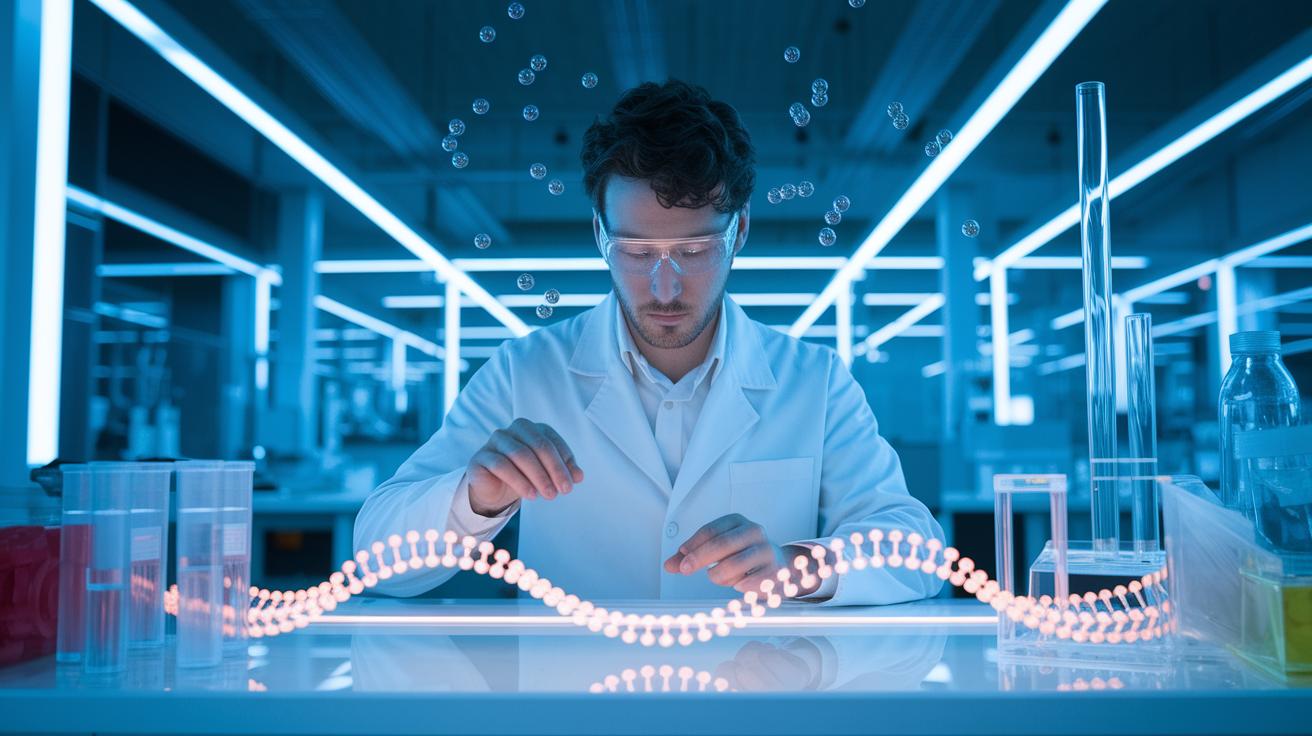
CRISPR-Cas9 is getting a major upgrade. Scientists can now fix DNA mistakes more safely and precisely. They’re using little fat carriers called lipid nanoparticles (tiny fat-based particles) to deliver gene editing tools straight into cells. This new way cuts down risks when fixing DNA issues and makes treatments for genetic conditions much more on-target. It’s pretty exciting to see how these refined techniques are not only meeting urgent clinical needs but also opening fresh pathways for personalized therapies.
Key gene editing milestones include:
- Improved CRISPR accuracy thanks to modified Cas proteins
- Lipid nanoparticle carriers for delivering tools inside living cells
- New base and prime editing techniques that tweak a single DNA letter
- Better viral vector designs that help avoid triggering the immune system
Each breakthrough brings us one step closer to treatments that fit the unique genetic makeup of every person. The ongoing improvements in editing tools and delivery methods highlight a true commitment to making therapies more personal and effective. Big industry players like Thermo Fisher Scientific and Merck KGaA/MilliporeSigma are also in the mix. Their inventive strategies make the research process smoother, helping these advanced gene editing tools move from the laboratory right into real-world treatments safely and faster.
Advances in Regenerative Medicine and Tissue Engineering in Biotechnology
Regenerative medicine is buzzing with exciting new ways to repair and rebuild our tissues using innovative materials. Scientists are now working with biocompatible scaffolds and hydrogels (jelly-like substances that help cells grow safely) to support cell repair. It’s like giving cells a comfy framework to jumpstart the healing process, imagine arranging a puzzle where every piece naturally finds its place.
Around 700 U.S. companies are diving into cell-based therapies. These teams are expanding stem cell banks (collections of cells that can become many different types of tissue) to tackle various conditions. In truth, they're setting up a vast network of resources to back new treatments for injuries and illnesses. One especially cool method uses decellularized extracellular matrices. In simple terms, this process strips tissues of their cells, leaving behind a natural scaffold that encourages the body to heal itself, like providing a blueprint for new tissue to form.
| Biomaterial Scaffold | Primary Application |
|---|---|
| Collagen Scaffold | Soft Tissue Regeneration |
| Alginate Hydrogel | Cell Embedding |
| Decellularized Matrix | Organ Repair |
These breakthroughs are opening doors to treatments that can mend or even replace damaged tissues. It’s a hopeful step forward for many people looking for new ways to heal, and it really makes you appreciate the gentle hum of scientific progress.
Cutting-Edge Diagnostic and Therapeutic Technologies in Biotechnology
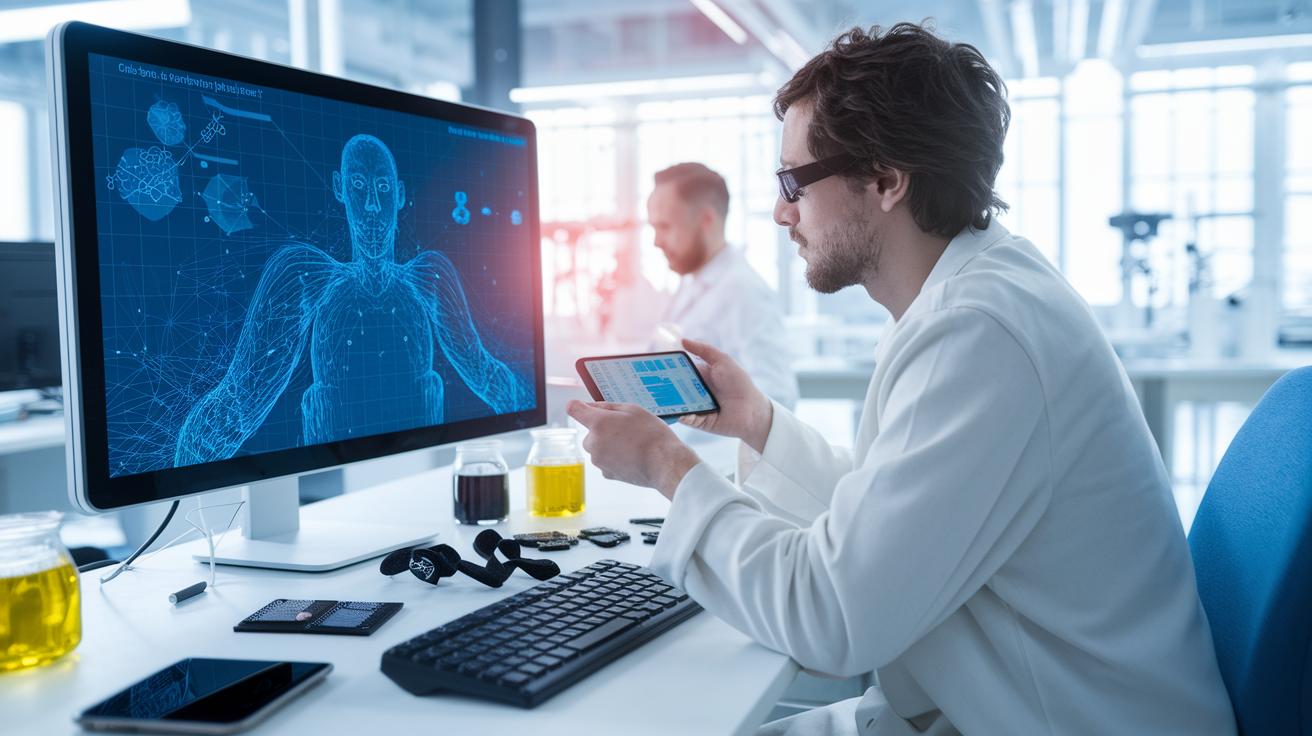
Scientists now use smart computer tools to scan our genes for disease clues. These AI-powered programs dig through our DNA quickly and accurately. For example, DeepVariant uses clever algorithms (step-by-step math rules) to look at genetic code details. This new method helps researchers build toolkits that give doctors fast and clear data, making treatment decisions easier.
Lab-on-chip devices and wearable biosensors are also changing how we keep an eye on our health. These small, integrated tools measure important health signals like heart rate or blood chemistry outside of traditional labs. Digital assays mix sensitive sensors with easy-to-read data so that key biological signals are caught as they happen. Imagine a tiny sensor that spots a small change in your heart rate before things get serious, it makes personalized care feel much closer and more immediate.
At the same time, fresh treatment ideas are coming into play. Self-amplifying RNA platforms build on the success of mRNA vaccines, expanding the use of RNA (the molecule that helps carry genetic messages) in treatments. In addition, targeted nanoparticle delivery systems (tiny particles that carry medicine to the right spot) are making gene and drug therapies safer and more effective. Together, these breakthroughs speed up the journey from diagnosis to treatment and offer a more personalized path to manage health issues.
Synthetic Biology and Microbial Engineering Breakthroughs in Biotechnology
New research in synthetic biology and microbial engineering is changing how we treat diseases and run industries. Scientists are now designing living therapies to help with conditions like inflammatory bowel disease and depression. Imagine tiny, engineered microbes quietly moving through your gut to bring balance back to your system, it’s pretty amazing. Studies even show that these microbes can help adjust your immune system and lower inflammation, offering treatments that work with your body, not against it.
Researchers are also getting creative by using nature-based materials instead of traditional petrochemicals. In many labs, they're developing things like biodegradable plastics and renewable biofuels (fuels made from plants that can be renewed) that are friendlier to the environment. Picture a production line where enzymes (special proteins that speed up reactions) from engineered microbes break down raw materials into eco-friendly products. This approach is a real-world example of how science is fueling a green revolution.
The breakthroughs continue in industrial biotechnology, where advances in enzyme production and engineered biomaterials are changing how we make everyday items. These systems show us that nature can inspire smarter, cleaner industrial processes. Each new discovery in synthetic biology brings excitement to both scientists and industry leaders, proving that mixing natural processes with human innovation can truly change the game.
Computational Bioanalysis and High-Throughput Methods Fueling Biotechnology Progress
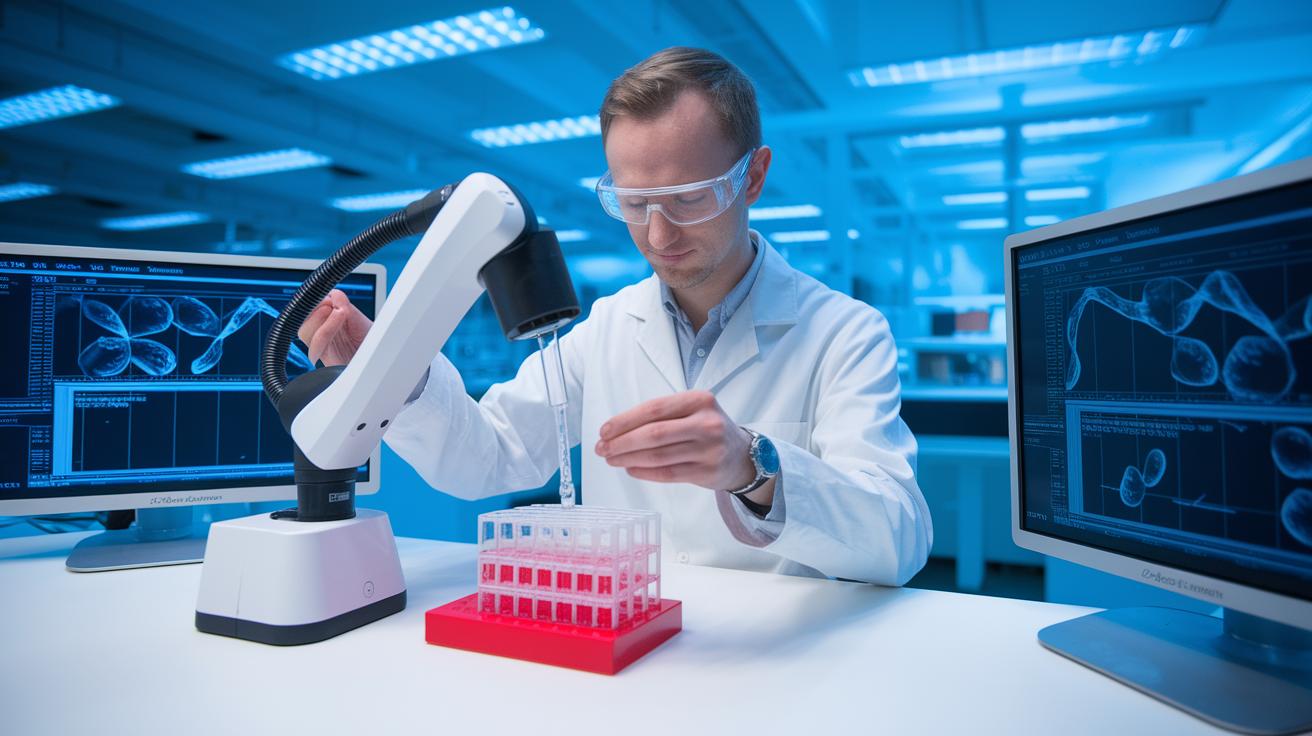
Smart robots and liquid-handling machines, powered by AI, are changing the way drugs are discovered. They test thousands of chemicals at once, which speeds up experiments and cuts down on manual work, saving both time and money.
Scientists now rely on computer tools to sort through huge piles of gene and protein data (proteins are the building blocks in our bodies). By working with related platforms, they can map small changes in our genes and see how proteins interact. Plus, automated systems handle repetitive tasks with pinpoint accuracy, so even tiny details don't get missed.
Microfluidic sensors, which work with very small samples in real time, let researchers watch changes as they happen. This careful monitoring keeps experiments under tight control. When all these technologies work together, they create a fast, cost-effective lab that can handle complex studies and find important breakthroughs.
Ethical, Regulatory, and Collaborative Frameworks in Biotech Breakthroughs
When scientists explore ways to change genetic material, they often spark big conversations about what is right and safe. These discussions make sure that every experiment is handled carefully so that neither people nor nature gets hurt. Researchers stick to strict safety checks and clear rules to keep everything under control.
One important tool in this process is the GEd Animal Database. Think of it as a detailed recordbook for animals whose genes have been changed (genes are bits of information that decide how living things work). Similarly, the GM Approval Database keeps track of official permissions, making sure that every study meets the latest safety rules. These resources help everyone stay informed about new developments and ongoing safety measures in biotechnology.
Scientists work together across many labs and institutions to share ideas and improve safety practices. This collaboration not only strengthens research but also ensures that breakthroughs are made with care and respect for ethical concerns. In truth, joining forces both at home and around the world shows that we can enjoy amazing scientific progress while keeping ethics at the heart of our work.
Final Words
In the action, the blog post explored some game-changing biotech moments. It highlighted key moments in gene editing, regenerative medicine, and cutting-edge diagnostic tools. We also touched on synthetic biology and innovative computational methods that speed up research. The article even reviewed ethical guidelines and industry collaborations shaping safe science practices.
These science breakthroughs in biotechnology help us see how every step forward can brighten our future. Hope this inspires thoughtful discussions and motivates everyone to keep exploring science.
FAQ
What are some recent breakthroughs in biotechnology?
The recent breakthroughs in biotechnology include clinical CRISPR treatments, novel biomaterials, sustainable biofuels, and AI-powered diagnostic tools. They contribute to advances in gene editing and tissue engineering.
What are the top scientific discoveries and popular breakthroughs?
The top discoveries in biotechnology involve improved CRISPR precision, biodegradable plastics, and cell-based therapies. These milestones are driving fresh medical and industrial solutions.
What is the next big thing in biotechnology?
The next big thing in biotech is enhanced gene editing, particularly safer CRISPR delivery systems, along with sustainable industrial methods that change biofuel and biodegradable material production.
What are the current hot topics in biotechnology?
The current hot topics in biotechnology cover advanced diagnostic methods, microbial engineering advances, regenerative medicine, and synthetic biology efforts focused on creating new therapeutics and eco-friendly materials.
Where can I find accessible biotechnology news and resources?
Biotechnology news magazines and student-friendly articles offer clear breakdowns of breakthroughs and trends, providing accessible insights on gene editing, tissue engineering, and computational bioanalysis.