
Have you ever thought about mixing what you learn in class with real, hands-on experiences? Aerospace engineering internships let you try out ideas in actual labs, work alongside top engineers, and pick up the skills you need in a fast-moving world. These chances blend exciting research with projects that help you grow both in school and in your career. If you’re ready to move beyond textbooks and jump into creative, career-building work, these internships could be just the ticket to help you start your journey to success.
Overview of Aerospace Engineering Internship Opportunities
Aerospace engineering internships open the door to many different experiences that can match almost any interest or academic path. For example, the SURE program gives students a full-time, 10–12 week on-campus research internship with a faculty mentor. Students earn a stipend, join engaging seminars, and even compile their work into a neat abstract booklet. Then there are co-op programs that blend classroom learning with hands-on work, letting you build skills and confidence by applying what you've learned in real situations. Summer corporate internships offer paid positions along with important educational insights, and many of these can eventually lead to full-time jobs. Each option lets you tailor your experience to your career goals, like that student who said, "Working in a lab one summer really opened my eyes to how theory meets practice."
Student team projects and directed-study projects add another exciting layer to these opportunities. In team projects, you get to experience the full cycle of designing, building, and testing, often earning academic credit recognized through programs like MDP Credit. Directed-study projects (such as AEROSP 290, 390, or 490 courses) let you earn credits based on how much work you put in, and they end with a detailed written report under the guidance of a faculty mentor. These hands-on projects not only boost your academic record but also help you develop soft skills like teamwork, problem solving, and time management, all crucial in the world of aerospace.
Jumping into these internships is a fantastic way to build both your academic credentials and your network of professionals. They give you a front-row seat to innovative research techniques and mission-critical operations, whether on Earth or beyond. Working alongside leading scientists and engineers not only polishes your resume but also sparks creative problem-solving, paving the way for exciting, long-term career opportunities in aerospace engineering.
Eligibility Requirements for Aerospace Engineering Internships

For undergrads who want to join the SURE program, you need to be studying engineering and work with a faculty mentor during your research internship. In co-op programs, for example, students must keep a good academic record and a high enough GPA to balance classes with paid work. Imagine a student saying, "Balancing tough classes with real work got me ready for the challenges out there." These requirements help make sure that every intern is ready to turn classroom ideas into real-world skills.
Project-based opportunities have their own set of rules too. Student teams must plan carefully with both faculty advisors and team leaders to earn MDP Credit. For directed-study projects found in courses like AEROSP 290, 390, or 490, students must register, carry out supervised research, and complete a detailed written report. These projects are all about doing careful research and communicating well, two essential skills for turning academic ideas into concrete achievements.
Many corporate internships have extra criteria, too. They might require you to keep a minimum GPA (often about 3.0) and be pursuing a related major. Some roles even need you to meet citizenship or security rules, like being a U.S. citizen or getting a security clearance. This way, companies know that the interns bring both strong technical skills and the right professional eligibility to work on important projects.
Internship Formats and Leading Aerospace Internship Providers
Industry leaders like The Aerospace Corporation really stand out by offering cool extras such as guided virtual tours and hands-on technical workshops in specialized areas like CSPS and SSI (specialized units that focus on unique aerospace challenges). They offer a variety of opportunities that range from faculty-assisted research and project work that earns academic credit to summer internships with companies that could even lead to full-time jobs.
| Format | Duration | Compensation/Credit | Key Requirement |
|---|---|---|---|
| SURE program | 10–12 weeks | Stipend | Faculty-mentored research |
| Co-op program | Varies (tied to academic terms) | Paid work experience | Active enrollment and a strong GPA |
| Summer corporate internships | Summer session | Monetary benefits and educational insights | Potential for full-time roles |
| Student team projects | Academic semester or summer | Academic credit (MDP Credit) | Collaboration with faculty advisors and team leads |
| Directed-study | Course duration (1–3 credits) | Academic credit | Faculty supervision and a written report |
These unique, provider-specific initiatives show how these programs go beyond standard academic learning by incorporating interactive sessions and focused recruitment events. In truth, they merge theoretical knowledge with practical, career-building experiences that spark excitement and real growth opportunities.
Application Process and Key Deadlines for Summer Aerospace Engineering Internships

Start by gathering all the key documents you need. Many aerospace programs, like those at The Aerospace Corporation, require you to upload transcripts, a statement of interest, and recommendation letters online. You can also join virtual tours or technical workshops to learn more about each program. One student shared, "I got my documents ready and then joined a workshop to ask questions," showing that getting involved makes the process more engaging.
Remember that deadlines differ from one program to another. For example, the SURE program begins accepting applications in December and asks for a thoughtful research proposal along with a faculty endorsement. Co-op programs usually follow your school’s schedule and need your application about one semester before you start working. Corporate summer internships typically invite applications between October and February, but the dates can change depending on the company. Many students say, "I marked my calendar for each deadline to keep up with all the requirements," which highlights why tracking every date is important.
It’s a good idea to note all the important dates and start preparing early. Use a checklist or calendar to keep track of when to submit your transcripts, proposals, or recommendation letters. Once everything is ready, spend some time reviewing your work and asking a mentor for advice. Regularly checking program websites and talking with academic advisors will keep you updated on any changes. This proactive approach makes it easier to meet deadlines with confidence.
Aerospace Internship Resume Tips and Interview Preparation
When you’re putting together your resume for aerospace internships, making it your own is really important. Show off your hands-on projects, whether they’re team assignments or special studies, along with any cool programs you’ve been a part of like SURE and co-op work. This tells employers you’re ready for both tough technical challenges and real-world problems.
Here are some tips to consider:
- List coursework that directly helps with aerospace issues.
- Use numbers to show how your projects made a difference.
- Do some research on the organization so you know what they’re all about.
- Get ready with technical questions, for example about orbital debris (space junk) or payload architecture (how things are organized on a spacecraft).
- Practice answering behavior-based questions so you can share stories about teamwork and leadership.
- Make sure to mention any hands-on projects or research you’ve done to highlight your skills.
- Review common aerospace terms so you can speak confidently about both the tech and the big picture.
Doing some mock interviews can really boost your confidence. Try recording yourself while answering questions so you can figure out what to improve. Also, do a bit of homework on each company, so you can adjust your answers to suit their projects and culture. This careful preparation not only improves your interview performance but also lays a solid foundation for a great aerospace career.
Developing Technical Competencies and Project Experience in Aerospace Internships
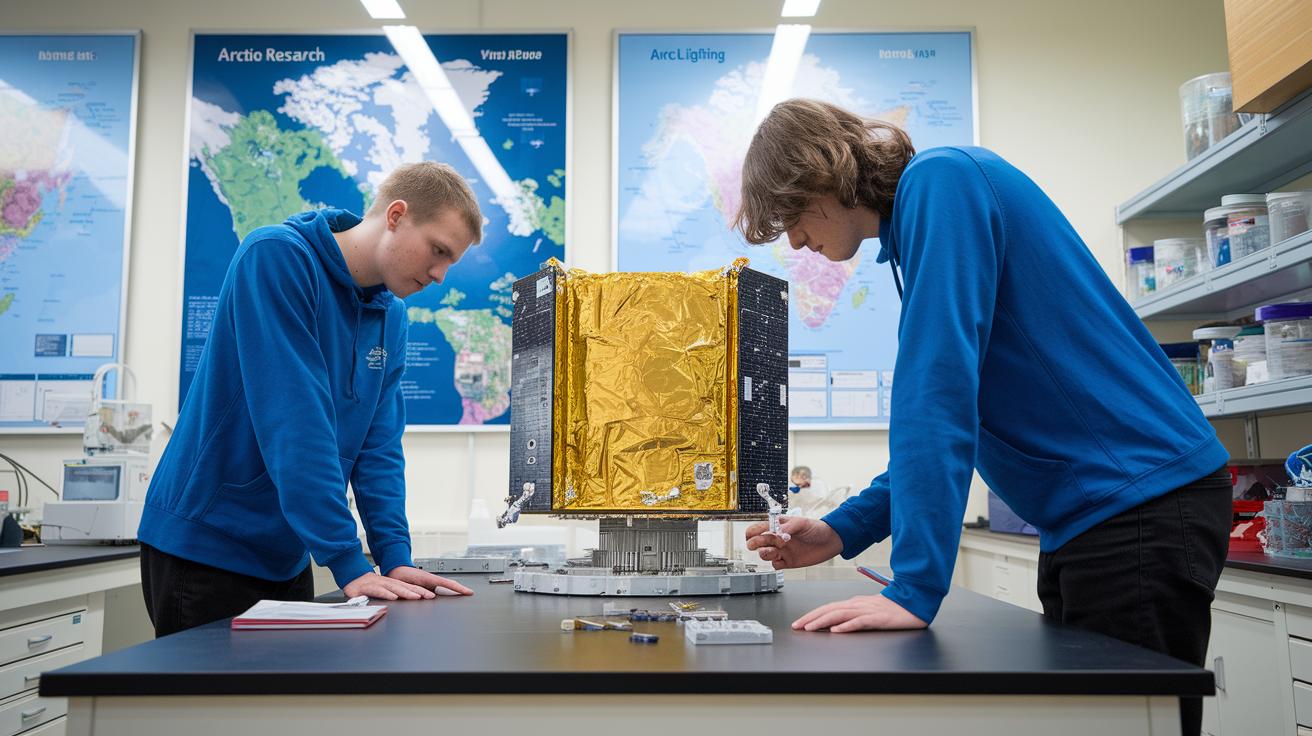
Interns get involved in research projects that mirror real missions. For example, some work on supporting space exploration in the Arctic, while others search for signs of life on Jupiter’s moon (looking for traces of living organisms). There’s also work on designing spacecraft components and studying space debris (which is basically space junk). And here’s a surprising tidbit: before she became world-famous, Marie Curie used to carry test tubes of radioactive material in her pockets! It’s amazing to think about how far we’ve come.
These hands-on experiences help interns build their technical skills every day. They dive into projects from the very beginning, idea creation, building prototypes, and rigorous testing. Plus, they learn to write clear reports that explain every step of the process. This mix of creative problem-solving and detailed documentation really prepares them for real-world challenges.
Career Benefits and Long-Term Advantages of Aerospace Engineering Internships
Aerospace internships boost your skills by adding real-world research projects and published abstracts to your resume. They help you meet mentors and experts who might even offer a job on the spot. One student said, "My summer internship not only strengthened my skills but also brought an expected job offer."
These programs let you take what you learn in class and use it on exciting projects. Working on team assignments and directed studies also earns you academic credit that makes your transcript truly stand out.
Each hands-on project helps you build strong technical skills in areas like payload architecture and orbital debris analysis (studies on space trash). With internships often leading to full-time roles, you gain both immediate know-how and lasting recognition, all thanks to practical, real-life challenges.
Final Words
In the action of exploring various learning paths, we examined research projects, co-op programs, and corporate roles, all of which shed light on the many choices available in aerospace engineering internships.
The discussion touched on meeting program requirements, crafting standout resumes, and gaining vital hands-on experience. These internships offer a real-world taste of the field, sparking curiosity and boosting skills while paving the way for a promising career. Enjoy the adventure of applying what you learn every day!