
Have you ever dreamed of slipping into your very own mini spaceship? Space suits are so much more than ordinary clothes. They’re smart outfits filled with high-tech features that protect astronauts from the empty, harsh space and wild temperature swings.
Imagine a personal bubble that lets you explore safely. These suits combine strong, advanced materials with clever design so astronauts can move easily while staying safe. Today’s space suits show that even the smallest layers can provide big protection and the freedom to explore the vast unknown.
Space Suit Fundamentals: Overview of Design and Technology
A space suit is like a tiny spaceship you wear. It creates a small, sealed world so astronauts can work safely away from Earth. Inside, there’s a pressurized chamber and a portable life support system that gives oxygen, keeps your body at the right temperature, and controls the pressure. Think of it as your personal bubble in space, you’re exploring the unknown with a little mini spaceship around you.
The suit has three main layers. The innermost layer is like a flexible bag that holds pure oxygen at 29.7 kPa (that’s a measure of force). Next comes a strong layer that shapes the suit and holds it together. The outermost layer stops heat from escaping and blocks tiny, fast-moving space particles. Even though all these layers together are less than one-tenth of an inch thick, high-tech materials make them work perfectly.
Designing the suit is all about finding the right mix between protection and freedom of movement. Every part is built so astronauts can move their arms, legs, and fingers easily. The structure is tough enough to shield them from the harsh vacuum, extreme temperatures, and speeding particles, yet flexible for delicate tasks. It’s like having a well-tuned machine that both protects you and moves with you, a true marvel of modern technology.
Historical Evolution of Astronaut Attire: From Mercury to Apollo
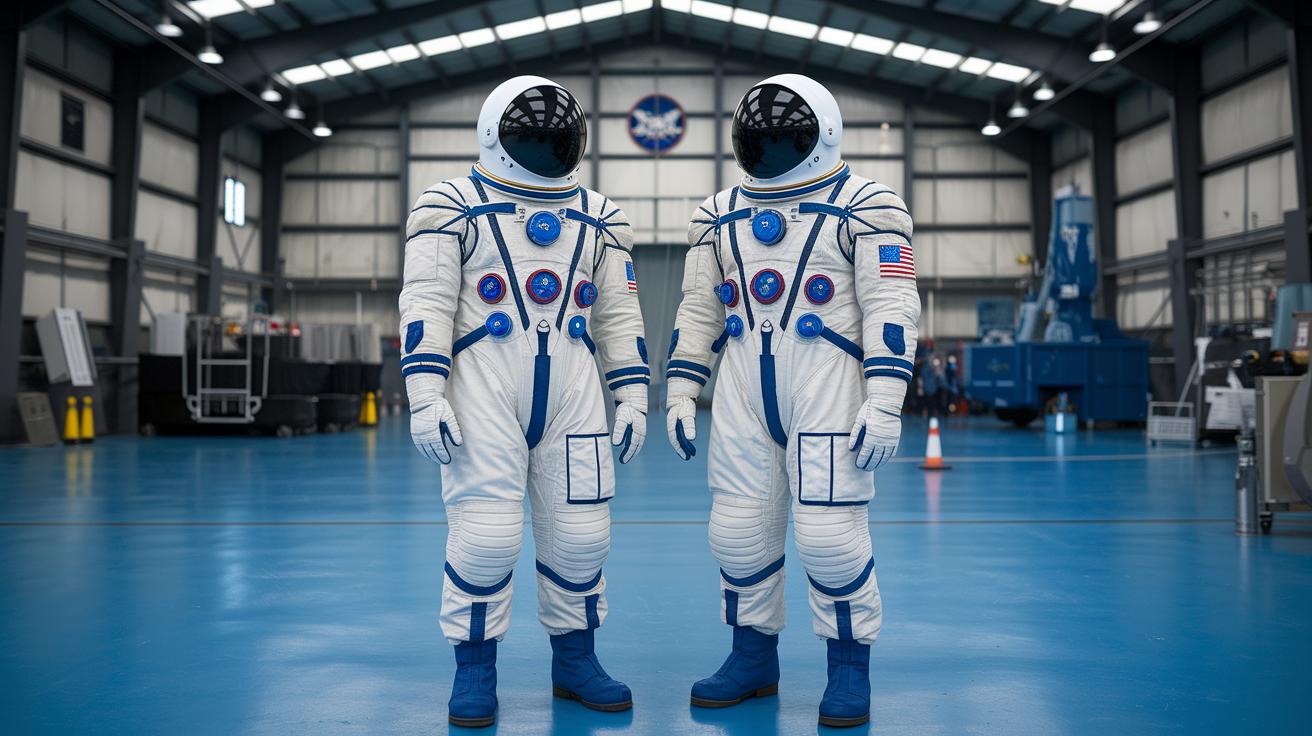
Yuri Gagarin’s 1961 training suit and Alan Shepard’s Mercury suborbital suit were the first big steps in human space travel. Gagarin’s suit had simple layers to guard against pressure changes and keep him warm during high-altitude parachute drops, while Shepard’s suit focused on stopping cabin depressurization on short launches. They might seem basic, but they provided the essential life support needed for those early flights.
During the Gemini program, astronauts faced even tougher challenges during spacewalks. Their suits struggled against the demands of prolonged activity, often making them overheat and feel drained. It was clear that the original designs needed a serious update.
Designers then started tweaking high-altitude flight suits. These new ideas were creative, but sometimes they still restricted movement. Over time, the Gemini spacewalk suits got much better at cooling and allowed more freedom of movement. This progress set the stage for the dramatic changes seen in the Apollo missions.
| Era/Suit | Year | Key Feature |
|---|---|---|
| Mercury (Gagarin training suit) | 1961 | Pressure and thermal layers for parachute drops |
| Mercury (Shepard suborbital suit) | 1961 | Capsule depressurization protection |
| Gemini EVA suits | 1965 | Improved cooling and flexibility |
| Apollo A7LB | 1968 | Flexible joints for lunar mobility |
The Gemini missions taught engineers some really important lessons. They learned to balance the need for protection with the desire for freedom of movement. This hard work led to the Apollo A7LB suit, which featured soft, flexible joints that let astronauts move easily on the Moon. In short, the improvements made during Gemini opened the door to suits that offered both safety and comfort on the lunar surface.
Modern Extravehicular Design and NASA Garment Technology
The U.S. Extravehicular Mobility Unit (EMU) is like a wearable spaceship for astronauts. It helps them do spacewalks safely by taking care of things like keeping the pressure right and controlling the temperature. This suit is built tough to handle the extreme conditions of space while keeping its wearer safe.
- About 18,000 separate pieces
- A three-part visor system that adjusts to changing light
- A protective shell made of fourteen layers
- Shields astronauts from micrometeoroids traveling up to 17,000 mph
- Built-in systems to manage pressure
- A portable setup for oxygen and cooling water
- Systems that clean carbon dioxide and block radiation
At the center of the suit is the helmet. It features a three-visor design that works a bit like switching sunglasses on a sunny day. This cool design not only helps astronauts see better but also keeps out stray debris and the harsh glare of the sun. The suit also has a liquid cooling garment that runs cool water around the body. This keeps the astronaut comfortable, even when the space environment goes from very hot to super cold.
New advances in material science have played a big part in making the EMU great for long space missions. Modern fabrics and membranes work together to create a shell that is both protective and flexible. This design lets astronauts move easily in weightlessness while still being shielded. It’s a smart balance between being light on the body and strong enough to support detailed work outside the spacecraft.
Space Suit Shines with Advanced Tech
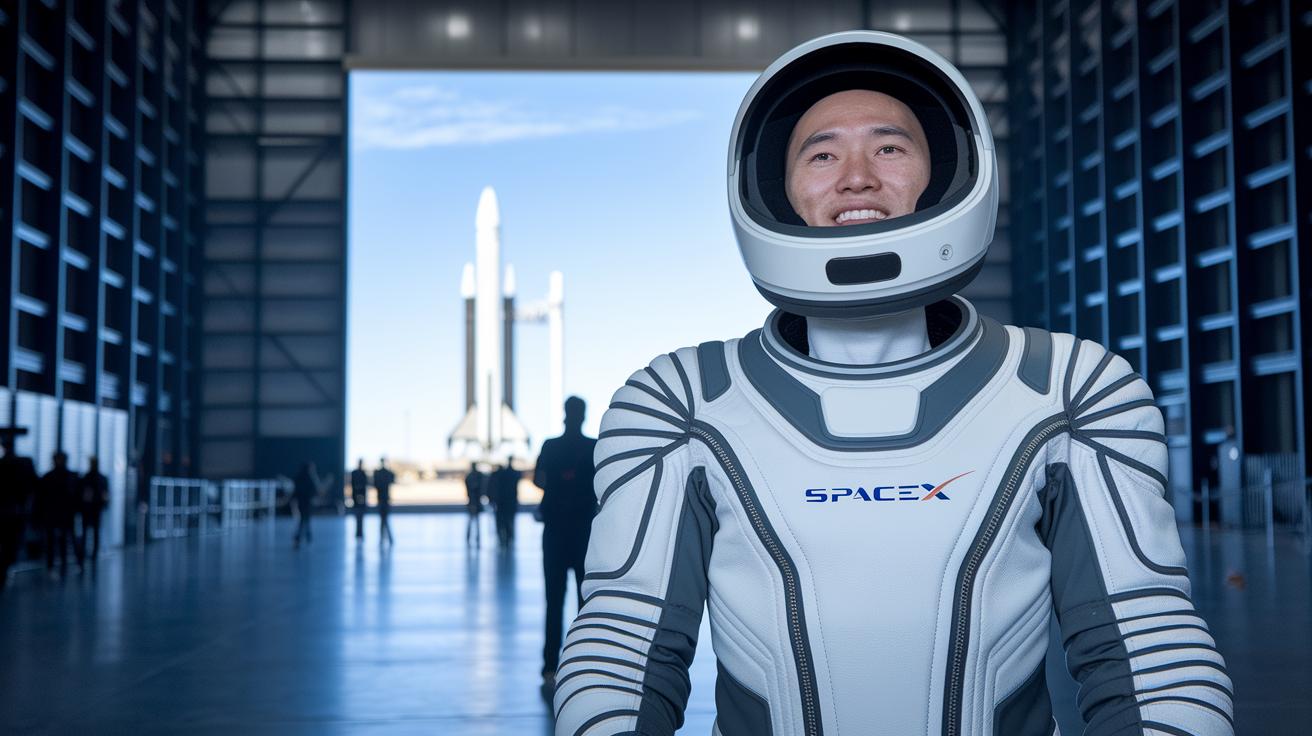
SpaceX first introduced their launch and entry suits in 2016, drawing ideas from cool movie costumes. The suit has a smooth look and is built like your favorite jacket that fits just right. It uses a custom pressure garment (a special fabric that keeps the pressure constant) and a simple helmet that helps control the suit. It works perfectly with the Crew Dragon systems, making sure everything from life support to cockpit controls works together like a well-oiled machine.
Unlike NASA’s EMU, which is made for spacewalks, SpaceX’s suit is all about moving from the ground to orbit. It’s designed to be comfortable and smart, with gloves you can control by touch, just like using your smartphone. The helmet lets you talk directly with the spacecraft systems, making the whole experience feel smooth and responsive.
Engineering and Materials Advancements in Orbital Wear
Space suits use special fabrics and membranes (thin layers of material) to create a sealed space that holds oxygen. The suit’s inner layer is like an airtight balloon, while the outer layer helps the suit keep its shape and strength. Together, these parts make a flexible yet secure system that protects astronauts in space’s tough conditions.
Temperature control is super important in space. Designers use layered insulation with materials like Mylar (a shiny, heat-reflecting plastic), Dacron (a tough polyester), Kevlar (a strong fiber you might know from bulletproof gear), and Teflon (a slippery, heat-resistant material). Mylar bounces the sun’s heat away, and Kevlar and Teflon add durability and guard against severe cold. Every layer has a job to do so that astronauts stay safe whether space is hot or cold.
Even though the three layers together are less than 0.1 inch thick, they work hard to protect against tiny, fast-moving space particles. This slim design lets astronauts move with ease, yet still forms a strong barrier against small debris and sudden temperature changes. It’s a clever mix of defense and flexibility that helps astronauts handle delicate tasks out in space.
Life Support, Pressure Management, and Safety Systems in Space Suits

Space suits hold a steady internal pressure of about 29.7 kPa. This creates a small, safe atmosphere for astronauts in the emptiness of space. They constantly supply pure oxygen through a built-in system that refreshes the air you breathe. Think of it like a tiny spacecraft that makes every breath secure, so astronauts can handle delicate tasks outside their main vehicle.
Temperature control in these suits is managed by clever water-cooling garments that circulate cool water. This helps balance the extreme heat and cold of space. At the same time, the suits filter out carbon dioxide and protect astronauts from dangerous radiation. Together, these features work like a mobile climate control unit, keeping conditions stable and comfortable even in the wild environment beyond Earth.
For activities outside the spacecraft, the Manned Maneuvering Unit (MMU) offers a new level of freedom. Equipped with 24 nitrogen thrusters and controlled by hand, this backpack-like device lets astronauts move with ease. It acts as an extension of the suit, giving them precise control for free-floating journeys in the vast reaches of space.
Future Trends: Research Breakthroughs and Next-Gen Space Suit Concepts
At the University of North Dakota, Pablo de León is leading a project that’s changing how we think about Mars exploration gear. The NDX-1 Mars prototype suit is being developed to let astronauts move more naturally on rough terrain. Engineers are fine-tuning every joint so that movement feels as smooth as walking on solid ground. These careful tests are key for building suits that mix top-notch protection with the comfort needed on long missions.
Looking to the future, space suits might be designed with interchangeable parts that work well on both the Moon and Mars. Imagine a suit that lets you swap out components and features mini life support systems (small devices that help you breathe) that keep the suit light. These ideas promise to make astronaut gear more flexible and could even open the door to space tourism and other exploratory missions beyond Earth.
Final Words
In the action, we looked at the space suit from its self-contained design to its advanced life-support systems and protective layers. We examined how early models evolved into the sophisticated gear used by NASA and SpaceX today. The post broke down the suit's materials and engineering that let astronauts move safely through harsh environments. Each section adds a key piece to our overall picture of space exploration while fueling our excitement for tomorrow's innovations.