
Ever wonder how it feels when the weather takes control of what ends up on our plates? In a world where temperatures swing wildly and rain comes at odd times, farmers face a real struggle every day. They deal with long, dry spells that leave the soil thirsty and sudden, heavy rains that can flood crops. But there’s a bright side: new ideas and smart techniques are showing real promise. In this blog, we explore how farming can adapt to tough weather and grow stronger and more resilient in the face of change.
Climate change and agriculture: Resilient Growth Ahead
Extreme weather and shifting seasons are making life tough for farmers worldwide. They now have to cope with crazy temperature swings – from searing heat to sudden cold spells – that throw off planting and harvest cycles. For instance, in the Horn of Africa, five years in a row with little to no rain have left over 80 million people struggling to get enough food.
Rainfall patterns these days are all over the place. Heavy downpours can wash away rich topsoil, while long dry spells sap the nutrients crops need to grow. Some models predict that if we don't take action, global food yields could drop by up to 30 percent by 2050. This forecast is worrying because it hints at higher food prices and less food on our tables.
The effects of these weather changes are forcing millions of people to leave their rural homes. In 2021 alone, extreme weather pushed about 23 million people to abandon their farms as communities became unlivable. Clearly, global warming is already taking a toll on how much food we can grow.
In Africa, the stakes are even higher. Some estimates suggest that nearly 43 million people might be pushed into poverty by 2030 due to big drops in both crop outputs and livestock health. In response, farmers everywhere are turning to climate-smart farming techniques – using a mix of modern tech and traditional know-how – to battle these challenges.
Even with these tough hurdles, there’s still hope. With certain smart adjustments and innovative approaches, we can build a future where agriculture not only survives but thrives in the face of climate change.
Crop Yield Challenges under Climate Change and Agriculture
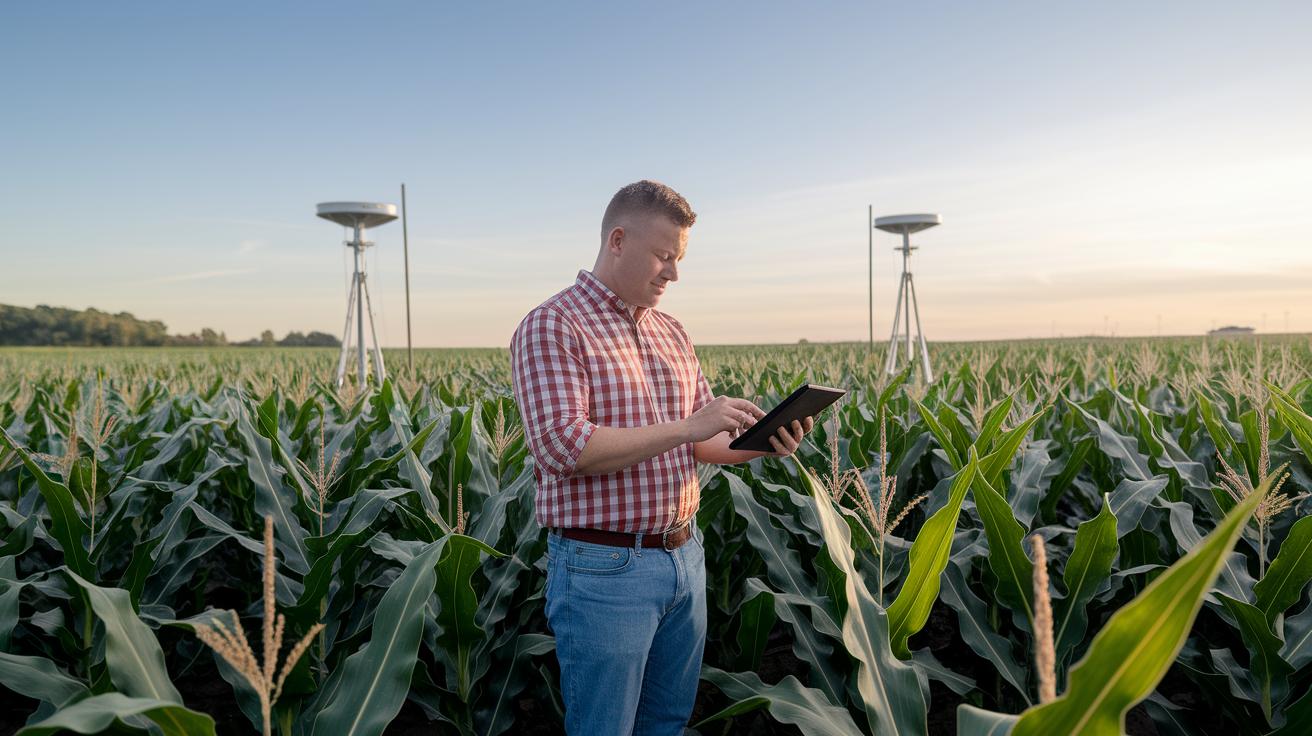
Recent studies show that local ideas are changing how we handle farm challenges. In parts of the Midwest, scientists are playing with sensor systems that check soil nutrients and adjust fertilizer on the fly. One pilot project even boosted yields by 12% when farmers applied nutrients exactly when the soil needed them. Can you believe a 12% increase just from matching nutrients with real-time soil data?
Over in India, communities are trying out micro-irrigation systems that use satellite data (information sent from space) to guide water use. This smart method helps farmers water crops only when they really need it, especially during unpredictable monsoons, so nothing is wasted.
A look at different regions gives us clear, number-based evidence:
| Region | Key Challenge | Innovative Strategy |
|---|---|---|
| Midwest US | Heat spikes and variable rainfall | Real-time soil sensors for targeted fertilizer use |
| India | Unpredictable monsoons | Satellite-guided micro-irrigation systems |
| Brazil | Soil nutrient loss | Precision nutrient amendments based on field data |
Researchers now recommend that farmers use these local data insights to adapt their nutrient strategies as the environment changes. For instance, in Brazil, precise nutrient applications have led to clear productivity boosts. Imagine getting just the right amount of nutrients at just the right time to help your crops thrive!
These local examples bring numbers to life and show how science can make a real difference on the farm.
Impacts of Climate Change on Livestock and Animal Production
Rising temperatures and water shortages are making life tougher for our animals. Cows, sheep, and other livestock struggle when it gets too hot or there isn’t enough water, which leads to slower weight gain and less milk production. Picture a dairy farmer seeing a drop in milk during a long, hot day – it's a direct hit from the animals trying hard to stay cool and hydrated. These tough conditions can even hurt reproduction, as stressed animals have a harder time bearing offspring.
Besides, livestock such as cattle release methane (a strong gas that speeds up global warming) and nitrous oxide from manure and fertilized soils. Farmers are now experimenting with smarter care methods to help animals cope with the heat. For example, tweaking the animals’ diets with special feed additives has shown promise in reducing methane emissions. Better feeding routines and waste management are also part of the solution to curb these gas releases.
The economic stakes are high, too. With declining herd productivity, millions of people might face severe hardship. Some estimates suggest that 43 million Africans could slip into poverty by 2030 due to reduced animal output. Finding sustainable and smart ways to care for livestock is essential for protecting our food supply and supporting the livelihoods of farmers around the world.
Soil Degradation and Water Scarcity in Agriculture under Changing Climates
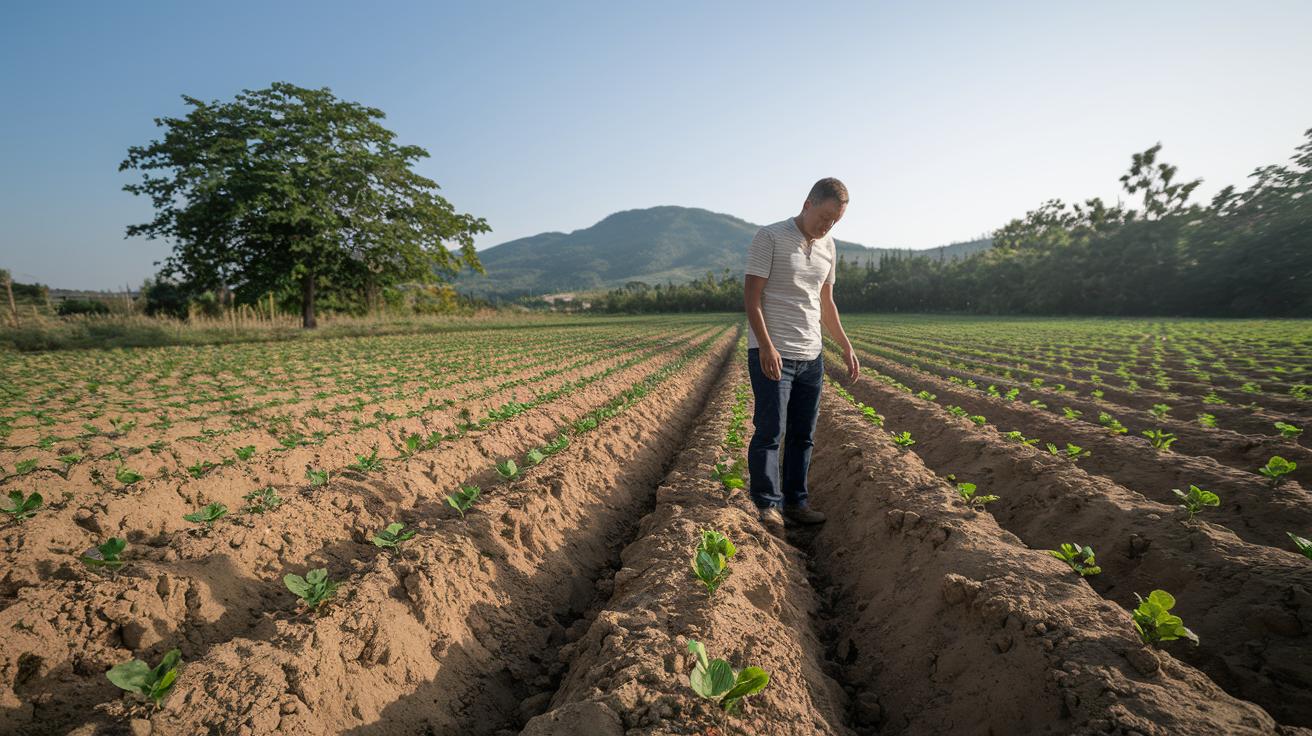
Cutting down too many trees and letting animals graze too much really harms our soil. When forests disappear and land is overused, the important top layer of soil vanishes quickly. Then, heavy rain washes away the few nutrients left behind, making fields less fertile and more likely to erode. Want to learn more? Check out how climate change affects the environment.
Not having enough water makes things even tougher. With less rain and many different uses fighting for it, small farmers often struggle with water shortages. So, they are switching to smart irrigation methods like drip irrigation and precise water controls (systems that give crops just the right amount of water). These techniques help cut down on waste and give plants a better chance to thrive.
Many farmers are also exploring new ways to care for their land. By using conservation tillage practices, they disturb the soil less, which helps keep that crucial topsoil in place. This method slows down erosion and boosts the soil’s ability to hold water and nutrients. Other efforts, like adding organic soil amendments (natural additives), work to bring back the fertility of land damaged over time.
Mixing these smart strategies gives small farmers a better way to protect both their crops and animals. Combining sustainable land care, water-saving tools, and gentle soil practices is paving a sturdy path forward, even in our changing climate.
Adaptive Farming Strategies for Environmental Stress in Agriculture
Farmers today deal with wild weather patterns that make growing crops tough. They’re mixing smart technology with old-school techniques to handle nature’s surprises. New tools and proper training let them jump into action when the weather shifts. For instance, drought-tolerant seeds give plants a better start during dry spells, and growing a variety of crops helps keep the soil strong and safe.
These practical methods protect farms from climate stress. In many areas, these approaches have already saved crops during unexpected droughts or heavy rains. Farmers are discovering that combining modern digital tools with traditional practices creates a steadier production, even with erratic weather patterns.
Here are five smart strategies many farmers are trying now:
- Use drought-tolerant seeds to help plants grow when water is low.
- Rotate crops and plant different types to keep soil rich and lower pest problems.
- Employ smart irrigation systems that adjust water use based on real-time weather updates.
- Practice agroforestry by planting trees near crops to maintain soil moisture and provide shade.
- Use precision field management with forecasting tools to pick the best times for planting and harvesting.
These adaptive strategies help keep yields steady no matter how unpredictable the weather is. With a mix of innovative tools and careful planning, the farming community is fighting back against a warming environment and keeping food production robust.
Mitigation and Sustainable Practices in Climate-Smart Agriculture
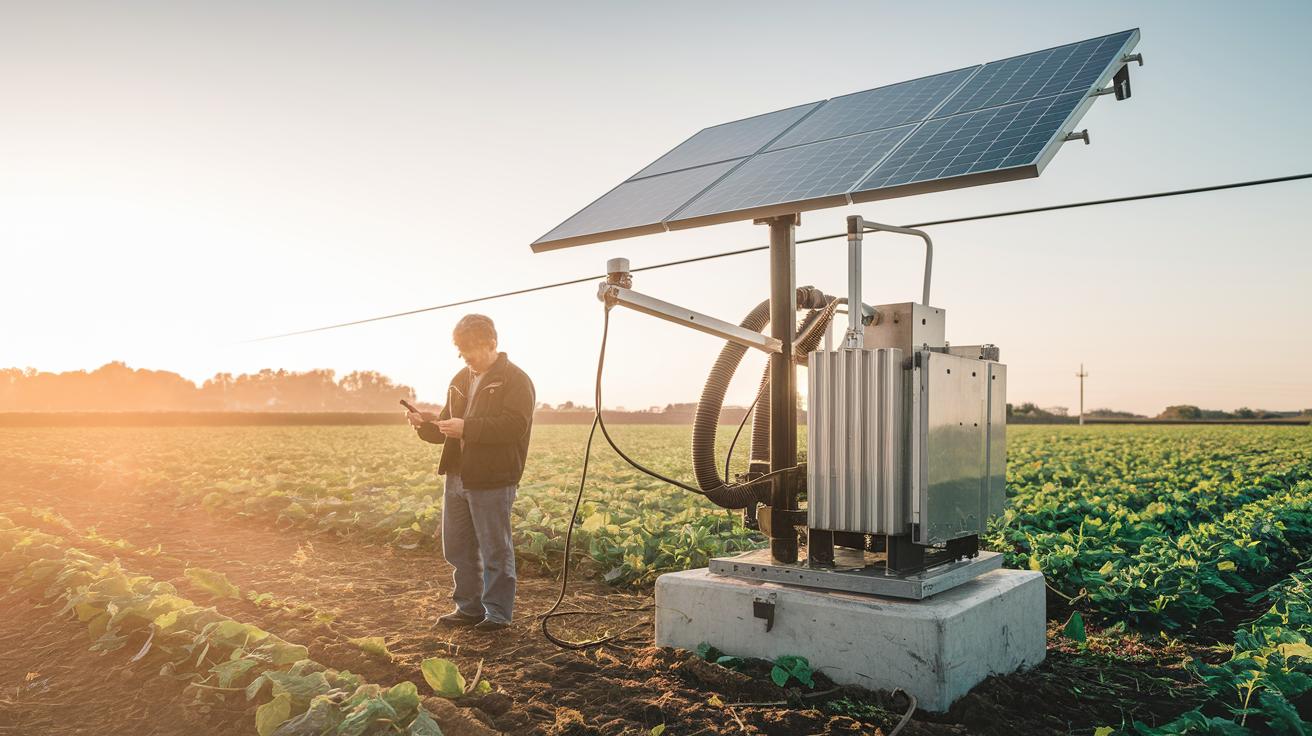
Farming is one of the big players when it comes to greenhouse gases. It releases gases like nitrous oxide (from fertilized soils), methane (from animals), and carbon dioxide (from burning crop leftovers). But there’s a smart way forward. By using renewable energy, such as solar power, farms can shrink their carbon footprints. Think of solar-powered pumps: they use the sun’s energy to pump water, cutting down on fossil fuels. And when leftover crops are turned into bioenergy, farms get a low-carbon way to run everyday tasks.
Farmers are also fine-tuning how they use fertilizers and handle manure. Using the right amount of fertilizer stops too much nitrous oxide from being released. Meanwhile, good manure management keeps methane levels in check. These methods help produce food in a way that doesn’t make climate change worse.
Water-saving irrigation is another neat trick in the toolbox. These systems monitor water use carefully and give crops just the right amount of moisture without wasting it. This not only protects nature but also helps farms keep producing in the long run.
Putting renewable energy together with clever fertilizer and water practices creates a strong strategy for cutting farm emissions. Every little change adds up, leading to a food system that’s more sustainable, steady, and kind to our planet.
| Technique | Approach | Benefit |
|---|---|---|
| Renewable Energy Integration | Solar-powered pumps and bioenergy | Less reliance on fossil fuels and a smaller carbon footprint |
| Manure Management | Better fertilizer use and careful manure handling | Lower methane and nitrous oxide releases |
| Water-Saving Irrigation | Precise water control systems | Conserves both water and energy |
Policy Responses and Future Projections for Climate-Resilient Agriculture
Policymakers are stepping in with new ideas like carbon pricing (charging for pollution), climate-smart subsidies, and water-management plans to boost support for rural areas. These tools help local communities upgrade their farming methods and make sure we have a steady supply of food. For example, with carbon pricing, companies pay extra if they release greenhouse gases, which pushes them to choose cleaner options.
Scientists warn that if our planet heats up by more than 4°C and sea levels rise by over a meter by 2100, much of our usable farmland could disappear. This could create big challenges for how food is grown and moved around. That’s why experts are calling for careful planning of the food supply chain. New policies for sustainable farming are being designed to protect local food networks so that even in tough times, everyone can access fresh and healthy food.
Local community projects are proving to work well in reducing risks from climate change. Many rural areas are trying out strategies where local leaders and farmers team up to address their specific needs. When these efforts are combined with long-term investments in strong infrastructure and better food supply systems, they set a hopeful path for our food systems to endure even the toughest climate challenges.
Final Words
In the action, the post explored how climate change and agriculture tie together, revealing its effects on crop yields, livestock, soil, and water resources. We saw how extreme weather disrupts planting cycles and how adaptive strategies like drought-tolerant seeds and sensor-driven irrigation can offer hope. Policy reforms and sustainable practices also pave the way for new ways of working amidst these challenges. The insights we shared leave us with optimism for tackling these issues head-on while paving the road toward more resilient food systems.
FAQ
Q: Where can I find climate change and agriculture resources such as PDFs, PowerPoint presentations, and journals?
A: Resources on climate change and agriculture come in various forms like PDFs, PowerPoint slides, and journal articles. They offer up-to-date research, policy analysis, and case studies that cover recent trends and adaptation strategies.
Q: How does climate change affect agriculture?
A: Climate change affects agriculture by shifting weather patterns and increasing events like droughts and floods. These changes reduce crop yields and impact livestock, forcing farmers to adapt quickly.
Q: What are the negative effects of climate change on agriculture and food supply?
A: The negative effects include lower crop yields, soil loss, and water shortages. These challenges disrupt food supply and can spike prices, putting farmers and communities at risk.
Q: What percent of climate change is caused by agriculture?
A: Agriculture accounts for about one-third of global greenhouse gas emissions. Key sources include livestock methane emissions and fertilizer-related nitrous oxide, both of which increase climate change pressure.
Q: What are the three top climate impacts on agriculture?
A: The top impacts include rising temperatures, unpredictable rainfall, and extreme weather events. These factors alter growing seasons, diminish yield reliability, and challenge overall food production.
Q: How is animal agriculture a leading cause of climate change?
A: Animal agriculture is a significant source of greenhouse gases, especially methane from cattle. These emissions add strongly to global warming and drive further climate change impacts.