
Have you ever wondered if a tiny flaw in an airplane might put you at risk?
Aerospace inspections go way beyond a quick checkup. They use smart tests and careful evaluations to find issues that could easily be missed.
Experts mix time-tested methods with modern digital tools (computers that help check details) to make sure every part works just right.
In this post, you'll see how these thorough inspections help keep flights both safe and high-quality.
It’s amazing how small details can make a big difference when it comes to staying secure in the skies.
Aerospace Inspection Overview: Ensuring Aviation Safety and Quality
Aerospace inspection is a key process that makes sure every air vehicle, from airplanes to rockets and spacecraft, meets strict safety standards during design, manufacturing, and maintenance. Inspectors use tests called nondestructive testing (NDT) methods (meaning they check parts without causing any damage) to spot any issues. They rely on techniques like simple visual checks, sound-based ultrasonic testing, and even radiographic testing (taking detailed pictures of the inside) to confirm each part works just right.
Quality is super important in aerospace because even small, hidden issues can affect safety. For example, advanced digital radiography gives us detailed images of inside components while also saving money on materials. Every stage, from picking raw materials to checking parts at the end of their service life, builds a record of safety and reliability. It’s interesting to think that before these modern methods, early aircraft were inspected with very basic techniques that sometimes missed hidden problems.
Digital tools and automated systems have really changed the game in aerospace inspection. New technology helps teams keep an eye on everything continuously and gives quick alerts when something isn’t right. It means that even as technologies move ahead, inspections keep up, ensuring the safety of both passengers and crew.
All in all, these careful checks and modern updates mean that every detail, from tiny screws to whole systems, meets the high standards needed for safe flight. Isn’t it amazing how a blend of traditional care and cutting-edge tech keeps us soaring safely through the skies?
Advanced Inspection Methods for Air Vehicles in Aerospace Inspection
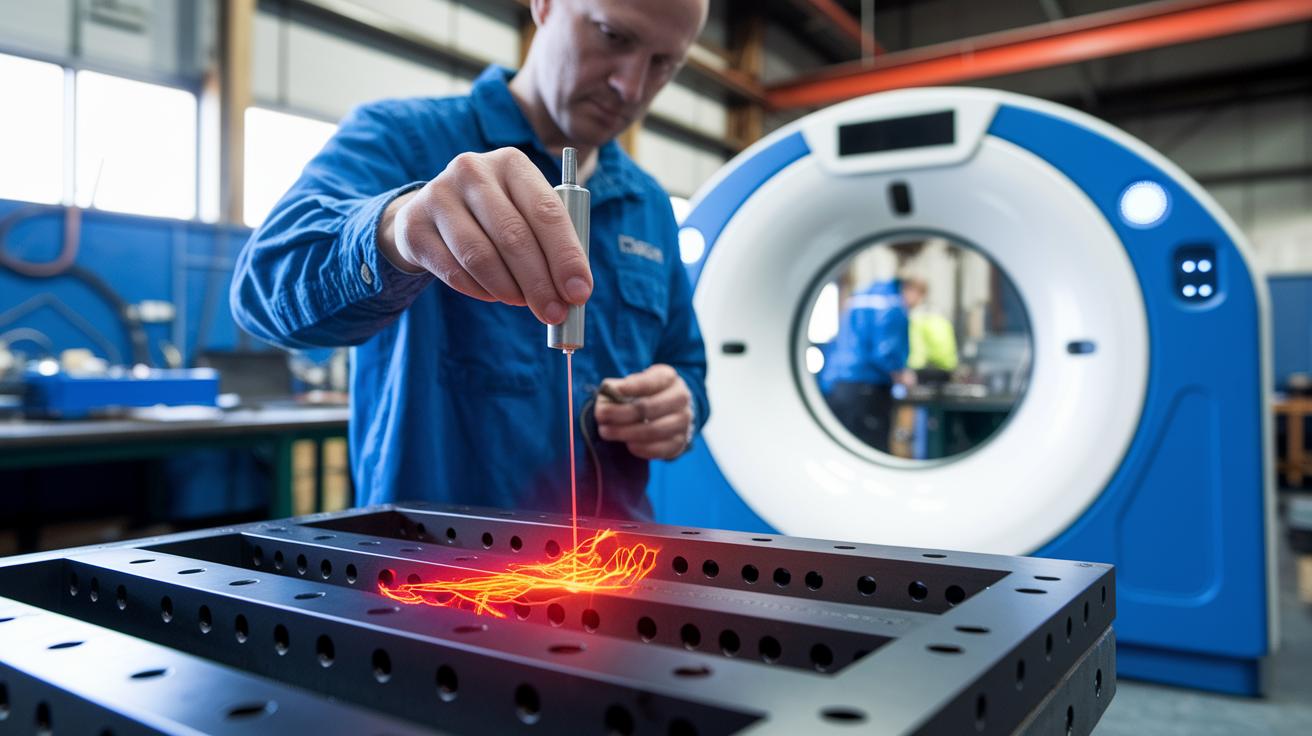
When we test air vehicles, we use several techniques to make sure everything works just right. One method is penetrant testing. This means we apply a special liquid that shows tiny cracks on metal parts, almost like unveiling a hidden message written with water-soluble ink.
Ultrasonic testing is another key tool. It sends sound waves into a component to find problems deep inside thick structures. Imagine it as a gentle buzz that tells us if anything is off in an engine part.
Radiographic testing gives us detailed pictures of what’s inside a material. When we add computed tomography, it even builds a 3D view of both raw materials and finished parts. This lets inspectors catch flaws that might be missed with other methods, ensuring our air vehicles meet high safety standards.
Infrared thermography is great for spotting hot spots that hint at hidden issues below the surface. It’s a bit like watching the crisp sparkle of starlight, where the heat patterns reveal where a part could be under stress.
Visual testing is always a reliable choice for getting a quick and clear look. With remote visual testing, experts can check even hard-to-reach spots using cameras and optical devices. This makes it easier to spot surface-level problems on large structures.
Other techniques, like eddy current and magnetic particle testing, round out our toolbox. These methods work well together to find more defects and give us a full picture of a part’s condition.
- Penetrant testing
- Ultrasonic testing
- Radiographic testing
- Infrared thermography
- Visual testing
- Eddy current testing
- Magnetic particle testing
Each method has its own perks and limits, but by using them all, we can keep our air vehicles as safe as possible.
Structural Integrity Evaluation Techniques in Aerospace Inspection
Traditional methods such as ultrasonic, radiographic, and magnetic particle testing (which use sound waves, X-ray imaging, and magnets to spot issues) remain trusted ways to find internal flaws and surface cracks in aerospace parts.
Acoustic emission testing listens for the quiet sounds that materials make when they’re under stress. Think about a soft whisper inside a turbine blade hinting that pressure is building up. This method picks up signals as they happen, giving engineers a chance to address stress before it turns into visible damage.
Laser-based shearography uses laser imaging to catch very small shifts on a surface. Imagine a laser scan that shows tiny changes on an engine panel, quickly revealing areas where stress is developing. This technique delivers an instant visual map of small, structural changes, adding a valuable tool for checking components like GE turbine blades.
Aerospace Inspection Quality Assurance and Regulatory Compliance

When it comes to inspecting aircraft, safety and quality are the top priorities. Certification programs, like those offered by ASNT, make sure that inspectors have the skills they need. For example, a Level II certification (which proves an inspector’s detailed knowledge) builds trust in every inspection. You can learn more about these certification requirements at the provided Aerospace Certifications link.
Digital radiography (a method that uses digital images to see inside materials) helps cut costs. It reduces the need for extra materials and lowers waste. Manufacturers also use audit trails, a detailed record of each inspection step, to keep clear records for compliance checks.
Modern digital reporting systems bring all the inspection data together in one neat record. This setup makes it easier for teams to monitor results and speed up compliance checks. Written guidelines and digital logs work together to catch any small mistakes quickly.
Regular audits, both from within the company and by outside experts, ensure that every part, from the raw materials to the finished assembly, meets strict standards. These reviews keep every inspection in line with the rules.
In truth, these standards and audits act like a safety net, catching tiny issues as soon as they appear. By carefully keeping records and staying on top of every detail, small problems are prevented from growing into bigger issues, keeping our air vehicles safe and reliable.
Certification and Training Courses for Aerospace Inspection Professionals
Training and certification are the heart of a safe aerospace inspection system. ASNT provides clear, hands-on programs that equip inspectors with the essential skills they need. Many inspectors begin their journey with online courses that cover the basics of penetrant testing, ultrasonic testing, and radiographic testing (methods that check materials without causing damage). Fun fact: many experts started out learning through virtual labs and interactive simulations, quickly realizing that even the tiniest crack can tell an important story.
Virtual training platforms give inspectors the freedom to learn at their own pace. These courses guide learners with easy-to-follow steps and clear demonstrations, breaking down complicated techniques into everyday language. Plus, live sessions let students ask questions and share ideas with experienced professionals, making the learning process more interactive and engaging.
Workshops and conferences are also key. At these events, inspectors get real hands-on practice with the equipment and digital tools. They work with actual instruments and learn to read images like radiographs accurately. This mix of practical exercises and classroom-style learning helps professionals master both traditional tests and the latest digital methods.
| Training Type | Description |
|---|---|
| Online Courses | Learn the basics of penetrant, ultrasonic, and radiographic testing |
| Workshops & Conferences | Get hands-on practice with equipment and digital tools |
| Certification Programs | Validate your expert knowledge through structured pathways |
By blending digital lessons with practical training, aerospace inspection professionals stay sharp and ready to keep safety standards high every day.
Automation and Digital Transformation in Aerospace Inspection Processes

New digital tools are changing the way we check airplane parts. AI (artificial intelligence, or smart computer systems) and machine learning help spot problems and analyze pictures on their own. It's like having a super-observant friend who never misses a flaw.
Computed radiography is one of those smart tools that cuts costs. It lowers the need for extra materials and pricey storage space. This change makes it quicker and cheaper to process images. Inspectors now look at digital records instead of going through heaps of film pictures.
Drone technology is opening up even more possibilities. These flying devices can inspect large structures and hard-to-reach spots with excellent accuracy. Imagine a drone gliding over a huge airplane hangar, checking every corner for issues. In fact, a drone can scan an area as big as five acres in the time it once took an inspector to examine just one section on foot.
Automation in quality control is also boosting efficiency. Drones and AI systems collect real-time data, helping to spot and report issues fast. This way, every inch of an airplane is checked carefully while saving both time and resources.
Case Studies in Aerospace Inspection: From Turbine Blades to Airframes
GE Aerospace has been pushing the limits of engine care by using smart inspection tools at every stage. On projects like CFM LEAP and RISE, they have shown how digital scanning can spot problems fast. Picture this: a turbine blade is scanned, and hidden bumps or cracks pop up in seconds. This quick find not only speeds up the check but also saves a lot of money.
Let’s take one example. A rotor tip was scanned using computed tomography (a type of 3D digital imaging that lets you see inside objects). The scan picked up a tiny flaw that normal methods might miss. This shows how digital reporting helps find issues sooner, giving teams better data to plan repairs and maintenance.
Other real-world cases show that these high-tech methods boost safety and make repairs quicker. Thanks to detailed imaging, machines stay up and running longer while repair costs drop. In some instances, inspectors could watch small cracks over time and take action before a big problem occurred.
In truth, using computed tomography and digital reporting doesn’t just help with passing safety tests. It makes sure every part of the engine meets strict quality and safety checks, keeping our aircraft in top shape.
Onsite and Outsourced Service Providers in Aerospace Inspection

Big aerospace companies know that keeping everything in check is key to smooth operations. That’s why some experts travel right to your facility, performing hands-on tests like non-destructive testing (using tools that don’t damage the part) and detailed airframe reviews (inspecting the structure of your airplane). They spot issues on the spot, giving you quick fixes to keep your production rolling safely.
Then there are third-party evaluators who add an extra layer of know-how. They help set up verification steps and get your certifications in order. Outsourcing these checks can save you money while giving you expert insights. This means you can tap into skills you need without hiring new full-time staff, which is perfect when your project calls for both deep technical skills and a flexible, savvy team.
- Onsite audits catch problems early
- Third-party evaluations deliver unbiased, specialized advice
- Outsourced quality checks help keep costs low without lowering standards
In the end, whether you choose onsite services, outsourced providers, or a mix of both depends on your project size, budget, and the kind of expertise you need. By mixing direct inspections with impartial expert analysis, you get a smart, cost-effective way to keep aerospace safety and quality top-notch.
Final Words
In the action, our exploration of aerospace inspection covered a wide range of topics. We looked at safety methods, quality checks, and the tools used to monitor everything from airframes to engines. We even touched on professional training and the latest digital tools boosting inspection work. Every step helps boost safety in aviation and beyond. This clear look at effective practices leaves us inspired by progress and ready to see what bright innovations await in aerospace inspection.
FAQ
Aerospace inspection near me
The phrase “aerospace inspection near me” is used to find local labs and companies that test air vehicles with safe, non-invasive methods to check parts for any hidden issues.
Aerospace inspection cost
The term “aerospace inspection cost” refers to the pricing for testing services. Prices vary based on the type of test, the aircraft size, and the complexity of the required checks.
What is GE Aerospace?
The term GE Aerospace describes a division of GE that focuses on making advanced air components and testing them with precise methods to keep the performance and safety high.
What is Inspection NDT?
The expression “Inspection NDT” means non-destructive testing, which uses methods like ultrasonic or radiographic testing to check materials without causing any damage.
What is infrastructure inspection in aerospace?
The term “infrastructure inspection” in this context refers to examining both the support facilities and structures related to aerospace, making sure that they are in good condition.
What is Mectron inspection?
The phrase “Mectron inspection” likely points to a specialized testing service within aerospace that applies focused techniques to check the quality and performance of components.
Who are infrastructure inspection companies?
The query about “infrastructure inspection companies” relates to firms that offer testing services for both aerospace elements and the supporting structures, making certain all parts meet safety standards.
What is an inspection lab?
The term “inspection lab” describes a facility where experts conduct non-destructive tests to evaluate aerospace materials and parts for hidden flaws and overall quality.
What does an aerospace inspector do?
The question “what does an aerospace inspector do” refers to a professional who examines aircraft components using various test methods to find defects and check that everything works as it should.
What are the 4 types of inspections used in aerospace?
The four types of inspections in aerospace include visual, ultrasonic, radiographic, and magnetic particle tests. Each method helps detect different surface and internal issues.
How much does an aircraft inspection cost?
The inquiry about aircraft inspection cost means that the price depends on factors like the size of the aircraft, the type of test performed, and the scope of the inspection.
How do I become an aerospace inspector?
The question “how do I become an aerospace inspector” points to a path that includes training in non-destructive testing, gaining practical experience, and obtaining certification from recognized organizations.