
Ever wondered if the water we enjoy might be quietly hurting because of our everyday actions? When we burn fuel and run our factories, we release carbon dioxide (a gas that traps heat) into the air. This not only warms our planet but also makes our oceans more acidic. In fact, about one out of every three bits of this gas gets mixed into seawater. That extra acid changes the ocean’s balance and puts stress on marine creatures. In this piece, we'll explore how ocean acidification and climate change work together and show that even simple choices can make a big difference in our environment.
Fundamental links between ocean acidification and climate change
We’ve all seen how human activities, like driving our cars, powering factories, and running power plants, pump huge amounts of CO₂ into the air. This extra CO₂ not only warms our planet but also mixes with our oceans, making the water more acidic. It’s amazing to think that nearly 30% of that CO₂ ends up in the ocean, setting off a chain reaction that affects both our skies and seas. It really shows how our everyday choices play a part in shaping the climate and the chemistry of our waters.
When CO₂ enters the ocean, it meets water and turns into carbonic acid, a process that slowly lowers the ocean’s pH. Even though the drop in pH since 1750 may seem tiny (about 0.1 units), it actually means there are a lot more hydrogen ions making the water harsher for marine life. And as temperatures keep rising, the ocean loses some of its natural ability to balance these acids, leaving the seas even more stressed.
- Increased CO₂ absorption
- Reduced carbonate ion availability
- Thermal effects on solubility
- Altered chemical equilibrium
These linked changes are why many experts call ocean acidification climate change’s "evil twin." Both are driven by our CO₂ emissions and work together to reshape our environment.
Carbon emissions impact on marine acidity under warming seas

Since the Industrial Revolution, the level of carbon dioxide (CO2) in our air has jumped by about 45% because of things like burning fossil fuels and running factories. Every year, our oceans take in roughly 25 gigatons of this CO2, which slowly alters their chemistry. As more CO2 mixes with seawater, the water’s pH decreases, making it more acidic. In simple terms, compared to the balanced state of the past, the water today has about 25% more hydrogen ions since 1750.
| Year | Atmospheric CO₂ (ppm) | Ocean pH change |
|---|---|---|
| 1750 | 280 | 0.00 |
| 1990 | 354 | -0.05 |
| 2020 | 415 | -0.10 |
As our planet heats up, warmer seawater can’t hold as much CO2 because warm water easily loses gases. So even though a warmer ocean might suggest less CO2 absorption, the reality is that higher atmospheric CO2 levels push up the acid stress. This feedback loop, where warming changes the water’s makeup even more, means marine life that needs steady conditions faces extra pressure.
Researchers are now using computer models (simulated predictions based on current data) to see what might happen next. They estimate that if CO2 emissions remain high, the ocean pH could drop another 0.3 to 0.4 units by the year 2100. Of course, there is some uncertainty since regional temperature shifts and natural variations make exact predictions a bit tricky.
Ecosystem vulnerabilities to acidifying oceans and rising temperatures
Our oceans are under stress, feeling both the squeeze of rising heat and growing acidity. As the water heats up, its properties change quickly. Lower pH levels make the water more acidic, which seriously hampers creatures like corals, shellfish, and plankton from building their protective shells and skeletons, by as much as 40% at a pH of 7.8. This isn't just a small glitch; it weakens these organisms and throws off the balance of the entire marine community. When water becomes more acidic, species that rely on building calcium carbonate structures (a key ingredient for about 20% of marine life) struggle with even their most basic functions.
Meanwhile, warmer seas pile on extra challenges. Higher temperatures mean more stress for these creatures. For instance, corals are more prone to bleaching, a stress response where they lose the algae that give them color, and shellfish larvae develop out of sync. Together, acidification and heat seriously alter essential life processes, making marine life increasingly vulnerable. This dual threat puts the health and productivity of our oceans at risk, especially in systems that depend on a complex mix of species interactions.
- Coral skeleton formation
- Shellfish larval survival
- Plankton reproduction
- Seagrass growth rates
- Fish sensory behavior
- Microbial community shifts
Every one of these important functions is in danger as our oceans warm and become more acidic. When processes like coral building or fish sensing their environment are thrown off, entire food chains start to break down. This can lead to major habitat loss and could cut fishery yields by 10–25% by 2050 in the worst-affected areas. It’s a domino effect, from damaged reefs to fewer fish and even changed microbial worlds, that shows just how tightly linked our climate is to ocean health.
Monitoring techniques and recent findings in ocean pH research
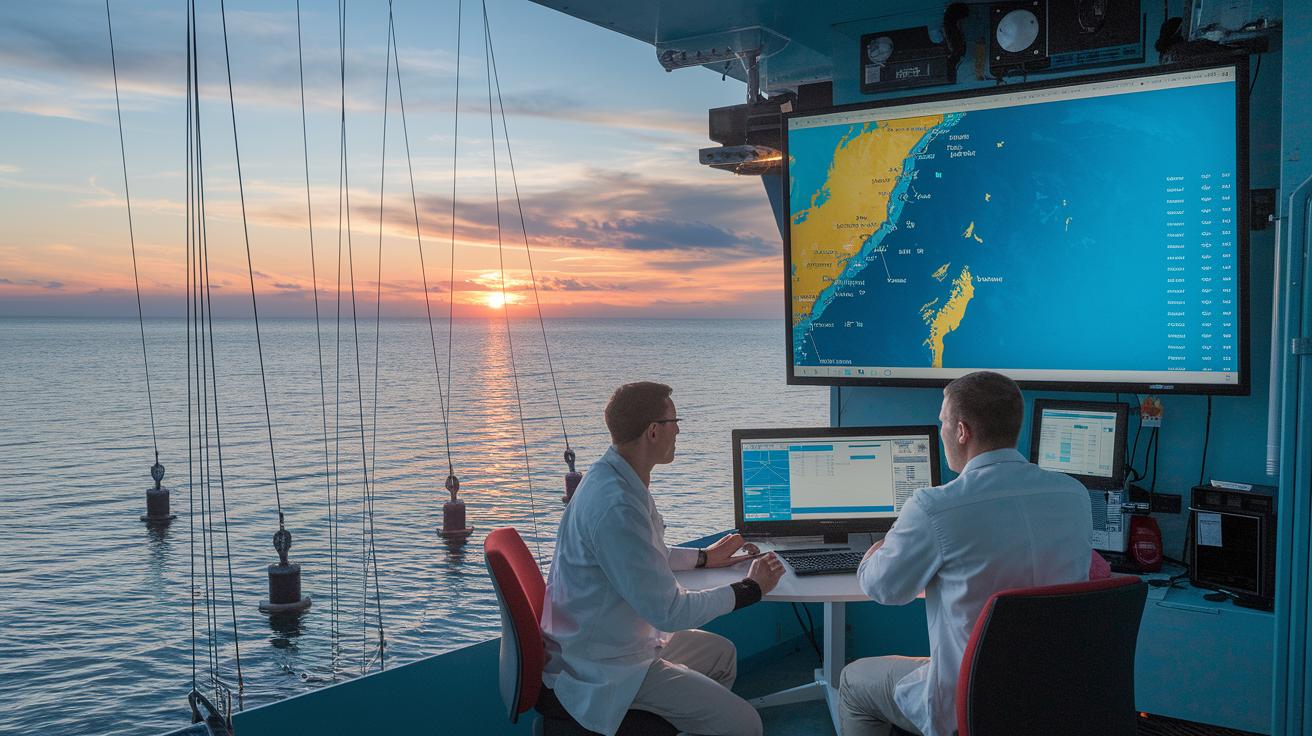
Global networks are now a big help in watching how the seawater’s pH changes day by day. For instance, the Ocean Acidification International Coordination Center sends out daily pH readings that build into worldwide trend maps and coastal risk checks. This constant flow of data also supports local models to keep a close eye on areas that are most at risk. With climate change stirring up our ocean chemistry, tools like autonomous floats (self-guided devices that collect data) and moored buoys are essential for capturing real-time pH and temperature shifts.
- Moored buoys
- Autonomous profiling floats
- Ship-based sampling
- Satellite-derived pH proxies
- Citizen-science sensors
New results from these strong monitoring systems show that the global average pH drops by about 0.002 units each year. Some of the most noticeable changes happen in the North Pacific and Arctic regions. Though this decline might seem small, it hints at major shifts in the ocean’s chemistry that could affect marine life over time. Being able to track these tiny, daily changes not only deepens our understanding of ocean health but also helps us get ready for the challenges the future may bring.
Mitigation strategies for ocean acidification and climate change
A lot of countries and industries are now working hard to cut CO₂ emissions in line with Paris targets. By reducing the carbon we pump into the air, we aim to cool down our planet and create healthier, less acidic oceans.
Nature lends us a big helping hand too. We can protect our seas by planting more mangroves, bringing back seagrass meadows, growing kelp, and restoring shellfish reefs. These methods use nature’s own tools to care for marine life.
Scientists are also trying out new tricks to ease the stress on our oceans. One idea is to add minerals to seawater (a process called ocean alkalinity enhancement, which helps neutralize extra acids). They’re also looking at geoengineering techniques to rebalance the ocean’s chemistry. These science-based ideas give us hope for a stronger recovery of marine ecosystems.
But none of these methods can work without strong support from policy makers. Countries need to come together and invest in projects like blue-carbon restoration, adaptive aquaculture, and geoengineering research. Creating marine protected areas can guard the most vulnerable parts of our oceans. With steady funding and clear rules, we can manage both rising temperatures and ocean acid stress, leading us to a more stable and resilient sea.
Final Words
In the action, this post explored how human CO₂ emissions drive changes in our oceans. We saw how rising levels lead to ocean acidification and climate change affecting marine chemistry and ecosystems. We looked at the science behind pH decline through chemical reactions and monitored these shifts with today's technology. Effective solutions like CO₂ cuts and habitat restoration show promise in lessening these effects. The link between ocean acidification and climate change reminds us that science must guide our steps toward a healthier, more resilient environment.
FAQ
What are the effects and key facts of ocean acidification on marine life?
Ocean acidification effects include weakened shells and skeletons, altered fish behavior, and disrupted food webs. Marine life faces challenges in growth and survival as the water becomes less friendly for calcification.
What does NOAA report about ocean acidification?
NOAA provides daily data on ocean pH changes and chemical shifts, helping scientists understand acidification trends and their impact on marine ecosystems by tracking chemical changes over time.
What causes ocean acidification?
Ocean acidification is caused by excess CO₂ from human activities dissolving into seawater. The dissolved CO₂ forms carbonic acid, which steadily lowers the water’s pH and stresses marine life.
What solutions exist to address ocean acidification?
Solutions include reducing CO₂ emissions, restoring coastal habitats like mangroves and seagrass, and testing geoengineering methods. These strategies help stabilize the ocean’s chemistry and support marine ecosystems.
What do ocean acidification statistics and graphs show?
Ocean acidification graphs show a pH drop of about 0.1 units since 1750, reflecting increasing CO₂ absorption and rising water temperatures. These visuals guide research and policy to protect marine environments.