
Have you ever thought about what sparks our greatest discoveries? Technology makes science move faster by turning big ideas into real answers. Fast computers and strong data tools let scientists try out ideas and solve problems quickly, almost like giving a much-needed boost to a failing engine.
This mix of modern tools and creative thinking opens up new ways to improve our lives. It makes science feel more clear, quick, and easy to understand.
How Technology Underpins Major Scientific Breakthroughs
Today, technology is the spark behind many amazing scientific discoveries. It helps scientists tackle big problems like the COVID-19 crisis. They start by finding urgent issues and digging through loads of data to pinpoint where new ideas can make a difference. They read earlier studies and check patents to uncover gaps in our knowledge. With fast computers and smart analysis, these ideas move quickly from theory to real-world tests. For example, fast vaccine development happened thanks to these high-tech tools.
In the design phase, scientists put ideas to the test through experiments, computer simulations, and careful reviews. They keep tweaking their prototypes based on ongoing feedback until everything works just right. Then, they share their results in scientific papers, at conferences, or by filing patents. This open sharing lets other researchers learn from and build on their work. Think of it like major turning points in history: the microscope helped us see tiny cells, the telescope let us explore distant skies, PCR (a method to make many copies of small DNA samples) sped up genetic studies, and CRISPR (a tool to edit genes) changed the way we approach biology.
Researchers measure success by looking at performance, how many people use the technology, the overall benefits versus costs, and any risks along the way. They study these results carefully, using what they learn to improve current methods and spark future innovations. This step-by-step process shows us how critical technology is in pushing science forward and deepening our understanding of the world.
High-Speed Computing and Big Data in Scientific Breakthroughs

Today, scientists are using super-fast computers and huge amounts of data to change the way they explore the wonders of our world. Thanks to digital advances, researchers can gather, process, and share enormous sets of information in ways that once seemed impossible. We can now run detailed tests and simulations in real time, speeding up experiments and tackling heavy tasks like studying how liquids flow (fluid dynamics).
By pairing smart models (systems that predict what might happen) with clear data insights, scientists can quickly move from a new idea to testing it out. This mix of speed and smart analysis helps bring new discoveries to light faster than ever before.
| Breakthrough Aspect | Details |
|---|---|
| Faster simulations | Test ideas in virtual setups quickly |
| Real-time processing | Get immediate insights during experiments |
| Large-scale storage | Keep huge amounts of research data safe |
| Model-driven experiments | Guide tests with smart, clear models |
| Automated analytics | Simplify data interpretation and decision-making |
This technology is truly changing the game. High-speed computing lets scientists run many tests and make sure their simulations mirror real-life conditions. With vast amounts of data available, researchers keep refining their models to ensure accuracy. It’s amazing how this blend of speed, storage, and smart analytics transforms a simple idea into a breakthrough in record time.
Artificial Intelligence and Its Role in Scientific Breakthroughs
Digital tools have really changed the way scientists do their work. They help researchers work together and get through huge amounts of data faster. For example, AI can scan mountains of text in just minutes, which means scientists can focus on planning their next experiment or tweaking a computer model. Big events, like the Global Dialogue on Research Integrity in May 2026 and the Fifth National Open Science Festival in October 2025, show how much these digital innovations have reshaped the world of science.
In labs, AI has become an amazing assistant. It takes over time-consuming tasks like pulling out key details from large sets of data and analyzing images from experiments, speeding up the whole process. Tools in machine learning (software that gets better by spotting patterns in data) help scientists guess outcomes, letting them try ideas on a computer before running real-life tests. This approach leads to more focused and accurate experiments.
AI isn’t just about handling data, it also builds smart systems that work hand in hand with researchers. These clever systems can organize results and point out important trends that might be easy to miss. By smoothing out these crucial tasks, AI makes science not only faster but also safer and more efficient.
Nanotechnology's Role in Scientific Breakthroughs
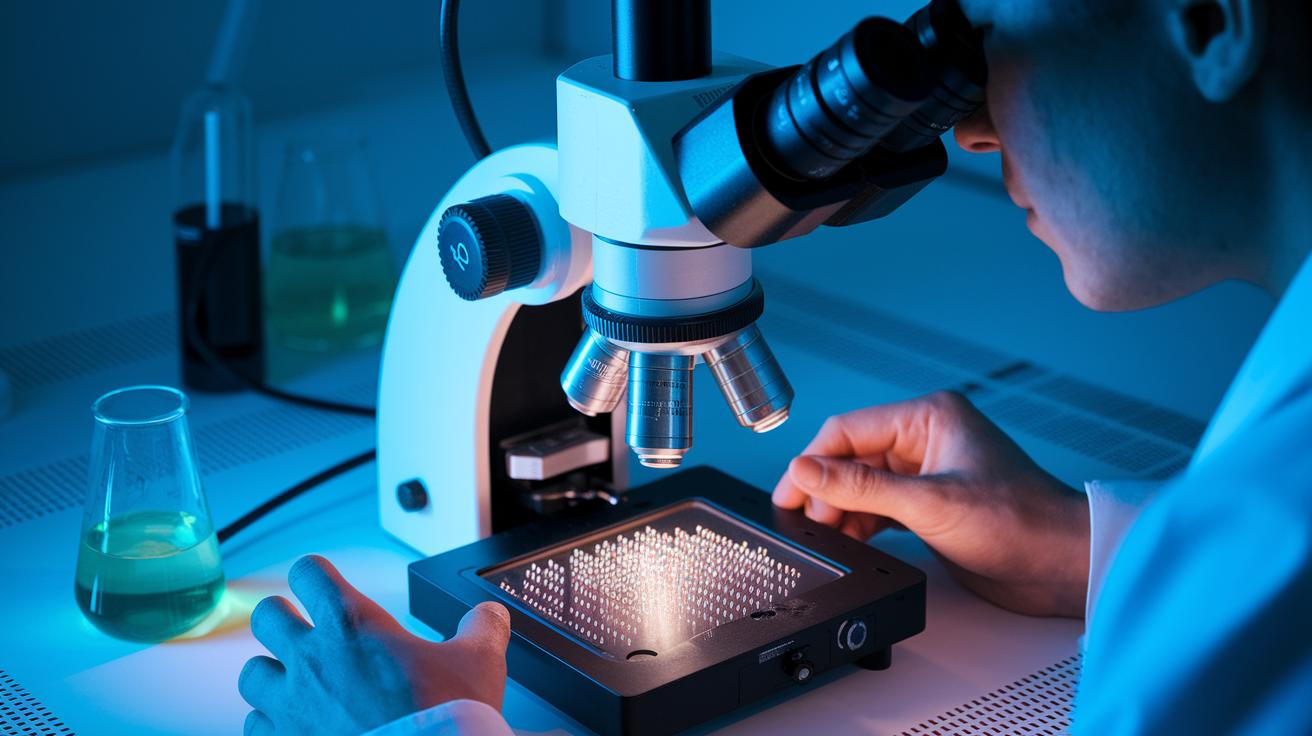
Nanotechnology is changing how scientists work with tiny materials. It has opened up many new paths in fields like materials science and chemistry. Researchers are busy designing small sensors (tiny tools that detect little changes) that can measure forces and track reactions as they occur. For example, one lab used a special nanotech sensor to watch chemical changes when developing a new kind of plastic. This breakthrough helped improve the durability of everyday products.
Advanced imaging techniques now let scientists take a closer look at atoms and molecules. Imagine seeing the tiny building blocks of materials in real time, it makes science feel almost like watching a magic show. In one study, researchers spotted tiny defects in a material used for batteries. This insight is a step toward safer, more efficient energy storage solutions.
Nanotechnology isn’t just about small sensors and high-powered microscopes. It’s also helping scientists create computer models that mimic how molecules behave over time. By pairing these simulations with real-life experiments, researchers have designed new catalysts (substances that speed up chemical reactions). This blend of computer work and hands-on experiments promises safer and more sustainable ways to produce chemicals that affect our daily lives.
Biotechnology and Gene Editing Fueling Scientific Breakroughs
Biotech has changed healthcare in big ways. Scientists now have tools to fix and even stop diseases before they start. They use gene editing tools like CRISPR (a method to cut and change DNA) to repair small errors in our genes. Next-gen sequencers (machines that quickly read our genes) help researchers study DNA faster and better than ever. These advances are opening up new treatments that once seemed impossible. For example, early studies show that correcting faulty genes can give hope to patients with rare conditions.
Recent improvements in gene editing have led scientists to develop breakthrough ideas in labs. They can now modify genes directly in living cells, testing new medical approaches when older methods just don’t work as well. Researchers even mix precise editing with detailed maps of our genetic code to pinpoint where medicines can have the best effect. This progress is helping create safer, more personalized treatments that lower side effects while boosting results.
Modern precision medicine, like those seen in medical technology breakthroughs (click the link for more), relies on collecting detailed gene data to tailor treatments just for you. With the help of advanced gene-reading machines, doctors can gather the information needed to design a personal treatment plan. By combining biotechnology and gene editing, scientists are leading the way in transforming healthcare, offering exciting new possibilities for more targeted and effective care.
Robotics and Virtual Simulation in Driving Scientific Breakthroughs
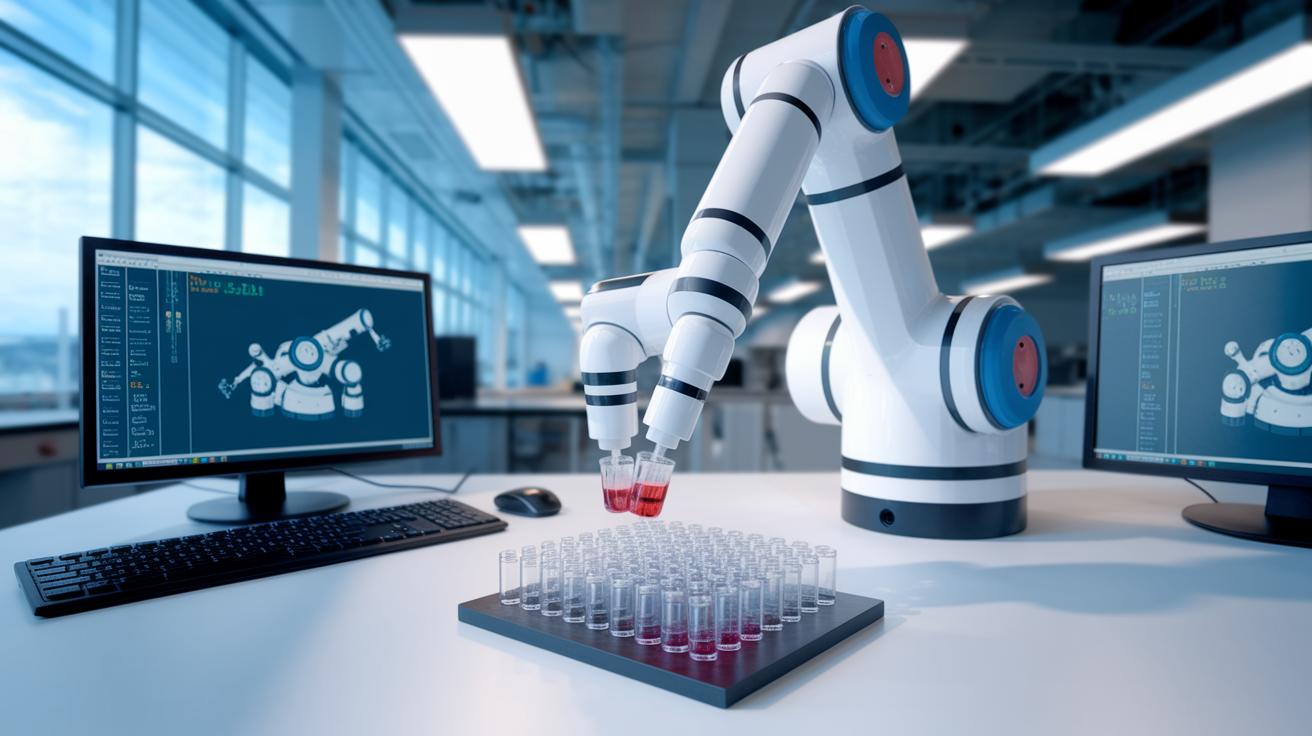
Robotic labs are changing the way scientists work with samples and perform experiments. Picture this: a smart, robotic arm carefully moving chemical samples into testing wells, each motion guided by computer models. These automated tools help cut down on mistakes, so researchers have more time for creative ideas and detailed analysis. Data gets collected smoothly from start to finish, making each experiment even more reliable.
Virtual simulations work hand in hand with these robotic systems. Basically, scientists build computer models that mimic real lab experiments before they actually do them. This lets them predict outcomes and tweak details on the fly, saving time on trial and error. The data from these simulations helps to fine-tune the next automated run. In short, combining robotics with virtual simulations makes research faster, safer, and more dependable.
Quantum Leap Computing Fuels Scientific Breakthroughs
Quantum computing is not like the everyday computers we know. It works with special bits that can be in more than one state at the same time (these are called quantum bits or qubits, which are tiny pieces that hold lots of possibilities). This clever technology opens up new ways for scientists to explore tricky topics like secret codes, the behavior of new materials, and even complex simulations.
What makes this so special is that these systems can handle many calculations all at once. This means researchers can try out ideas quickly and run experiments that bring out hidden details in material properties or offer new ways to protect data. In fact, early work with these techniques has already hinted at breakthroughs that could change our approach to solving problems for many years.
Scientists are also using these methods to push the boundaries in their labs. By building computer models that mimic real-life interactions, they’re discovering fresh insights into everything from encrypted codes to the unique characteristics of advanced materials. It’s an innovative journey that brings us closer to solving challenges that traditional computers have long struggled with.
Emerging Technology Trends Shaping Future Scientific Breakthroughs

Digital ecosystems in research now serve as more than just a way to share ideas. They offer shared workspaces where scientists can use cloud-based computing power to work remotely and quickly swap experiment results. Unlike older tools, these systems mix instant data sharing with organized platforms that help with feedback and project management. For instance, imagine a researcher syncing findings with a colleague in another city in real time, sparking immediate tweaks to their methods.
But these platforms do come with their own challenges. Researchers now have to deal with issues like making sure data from different sources can work together and keeping information safe from online threats (protection against cyber attacks). Instead of rehashing old ideas about open research, this shift shows how digital ecosystems are evolving to let scientists make more detailed and precise assessments of their work. Picture a system that offers special tools to check the accuracy of data, so that research moves quickly while staying reliable.
Final Words
In the action, our article showed how tech tools transform research into real-world solutions. We reviewed how high-speed computing processes big data, AI simplifies studies, and nanotech sharpens results. Biotechnology drives better health outcomes, while robotics and quantum computing reduce errors and open new doors. Emerging trends continue to shape the role of technology in scientific breakthroughs. With each innovation, scientists bring clearer insights and exciting progress to everyday life, paving the way for a future full of promising possibilities.
FAQ
What role does technology play in scientific discovery?
The role of technology in scientific discovery is to provide advanced tools—from high-speed computing to artificial intelligence—that help researchers design experiments, analyze data, and verify results faster and with greater precision.
How is technology impacting scientific advancement?
Technology is impacting scientific advancement by speeding up research processes such as simulation, real-time data processing, and predictive modeling, which leads to faster solutions and wider benefits in fields like healthcare and materials science.
What are some key examples of science and technology in daily life?
Key examples include smartphones, medical devices, and smart home systems. These innovations improve daily communication, health monitoring, and overall convenience, making life more efficient and connected.
What are five positive impacts of technology on society?
Five positive impacts include faster data analysis, improved research methods, efficient communication, reliable problem-solving tools, and accelerated innovation across various industries.