
Ever wondered how military aircraft hit their marks with such precision? It all starts with a smart mix of careful design and innovative science that works together to keep our skies safe.
Engineers pull ideas from both airplane and spacecraft technology to build high-speed jets and stealth drones that can handle extreme conditions. This blend of technical know-how and creative teamwork makes modern military systems stronger and more reliable than ever.
Military Roles in Aerospace Engineering
Aerospace engineering on the defense side is all about creating, testing, and perfecting aircraft and systems for military use. Engineers here guide research projects, design military planes and equipment, and make sure everything is tested perfectly. They mix ideas from aeronautical engineering (which looks at how airplanes and rockets move through air) with astronautical engineering (which deals with building spacecraft) to get the best designs.
These engineers work on projects that keep defense technology one step ahead. They design high-speed jets, combat drones, and vehicles used for gathering crucial information. A key part of their job is to make sure every new design meets strict standards and works reliably in tough situations. They even organize test flights to check that the aircraft can handle extreme conditions.
Every day, these professionals team up with experts from different military branches to update technical details and improve equipment designs. This collaborative effort means every component fits perfectly into wider defense strategies. If you ever wonder about aerospace engineering in defense, it really shows how advanced technology and smart planning work together for our safety. Engineers use their know-how in propulsion, structure, thermodynamics (the study of heat and energy), and avionics (the electronic systems in aircraft) to drive military innovation.
In short, their work lays a solid foundation for a strong and ready defense system through smart technical solutions and genuine teamwork.
Aerospace Engineering for Military Aircraft: Propulsion, Systems, and Stealth Technology
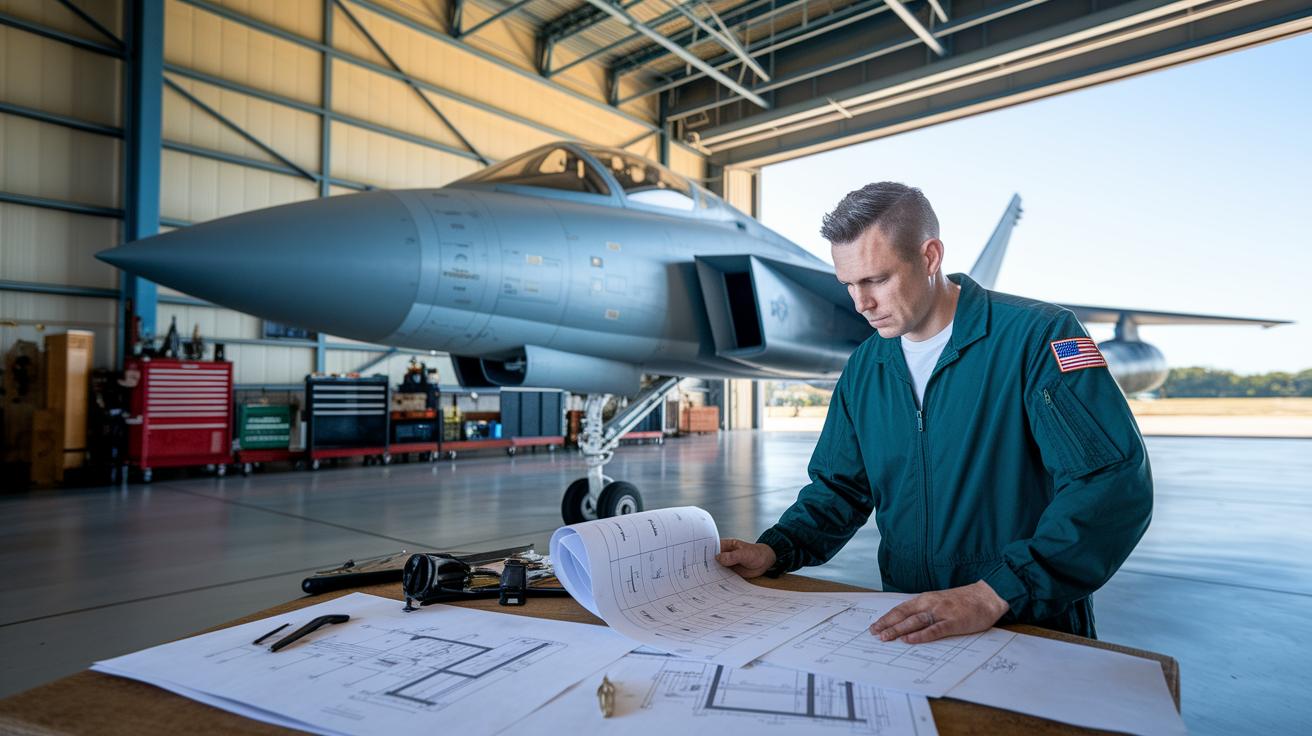
Engineers who build military aircraft combine studies in propulsion, structure, thermodynamics (the study of heat and energy), and avionics (the electronic systems used in aircraft) to create solid designs for fast, high-performance planes. They learn these subjects to lay a strong foundation, much like putting together a high-performance car engine, but envisioned for the skies.
Another important goal in designing military aircraft is making sure they fly well. Whether it's a combat jet or a missile, they need to cut through the air smoothly while withstanding powerful forces during quick maneuvers. This means using advanced technology that balances speed with stability. Engineers also add components like stealth materials and radar-absorbing coatings, which help hide the aircraft from enemy radar and keep it safer during risky missions.
Building powerful propulsion systems is just as vital. These engines power not just missiles but also high-speed jets and even hypersonic platforms (vehicles that travel at extremely high speeds). For instance, a recent project funded by part of the 2024 DoD space RDT&E budget, totaling $30 billion, is speeding up research to create engines that can handle tough flight conditions. This work is key to helping fast-moving aircraft navigate through turbulent air.
Bringing all these technologies together means that engineers need to understand both classic aerodynamics and modern stealth capabilities. They experiment with different designs and materials until they find the perfect mix. It's a bit like tuning a musical instrument, every tiny adjustment can change how the aircraft performs when it soars through the skies.
Careers and Compensation in Military Aerospace Engineering
Engineers usually begin their journey by earning a degree in aerospace engineering. From there, you have a choice to either follow an officer path or join as enlisted personnel. It’s like stepping from science labs into real-world challenges, imagine moving from classroom theories to helping test new aircraft designs.
Key branches for aerospace engineers in the military include:
- Army Reserve
- Marine Corps
- Navy Reserve
- Air Force
- Space Force
- Coast Guard
Each branch brings its own set of opportunities. As an officer, you might lead teams on research projects, while an enlisted role could find you hands-on with aircraft development and testing. Think of it like choosing a position in your favorite sport, you pick the spot where your skills truly shine.
The pay for these roles can vary quite a bit. Salaries range from about $24,754 to as much as $258,854. This wide range depends on factors like years of service, your education, additional special pays, your family status, and even where you're stationed. Imagine a seasoned engineer with extra certifications earning at the higher end, while a newcomer starts with a more modest income. Did you know that a four-year college degree can launch a career that offers competitive pay along with the chance to work on some of the most advanced military projects in the world?
The lifestyle isn’t just about paychecks, though. Military aerospace engineers enjoy benefits like global deployments, a strong sense of community, and a structured support system. It’s a career that’s both challenging and deeply rewarding, a way to safeguard national security while growing both personally and professionally.
Academic and Training Pathways for Aerospace Engineering in the Military

Most aerospace engineers in the military start with a four-year engineering degree. In college, students dive into subjects like propulsion, structure, thermodynamics (the study of heat and energy), and avionics (the electronic systems used in aircraft). It's a lot like learning the parts of a well-made engine. I remember a professor once saying, "The first time I stepped into the lab, the soft hum of the machines reminded me that every sound had its own story."
After finishing their degree, many graduates join on-the-job training programs where they earn advanced certifications. These programs help to polish technical skills and build confidence when handling complex defense projects. They also include classes on military etiquette and leadership, which are key for clear communication and effective team management when the pressure is on.
Internships offered by service academies and defense labs also play a big role. These programs let aspiring engineers work alongside seasoned experts in environments that mimic the challenges of military work. It's here that the theories learned in class turn into practical, hands-on skills.
In short, training in defense engineering blends solid academic studies with field experience. This combination readies future aerospace engineers to tackle tough defense challenges while moving military aerospace technology forward.
Research & Innovation in Military Aerospace Engineering
R&D projects, backed by the $30 billion 2024 space budget, are sparking fresh ideas in military aerospace engineering. In simple words, scientists are working on new drone designs (drones are unmanned aerial vehicles) and self-driving systems. Groups of engineers from different specialties join forces in special labs to test exciting new prototypes.
Advanced simulation tools are a key part of flight-test checks. Engineers build digital models to mimic tough situations, whether it’s stormy weather or intense combat moments. Think of it as a virtual lab where every move is carefully tested before a real flight. This helps fine-tune the aircraft while keeping risks to a minimum.
Researchers in labs are also focused on making drones even better for defense use. They experiment with different setups and flight patterns to ensure each design can handle real mission challenges. For example, one team recently tweaked a drone’s control system so it can navigate complex obstacles. Did you know that in its early days, a drone’s flight time was just over a minute? Today, thanks to smart simulation methods, drones can stay airborne for hours.
Engineers are also adding smart, self-guided features to these systems so they can operate autonomously during critical missions. By using advanced simulation tools, labs recreate tough scenarios that test every aspect of a design, ensuring both safety and reliability. This blend of hands-on lab work with digital testing is pushing military aerospace research forward and keeping defense technology at the cutting edge.
Space Systems in National Defense: Aerospace Engineering Military Applications
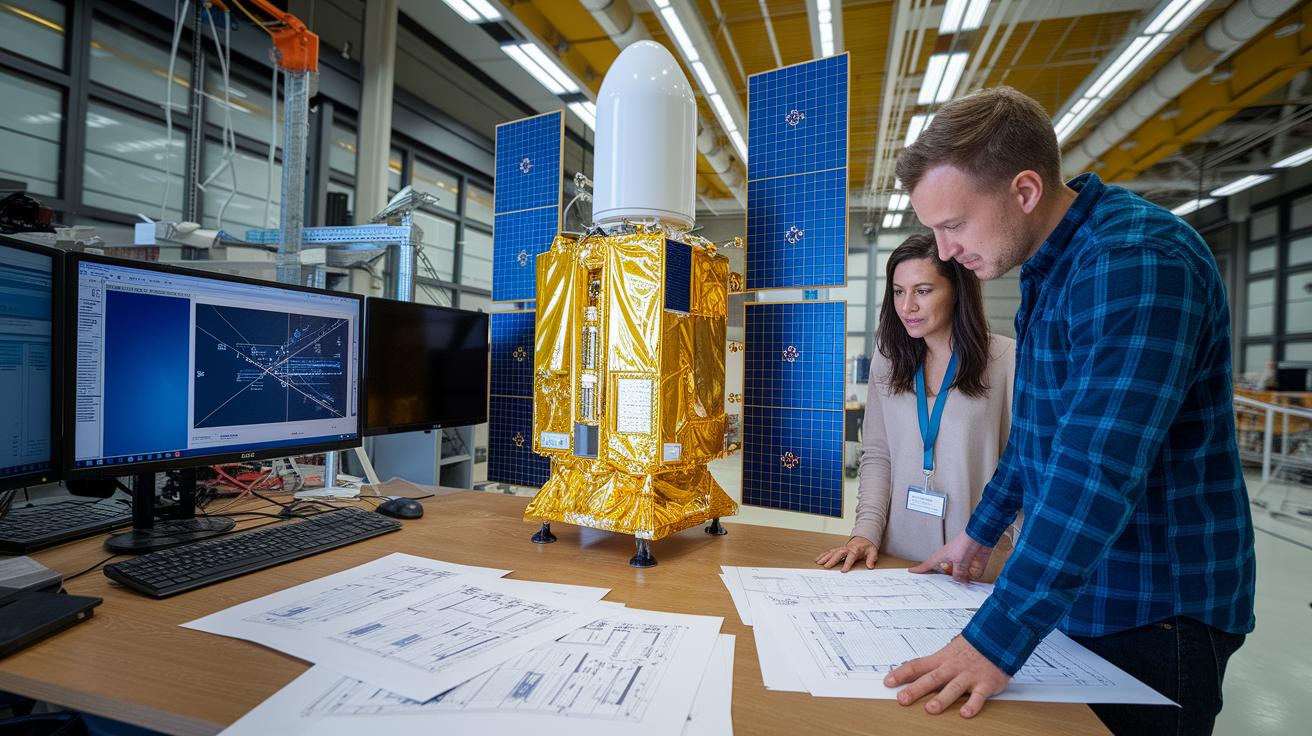
Aerospace engineers working on national defense build spacecraft and satellites that keep our country safe. They design tough systems that handle communications, reconnaissance (secret info gathering), and navigation, even in hard situations. Imagine a satellite as a floating command center that links military units around the world in real time. It really makes you wonder how these machines keep everything connected.
Engineers creating these spacecraft are always exploring new ways to boost security. They ensure systems support secure communications and pinpoint navigation, which are key for smooth military operations. One big challenge they face is adding cybersecurity (protecting digital data) right into the design so that satellites can fend off cyber-attacks. They work hard to make sure these tools stay safe against any sneaky invaders.
The Space Force invests a lot in launch systems needed to deploy satellites into orbit. This funding not only improves how satellites are sent into space but also helps advance new launch technologies for defense. Every part of the launch process is carefully designed so that satellites reach a secure orbit where they operate reliably for years.
Designing satellites for national security is a mix of creative design and cutting-edge technology. Engineers handle everything from building power systems that keep satellites running to managing the complex data needed for navigation and surveillance. They blend standard engineering know-how with specialized skills to create these space guardians that protect our skies.
Each design decision keeps national safety in mind. Picture an advanced satellite that not only transmits important messages but also spots potential threats from space. This clear example shows how aerospace engineering plays a real role in modern defense, securing our skies and supporting essential military missions.
Next-Generation Military Aerospace Engineering: Emerging Trends & Technologies
Military aerospace research is moving fast as engineers explore new materials like advanced composites and radar-dampening coatings (substances that help hide aircraft from radar). These innovations make it harder for enemies to spot aircraft during operations. Imagine a small lab sample making a huge plane almost invisible on a radar screen. This progress not only boosts stealth but also creates airframes that are light and strong.
Scientists are also working on hypersonic flight, where vehicles zoom faster than five times the speed of sound. Picture a craft that deals with extreme air pressure at incredible speeds. This work mixes basic heat and energy studies (thermodynamics) with new engineering materials, helping to design the next generation of defense platforms. It’s really exciting to see how overcoming old speed limits can lead to safer and more efficient flight.
Engineers are now integrating multiple systems into one unified airframe. They’re combining smart flight controls, mission planning software, and electronic warfare tools so that everything works together like a perfectly tuned band. This integration ensures that every aircraft not only meets needs for speed and stealth but also handles complex defensive tasks seamlessly.
Big investments in research and development are creating the perfect environment for these breakthroughs. With focused efforts on next-generation materials and system integration, military aerospace is stepping into a brave new world where precision and agility will completely change modern defense capabilities.
Final Words
In the action, we reviewed military roles, technical design, and academic paths that shape defense aerospace projects. Technical insights, from propulsion system design to next-gen stealth features, showcase how research in key areas supports streamlined innovation.
We also examined career opportunities and space systems vital to modern defense objectives. Each step highlights progress in aerospace engineering military, sparking everyday curiosity as fresh solutions pave the way for a brighter future in science and innovation.
FAQ
How much do aerospace engineers make in the military?
The salary range for military aerospace engineers usually covers from about $24,754 to $258,854, depending on service years, education, location, and special pays.
What career paths and programs are available for aerospace engineers in military roles?
Military aerospace engineers work on designing aircraft, propulsion systems, space technology, and more through programs offered by branches like the Air Force, Space Force, and Army Reserve.
Can you be an aerospace engineer in the military?
Becoming a military aerospace engineer is possible with an engineering degree, on-the-job training, and entry through officer commissioning or technical tracks within the military.
Does the military need aerospace engineers?
The military relies on aerospace engineers to design advanced aircraft, develop propulsion systems, and support space operations that are key to national defense.
Which military branch offers the best opportunities for aerospace engineers?
The Air Force and Space Force are renowned for aerospace engineering roles due to their focus on aviation and space systems, though other branches offer valuable career paths too.