
Have you ever been curious if machines really talk to each other? Today, many factories use smart sensors (tiny devices that detect issues) and computer systems together to catch problems early, saving time and money. It's a bit like moving from steam power to electricity, a change that made work smoother and outcomes better.
Industry 4.0 mixes digital tools with everyday production, helping businesses get more efficient and save time. In this post, we'll dive into how these tools are shaking up operations and helping companies run smarter every day.
Industry 4.0 Technologies Spark Business Transformation
Industry 4.0 means adding digital smarts to everyday production. It’s similar to the great switch from steam power to electricity. Today, machines work partly on their own, which boosts how smoothly things run and helps create smarter ways to make products.
Imagine a factory where every machine talks back and forth in real time. Each piece of equipment checks its own performance, senses when it might need a little fix, and even lets a worker know before a small issue turns into a big problem. A neat fact is that just one sensor on a key machine can send signals that stop expensive breakdowns, much like a smoke alarm that sounds before a fire spreads.
Manufacturers now use computer systems powered by artificial intelligence (AI, which means machines that can learn and make decisions) to sift through large piles of sensor data in seconds. This smart technology helps predict when maintenance is needed, cuts down on waste, and even trains workers safely using virtual setups. With better planning, companies can match production with real demand, leading to more accurate forecasts and higher overall productivity. Trends in automation also give useful hints that guide every step, from design to delivery, so everything stays on track with the company’s goals.
Bringing these new digital tools into the mix not only makes daily operations smoother but also turns old-fashioned workflows into lively, connected production systems ready to take on today’s challenges.
Industrial Internet of Things and Sensor Networks in Industry 4.0
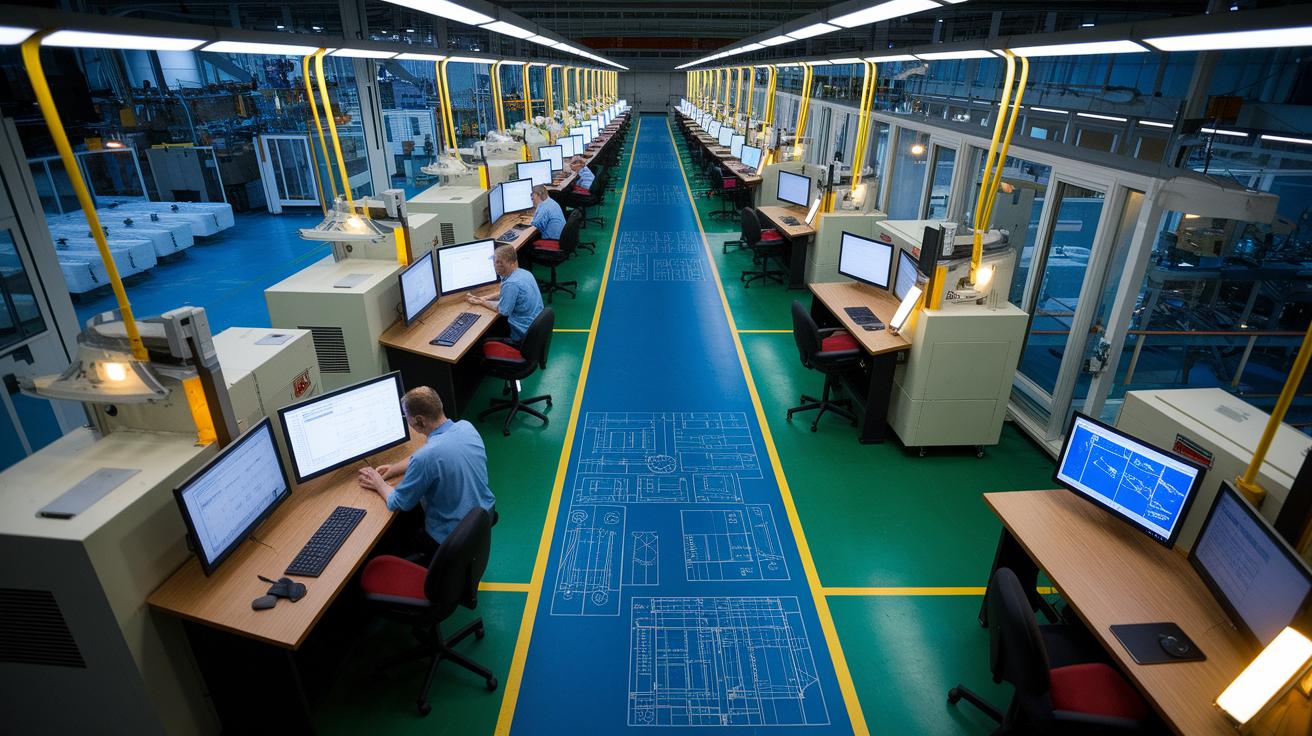
Smart factories now use active sensors to gather important details about machine use, energy savings, and uptime in real time. These little computing devices are put on vital machines, sending a steady flow of data that lets workers watch what’s happening on the shop floor as it happens. Imagine a sensor on a production line that notices a drop in performance and instantly signals a maintenance check before a problem gets worse.
Machine learning (computer programs that learn from data) looks at these sensor feeds to spot any hiccups in production. For example, if a machine starts taking longer to do its job, the system might flag it so someone can check things before a breakdown happens. This smart use of data helps keep things moving smoothly and sets up repairs before small issues turn into big ones.
Real-time monitoring platforms are key players in this setup. They collect data from all over the facility, tearing down old data silos and letting managers make quick decisions about production plans and quality control. Wireless communications in factories mean these sensors can talk to each other easily, while edge computing (processing data right where it’s collected) helps fix issues fast by reducing delays.
- Active sensor data makes machine activity clear.
- Continuous data streams help find slowdowns.
- Real-time monitoring means repairs happen quickly.
Together, these systems work like a well-oiled machine, making sure every part of a smart, connected production line does its job perfectly.
AI-Powered Manufacturing and Autonomous Robotics
In our modern smart factories, robots and AI are changing how work gets done. Imagine a busy warehouse where an autonomous robot carefully moves heavy items or picks orders by itself, freeing people from dangerous, repetitive tasks.
AI and machine learning (tech that helps computers learn from data) act like a super quick-thinking teammate. They sift through loads of sensor and production data, adjusting things on the fly and predicting when maintenance is needed. It’s a bit like watching a well-coordinated soccer team, one smart alert can prevent a big problem before it even starts.
Then there are collaborative robots, or cobots, that work side-by-side with human operators. With safety sensors and vision systems, these cobots handle risky or precise jobs while people focus on tasks that truly need a human touch.
| What Robots Do | What AI Does |
|---|---|
| Handle heavy loads and repetitive tasks | Analyze data and adjust production in real time |
| Work closely with human teams | Spot potential problems before they slow work |
By blending AI, machine learning, and advanced robotics, manufacturers boost production and reduce downtime. This mix creates safer, more efficient operations that not only meet market demands but also protect workers. It’s a smart evolution in everyday industrial work, setting a fresh pace for how things get done.
Digital Twin Modeling and Simulation for Process Optimization
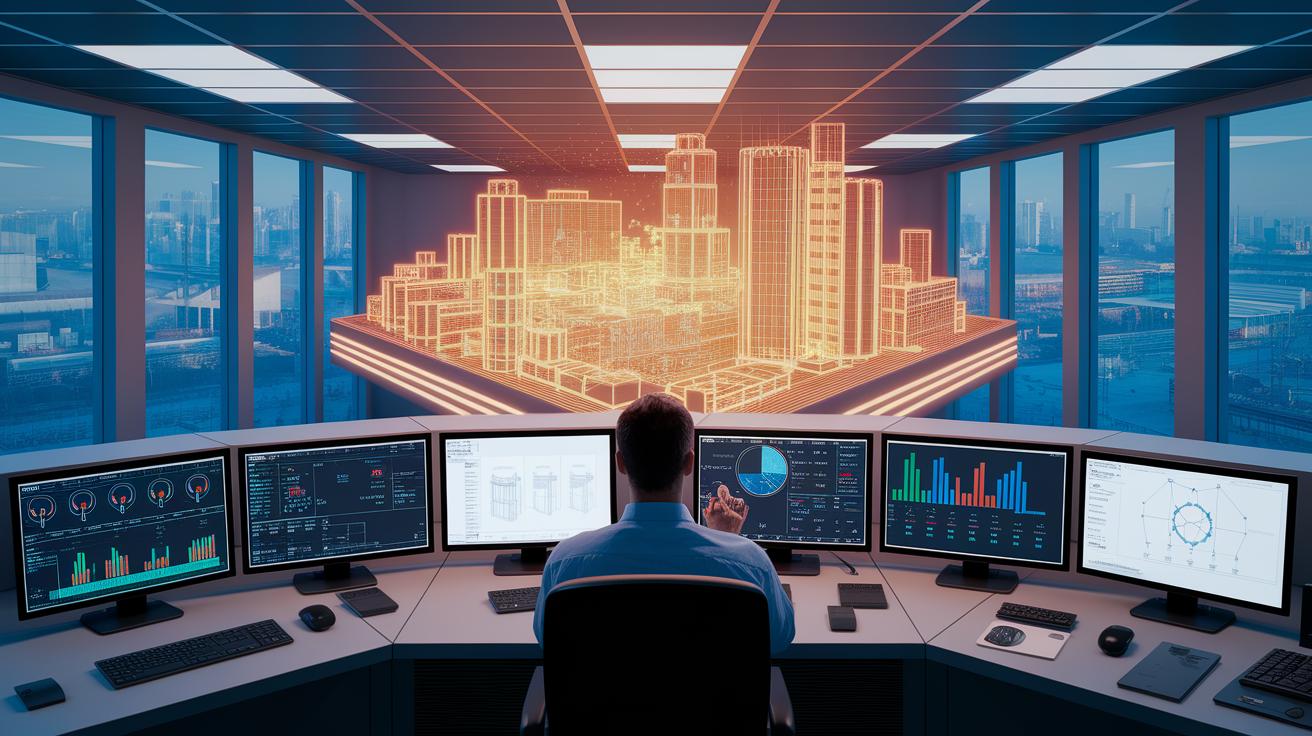
Digital twin modeling builds a real-time, 3D copy of your equipment and facilities. This means you can see exactly where each asset is, how well it's running, and when it might need a tune-up. Picture a virtual version of your production line that tells engineers if a machine suddenly slows down, sort of like a pilot watching flight instruments for any unusual changes.
Simulation tools work hand in hand with these digital copies. They let you test out process tweaks before making any physical changes. It’s like trying a new layout on paper before rearranging your room. You get to see different scenarios in a safe, risk-free way, ensuring every change is a step toward better performance.
By using these systems, you can confidently test ideas and polish your processes. They catch potential hiccups early on, ensuring your production lines stay efficient and avoid costly fixes later. This mix of digital blueprints and simulation gives you a smart, flexible way to keep pace with innovation while taking practical steps to improve your setup.
Cloud, Edge Computing, and Cybersecurity in Industry 4.0
Cloud platforms are like the nervous system of modern factories. They collect and process huge amounts of sensor and operational data for monitoring risks, spotting trends, or managing production over several sites. Think of them as the digital hub that turns everyday machine data into practical insights. For example, the information gathered from machines can signal when maintenance should happen or alert managers to changes in production. This helps them make quick, data-based decisions that keep things running without a hitch.
Edge computing takes the process one step further by working right where the data is made. It processes information near its source (a bit like handling a problem right as it occurs), which means less strain on the network and a faster system response. So, if a sensor picks up an issue, the local system can jump in and adjust things instantly without waiting for instructions from a faraway server. This quick reaction helps keep the production line steady and efficient.
Cybersecurity measures wrap all these systems in a protective layer. They guard against threats like ransomware (malicious software that locks your files), intellectual property theft, and sabotage. Modern techniques, like AI-driven threat detection (smart tech that finds dangers) and blockchain (a secure digital record), act as built-in guards. With these security practices in place, companies can rely on their digital systems, confident that the backbone of Industry 4.0 will stay safe and sound.
Augmented Reality Interfaces and Human-Machine Interaction
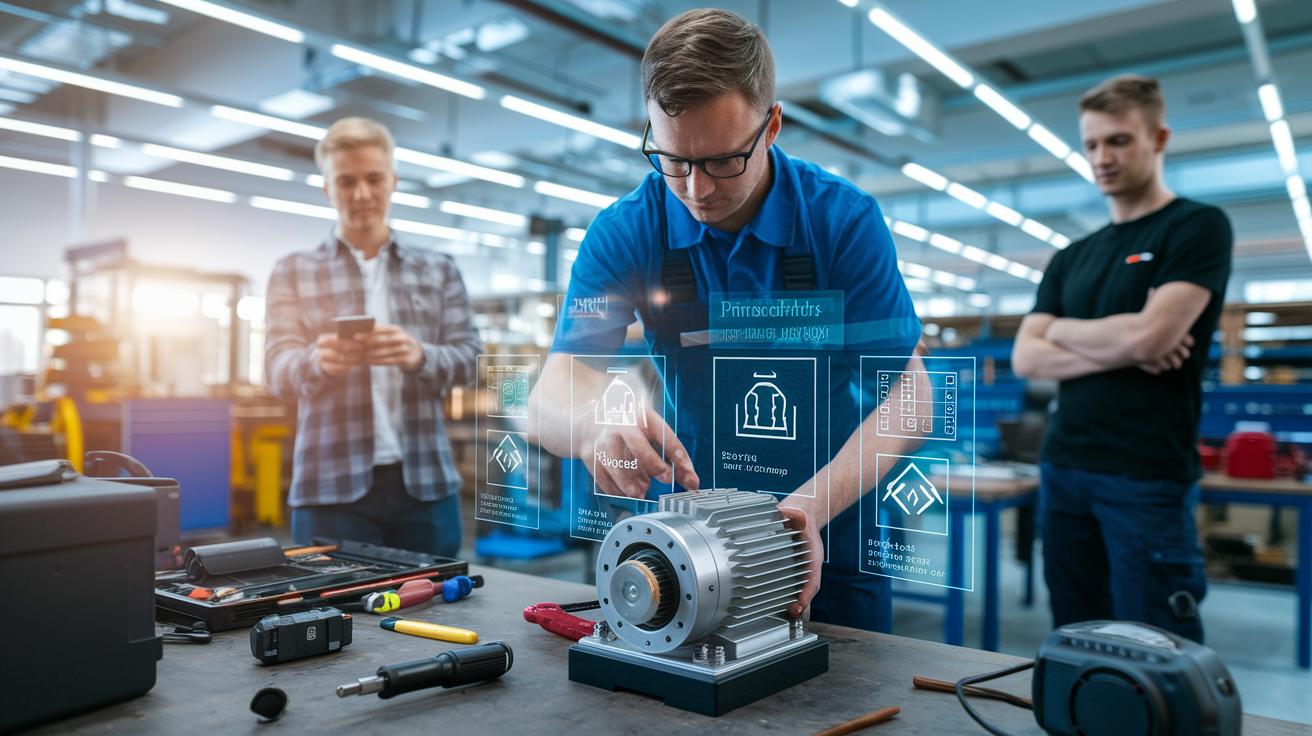
Augmented reality screens blend digital details with real-world machines to help workers do their jobs better. Imagine a technician fixing a motor while clear, on-screen hints tell them exactly what to do. This live guidance shows every tiny detail when needed, making it easy to know what needs fixing at every step.
Virtual training setups let workers practice tough tasks in a safe space. Picture training on a dangerous process in a simulation where all your moves are watched and quietly corrected. These practice tools make skills sharper and boost confidence in handling complex systems without stopping real work.
Interactive AR dashboards add even more benefits by letting teams work together from different places while keeping tabs on progress in real time. This kind of live collaboration means problems can be spotted and fixed quickly, smoothing out the whole process on the factory floor. By using these digital tools, workers and managers work side by side without missing a beat, reducing mistakes and making maintenance safer and smoother.
Industry 4.0 Case Studies: Real-World Manufacturing Implementations
In the car industry, Great Wall Motor’s smart factory in Thailand stands out. They use smart sensors (industrial internet of things, which connects devices to share data), cloud analytics, and robotics to speed up assembly and reduce waste. This shows how using digital tools and smart supply chain strategies can make production safer and more efficient.
In the electronics field, Pegatron’s plant in Vietnam is a great example too. They rely on a 5G-enabled network (a super-fast connection with very little delay) to link sensors and robots. This real-time setup means any changes in production get shared instantly, making it easy for the plant to adjust quickly to new market needs and keep quality high.
Food and beverage makers are also embracing Industry 4.0. They put automated controls and sensors in place to monitor quality, cutting down on manual work. By using predictive maintenance (systems that alert you when something might fail), they can fix issues before they become big problems. This leads to quicker responses and more reliable production lines.
In Malaysia’s metals industry, Tonasco shows how a mix of digital tools can work wonders. They combine smart devices, robotics, digital twin simulations (virtual models of their production), computer-aided manufacturing (software that helps design and produce parts), and ERP systems (tools that manage all parts of a business). This digital blend not only improves precision but also helps spot potential equipment problems in advance.
| Industry | Key Technologies |
|---|---|
| Automotive | Sensors and robotics for faster assembly |
| Electronics | 5G networks for real-time machine coordination |
| Food & Beverage | Automated sensor checks to boost quality |
| Metals | Digital twins and automation for precision and preventive care |
These case studies show that smart factories are changing the way industries work. By mixing digital tools with real-time data, companies are achieving more efficiency, greater flexibility, and higher product quality every day.
Emerging Industry 4.0 Technologies and Future Trends
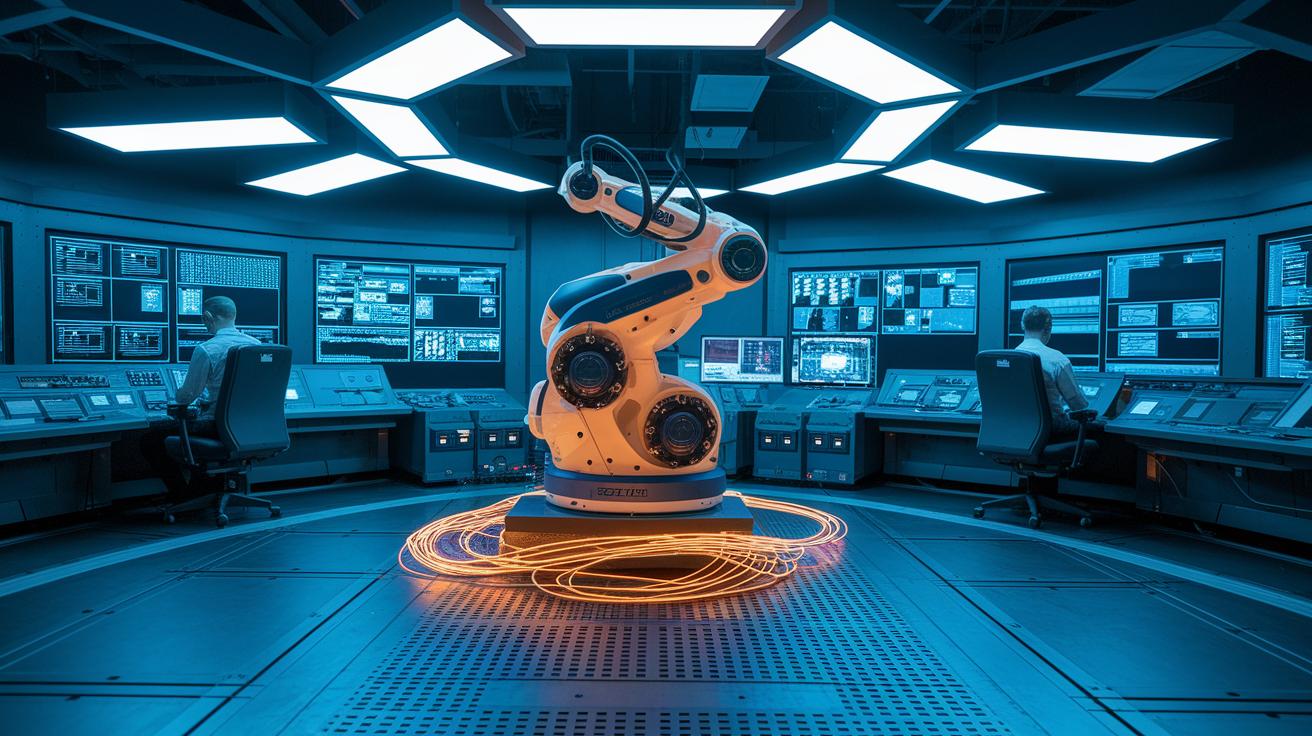
Manufacturing is being taken to exciting new places by a host of innovative technologies. Tools like generative AI (computers that can create content similar to human work) and private 5G (a dedicated, super-fast network for devices) let machines react almost instantly. Picture a control room where a robot switches gears immediately during an urgent change because of a secure, speedy network.
Mobile robotics and collaborative cobots (small robots built to work alongside humans) are becoming even smarter. Thanks to advanced vision systems and real-time decision tools, these machines can catch mistakes and fix them as they happen. Imagine a cobot spotting a misaligned component and correcting it right on the spot. It’s a real peek into the future of automation.
AR (augmented reality, where digital images mix with the real world) and VR (virtual reality, which creates completely digital settings) are transforming remote maintenance and training. Remote operators can now jump into a virtual factory floor and receive live, step-by-step help, just as if they were there in person. Think of a technician, wearing AR glasses, following a clear visual guide to repair a tricky machine. This breakthrough makes learning smoother and cuts down on costly downtime.
Manufacturers are also turning their attention to greener production methods. By adding smart energy management tools (systems that help track and reduce energy use) into the mix, companies are working toward environmental goals while making operations more efficient. New software is linking these creative ideas with everyday production, setting the stage for a future that’s both dynamic and sustainable.
Final Words
In the action, the post breaks down how machines and processes are getting smarter with industry 4.0 technologies. It walks through smart sensors, AI-driven robotics, digital twins, cloud data handling, and immersive AR interfaces. Each layer works to boost efficiency and transform everyday production into a more streamlined process.
The post also highlights real-world examples and future trends that keep reshaping manufacturing. It leaves us feeling excited about the next steps and confident in the bright path ahead.
FAQ
What are some examples of Industry 4.0 technologies and fourth industrial revolution technologies?
Industry 4.0 examples include AI-powered production, smart sensor networks, autonomous robotics, digital twins, cloud systems, and augmented interfaces, all of which modernize manufacturing and boost operational efficiency.
What do Industry 4.0 technologies PDF and PPT resources provide?
Industry 4.0 technologies resources in PDF or PPT offer visual guides and detailed layouts that explain smart systems, sensor networks, and digital models, making these complex processes easier to follow.
How does Industry 4.0 transform manufacturing?
Industry 4.0 in manufacturing reshapes production by using interconnected machines, real-time monitoring, and digital twins to improve efficiency, product quality, and overall safety in the factory.
What is the history of Industry 4.0 and when did it start?
Industry 4.0 history points to its emergence in the early 21st century when digital integration and advanced sensors began transforming traditional manufacturing into smarter, data-driven processes.
What are the main benefits of Industry 4.0?
Industry 4.0 benefits include higher efficiency, better forecasting, quicker decision-making, predictive maintenance, and improved worker safety—all driven by real-time and integrated digital systems.
What are Industry 4.0 technologies?
Industry 4.0 technologies cover smart sensors, industrial IoT devices, AI algorithms, autonomous robots, digital twins, and cloud platforms, which together create efficient, digitally connected production systems.
What are the six main applications of Industry 4.0 today?
The six main applications include smart manufacturing, predictive maintenance, supply chain optimization, quality control, automated production, and enhanced safety monitoring through digital integration.
What are the five advanced technologies shaping Industry 4.0?
The five advanced technologies involve AI-driven systems, industrial IoT networks, autonomous robotics, digital twins, and augmented reality systems, which are key to creating smarter industrial operations.
How does Industry 4.0 relate to past industrial revolutions and the Information Age?
Industry 4.0 builds on previous industrial shifts by integrating digital intelligence from the Information Age with modern manufacturing techniques developed during early industrial advances of the 20th century.
What does “Cách mạng Công nghiệp” mean in the context of Industry 4.0?
“Cách mạng Công nghiệp” translates to “Industrial Revolution” in Vietnamese, highlighting the global impact of digital transformation that Industry 4.0 brings to modern production.