
Have you ever imagined what our planet would say if it could talk? Our climate’s history is full of moments that show how Earth's weather has changed over time. Old ice holds secrets from long ago, while today’s science helps us follow new weather shifts. In this post, we look at nature’s surprises and the brave actions people have taken. We trace a timeline that links simple clues from the past with today’s weather puzzles, with every moment teaching us something new about our future on this ever-changing planet.
Defining the Climate Change Timeline
The climate change timeline shows the key moments that help us understand how our planet's weather has evolved over time. It includes natural events discovered through tools like ice cores (long cylinders of frozen water that tell us about past climates) and big steps taken by people through science and policy. For example, did you know that scientists have found out ancient ice cores can reveal secrets about Earth’s air from tens of thousands of years ago? It's like having a window into a very different climate.
Over centuries, natural patterns like ice ages and warmer periods have shaped our world. But today’s changes happen so fast compared to the slow shifts over many years. Global temperatures are rising quickly, and weather patterns are shifting in ways nature never showed before. This clear difference reminds us how much human activities, especially since we started using machines during the industrial age, are influencing our world.
Important milestones on this timeline include early studies where people started carefully watching the climate, the first big global talks about warming, and the development of modern climate models (computer programs that predict weather patterns). These steps mark a shift from scientists using simple tools to today's advanced satellites that monitor our planet from space.
This timeline is more than a list of dates. It also shows how our reactions evolved from small scientific experiments into big, international efforts to slow down climate change. Every step, from basic observations to modern clean energy breakthroughs, helps us understand and shape our future.
From Ancient Climate Shifts to Pre-Industrial Trends
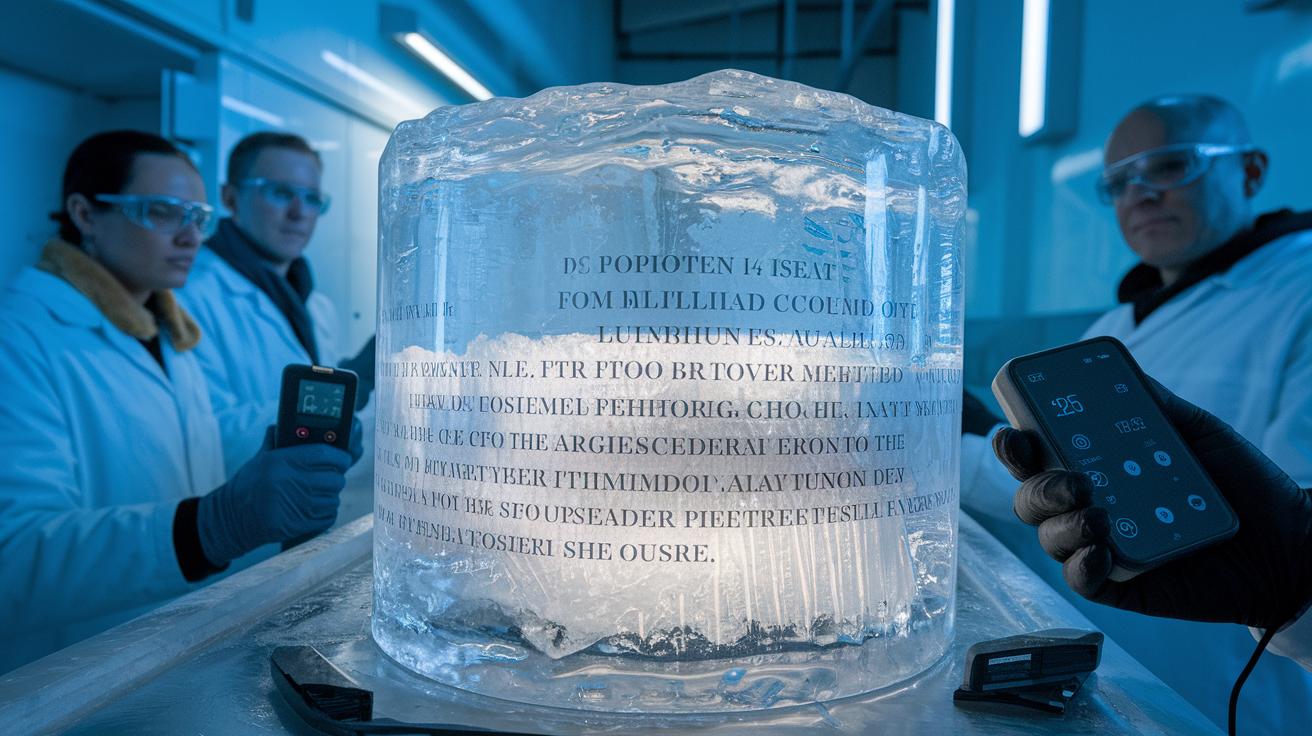
Before the industrial era, our planet’s climate changed slowly and steadily. Scientists have uncovered ice cores (chunks of frozen water that capture ancient air) and layers of sediment that record temperature changes for nearly 800,000 years. Imagine finding a piece of ice that acts like a diary, with each layer whispering a tale of long-ago times.
These natural records show clear periods of change where ice ages gently shifted into warmer periods. Over time, the world was reshaped in a gradual dance of glacial and interglacial spans. Then, about 11,700 years ago, came the Holocene, a period with calm, steady temperatures that let nature and early humans settle and grow without wild swings.
Before machines and fossil fuels took over, climate shifts happened because of natural causes like small changes in Earth’s orbit or variations in the sun’s heat. These slow shifts set the stage and help us see just how fast human-driven warming is happening today. In truth, while Earth’s climate has always had its ups and downs, the speed of change now is a whole different story.
Industrial Revolution and the Rise of Anthropogenic Warming
Back in the Industrial Revolution, people began changing our planet’s climate in a big way. We burned a lot of coal to power factories, railroads, and steam engines, which filled the air with a gas called carbon dioxide (CO2, a heat-trapping gas). Between 1750 and 1950, CO2 levels rose from around 280 parts per million to about 315 parts per million. In simple terms, our planet has warmed by roughly 1°C since those early times.
At the same time, we cut down many forests for farmland, which made it harder for nature to absorb CO2. Do you remember when climate scientist James Hansen talked to Congress in 1988? He explained, in plain language, that burning fossil fuels like coal and oil adds extra greenhouse gases to our atmosphere. These gases act like a blanket, trapping heat and causing our planet to warm gradually.
If you’re curious to learn more about these heat-trapping effects, you can check out the explanation on what is climate change. The evidence shows that our heavy use of fossil fuels and changes in land use have set off the warming we see today. It’s a strong reminder that our energy choices have long-lasting effects and that we need to find cleaner, smarter ways to power our lives.
Looking back on these events shows us how actions from the past continue to shape our world. They challenge us today to rethink how we produce energy and take better care of our planet.
Key International Agreements in the Climate Change Timeline

Back in 1979 at the Geneva Conference, a group of scientists and leaders first put together ideas to address a warming planet. They set up basic goals and simple ways to track changes in our environment that would work for both governments and local communities.
In 1992, the Rio Earth Summit gathered countries to share a bold plan for cutting emissions and working more closely together. Then, in 1997, the Kyoto Protocol took it a step further by adding clear targets for richer nations along with practical ways to report progress.
By 2009, the Copenhagen Accord shifted some focus onto how countries could help each other with funding to adopt smarter, cleaner technologies. Finally, the Paris Agreement in 2015 refined these ideas into a global plan that pushes for real accountability and steady progress.
All these agreements together show a clear timeline of how our approach to climate change has grown and changed over time, each building on the last to help us protect our planet.
Recent Decades: Temperature Trends and Environmental Impacts
Between 2000 and 2020, the world’s average temperature bumped up by about 0.3°C. It might seem like a small shift, but even a tiny change can set off big effects in our environment. For instance, satellite data tells us that since 1993, sea levels have been rising by roughly 3.2 mm each year. When you add that up over many years, it makes a huge difference, especially for people living by the coast.
Our observations show that the climate is changing in clear ways. We now experience stronger heatwaves that can feel like a long, dry, and unyielding summer, more intense storms, and longer droughts. Have you ever wondered how a small temperature jump can lead to these heavy heatwaves? Satellite images have revealed just that, a 0.3°C increase can really push the weather to extremes.
These changes are a key part of the story of global warming. Policymakers and researchers watch these temperature and sea level shifts closely. They use this information to understand how decades of energy use and changes in land are affecting our planet. Next, this data helps shape important decisions on how to care for our Earth.
| Observation | Data |
|---|---|
| Temperature Increase (2000-2020) | +0.3°C |
| Sea Level Rise (since 1993) | +3.2 mm/yr |
In truth, these trends link new measurements with the long history of global warming. They remind us to keep a close eye on our rapidly changing environment and our role in it.
Future Projections and Risk Forecasts in the Climate Change Timeline

When we look ahead at our climate, scientists have predicted some clear changes that show how urgent it is to deal with global warming. Researchers use models (special computer simulations) based on how much we pollute to outline what might happen. For example, the IPCC AR6 report tells us that if we keep emitting gases at our current rate, the Earth could warm by about 1.5 °C by 2030–2040. Imagine a world where just a 1.5 °C rise changes weather patterns in big ways. It's a strong reminder of the challenges we face.
If we follow a more severe option known as the RCP8.5 pathway (a scenario where emissions are very high), scientists project that temperatures could go up by 3 to 5 °C by 2100. That kind of warming could really shake things up for both nature and people. On top of warming, studies also suggest sea levels may rise between 0.6 and 1.1 meters this century. Even a small change like this could mean more floods and changes to coastal habitats.
These predictions show us that everything in our environment is connected. As land and air warm, our water systems and weather patterns also change. Think of it like a gradual rise of water on a balcony that suddenly turns into a flood. Scientists have worked hard to take complicated data from computer models and turn it into forecasts that are easier to understand.
In truth, these careful studies remind us that the choices we make today matter a lot for our future. The numbers in these global warming projections set a tough challenge for communities and governments as they plan for a world with growing climate risks.
Final Words
In the action, we traced how Earth's climate shifts have evolved, from natural changes in ancient times to the sharp rise in today’s warming. We saw the impact of early human activity and the steps taken through major international deals. The latest data and future models remind us that every era shapes our climate change timeline. Our understanding grows with each secret of the past, lighting our way to brighter, more informed decisions for tomorrow.
FAQ
What does the climate change timeline in order represent?
The climate change timeline orders major events from natural climate shifts in the distant past to human-driven warming and global policy steps, highlighting how Earth’s climate has evolved over millennia.
What does the climate change timeline 2050 indicate?
The climate change timeline 2050 shows future projections based on current emission trends and model forecasts, illustrating expected temperature increases, rising sea levels, and shifts in weather patterns by mid-century.
What is a climate change timeline for students?
A climate change timeline for students breaks down key climate events—from ice age changes and the industrial revolution to modern policy agreements—into clear, digestible milestones for easier learning.
What does the climate change timeline graph display?
The climate change timeline graph visually maps significant scientific and policy milestones along with temperature and sea level trends, making it easier to see how various factors have contributed to today’s warming.
What marked the climate change timeline in 2021?
The climate change timeline in 2021 highlights recent shifts in global temperature trends and policy updates, showing ongoing environmental impacts and the urgency of further climate risk assessments.
What is a short history of climate change?
A short history of climate change explains the shift from natural climate cycles to rising temperatures driven by human activities, all while emphasizing key scientific findings and policy responses over time.
What does the timeline of climate change since the ice age cover?
The timeline since the ice age covers natural climate cycles and transitions to human-influenced warming, using evidence from ice cores and sediments to mark shifts from millennia of stability to recent rapid changes.
When did global warming become an issue?
Global warming became an issue as industrial activities increased CO₂ levels after the industrial revolution, with public concern growing substantially in the late 20th century as scientific evidence linked emissions to rising temperatures.
Will it be hotter next year in 2025?
Based on existing climate trends and current emission levels, it is likely that temperatures in 2025 will continue to rise, though yearly variations depend on natural climatic factors and short-term weather patterns.
What will 2050 look like in terms of climate change?
By 2050, projections show a warmer planet with higher sea levels and more frequent extreme weather events, emphasizing the need for emission reductions and adaptive strategies to manage climate risks.
Is it hotter now than 30 years ago?
Temperature records clearly indicate that it is warmer now compared to 30 years ago, reflecting the cumulative effect of human activities and the ongoing increase in global warming trends over recent decades.
Why is 2030 considered our climate change deadline?
The year 2030 is seen as a critical deadline because reaching key emission reductions by then is essential to limiting dangerous warming, making it a focal point for governmental and global climate action efforts.