
Have you noticed that nature just doesn't feel the same anymore? Warmer weather is nudging plants and animals out of the places they call home. Some studies suggest that extinction rates are now up to 35 times higher than what they used to be.
This big shift is throwing nature off balance and changing how different species interact with their homes. In this piece, we'll explore how climate change is flipping familiar ecosystems on their head and why that matters for our future.
So, what does all this mean for the world around us?
Climate Change’s Role in Accelerating Biodiversity Loss
Rising temperatures and shifting weather patterns are changing our natural world faster than ever. Global warming alters the way animals behave and where they live, which in turn makes our climate even more fragile. For instance, plants and animals that used to help cool the earth are now in decline, adding more risk as the warming continues. Did you know that current extinction rates are 35 times higher than normal? Many experts see this as a sixth mass extinction, much like when the dinosaurs disappeared.
Scientists predict that by 2030, global temperatures could rise more than 1.5 °C above pre-industrial levels. With this increase, we might face more severe issues like stronger fires, wild storms, and longer droughts. Here’s a surprising thought: before things shifted, many forests cooled the earth by soaking up carbon; now, some even release extra carbon, making global warming worse.
Healthy ecosystems help keep local climates steady. When these diverse natural communities shrink, their ability to act like nature’s cushion disappears and we become more vulnerable to extreme weather. All of this shows that climate change, along with other pressures, is rapidly shaking up species diversity and making our natural environment unstable over time.
Mechanisms of Climate Change Affecting Biodiversity
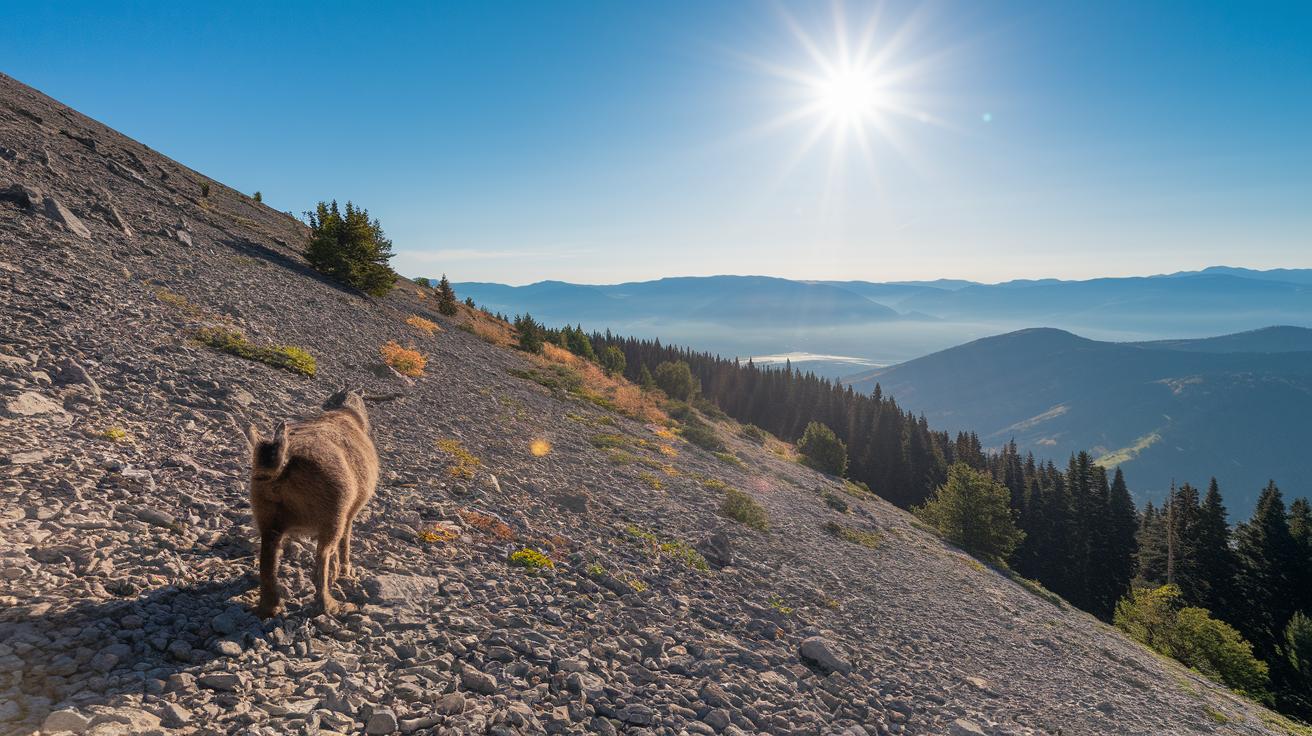
When the weather heats up, plants and animals often have no choice but to leave their usual homes. As temperatures rise, many species have to move to cooler areas, like higher up on a mountain or farther north. This sudden move can sometimes lead to local extinctions because many creatures simply can’t adjust fast enough.
At the same time, weird shifts in rain and bursts of intense heat create harsher conditions. These quick changes mean that the natural homes of many living things suffer, leaving them stressed and vulnerable. It’s like suddenly finding yourself in a place where everything feels off.
Climate change also mixes up the natural chemical and biological balance in our world. For example, warmer ocean waters end up with more acid (think of it like extra sourness) that weakens shells and corals, upsetting the delicate food chains in the sea. On land, shifts in temperature and moisture open doors for non-native species and pests to move in, which puts even more pressure on native plants and animals.
| Climate Change Impact | What It Means |
|---|---|
| Shifting Species Ranges | Animals and plants are forced toward cooler areas |
| Changing Rainfall Patterns | Unusual rains alter water availability for life |
| More Extreme Weather | Increased intensity and frequency of storms and heat waves |
| Warmer, More Acidic Oceans | Increased ocean acidity harms shells and corals |
| Expansion of Invasive Species | New and unwanted species take over native spaces |
| Disrupted Species Interactions | Changes in how species live and work together affect the whole ecosystem |
Biodiversity Impacts: Climate Change Case Studies
Coral Reefs
Since the 1980s, warmer seas have sparked a fourfold rise in coral bleaching. This means that up to 70% of a reef can lose its color and struggle to bounce back. When corals bleach, it affects everything else too, fewer fish that depend on them and broken bonds among species make these underwater worlds much more fragile.
Amazon Rainforest
New research shows that the Amazon, once a strong carbon absorber, now releases more carbon into the air. Rising temperatures and fast deforestation are the culprits. This change removes the rainforest’s natural ability to keep moisture and balance temperatures, putting many plants and animals in harsher, more unpredictable conditions.
Polar Ecosystems
Things are pretty stark in the polar regions. Since 1979, Arctic sea ice has shrunk by 40%, cutting down the living space for creatures like polar bears and seals. This loss of ice not only changes their habitat but also alters how these animals behave, showing just how important a cold, stable environment is for their survival.
| Ecosystem | Region | Key Impact | Data/Facts |
|---|---|---|---|
| Coral Reefs | Tropical Oceans | Bleaching & Fish Decline | Bleaching four times more frequent since 1980; up to 70% of reefs affected |
| Amazon Rainforest | South America | Shift to Carbon Emitter & Drought Stress | Changed from carbon sink to source; worsening drought conditions |
| Polar Ecosystems | Arctic | Sea Ice Loss & Species Impact | 40% drop in sea ice since 1979; significant impacts on polar species |
Biodiversity Adaptation and Resilience Under Climate Warming
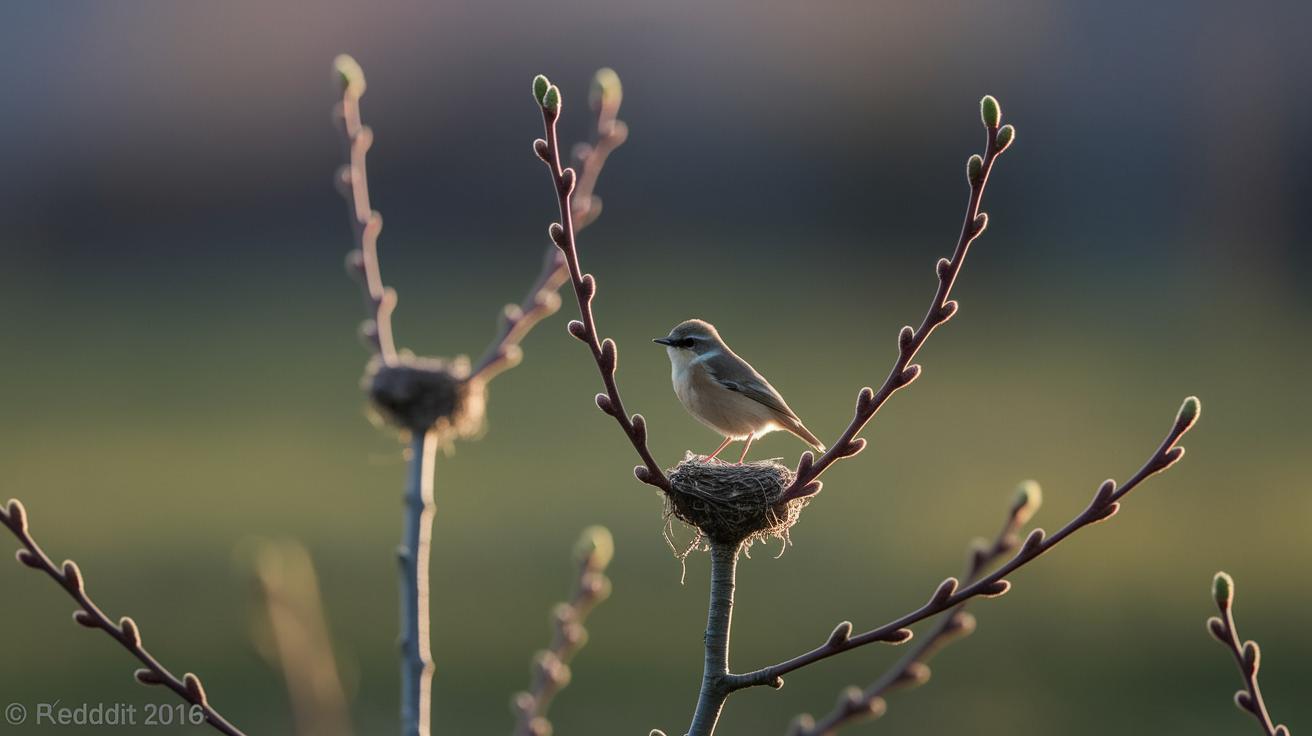
Many species are already changing their daily routines to match warmer weather. For example, some birds now nest two weeks earlier than they did just a few decades ago. This change, called a phenological shift (a fancy term for adjusting seasonal behaviors), lets them take advantage of food that's available sooner. Still, not every species can keep up. Ecosystems that have lots of genetic diversity handle the stress of warming better, but there’s a limit. When temperatures push past that limit, even the toughest groups start to struggle and lose the natural balance they once had.
Scientists are exploring smart ways to help nature adjust smoothly. One idea is to connect separate habitats through integrated landscape management. Another is to plant a mix of different species instead of just one. These methods can better protect areas from problems like pest outbreaks. In fact, when we pay attention to natural connections and mix up plant types, research shows that ecosystems can actually adapt on their own. Supporting nature’s own changes with thoughtful care leads to a healthier and more balanced system, ready to face rising temperatures.
Biodiversity Protection Strategies Against Climate Change
Smart conservation means taking care of nature in three ways: preserving, conserving, and restoring. Preservation sets aside special areas where people barely disturb the land so nature can do its thing. Conservation lets communities use resources in a careful, planned way, while restoration is all about fixing up damaged places, like replanting trees after a wildfire to help the forest feel alive again.
Policy matters a lot too. The U.S. Inflation Reduction Act has earmarked $19.5 billion for environmental projects and is expected to create around 1 million green jobs each year. This funding supports work that cuts down on carbon pollution and protects our natural spaces together. For example, healthy coastal wetlands can both support a wide variety of plants and animals and act as natural shields against storm surges.
| Strategy | Approach |
|---|---|
| Preservation | Creating strict nature reserves with very little human interference |
| Conservation | Using natural resources in a sustainable, managed way by communities |
| Restoration | Actively rebuilding and fixing damaged habitats by replanting native species |
To wrap it up, smart policies need to tackle the main causes of climate change to bring long-lasting results. Combining these conservation techniques with forward-thinking laws gives us a strong plan to protect biodiversity while also fighting climate change. Isn’t it amazing how one well-thought-out approach can help both our planet and our communities?
Future Projections of Climate Change Effects on Biodiversity
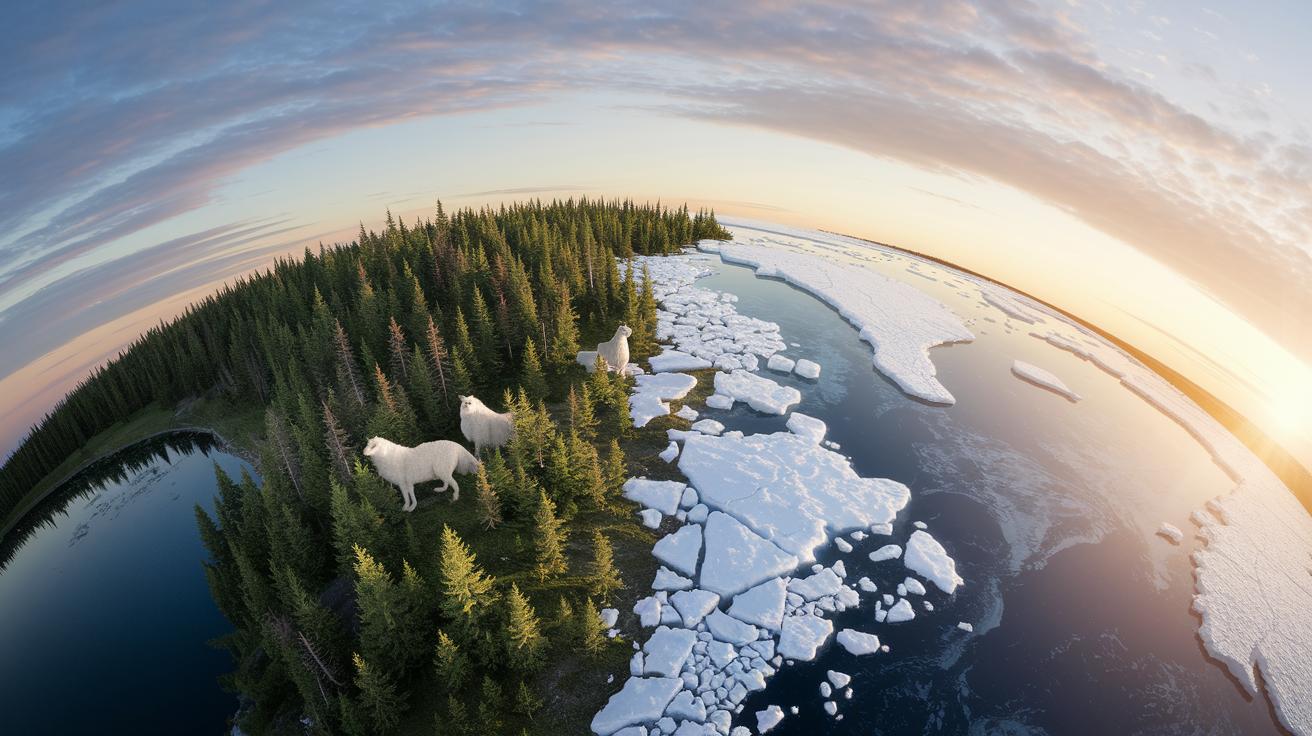
Climate models tell us that by the end of this century, global warming could rise by 2 to 4 degrees Celsius. This extra heat means many species could be at a much higher risk of disappearing. In fact, every extra degree makes a species about 10% more likely to vanish. Even tiny shifts in temperature can shake up nature a lot. Imagine a plant or an animal that gets pushed beyond its limit because the temperature just got a bit too high.
Some moments, like summers with no Arctic ice, show us that big changes in nature can happen suddenly. Take the Amazon, for example: if the forest can't soak up as much carbon, it might lead to a huge loss in plant and animal life. These key moments can make a cycle where weak ecosystems add even more stress to the climate. Scientists are closely watching how rising temperatures and the survival of species are connected. By keeping an eye on these tipping points, they hope to figure out where major losses in biodiversity might soon be out of control.
Final Words
In the action, we see climate change pushing species to their limits, with temperatures upending familiar ecosystems and speeding up extinction risks. The post showed ways rising heat, altered rainfall, and extreme weather harm animal and plant life while underscoring wiggles in nature’s response. It also touched on how efforts to protect habitats and guide policy may help communities adapt. The discussion invites us to ask how does climate change affect biodiversity and reminds us that even small steps toward resilience can brighten our future.
FAQ
What are the impacts of climate change on biodiversity?
The impacts of climate change on biodiversity include rapid species loss and altered ecosystem dynamics. Rising temperatures and extreme events stress species, creating a tough cycle that speeds up environmental change.
How does climate change affect both biodiversity and ecosystems?
Climate change affects biodiversity and ecosystems by pushing species to new habitats, stressing native communities, and triggering local extinctions. These shifts disturb the natural balance of interspecies interactions.
What are the biological effects of climate change on species?
The biological effects of climate change on species show up as changes in migration patterns, reproduction, and overall health. Increased temperature and extreme weather events stress organisms and reduce genetic resilience.
What are the five major threats contributing to biodiversity loss?
The five major threats contributing to biodiversity loss are habitat damage from deforestation and extreme weather, pollution, invasive species conquests, overuse of resources, and climate change itself.
How does climate change impact human welfare through biodiversity loss?
Climate change impacts human welfare by weakening the natural defenses that ecosystems offer, which leads to poorer air and water quality and reduced resource availability, increasing risks for communities.
How does climate change contribute to overall biodiversity loss?
Climate change contributes to overall biodiversity loss by triggering a feedback loop where warming fuels species decline and disrupts natural balance, making ecosystems less resilient and harder to restore.