
Have you ever thought one brave mission might change how we see the world? The Apollo missions pushed what we thought was possible by sending courageous astronauts to the Moon and back home safe and sound. Drawing from earlier space tests, these trips grabbed the world's attention, showing us that determination really can move mountains. Even with the risks and loss, Apollo shows how bold ideas and careful work can beat tough challenges. Read on to discover how these missions keep lighting a spark of hope and deepening our love for space exploration.
Apollo Missions: Comprehensive Program Overview
The Apollo Missions were a daring effort to send a man to the Moon and bring him back safely to Earth. Running from 1967 to 1972, Apollo built on the early wins from the Mercury and Gemini programs. President Kennedy's challenge in 1961 set the stage for one of America's boldest adventures in space.
At its heart, Apollo was all about exploring new frontiers. Twelve flights carried astronauts into space, and six of those missions even set foot on the Moon! Think about Apollo 11, when Neil Armstrong made history with his first step. The program captured the imagination of millions, employed up to 400,000 people, and cost about $25.4 billion back then, roughly $153 billion today.
But not everything went as planned. A major setback came with Apollo 1, when a cabin fire during a test in a pure oxygen environment cost the lives of three brave crew members. This heartbreaking moment pushed NASA to overhaul safety measures. It was a tough reminder that even with the best technology, safety must come first.
Each mission after Apollo 1 was a lesson learned. With every flight, scientists refined techniques and technology, which not only helped land astronauts on the Moon but also boosted our understanding of space travel. This journey of constant improvement has cemented NASA's lasting legacy in human space exploration.
Apollo Missions Origins: The Mercury & Gemini Foundations
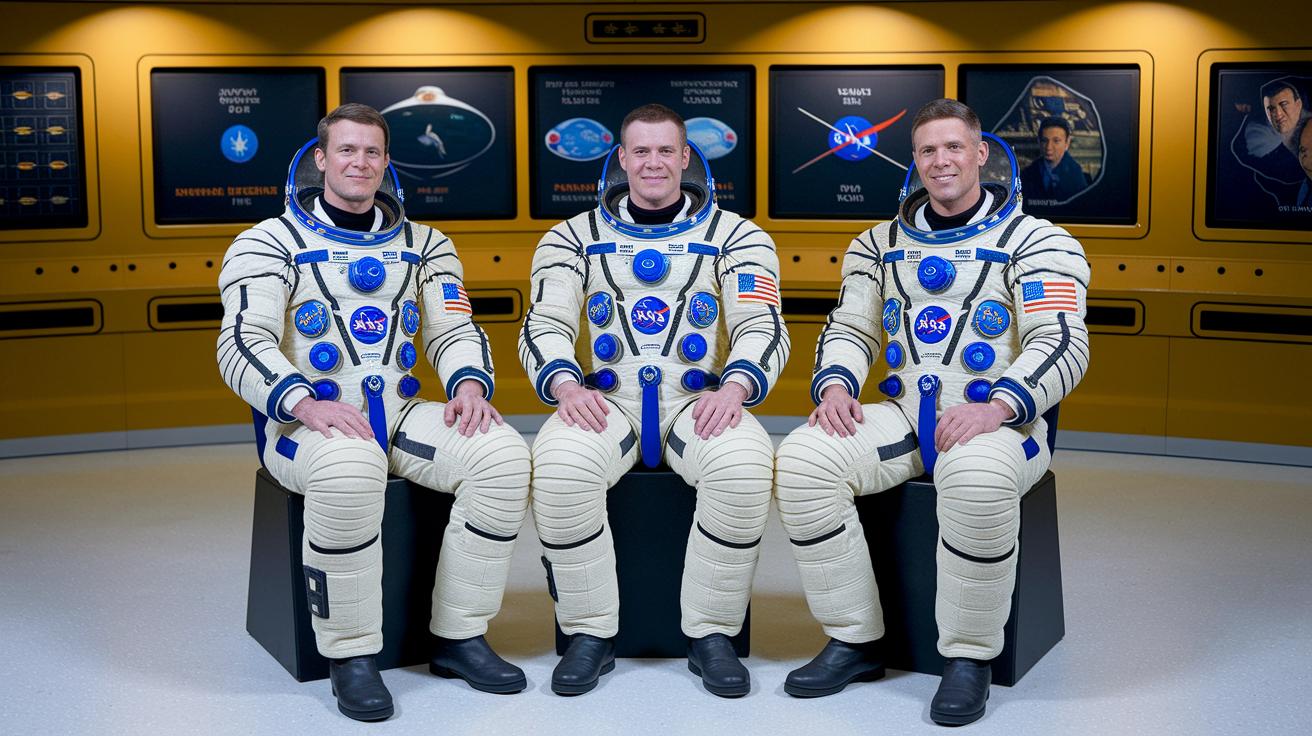
Apollo grew out of the early wins of Mercury and Gemini. It started as a three-person orbital test. Then in 1961, President Kennedy challenged the nation to land on the Moon. This bold goal came during a heated space race when national pride was at stake.
On February 21, 1967, a cabin fire occurred during a pre-flight test in a pure oxygen environment. This tragedy took the lives of Grissom, White, and Chaffee. Their loss pushed engineers to upgrade the cabin's breathing gas system (the setup that mixes gases you breathe) and to redesign the hatch so crews could exit more quickly and safely.
The experiences from Mercury and Gemini, along with these crucial changes made after Apollo 1, built a strong foundation. These lessons guided later Moon missions and changed the course of space exploration.
Timeline of Apollo Space Missions: Key Dates and Milestones
The Apollo missions marked huge leaps for humankind into the vast reaches of space. Each flight pushed our limits further and changed how we explore the unknown. From early tests of spacecraft systems to the thrilling moment when astronauts stepped onto the Moon, the Apollo timeline shows both scientific progress and real human adventure.
Apollo 7, which lifted off in October 1968, was the first mission to carry people. It focused on checking if the Command and Service Module could really work in space around Earth. Not long after, Apollo 8 took off in December 1968 and made history by flying around the Moon. During this mission, the crew even shared a live Christmas Eve broadcast that included a reading from Genesis, capturing the hearts of people everywhere.
In March 1969, Apollo 9 followed. It made sure the Lunar Module, nicknamed “Spider” (a fun name for the module), worked safely around our planet. The astronauts also went on two spacewalks to test their spacesuits and the module's functions. Then, in May 1969, Apollo 10 took the stage as a practice run for the Moon landing. With playful call signs like Charlie Brown and Snoopy, the crew set a record for a speedy return to Earth.
The big moment came with Apollo 11 in July 1969 when Neil Armstrong and Buzz Aldrin became the first people to set foot on the Moon. This historic step left unforgettable footprints for all of us to admire. The final note in this timeline is Apollo 17, launched in December 1972. It set records for the longest stay on the Moon, collected the biggest sample of moon rock (382 kg), and made 75 turns on the lunar surface.
| Mission | Launch Date | Primary Achievement |
|---|---|---|
| Apollo 7 | Oct 1968 | First crewed launch and systems test |
| Apollo 8 | Dec 1968 | First lunar orbit and Christmas Eve broadcast |
| Apollo 9 | Mar 1969 | Tested the Lunar Module “Spider” in Earth orbit with two EVAs (spacewalks) |
| Apollo 10 | May 1969 | Dress rehearsal for lunar landing with record return speed |
| Apollo 11 | Jul 1969 | Achieved the first Moon landing |
| Apollo 17 | Dec 1972 | Longest lunar stay, largest sample return, 75 lunar rotations |
Apollo Spacecraft Engineering: Saturn V, Command & Lunar Modules
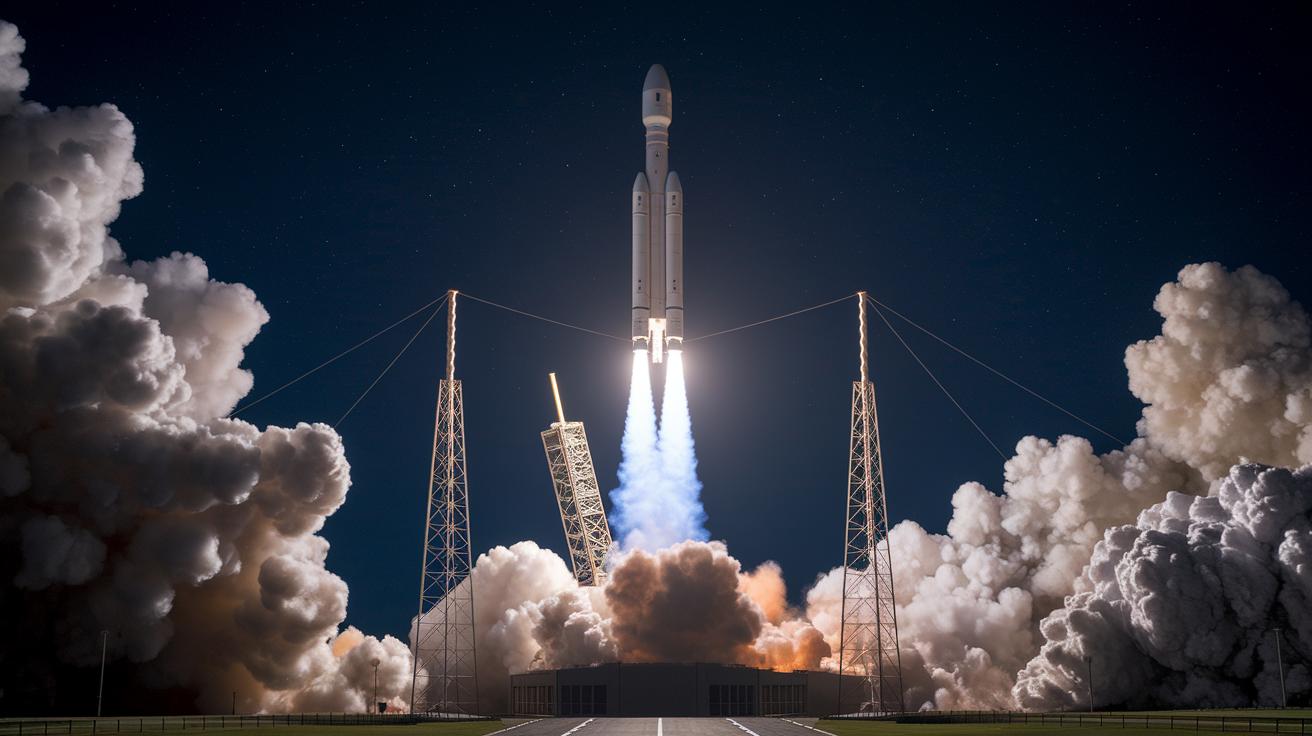
Apollo's success came from amazing engineering that wasn't seen before. The Saturn V rocket, a giant machine, blasted off with 7.6 million pounds of push from its three parts. This huge force helped the spacecraft gain speed and reach orbit. Its strong build was key to carrying the heavy Command/Service Module. This module, which was like a flying home for the crew, helped with engine power and brought them safely back to Earth. The Lunar Module was just as incredible. It had two sets of engines, one for coming down to the Moon and another for lifting off again, ensuring the astronauts could land safely and then return to space.
These engineering marvels were paired with smart new ideas that made the whole spacecraft work even better. Some of the big breakthroughs were:
| Breakthroughs | What They Did |
|---|---|
| Digital guidance computers | Helped keep the spacecraft on the right path (like a digital map that shows exactly where to go) |
| Telemetry systems | Sent live data back to Earth so engineers could monitor everything |
| Closed-loop life-support systems | Allowed astronauts to breathe and stay healthy during long missions |
| Refined structural designs | Made the spacecraft safer and more efficient during liftoff and when coming back |
Together, these systems made deep space travel possible and manageable. They not only helped people travel to and from the Moon safely but also set the stage for exploring even more of space. Isn't it amazing how each part played its role, ensuring a successful journey into the unknown?
Apollo Astronauts: Crew Selection & Historic Roles
The process to become an Apollo astronaut was really tough. Candidates had to be amazing test pilots and spend many hours training in simulators (mock setups that mimic space emergencies), learning to handle zero-G (feeling weightless), and studying geology (the study of rocks) to understand the Moon better. Imagine someone spending endless hours in a simulator practicing every possible emergency! This careful selection made sure that only the best were ready to tackle the challenges of deep space.
Apollo 11 was full of moments that still make us smile. On 20 July 1969, Neil Armstrong took that famous first step on the Moon, marking one of the greatest achievements in space history. Buzz Aldrin quickly followed with a spacewalk that added his own important chapter to the mission. And back in lunar orbit, Michael Collins kept everything running smoothly inside the command module, ensuring a safe trip back for everyone.
Apollo 13 showed us just how important quick thinking is. When a problem with an oxygen tank created huge challenges, Commander Jim Lovell made a smart move by using the Lunar Module as a lifeboat. Thanks to careful training and fast decisions, the crew managed to overcome serious obstacles and return home safely.
Major Apollo Missions: Triumphs & Near-Disasters
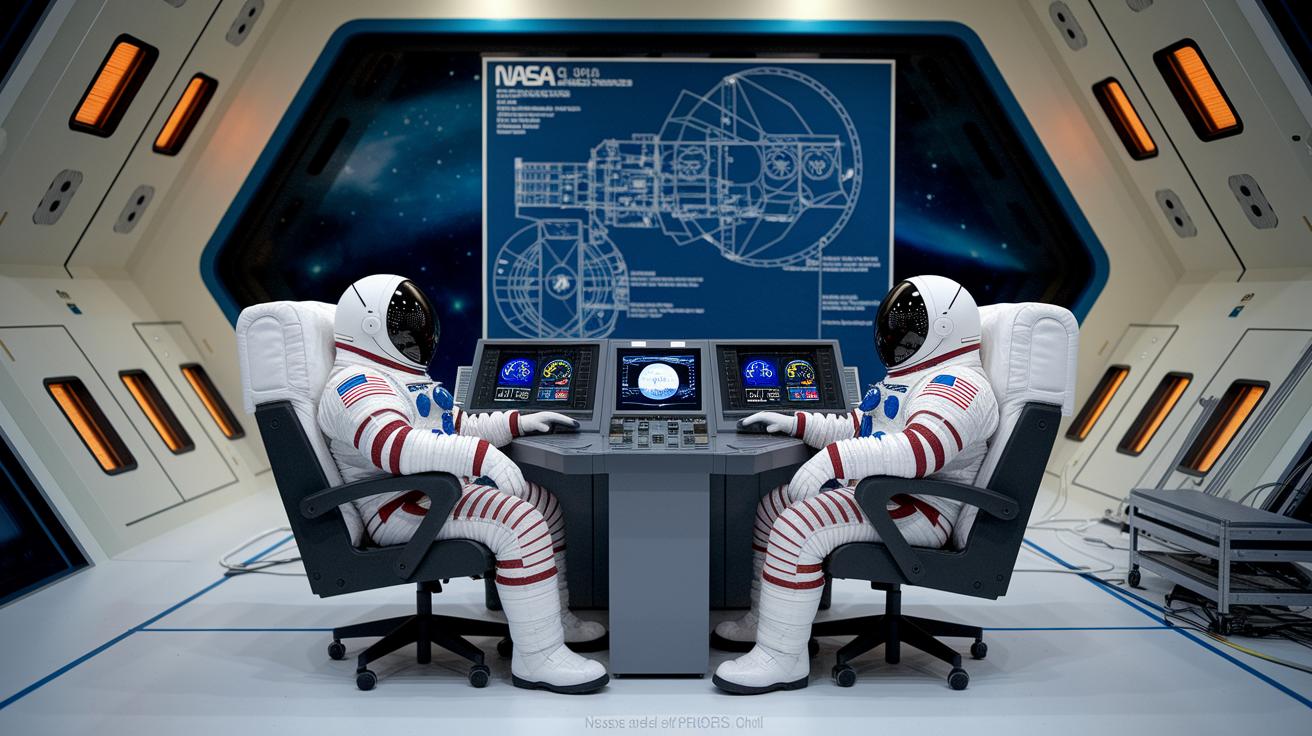
When the Apollo 1 accident happened, it changed everything. The cabin fire showed that spacecraft interiors, air controls, and escape systems had to be overhauled to keep astronauts safe. One team even noted that every single detail was reexamined to boost crew safety.
Apollo 13 became a powerful lesson in crisis management. The focus wasn’t just on what went wrong but on how the crew’s quick thinking and the clever use of the Lunar Module (a backup spacecraft) saved the day. One crew member said that during the chaos, their training and calm helped them steer through a very challenging situation, proving that good preparation really matters.
These events have shaped the way we design spacecraft today. Both ground and flight teams have improved guidance systems, propulsion, and emergency procedures to make modern space travel much safer.
Scientific Achievements on Apollo Missions: Moon Rocks & Experiments
Apollo astronauts returned with 382 kg of moon rock samples collected using simple scoops and core drills. These rocks, with their interesting textures and colors, have given scientists clues about the Moon’s history. They also set up seismometers (instruments that detect vibrations or moonquakes) to learn how the lunar surface shifts, and solar-wind collectors that trap tiny charged particles to show the Sun's effects.
Apollo 11 even left behind retroreflectors for Lunar Laser Ranging, which still work today. These devices let scientists bounce laser beams off the Moon to accurately measure the distance between Earth and its natural satellite. Think of it as a dialogue between our planet and the Moon, where each laser pulse carries a bit of cosmic conversation. Picture holding a piece of lunar rock; its cool surface almost seems to tell ancient tales of space.
By studying these rocks, researchers have reshaped our ideas about how the Moon formed and how our solar system evolved. The experiments from these missions still shape our understanding of the lunar environment, support decades of scientific discovery, and continue to spark new adventures in space exploration.
Apollo Innovations: Spin-offs & Technology Legacy

Apollo wasn’t just about exploring space, it sparked a wave of smart new tech that has reached far beyond rocket flights. NASA’s work on Apollo led to the creation of digital fly-by-wire guidance computers, which use computer signals to steer rockets accurately. It also introduced high-throughput telemetry systems that quickly send loads of data back to Earth. These advances not only made space travel safer but also paved the way for many everyday tools.
Some of the most exciting breakthroughs include:
- The advanced guidance computers that paved the road for digital mapping tools used in car GPS systems and smartphone apps.
- Telemetry methods that send real-time data, much like the technology behind today’s weather forecasts.
- Communication systems initially designed for deep-space tracking that now support modern satellite and broadcast services.
- Everyday spin-offs like cordless power tools and computer joysticks, showing how space research can lead to unexpected benefits in our daily lives.
These innovations remind us that work done in space can find a place in our homes and workplaces. Thanks to Apollo’s research, many of the everyday tools we rely on today run on tech originally built for space missions. It’s fascinating to think about what other surprises science and engineering might have in store for us in the future.
Apollo’s Enduring Legacy & Path to Artemis
The Apollo missions laid the very foundation for safe journeys into deep space. They showed us how to handle long spacewalks (when astronauts work outside their spacecraft) and set up reliable mission-control practices, turning space travel into a process we can learn and trust. Innovations in navigation, habitat design, and dealing with emergencies from Apollo continue to guide space travel today.
Now, the Artemis programme is taking these lessons and running with them. With plans to send astronauts back to the lunar South Pole by 2024, Artemis uses Apollo’s proven strategies while opening up new chances for human exploration. What we learned from Apollo helps engineers build safer spacecraft, create better space suits, and come up with smart plans for unforeseen challenges on missions.
These proven methods not only keep crews safe but also spark ideas for future Mars trips. With Apollo’s legacy lighting the way, space programs are constantly evolving toward crewed missions to Mars in the 2030s and beyond. It makes you pause and wonder about our place in the universe, inspiring generations of dreamers to explore the vastness of space.
Final Words
In the action of exploring space's bold feats, we saw how careful planning, groundbreaking engineering, and resilient teamwork made apollo space missions a landmark in scientific progress. The program not only pushed the boundaries of lunar exploration but also sparked technological innovations that still echo in today’s space endeavors. The resilience and ingenuity from these missions continue to inspire curious minds and fuel our passion for space, a reminder that each scientific step forward lights up a new chapter in our journey among the stars.
FAQ
What is the Apollo missions list, how many were there, and which missions landed on the Moon?
The Apollo program spanned missions Apollo 1 through Apollo 17. Seventeen missions were planned, with 12 crewed flights. The Moon landings occurred on Apollo 11, 12, 14, 15, 16, and 17.
What happened with Apollo 2, Apollo 3, and Apollo 4?
Apollo 2 and Apollo 3 were early designators that were later restructured, while Apollo 4 was an unmanned test flight that verified the Saturn V rocket’s performance, setting the stage for crewed missions.
Which Apollo mission nearly ended in disaster and did its crew survive?
Apollo 13 faced a critical service module explosion that threatened the mission, yet all three astronauts survived by using the Lunar Module as a lifeboat during the emergency.
Is NASA going to the Moon in 2026?
NASA’s Artemis program aims to return astronauts near the lunar South Pole, with current targets set before 2026. Future plans may shift, so checking current updates is wise.
What did Apollo 11 accomplish?
Apollo 11 made history by landing the first humans on the Moon, with Neil Armstrong taking that unforgettable first step on July 20, 1969, marking a milestone in space exploration.
What happened during the Apollo 1 mission?
Apollo 1 suffered a tragic cabin fire during a pre-flight test, resulting in the loss of three astronauts. This incident led to major safety improvements for subsequent missions.
What were the early mission milestones for Apollo 6, Apollo 7, and Apollo 9?
Apollo 6 tested the Saturn V in an unmanned launch, Apollo 7 marked the first successful crewed flight, and Apollo 9 validated the Lunar Module with critical on-orbit checks through spacewalks.
What are the highlights of Apollo 17?
Apollo 17 ended the crewed lunar landings by recording the longest surface stay and the largest sample return, while conducting extensive scientific experiments to deepen our Moon knowledge.