
Have you ever dreamed of a job that takes you to the edge of science and technology? NASA is one of the coolest places to work, blending hands-on research with smart technical work and creative problem solving. Since 1958, NASA has been a pioneer in space exploration (exploring outer space) and offers jobs that let you dive into both scientific research and technical operations.
Working at NASA isn’t just about big ideas, it’s about making those ideas real. Every role there calls for a solid mix of learning and experience. If you’re someone who’s curious about discovering how passion can meet precision, you’re in the right place.
Stick with us as we break down the roles, the skills you need, and the steps to join the NASA team. Exciting opportunities and a world of discovery are waiting for every dedicated mind.
NASA Careers Overview: Roles, Requirements, and Application Steps
NASA started back in 1958 and has since become the U.S. agency in charge of space exploration and studying how things fly. With a budget of $34.13 billion (which is around 0.2 percent of all U.S. government spending) and more than 17,000 full-time team members, NASA is always pushing the limits of our knowledge and technology. It’s a real dream job for anyone who loves space and science.
If you want to join NASA, you need to be a U.S. citizen. Plus, you’ll need a strong academic and professional background. For example, if you’re aiming to be an astronaut, you must have a master’s degree in a STEM field (that’s science, technology, engineering, or math) along with either two years of relevant work experience or 1,000 hours flying a jet as the pilot in command. Other jobs at NASA call for different education levels and experience, so every role has its own high standards.
The application process is pretty clear and has a few important steps. First, you submit your detailed application with supporting documents, make sure to highlight your best projects, like a capstone project that earned technical awards. Next, your materials go through several review stages where experts check if your skills match what NASA needs. Finally, if you impress them, you’ll move on to interviews and other assessments.
Competition is really tough at NASA. Every application is carefully reviewed for technical skills and how well it fits with the agency’s mission. If you decide to apply, be prepared for detailed evaluations, including technical interviews, behavioral assessments, and thorough background checks to prove you have what it takes to thrive at NASA.
NASA Career Pathways and Student Programs

NASA has cool programs that let students dive into space research for real. Whether you're in high school, studying in college, or working on a graduate degree, these opportunities give you hands-on projects and a chance to learn from top space experts.
Pathways Intern Program
If you're a U.S. citizen enrolled in a science, technology, engineering, or math (STEM: subjects like math, science, and technology) degree, this program is for you. You'll get a close look at how space research works and how missions are managed. The 12-week internship is packed with work that really matters. Around 60 percent of the interns end up with full-time jobs, which is pretty awesome for anyone dreaming of a career in space.
Student Trainee (Engineering and Technical) Program
This program is geared toward undergraduate students who love engineering and technical subjects. You need to be a U.S. citizen and meet the age and education requirements. While you work on projects that range from lab experiments to field tasks, you'll earn a stipend. It's a great way to see how what you learn in class applies to solving real problems in space research.
Graduate Student Researcher Program
For master's and PhD candidates, this program offers a chance to work on research that matches NASA's big goals. You must be enrolled in a graduate program and be a U.S. citizen to apply. The program provides funding that supports your thesis or dissertation work, giving you the tools to push forward ideas that might shape the future of space exploration.
Remember to check NASA’s application windows, usually opening in January and June, so you can plan ahead and make the most of these exciting opportunities.
NASA Careers Spectrum: STEM and Non-STEM Roles
At NASA, you can dive into a world that mixes cool technical skills with creative problem-solving. Imagine aerospace engineers building new spacecraft, atmospheric scientists studying weather on distant planets, and mathematicians crunching essential numbers to keep missions on track. Each of these experts plays a special part in pushing our understanding of space forward with care and enthusiasm.
| Role | Median Annual Salary |
|---|---|
| Aerospace Technician | $77,830 |
| Atmospheric Scientist | $95,000 (est.) |
| Mathematician | $110,000 (est.) |
| Electrical Engineer | $120,000 (est.) |
| Aerospace Engineer | $135,000 (est.) |
| Astrophysicist | $149,530 |
Besides these technical roles, NASA also values professionals in other fields who keep everything running smoothly. Technical writers, for instance, turn complex information into engaging stories. Public relations experts spread the word about NASA’s achievements, while photographers, accountants, HR professionals, and project managers provide key support across the board. Every job here is essential, and all these team members work together to make space exploration possible.
Remember, every position at NASA requires U.S. citizenship. Whether you’re on the front lines of technical innovation or behind the scenes supporting the mission, this eligibility rule is the first step toward joining one of the world’s most inspiring space research teams.
NASA Centers Spotlight: Specialized Vocation Opportunities

NASA has 20 centers spread across the United States, and each one focuses on a different part of space research and technology. This setup lets the agency tap into local talents and build thriving communities of scientists and engineers. Whether you're curious about exploring the stars or designing new rocket engines, there’s a spot for you. It’s a place where solid engineering meets bold space research, and every center shines in its own way.
At the heart of human spaceflight is the Johnson Space Center in Houston. This center handles missions that send people to space and is perfect for anyone excited by big challenges. Over in Pasadena, the Jet Propulsion Laboratory sends robotic explorers into deep space, mixing hands-on engineering with cool robotic technology. Down in Virginia, Langley Research Center is busy boosting aeronautics, whether by improving aircraft performance or testing new flight ideas that remind us of the early days of flying.
Further west, California’s Ames Research Center leads in mission technology and research that sets the stage for NASA’s future, while Ohio’s Glenn Research Center is all about propulsion and power systems that could change space travel as we know it. If you’re looking for a job that matches your skills or creativity, check out center-specific postings on USAJOBS. These centers are just a taste of the many exciting opportunities waiting in NASA’s diverse work environment.
NASA Career Application Strategies and Interview Preparation
Getting a job at NASA is no easy feat. The process is super competitive, and every piece of your application is checked to see if it matches what NASA needs. That means your resume, cover letter, and how you do in the interview all need to show off both your skills and your passion for space research.
Crafting a Targeted Resume and Cover Letter
When you write your resume, focus on numbers and concrete results. For example, you might start with a sentence like, “I boosted project efficiency by 30% in one year.” These specific numbers help reviewers see the real difference you made. Each part of your resume should tell a clear story that fits with NASA’s big goals.
Your cover letter is your chance to show why you belong at NASA. Explain what draws you to space research and share personal examples of your hands-on work. Let your excitement for the role shine through as you discuss how you can help on groundbreaking projects.
Preparing for Technical and Behavioral Interviews
For technical interviews, be ready to talk through your problem-solving steps. Think of it as telling the story of how you fixed a tricky system glitch that made your work smoother. This shows you can handle challenges calmly and logically, even when under pressure.
When it comes to behavioral interviews, try using the STAR method (Situation, Task, Action, Result) to shape your answers. Share clear stories from your past where your efforts led to real results. This method helps make your experiences easy to understand and relatable.
Navigating Security Clearance and Assessments
Security clearances might sound a bit scary, but they’re really just about checking your background. NASA looks at things like your education and past work. Make sure your documents are neat and organized so that this part of the process goes smoothly. It might also help to practice your answers with mock interviews and use any NASA resources you can find to boost your confidence.
Overall, the journey to joining NASA takes careful preparation and a genuine passion for space research. If you keep it real and focus on showing what you can really do, you'll stand a great chance of making your dream a reality.
Compensation, Benefits, and Career Development in NASA Careers
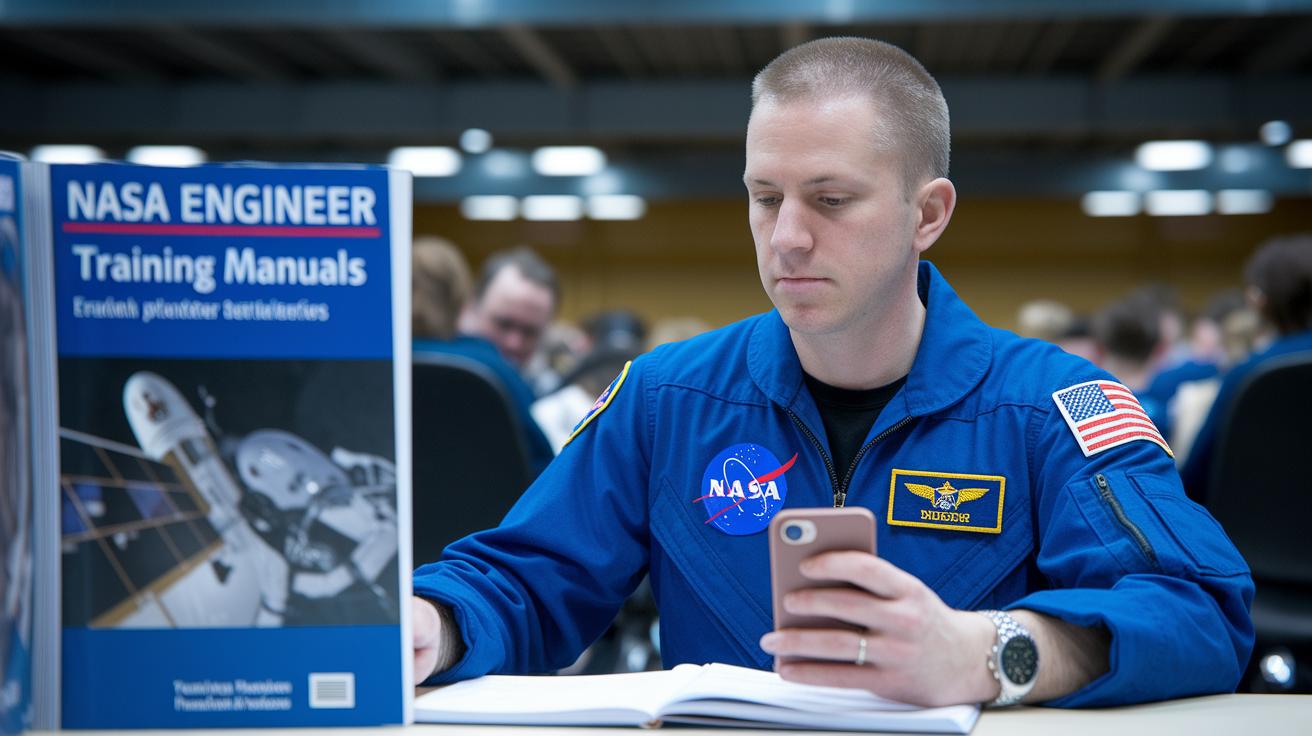
NASA has pay that is competitive, plus a great set of benefits. They offer medical and dental insurance, federal retirement plans, paid leave, and flexible work hours. This means that both your work life and personal life are taken care of. For example, you might mention in an application, "I managed project timelines well while taking advantage of NASA's flexible hours." On top of the base salary, there are performance awards and bonus programs to honor those who make a real impact.
NASA is also big on helping you grow your career. They offer training programs to boost your technical skills (the hands-on know-how you need) and internal transfer opportunities so you can gain experience across different centers. Regular reviews and award programs help celebrate innovation, and promotions generally take place every three to five years. You could even share a story like, "After leading a key project, I advanced my role in three years by showing strong problem-solving skills." This supportive setup makes it easier for everyone to do well at work and grow along with NASA's mission.
Final Words
In the action, we reviewed the path to explore diverse roles within nasa careers. We touched on eligibility, application stages, student opportunities, and a wide range of STEM and non-STEM roles across NASA centers. Each segment offered tips to craft a standout application and prepare for interviews. This thorough breakdown simplifies the process, giving readers clear insights and hope for a promising future in space exploration. Keep moving forward with excitement and confidence.