
Stem Cell Innovations: A New Chapter in Spinal Cord Injury Recovery
Who can benefit from these breakthroughs?
Individuals with spinal cord injuries may soon experience dramatic improvements in mobility and sensation. Researchers have introduced neural stem cell transplants in clinical trials that have sparked hope for long-lasting recovery.
What exactly is being tested?
A pioneering trial at the University of California San Diego has delivered promising results. Patients not only noticed enhanced motor and sensory abilities but also reported significant pain relief after receiving these transplants.
Why is this important?
When advanced rehabilitation techniques are paired with stem cell therapy, the possibility of restoring lost function becomes more realistic. This progress in regenerative medicine is rewriting our understanding of recovery, hinting that effective treatments for spinal cord injuries may be closer than ever.
Explore how science and innovation are forging a brighter future in the realm of spinal cord injury treatment.
Recent Advances in Stem Cell Therapy for Spinal Cord Injury Recovery
A Phase I clinical trial at the University of California San Diego showed promising results for patients with chronic spinal cord injuries. In this study, four participants received neural stem cell transplants and were observed for five years. Two patients experienced lasting improvements in motor and sensory functions, which were confirmed by better electromyography results, and some even experienced reduced pain. One patient shared, "I finally felt a spark of movement where I had none before."
Researchers have also employed advanced bioinformatics to rapidly identify a drug effective in adult human brain cells. This method streamlined the preclinical screening process and set a new standard for bridging laboratory research and clinical treatment. One example stated, "Imagine identifying a potential therapy quickly, much like finding a key in an ocean of molecular data."
At UT Southwestern’s Inpatient Rehabilitation Center, these scientific breakthroughs have been integrated with established rehabilitation techniques and experimental stem cell treatments. Tools such as the EKSO Exoskeleton and Lite Gait help with body-weight supported treadmill training to re-establish neural circuits. This combined approach underlines the benefits of merging regenerative medicine with advanced rehabilitation technology to improve patient recovery outcomes.
| Area | Breakthrough |
|---|---|
| Clinical Trials | Lasting motor and sensory improvements with increased EMG activity seen in 2 of 4 patients |
| Drug Discovery | Advanced bioinformatics enabled rapid identification of a promising drug for adult human brain cells |
| Rehabilitation | Utilization of EKSO Exoskeleton and Lite Gait for body-weight assisted treadmill training to restore neural circuits |
Clinical Trials of Stem Cell Transplantation in Spinal Cord Injury

A Phase I study at UC San Diego involved a unique approach to long-term safety assessment by following patients for five years. Researchers combined extended monitoring with detailed electromyography tests to confirm lasting improvements in neural function. In this investigation of four individuals, two experienced notable gains in both motor skills and sensation, while the remaining patients showed mixed results. The prolonged tracking period offered valuable insights into gradual improvements and potential risks that shorter studies could easily miss.
One participant shared his experience: "I experienced a gradual return of sensation that made daily tasks feel possible again."
Notable findings from this trial include:
- Continuous safety evaluations that capture long-term changes
- EMG measurements that verify both immediate and enduring neural enhancements
- Personal patient accounts offering context beyond numerical data
- Differences in treatment responses that highlight the necessity for further targeted research
Bioinformatics and Translational Advances in Stem Cell Therapy for Spinal Cord Repair
Scientists are using state-of-the-art bioinformatics methods to speed up the quest for drugs that can repair spinal cord injuries. They achieve this by screening thousands of compounds with high-throughput computational models, combined with comprehensive molecular databases. One example involves a system that simulates molecular interactions and rapidly identifies a compound that could trigger neural regeneration. This process is similar to using a powerful magnet to find a rare needle in a massive haystack.
This integrated strategy not only cuts down the time required for early laboratory tests but also helps promising therapies move quickly from research to patient care. By linking computer-based predictions with hands-on cell experiments, researchers are continuously advancing translational medicine and enhancing regenerative approaches for spinal cord repair.
Integrated Rehabilitation and Stem Cell Strategies for Spinal Cord Injury at UT Southwestern
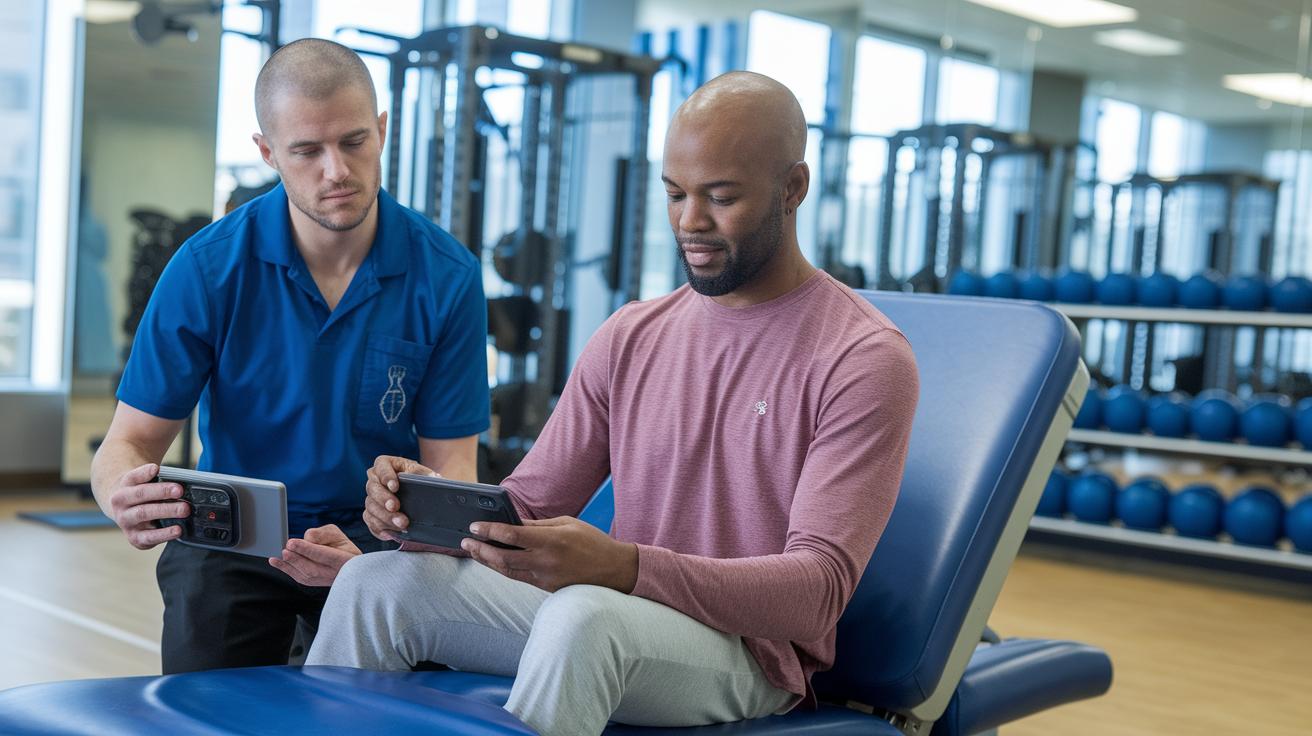
UT Southwestern Inpatient Rehabilitation Center combines pioneering stem cell treatments with proven rehabilitation methods to boost nerve recovery. Their approach blends physical and occupational therapy with focused neural stimulation, where progress in one session unfolded like pieces of a mosaic coming together.
Kiara Connley's remarkable progress is a testament to the benefits of personalized, coordinated therapies that aim to restore function rather than just adapt to limitations.
Key elements of this integrated approach include:
- Customized therapy routines
- Continuous monitoring of patient progress
- A coordinated application of advanced rehabilitative techniques
Future Directions and Challenges for Stem Cell Therapy in Spinal Cord Injury Recovery
Recent clinical findings and experimental techniques in stem cell therapy have produced encouraging outcomes. However, differing patient responses and modest improvements in long-term spinal cord injuries reveal that there are still many hurdles to overcome. Scientists are focusing on identifying the ideal timing to increase cell survival and integration within damaged tissues. One study explained that "Improving cell viability by 20% could be the key to unlocking sustained recovery," highlighting how these enhancements may significantly impact recovery outcomes.
Key challenges include:
- Creating uniform treatment procedures across medical centers
- Conducting extended safety evaluations to handle varied patient responses
- Addressing regulatory complexities and ethical issues in clinical trial designs
- Advancing efforts to move successful controlled trial results into standard clinical practice
| Challenge | Focus Area |
|---|---|
| Protocol Standardization | Implementing consistent procedures across research institutions |
| Long-term Safety | Conducting continuous patient monitoring and risk management |
Ongoing research aims to connect these elements, ensuring that groundbreaking therapies can progress smoothly from the laboratory to everyday clinical application.
Final Words
In the action of groundbreaking research, clinical trials, bioinformatics, and rehabilitative innovation merge to redefine treatment. Researchers have documented notable motor and sensory gains, while advanced computational techniques fast-track promising drug candidates. Integrated rehabilitation protocols further empower patients through personalized support and state-of-the-art devices. Stem cell therapy advances for spinal cord injury recovery inspire optimism and momentum. This dynamic blend of science and technology fuels hope and lays the foundation for ever-improving patient outcomes.
FAQ
Where can I get stem cell treatment for spinal cord injury?
Stem cell treatment for spinal cord injury is available at specialized medical centers, including leading research institutions and facilities offering clinical trials, such as UT Southwestern and Mayo Clinic.
How successful is stem cell therapy for spinal cord injury and what is its success rate?
Stem cell therapy has shown promising results in clinical trials, with some chronic patients experiencing improved motor and sensory functions; however, outcomes vary and long-term efficacy is still under investigation.
What do clinical trials of stem cell treatment for spinal cord injury involve?
Clinical trials assess the safety, feasibility, and potential benefits of stem cell transplantation by monitoring motor and sensory improvements and other neurological parameters over extended periods.
What is the cost of stem cell therapy for spinal cord injury?
The cost of stem cell therapy varies widely across treatment centers, depending on factors such as the nature of the clinical trial, personalized treatment protocols, and geographic location.
What role does the Mayo Clinic play in stem cell therapy for spinal conditions?
Mayo Clinic provides advanced regenerative treatments, incorporating stem cell therapies for spinal cord injury and spinal stenosis, and supports these approaches through rigorous clinical research and multidisciplinary care.
What is considered the best stem cell treatment for spinal cord injury?
The best stem cell treatment depends on individual patient factors, injury severity, and personalized medical evaluation, as ongoing research continues to determine optimal protocols and treatment strategies.
What are the side effects of stem cell therapy for spinal cord injury?
Side effects may include localized inflammation or immune responses; while generally manageable, long-term risks are monitored closely in clinical settings to ensure patient safety.
Can stem cells repair the spinal cord?
Stem cells have the potential to promote spinal cord repair by enhancing neural regeneration and reducing pain, though treatment effectiveness varies and research is ongoing to optimize results.
Where did Joe Rogan go for stem cell treatment?
Specific details about Joe Rogan’s stem cell treatment remain unofficial; many celebrities choose specialized clinics or participate in clinical trials, making verified treatment locations difficult to confirm.
How long does it take to fully recover from a spinal cord injury?
Recovery time varies significantly based on injury severity and rehabilitation approaches; some patients see improvements within months, while full recovery may require years of ongoing therapy and support.