
Have you ever wondered how a plane stays together while soaring through the sky? The secret lies in its fuselage.
Think of the fuselage as the plane’s sturdy skeleton. It’s that long, rounded body that carries passengers, cargo, and all the parts needed for safe flight, kind of like the solid frame in your favorite gadget that holds everything in place.
This isn’t just a simple shell. It’s a result of careful engineering that balances strong support with a lightweight design, helping each flight remain safe and smooth.
Let’s dive in and explore the fuselage, and see how its clever design keeps the whole airplane together.
Understanding the Aircraft Fuselage
The fuselage is the main body of the plane, where passengers, cargo, and equipment are all held together. Its name comes from the French word fuselé (which means "spindle-shaped") because of its long, rounded design. It links up with the wings on each side, holds the cockpit at the front, and attaches to the tail in the back, all of which helps keep the plane strong and safe.
This smooth, streamlined shape allows the airplane to cut through the air with ease, reducing drag (the force that slows things down) so the plane uses less fuel. Inside, pressure bulkheads help keep the cabin safely pressurized even when flying high up, ensuring passengers have a comfortable experience.
Think of it like the sturdy frame of your favorite electronic gadget, combining strength with a light design. The fuselage isn’t just an empty shell; it’s a smartly designed structure that holds the entire airplane together.
Every part of the fuselage, from its outer shape to its internal supports, plays a role in making the aircraft safe, efficient, and durable. Aviation experts say this careful balance of robust structure and light engineering is key to reliable performance in flight.
It really is a cornerstone of airplane design.
Key Fuselage Structural Types in Aviation

The monocoque fuselage relies on a smooth, shell-like outer skin to carry all the structural loads, much like an eggshell holds its shape without an inner framework. This method is often used in small, light aircraft where keeping things simple and reducing weight is important. The design lets the exterior manage the heavy work, pretty much all on its own.
The semi-monocoque structure is common in larger commercial planes. In this design, the stressed outer skin works hand in hand with internal frames and long, thin supports called stringers (which run along the fuselage) to share the load. This approach gives the aircraft a strong yet light frame. If you’re curious about how these parts work together, you might explore aerospace engineering to see how real-world applications balance strength and efficiency.
The truss frame design uses metal tubes that are welded together into a grid-like structure. Imagine a network of connected straws that helps maintain the fuselage shape. This technique is popular because it is low cost, light, durable, and easier to repair when small issues arise. When a technician finds a minor fault, a quick repair can get everything back in shape without much downtime.
Each fuselage type comes with its own set of trade-offs in design, cost, durability, and maintenance. This variety gives aircraft designers the flexibility to choose the best option for different flight needs and conditions.
Fuselage Materials and Construction Methods
Aluminum alloys are still the go-to option for many fuselage skins and frames. They are popular because they offer a great strength-to-weight ratio and resist rust really well. In fact, thanks to improved methods of working with aluminum, manufacturers can produce lighter and stronger parts that easily handle the stresses of flight.
Today, more engineers are turning to composite materials to shave off extra weight and extend the life of the airplane parts. These composite materials not only help protect the structure but also give it a smoother finish, which can help with the plane's overall efficiency during flight. This trend highlights a strong focus on boosting performance while keeping costs down.
In addition, modern factories are using advanced polymers to enhance fuselage design. These polymers help reinforce specific areas by bonding pieces together, which simplifies the assembly process. By using these advanced materials, engineers are able to create fuselages that are both strong and flexible.
Manufacturers are often mixing the best of aluminum, composite materials, and advanced polymers. This smart combination results in a fuselage that is tough, light, and ready to meet the high demands of modern aircraft design.
Aerodynamic Impact of Fuselage Shape and Design
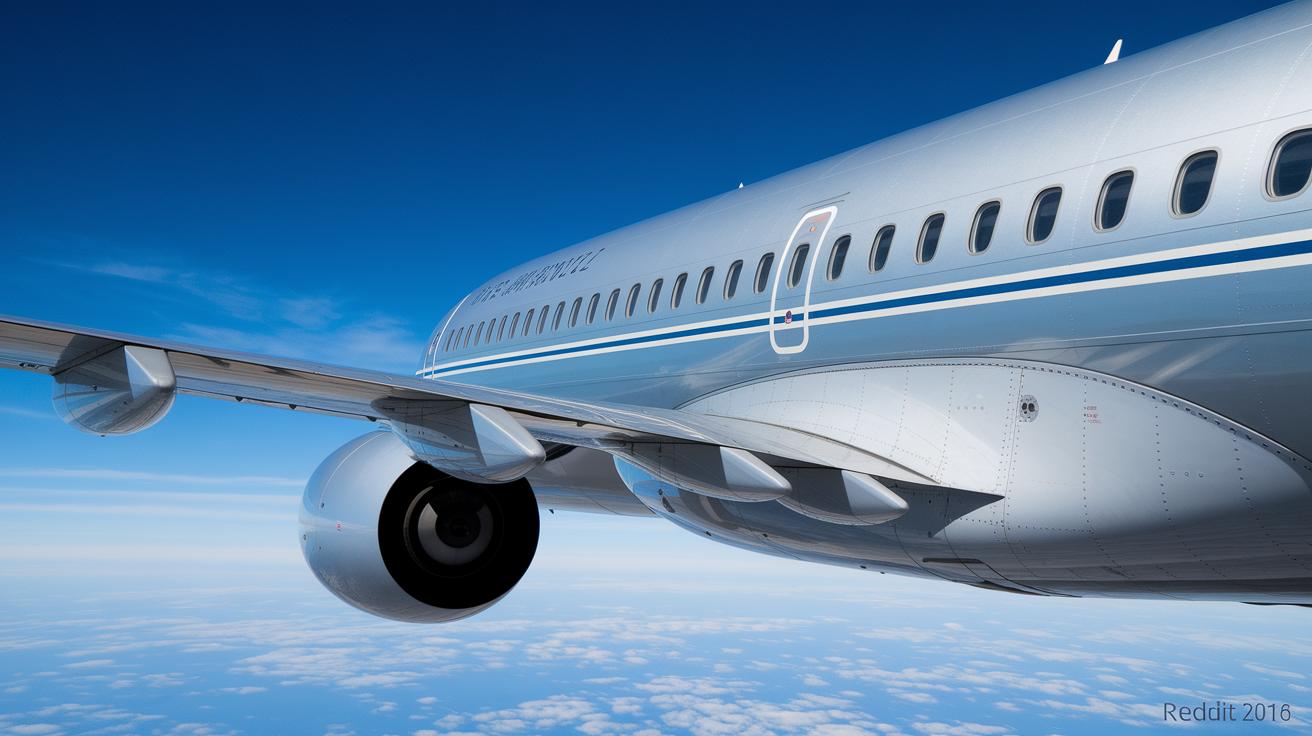
An aircraft’s fuselage is more than just a container; it’s a clever example of aerodynamic design. Its sleek, narrow shape helps cut through the air, reducing drag (the force that slows things down) and saving fuel. Smooth surfaces along with carefully designed joints where the wings meet the body, plus the specially shaped nose and tail, work together to keep the airflow steady and limit turbulence. One study even found that small tweaks to these surfaces can boost speed and improve fuel economy by lowering drag.
Digging deeper, even tiny changes in the fuselage shape can delay what’s called boundary layer separation (that's when the air starts to break away from the surface). Neat innovations like blended wing-body designs and laminar flow panels (these help air glide smoothly over the fuselage) cut down on drag even more. Another study showed that modest curve adjustments in the fuselage lead to better handling and efficiency. With these smart design tweaks, the fuselage really helps with quick maneuvers and overall flight performance. You can see the benefits in action when strategic drag reduction methods are put to work, setting new standards for modern aircraft design.
Ongoing research keeps reinforcing how much performance can be boosted by fine-tuning the fuselage for better airflow and less drag.
Integration of Fuselage with Other Aircraft Components
The fuselage isn’t just a container for passengers and cargo; it links every important part of the aircraft together. On its sides, where the wings attach, lift and bending forces (the push and pull that keep the plane in the air) are evenly spread out. Picture it like putting together a jigsaw puzzle where every piece matters.
Right at the front of the fuselage is the flight deck, home to the key flight controls and the avionics (the plane’s computer systems and instruments). This spot is crucial because it puts the pilot in the perfect position to keep the plane flying smoothly.
Inside the middle section, the fuselage is divided into various areas that work together perfectly. The cabin carries the passengers, while the cargo spaces and landing gear bays are carefully arranged to keep everything balanced and the plane stable.
At the back, the fuselage connects with the tail section (or empennage), which is vital for the aircraft’s steady flight. This joint helps counter any shifts in momentum and is engineered to handle high aerodynamic stresses, making sure the airframe stays strong and trustworthy.
Maintenance, Inspection, and Repair of Fuselages

Keeping the fuselage in good shape means doing regular checkups. Technicians start with a simple visual look for dents and rust spots. They then use tools like ultrasonic testing (which uses sound waves to check inside materials) and radiographic testing (think of it as an X-ray for metal) to spot any hidden cracks. They also run eddy-current scans (a method that uses electromagnetic fields to find flaws) on key joints. For instance, one technician once spotted tiny metal fatigue signs before they turned into a bigger problem.
Each inspection follows strict rules to check for any wear or damage. This means running several rounds of tests like ultrasonic checks and radiography to keep an eye on the fuselage's condition. These regular checks help catch any problems early, which makes planning repairs in aeronautics much smoother.
When repairs are needed, a mix of methods is used. Common fixes include patching over the skin, replacing rivets, and sticking on composite patches that help strengthen the area. Technicians then reinforce the fuselage frame according to manufacturer and safety rules. Finally, they monitor parts that have a limited lifespan to ensure long-term safety. This careful approach helps keep the aircraft both strong and steady.
Every maintenance routine relies on clear inspection protocols and non-destructive testing techniques to guide the right decisions.
Fuselage Safety, Pressurization, and Regulatory Standards
Pressure bulkheads keep the airplane cabin safely pressurized even when the plane climbs high. They work like sturdy walls that hold air steady inside, almost like a guardian protecting everyone on board.
Crashworthiness performance assessment is all about testing how well the fuselage handles hard landings or sudden impacts. Engineers use safety design benchmarks, simple guidelines, to make sure structures can bend without breaking. It’s much like how car bumpers are designed to absorb impact yet stay intact.
On top of that, manufacturers must meet strict regulatory design standards. This means they perform tests like stress testing (pushing parts to their limits), fatigue evaluations (seeing how materials wear down over time), and pressure cycle testing (repeatedly checking how the fuselage holds up to pressure). Meanwhile, crashworthiness criteria check that the structure safely handles sudden energy jolts, and scheduled non-destructive inspections make sure everything remains in top shape.
In truth, each step of this process is designed to keep passengers safe while ensuring that every airplane meets high safety expectations.
Final Words
In the action, we explored how the aircraft fuselage works as the main body that holds passengers, cargo, and essential systems. We looked at its various construction methods, from frame-based designs to modern composite materials, and how it shapes flight efficiency.
We also checked out how fuselage safety, pressurization, and inspection methods protect air travel. Understanding what is the fuselage of an aircraft shows how each part of a plane contributes to safe and efficient flight.
FAQ
What is the fuselage of an aircraft used for?
The fuselage is the main body structure that holds passengers, cargo, and equipment while connecting the wings, cockpit, and tail for a balanced and efficient flight.
What is the fuselage of an aircraft called and why is it named that?
The fuselage is called the fuselage, a term that comes from French and means spindle, mirroring its long, cylindrical shape that supports the aircraft’s other parts.
What is the fuselage of an aircraft made of?
The fuselage is made of aluminum alloys for strength and resistance, with composites like carbon fiber used to reduce weight and improve the structure’s lifespan.
What are the main types of aircraft fuselage structures?
Fuselage types include monocoque (skin carries the load), semi-monocoque (skin with added internal supports), and truss designs (built from a network of metal tubes).
How is fuselage pronounced?
Fuselage is pronounced “fyoo-suh-lahzh,” reflecting the smooth sound that matches its streamlined design.
What is the fuselage in a helicopter?
In a helicopter, the fuselage forms the central body that houses the cockpit, cabin, and essential equipment while connecting to the rotor system and tail.
What plane has the biggest fuselage?
Large airliners typically have the biggest fuselages, designed with expansive cabins to carry many passengers and considerable cargo effectively.
Does the fuselage include the cockpit?
The fuselage does include the cockpit, which is located at the front to house flight controls and avionics, forming an integral part of the overall structure.
How do different aircraft types affect fuselage design?
Aircraft types like flying wings, fixed-wing, biplanes, unmanned aerial vehicles, helicopters, and fighter jets require varied fuselage designs to suit their unique performance and operational needs.