
Have you ever wondered if Mars might hide secrets that could change our future? Scientific missions have shown us that this red planet is far more than just a distant world. Since the early days in the 1960s, small robotic explorers (little machines that travel on their own) have turned our curiosity into solid facts and revealed surprising details about Mars.
In this piece, we explore the key missions that boosted our understanding. Each mission built a strong base for future human efforts to explore Mars. Every new step brings us closer to uncovering the hidden wonders of the red planet.
Defining the Scope of Space Missions to Mars
Early missions into space opened our eyes to Mars. In the 1960s, Soviet Marsnik attempts set the stage, and then NASA’s Mariner 4 flew by on July 14, 1965, sending back 21 early images of the red planet. It was an exciting time. Soon after, Mariner 6, 7, and 9 gave us even clearer views of Mars. When Viking 1 and Viking 2 landed in 1976, they delivered high-resolution data that completely changed our picture of Mars. Fun fact: Mariner 4 was the first to beam close-up images of another planet.
Robotic rovers have built on those early wins. Spirit and Opportunity landed in 2004 with plans to stick around for just 90 days, but Opportunity surprised everyone by lasting over 15 years and traveling more than 45 kilometers. Curiosity came next in 2012, rolling in with its own science labs to study Martian soil and rocks. And more recently, Perseverance touched down on February 18, 2021. It carries tools for searching for signs of past life and even teamed up with the Ingenuity helicopter to test powered flight on Mars.
Looking ahead, plans are gathering momentum for missions that will bring Martian samples back to Earth and even take humans to Mars. Isn't that exciting? Each new effort lights the way for the next great chapter in our journey through deep space.
The Historical Evolution of Mars Exploration Missions
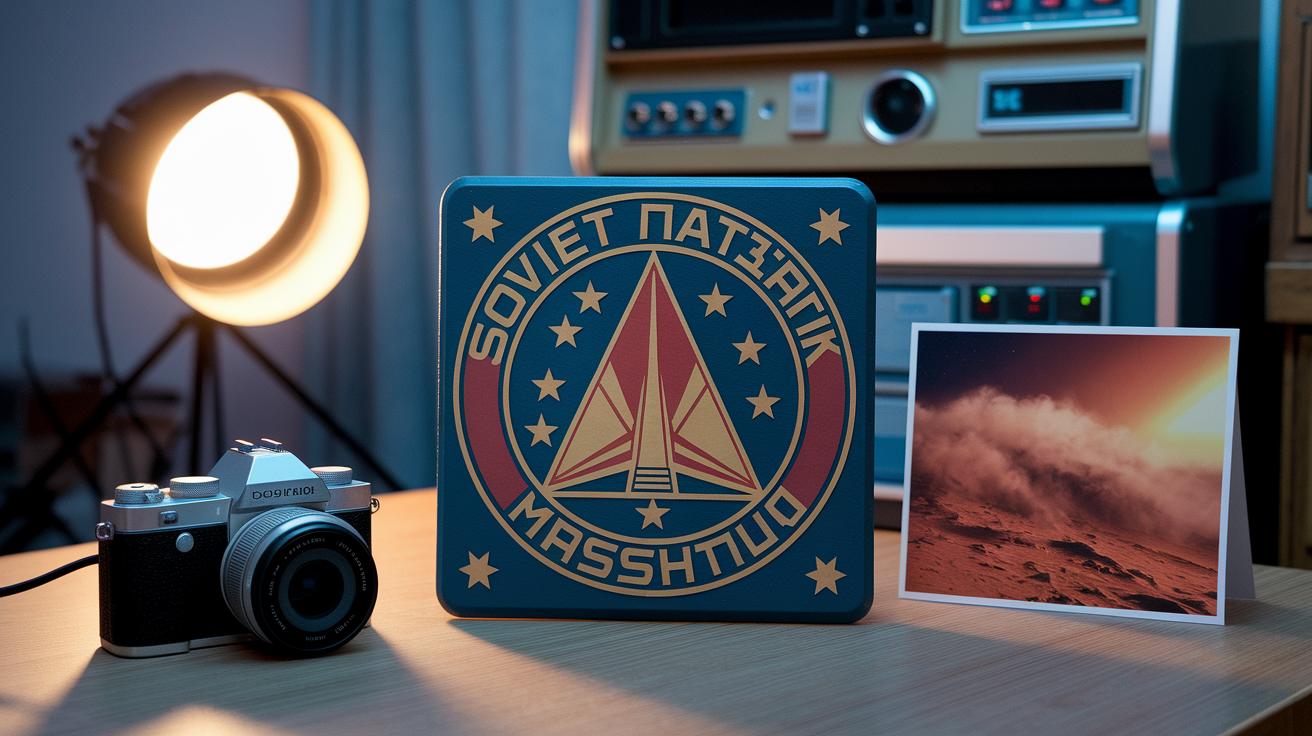
The early Soviet Marsnik missions in 1960 opened up our view of space. They set off experiments that showed both the bright promise and the real challenges of off-Earth travel. Mariner 4 lifted off on November 28, 1964, and by July 14, 1965, it had sent back 21 pictures. That simple flyby revealed a hidden world and pushed engineers to tweak spacecraft designs for unknown terrains.
Mariner 9 launched on May 30, 1971, during a time when Mars was wrapped in a planet-wide dust storm. Even though the storm covered much of the surface, the spacecraft still managed to deliver over 7,300 images. This impressive feat helped scientists improve how they process images and calibrate instruments, lessons that shaped later missions. The challenges faced here were a big part of the exciting space race where innovation met intense global competition.
Then, in 1976, the Viking 1 and Viking 2 landers made history with the first successful touchdowns on Mars. They gathered detailed data about the planet’s surface and atmosphere despite battling harsh conditions. Picture a rover carefully collecting soil samples in a strange, alien landscape; every measurement refined our understanding of another world.
Major Robotic Probes and Rovers on Mars
Robotic missions have taken different shapes on Mars. Some orbit high above the planet, while others roll over its rough surface. Each mission was built with a clear goal, whether to study Mars' air or explore its rocks and soil. They've all helped us learn more about Mars and have opened the door to new ways of exploring.
| Mission | Type | Launch Year | Primary Objective | Status |
|---|---|---|---|---|
| Odyssey | Orbiter | 2001 | Help with communication and map the planet | Active |
| Mars Express | Orbiter | 2003 | Study the air and surface of Mars | Active |
| Mars Reconnaissance Orbiter | Orbiter | 2006 | Take high-resolution pictures of Mars | Active |
| MAVEN | Orbiter | 2013 | Examine the loss of the atmosphere and support other missions | Active |
| Spirit | Rover | 2004 | Explore Mars’ surface geology | Ended |
| Opportunity | Rover | 2004 | Study rocks and terrain over a long time | Ended |
| Curiosity | Rover | 2012 | Check soil and rock to see if Mars could support life | Active |
| Perseverance | Rover | 2021 | Collect samples and explore in more detail | Active |
The orbiters, Odyssey, Mars Express, Mars Reconnaissance Orbiter, and MAVEN, have given us a bird’s-eye view of Mars. They show us things that rovers on the ground might miss. Meanwhile, rovers like Spirit and Opportunity started our close-up look at Martian geology, with Opportunity impressively lasting far beyond its planned mission.
Curiosity brought a mini-lab to Mars, offering detailed chemical checks of the soil and rocks. It helped us understand hints of Mars' past environments. Then came Perseverance, equipped with advanced tools and even a small helicopter named Ingenuity. This mission doesn’t just explore, it sets the stage for future missions that might collect samples and even help get humans to Mars someday.
Every probe and rover contributes a new piece of the puzzle, making our journey to understand Mars richer and more exciting.
Technical and Environmental Challenges of Mars Missions
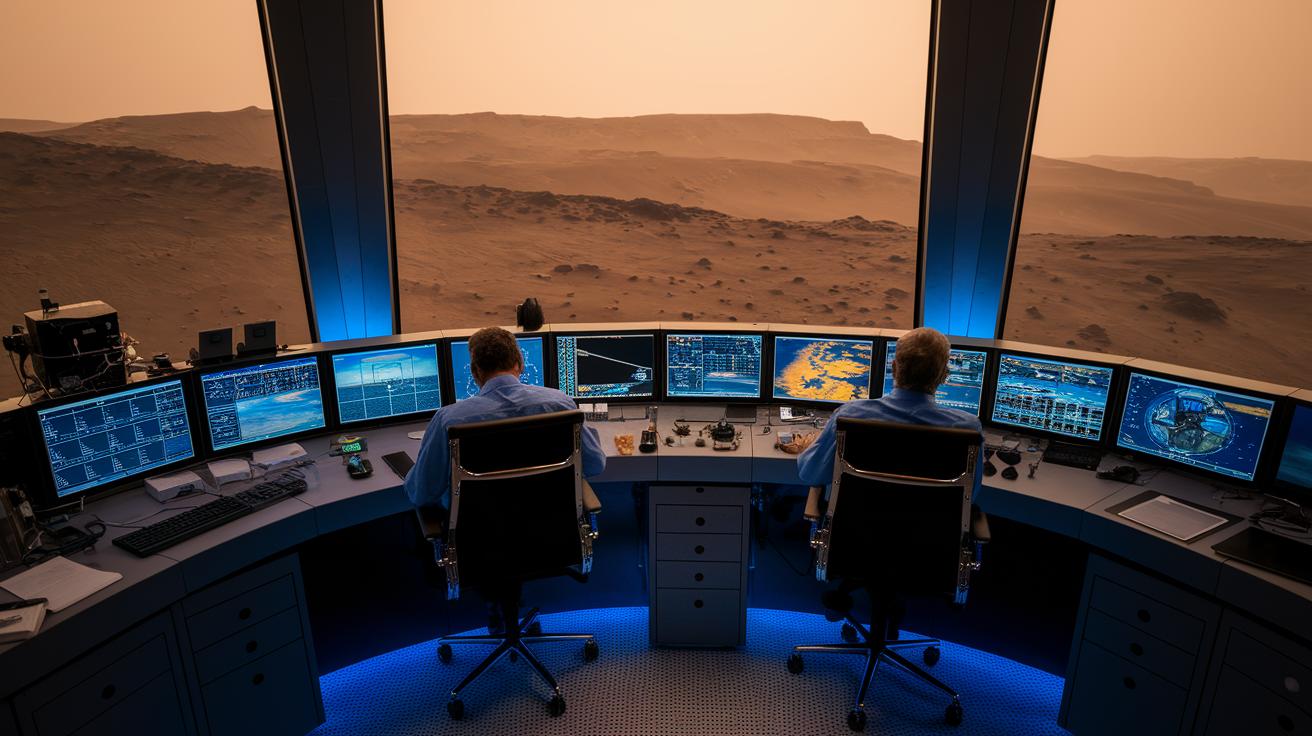
One big challenge for Mars missions is the slow communication between Earth and Mars. When we send a signal, it takes over 20 minutes for it to make a round trip. This long wait makes it hard to control spacecraft in real time. Plus, Mars has a very thin atmosphere, which means engineers must carefully plan how the craft lands. They need to deal with unexpected air resistance and heat that builds up, making every second count.
Mars also has some tough environmental conditions that can trip up a mission. Giant dust storms may cover solar panels, cutting off the power needed to run instruments. On top of that, spacecraft face high levels of radiation because Mars is beyond Earth’s natural shield. Designers have to add extra protection to keep the mission safe. These issues can lead to equipment failure and push technology to its limits, so scientists and engineers have to keep finding new ways to protect their tools.
Past missions have taught us many lessons about these obstacles. For example, the Mars Observer was lost in 1993 after a possible fuel-tank issue, and later missions like Phobos-Grunt and Nozomi had their own problems, such as trouble leaving Earth’s orbit or delays caused by solar flares. Every setback reminds us that solving problems with communication delays, tricky atmospheres, and harsh environmental conditions is key. These experiences drive improvements in how we design spacecraft and plan missions, showing that each lesson makes Mars exploration a little bit safer.
Current Active and Ongoing Space Missions to Mars
Surface explorers give us a close-up look at Mars. For example, Perseverance landed in February 2021 and has been busy collecting rock samples while testing new technology on the planet's surface. It even brought along its tiny Ingenuity helicopter, which helps it get a bird’s-eye view. Curiosity, roaming Mars since 2012, is still studying rocks and soils to uncover clues about ancient environments that could have supported life. Over in China’s Tianwen-1 mission, the Zhurong rover, which also arrived in 2021, is examining the soil and terrain to show us more about how Mars has changed over time.
Meanwhile, several orbiters take in the bigger picture from way up above. The UAE’s Hope orbiter, active since 2020, offers daily insights into Mars’ weather and climate. The ExoMars Trace Gas Orbiter, which arrived in 2016, plays a key role in checking the planet’s gases (the thin mix of chemicals in its air). And older missions like Mars Express (since 2003) and Odyssey (since 2001) continue to help with mapping and communications, making sure data flows smoothly between Earth and Mars.
These missions have far outlasted their original plans. Perseverance, Curiosity, and Zhurong not only extend our reach on Mars but also help us sharpen our scientific methods on the ground. The orbiters, some of which have been watching Mars for nearly 20 years, deliver crucial details on atmospheric changes and surface events. Every mission, whether roving the surface or circling above, adds a piece to the puzzle of Mars, deepening our understanding of the Red Planet's dynamic world.
Space Missions to Mars: Bright Scientific Milestones

Robotic missions set to bring samples back from Mars are boosting our understanding of the Red Planet. Scientists think that collecting rocks and dust might share clues about Mars' ancient weather and even hints of life. Agencies are joining forces to turn this plan into reality. Plus, these projects offer a fresh look at Mars’ surface and pave the way for bigger, manned trips in the future.
Here are some planned sample-return projects:
- NASA/ESA Mars Sample Return campaign (late-2020s)
- ExoMars Rosalind Franklin rover (2028)
- China Mars sample-return project (2030s)
- Japan MMX to Martian moons (2024)
- SpaceX Starship crewed Mars venture (mid-2020s)
Researchers aren’t stopping at just fetching samples. They’re also cooking up plans for long trips and even living on Mars. Engineers are working hard to solve the problems of landing people on the planet. For instance, they’re exploring ways to build safe homes using local materials like Martian soil (regolith – the loose rock and dust found on Mars). Early studies tell us that with better spacecraft designs and extra safety steps, humans might set foot on Mars in the 2030s.
At the same time, ideas for permanent Mars bases are coming to life. Many of these base plans use Martian regolith to build shelters that protect explorers from the harsh environment. These upcoming missions mark a bold step forward in our space adventures, blending smart robot missions with plans for human travel that could change the way we live and work beyond Earth.
International and Private Endeavors in Space Missions to Mars
International Agency Collaborations
Global teamwork has really pushed our Mars exploration forward. Agencies like ESA and Roscosmos joined forces in 2016 with the ExoMars Trace Gas Orbiter, a mission that still studies the planet's air today. There’s also the NASA–ESA Sample Return project, which plans to collect Martian samples and bring them back to Earth soon. Other countries have made impressive contributions too. For example, India’s Mangalyaan (active from 2014 until 2022) offered valuable insights into Mars' climate, while the UAE’s Hope orbiter, flying since 2020, gives us daily updates on changes in the atmosphere. And then there’s China’s Tianwen-1, launched in 2021, which shows how combining skills and ideas from different places builds a stronger foundation for Mars research. Isn’t it amazing to think of scientists from all over the world pooling their expertise to reveal the secrets of the Red Planet?
Private Space Ventures
Private companies are now stepping up with bold plans and innovative technology for Mars missions. SpaceX is working on Starship plans that aim to send humans to Mars in the next few years. The idea of people traveling to another planet is both exciting and a bit mind-blowing. Meanwhile, Blue Origin is exploring new ways that might change how we approach deep-space exploration. These efforts show that when creative engineering meets dynamic business ideas, progress speeds up even more. The collaboration between private innovation and public research is really pushing the limits of what we can do on Mars.
Final Words
In the action, we journeyed from early flybys and pioneering rovers to the active and future plans shaping space missions to mars. We examined key technological achievements, learned how past efforts have set the stage for today’s advances, and saw plans for human expeditions taking shape. Each step pushes our understanding further and makes everyday science more thrilling. The future looks bright, and every new mission brings fresh insights that spark wonder and inspire us to keep exploring.
FAQ
What is NASA Mars mission 2026?
The NASA Mars mission 2026 refers to planned unmanned efforts that test new technology for future crewed missions. It builds on past successes to further our exploration of Mars.
What does NASA Mars mission 2025 involve?
The NASA Mars mission 2025 involves using advanced hardware and robotic explorers to gather crucial data, laying vital groundwork for later deep-space, crewed missions.
How does NASA Mars mission 2030 plan unfold?
The NASA Mars mission 2030 envisions advanced studies using innovative instruments and sample-return efforts, serving as a key step toward more detailed exploration and eventual human missions.
What are some of the most successful Mars missions?
Successful Mars missions include early flybys like Mariner 4, the Viking landings, and modern rovers such as Spirit, Opportunity, Curiosity, and Perseverance, each contributing essential insights about Mars.
Which countries achieved Mars exploration on their first attempts?
The first country to reach Mars was the Soviet Union, and more recent successful first efforts have been made by the USA, China, India, and the UAE, marking important milestones in Martian exploration.
What defines a human mission to Mars?
A human mission to Mars means sending astronauts to land and work on Mars, involving challenges like radiation exposure and long travel times that represent significant steps in space exploration.
How many missions have been sent to Mars?
Multiple missions have been launched to Mars since the 1960s, with over 50 attempts including successful orbital flybys, landers, and rovers that together have greatly increased our understanding of the red planet.
Is NASA planning a moon mission in 2026?
Although NASA continues to plan extensive Mars missions, current projections do not include a lunar landing in 2026, as the focus remains on advancing Mars exploration strategies.
How long would it take SpaceX to travel to Mars?
SpaceX estimates that a journey to Mars could take about six to nine months, with travel time varying based on optimal orbital alignments and the performance of their launch systems.
What does the list of space missions to Mars include?
The list of space missions to Mars spans early Soviet attempts and NASA flybys to historic landers like Viking and modern rovers such as Curiosity, Perseverance, and international missions from multiple countries.