
Ever wondered how a thin layer of gas guards all life on Earth? Up high in our atmosphere, the ozone layer acts like nature’s sunscreen. It transforms oxygen into a shield that helps protect our skin, eyes, and plants from the sun’s harsh ultraviolet rays.
In this post, we’re going to explore the science behind this incredible natural defender. We’ll look at how the ozone layer forms and examine its crucial role in keeping us safe from dangerous UV light. Isn’t it fascinating that such a delicate process can have such a big impact on our daily lives?
earth ozone layers: Shielding Life from UV Rays
The ozone layer is a special shield that floats way up in our atmosphere, about 10 to 50 kilometers above us. It holds almost 90% of all the ozone on our planet. When sunlight (especially ultraviolet light) breaks apart regular oxygen molecules into single atoms, these atoms join up with other oxygen molecules to create ozone. This natural process is always at work, keeping our life-saving shield fresh.
This shield is amazing because it stops nearly all of the harmful ultraviolet B rays from the sun. In fact, it absorbs up to 99% of UVB rays. This is important because it helps prevent skin cancer, eye problems like cataracts, and other health issues. Plus, it protects plants and animals by blocking harmful radiation. Have you ever thought about how a thin layer of gas could make such a big difference?
For instance, picture this: around 20 kilometers up, there's a slim layer of ozone catching a storm of UV rays that would otherwise harm life on Earth. It’s like nature’s own sunscreen, keeping everything safe on the ground below.
Ongoing research and observations help us understand just how important this shield really is. Every new discovery reminds us to look after our planet and work together for a healthier future.
Composition and Formation Chemistry of Earth’s Ozone Layers
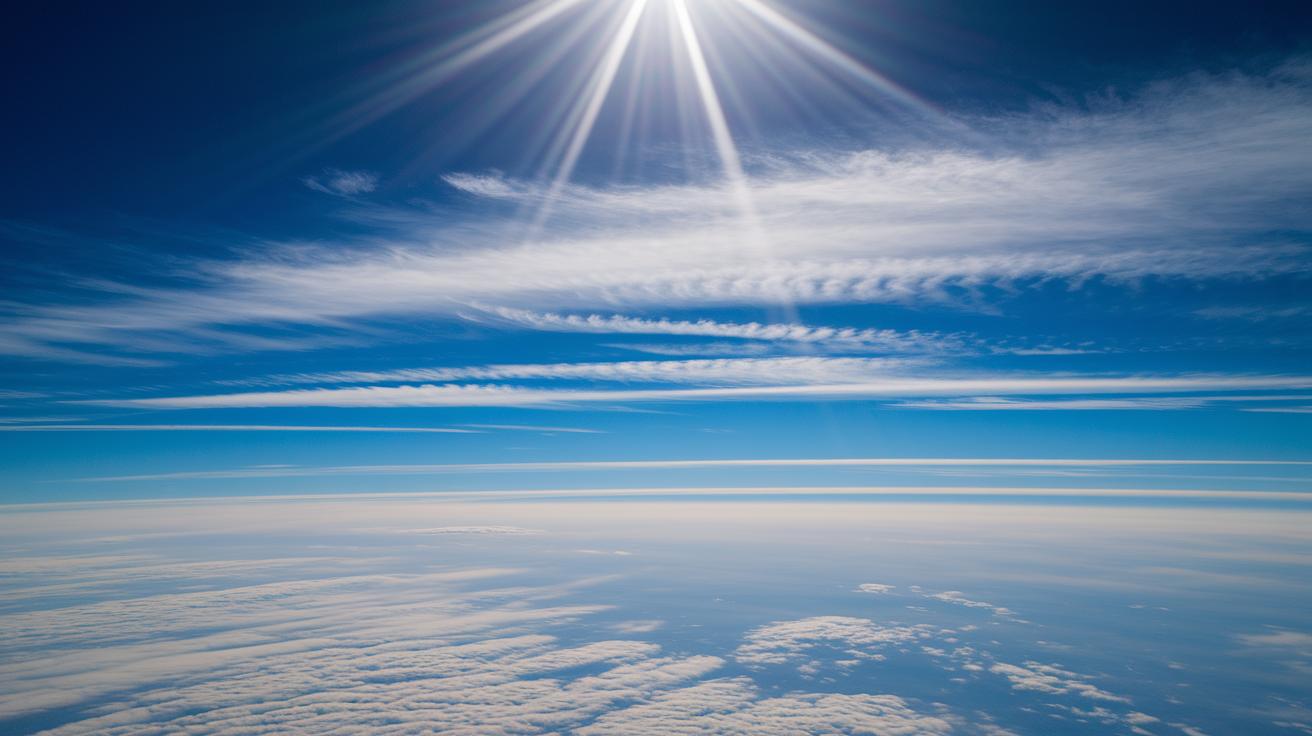
The Earth’s ozone layer forms thanks to a process called the Chapman mechanism. Essentially, sunlight meets oxygen in our atmosphere. When UV light hits an oxygen molecule, it breaks it apart into two separate oxygen atoms. Then, each free oxygen atom meets another oxygen molecule, and they combine to form ozone (O₃). This natural cycle of breaking apart and rejoining happens high up in the stratosphere, about 10 to 50 kilometers above the surface, where the conditions are just right.
Imagine sunlight as a master craftsperson. It takes a basic oxygen molecule apart and then uses the pieces like building blocks to create something new. It’s a bit like taking apart a simple toy and rebuilding it into a more intricate version. This clever process makes an ozone structure that’s excellent at soaking up dangerous ultraviolet rays. With its trio of oxygen atoms, ozone forms a reliable shield that not only keeps harmful UV light at bay but also helps maintain a balanced ozone layer over time.
Up in the thin, high air, every UV photon plays a role in this production process. It’s like a delicate dance where splitting and reuniting oxygen molecules builds up a protective barrier. This natural shield works day after day to keep life on Earth safe.
Earth Ozone Layers Filters UV Radiation and Protects Life
Recent studies are giving us new ways to watch over our ozone layer. High-tech satellites now help us notice even small changes in ozone almost as soon as they happen. Scientists also use ground-based lasers and fleets of drones to collect data. For example, a group of drones gathers live ozone readings so researchers can spot quick drops and speedy recoveries.
Climate change is also under the microscope because it might affect how thick our ozone layer is. New tools are busy picking up tiny shifts in this protective gas, which could change how it blocks harmful ultraviolet light. In fact, fresh satellite images show that temperature swings can cause the ozone to change, which tells us we need to keep a constant watch.
| Technology | Contribution |
|---|---|
| Satellite Sensors | They track small ozone changes almost instantly. |
| Laser Systems | They accurately measure what’s in our atmosphere. |
| Drone Networks | They map ozone near the ground and bring back quick updates. |
These new tools give us fresh insights into how brief shifts in the ozone might change the way UVB light is absorbed. We still trust the ozone to protect life, but now we’re also keeping an eye on fresh environmental challenges.
Human Impacts on Earth’s Ozone Layers and Depletion Trends
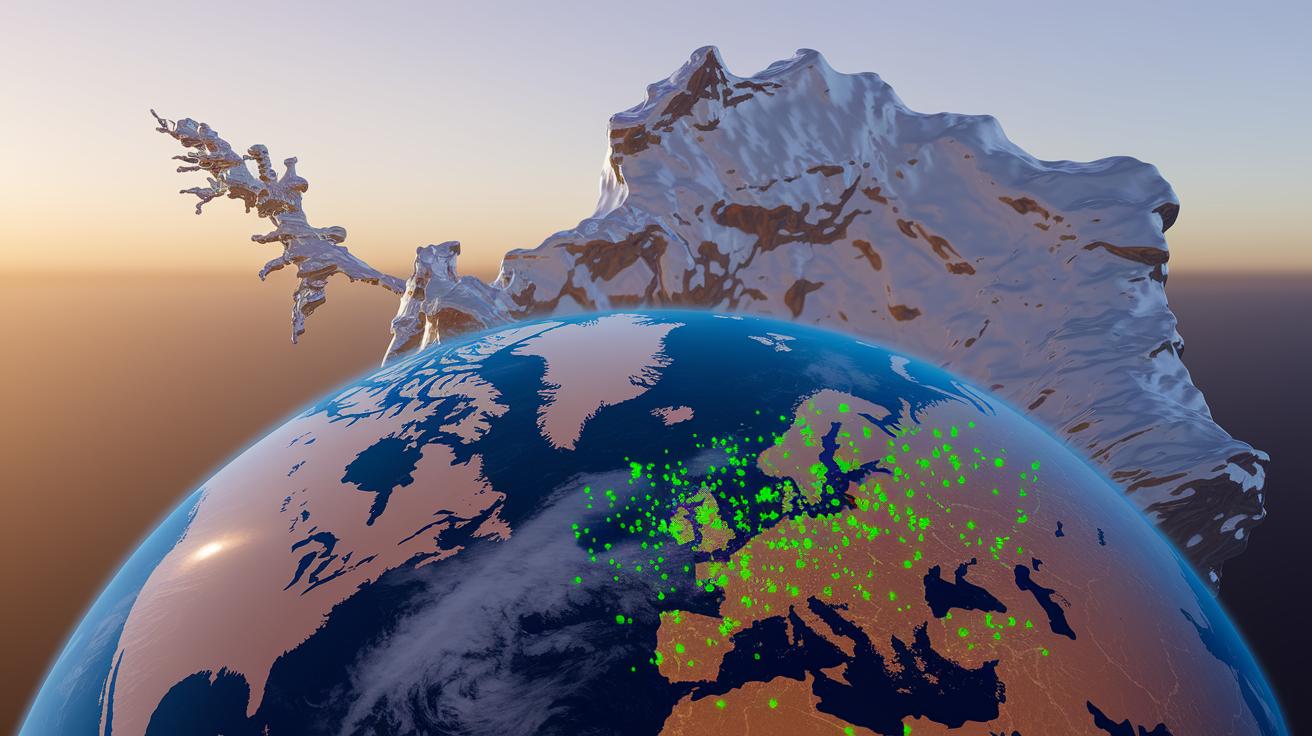
Every day, our world sees the effects of human-made chemicals, especially CFCs (chlorofluorocarbons, which are compounds created by people). When these chemicals enter the air, they break apart and let loose chlorine atoms. These atoms quickly speed up the breakdown of ozone molecules, which weakens the natural shield that protects us from harmful UV rays.
Records show a notable drop in the ozone from the 1970s through the early 1990s. In fact, the ozone hole above Antarctica expanded until around the year 2000. This tells us that our actions have a strong impact, more so than natural causes alone. Researchers discovered that changes in the ozone layer each year depend on factors like the strength of sunlight, the air temperature high up in the sky, and how many pollutants are present. It’s kind of like nature’s own rhythm that gets a little off-beat when industrial emissions come into play.
Keeping an eye on these shifts isn’t easy. Scientists use a mix of tools, satellites in space, ground sensors, and even weather balloons, to track how the ozone layer changes over time. Ground instruments give detailed readings in specific areas, while satellites help us see the bigger picture of our atmosphere.
- Human-made chemicals release chlorine, which speeds up ozone loss
- Ozone levels dropped sharply from the 1970s to the 1990s
- Yearly changes depend on sunlight, temperature, and pollution levels
Sometimes, scientists even note “negative consumption” values. This happens when the ozone-destroying gases are cleared out faster than they build up again, giving us a unique look at the balance between the harm we cause and nature’s slow recovery efforts.
Recovery and Future Prospects for Earth Ozone Layers
Back in 1987, the world agreed on the Montreal Protocol. This important deal cut harmful emissions by more than 99% and marked a big step in protecting our planet’s shield. Scientists soon noticed that the ozone above Antarctica was starting to heal. Every four years, groups like UNEP, WMO, and NOAA check on the ozone, and new satellite images from September 28, 2024, show it’s slowly improving. Imagine a scientist poring over fresh data and thinking, “These rising numbers mean our global efforts are really working.”
Recent discoveries in atmospheric science show how nature and human actions mix together. Researchers are now studying how fast the ozone can bounce back. They are also fine-tuning ways to clear out the last bits of dangerous chemicals. One common method is to use satellites and ground tools for careful monitoring. This approach uses years of gathered data while encouraging nations to team up.
Experts are still talking about the future of the ozone layer. Many are optimistic that if we keep working together, we can protect and even boost this vital shield for future generations. One recent study said, “Seeing steady improvements, even with natural ups and downs, makes us confident in Earth’s ability to shield itself.” Ongoing research and strong international commitment will help guide our environmental policies and spark new technologies to keep our sky safe.
Final Words
In the action, the article examined the earth ozone layers from their chemical makeup and natural formation to their key role in blocking harmful UV rays. It covered how tiny changes in our environment can affect this shield and highlighted hopeful recovery trends thanks to global collaboration. Each section pieced together a full picture of why these layers matter daily. It’s exciting to imagine a future where science continues to protect and empower our natural world.
FAQ
What is the ozone layer?
The ozone layer is a region in Earth’s stratosphere, located roughly 10 to 50 km above the surface. It contains high levels of ozone (O₃), which absorbs most of the sun’s harmful UVB radiation.
What does ozone layer depletion mean?
Ozone layer depletion means that the concentration of ozone in the stratosphere is reduced by human-made chemicals like CFCs, increasing the risk of skin cancers and environmental harm.
How far is the ozone layer from Earth’s surface?
The ozone layer sits in the stratosphere at an altitude of about 10 to 50 km, where most of the atmospheric ozone is found, acting as a protective shield against ultraviolet radiation.
What are the key benefits of the ozone layer?
The ozone layer filters nearly 99% of harmful UVB rays, reducing skin cancer and cataract risks while protecting plants and marine life from DNA damage, which underscores its environmental and health benefits.
Can humans survive without an ozone layer?
Humans depend on the ozone layer for UV protection. Without it, increased UV exposure would lead to severe health issues like higher risks of skin cancer and eye damage, making survival much more challenging.
What destroys the Earth’s ozone layer?
The Earth’s ozone layer is mainly damaged by chemicals such as CFCs. These substances release atoms that break down ozone molecules, thinning the protective layer and allowing more harmful UV radiation to reach the surface.
Are there different types of ozone layers?
The term “ozone layer” generally refers to the main layer in the stratosphere with concentrated ozone. Some discussions mention variations in ozone levels throughout the stratosphere, but most ozone is confined to one primary region.
Why is the ozone layer less talked about nowadays?
The ozone layer is less in the spotlight because international agreements like the Montreal Protocol have led to measurable recovery and stabilization, shifting media attention to other environmental challenges.