
Have you ever wondered if a small tweak to an airplane's wing could make a big difference? Engineers are onto something with wing design. They carefully adjust the curves and shape of the wing to get the best mix of lift (the force that helps a plane rise) and drag (the air resistance that slows it down). They use smart computer models that copy real flying to cut weight and keep safety intact. This mix of creativity and science is pushing aerospace to new heights. Let’s dive in to see how changing the span, shape, and lift can help aircraft fly even better.
Achieving Peak Aircraft Wing Design Optimization Outcomes
When designing airplane wings, engineers focus on making them as efficient in the air as possible while keeping them strong and easy to produce. They work to improve the lift-to-drag ratio (that is, the balance between upward lift and air resistance), which can sometimes be boosted by up to 35% while also reducing the wing’s weight by about 23% to 31%. They achieve these results by studying how the wing’s span and the way lift is spread out affect induced drag (the extra resistance created by swirling air at the wingtips).
Engineers also rely on flight performance models, computer simulations that mimic real-life flying, to see how small changes might affect overall lift. These models let them adjust wing shapes and predict how well a design will work. A key rule is to keep a safety factor of 1.5, which means that the wing is built with extra strength to prevent breaking or bending under heavy loads. For example, by reducing some parts of the structure, researchers have managed to cut weight by nearly one-third while still meeting strict safety rules.
In aerospace engineering (the field that covers designing and building airplanes), every design decision can change how much fuel an aircraft uses. It isn’t just about cutting weight; it’s about finding the best balance between saving fuel and ensuring safety and practicality. To do this, engineers run many tests and simulations to make sure that the wing design works with the materials available and can handle tough conditions.
Aerodynamic Analysis Methods in Aircraft Wing Design Optimization
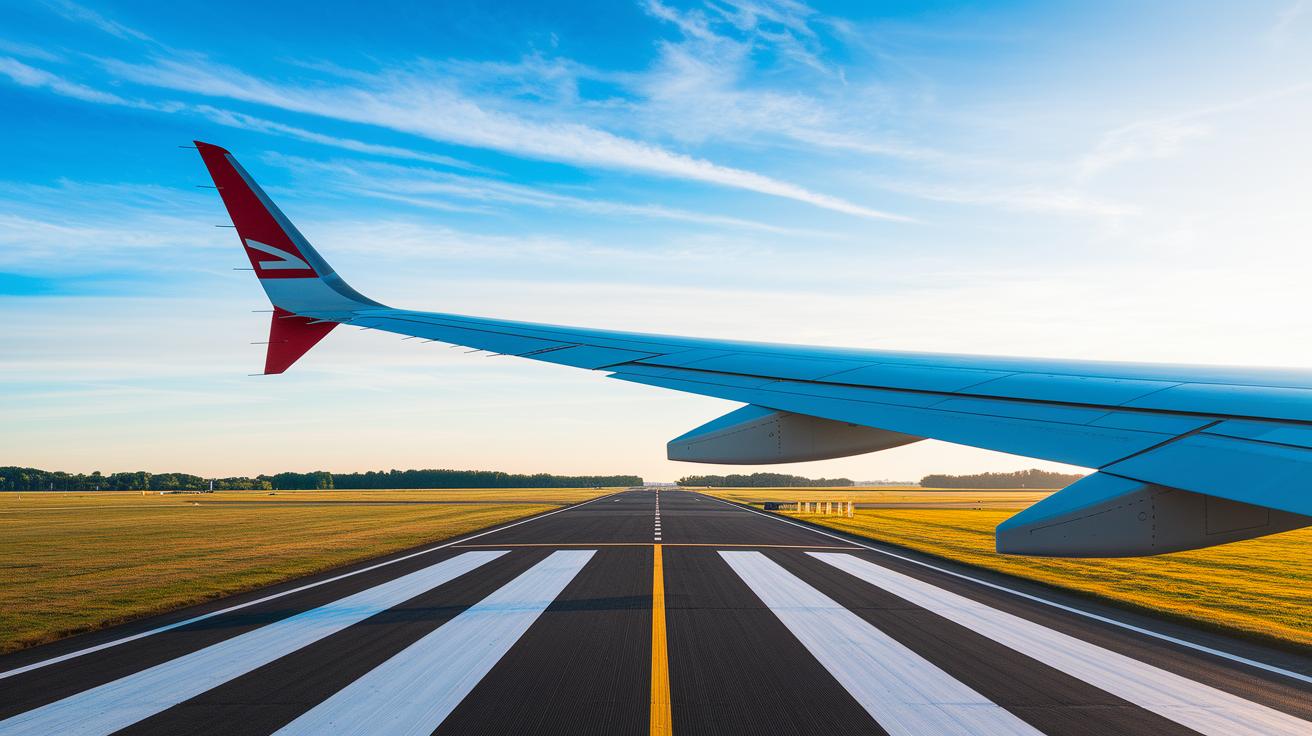
Engineers start by looking at how lift spreads along a wing. They check how the wing gets pushed up (lift) from the root to the tip. Think of it like balancing a seesaw, each part adds to the overall lift, and tweaking even a little bit can cut down on energy loss. This is important because the way lift is spread affects how much air resistance (drag) the wing encounters.
One common way to reduce drag is by adding winglets. These are small extensions at the end of the wing that help tidy up the swirling air. It’s a bit like adding a tiny fin to a kite’s tail to keep it steady. Winglets not only lessen drag but also give a nice boost to the wing’s performance when the plane is speeding along.
Another neat method is pressure distribution mapping. By drawing a map of how air pressure changes across the wing, designers can fine-tune the shape so that lift is more even, just like checking a weather chart for any shifts. Plus, when a plane starts nearing the speed of sound (transonic speeds), engineers look at flow separation. This means they figure out where the air starts breaking away from the wing, which helps keep the plane stable during high-speed flights.
Structural Integrity Evaluation in Aircraft Wing Design Optimization
Engineers use a method called finite element modeling (a computer tool that breaks a structure into smaller parts to see how each part behaves) to check the stress on every part of the wingbox. They simulate forces on the wing to find spots where it might bend or twist. It’s a bit like checking every piece of a puzzle to see if it holds up under pressure. This helps them spot weak areas and make design changes to meet strength rules.
Next, they study how loads spread out over the wing to make sure every section can handle the push and pull during flight. They also run tests on how the wing shakes with quick movements, which is important to prevent problems like wear and unexpected vibrations. Meanwhile, thin shell wingboxes can bend a little when they’re really under stress, showing a kind of unpredictable behavior that engineers need to plan for.
To add extra security, a safety factor of 1.5 is used as a protective buffer against material failure and buckling. Designers also work within limits like a maximum wingspan of 3 meters, a takeoff weight of 24.9 kg, and a takeoff distance of 30.5 meters. By using lightweight composites like carbon-fiber (a strong, light material), they can reduce the structure’s weight by about 30% while still meeting tough load requirements.
Simulation Design Software for Aircraft Wing Design Optimization

Engineers now use smart simulation software to boost aircraft wing performance. One tool, modeFRONTIER, is a real game-changer. It offers simulation process and data management (a way to keep track of simulation tasks) and multidisciplinary design optimization (mixing different design ideas) in a flexible, vendor-agnostic setup. This means engineers can blend various simulation methods without any fuss. It supports high-performance computing (powerful computers working fast), cloud deployment (using online servers), and has an integrated Python API (a coding tool) along with VOLTA. Imagine a smooth, connected platform that uses digital twin technology (a digital copy that mirrors real-world conditions) to make your work feel like magic.
Another cool tool is BQPhy's QA-PINN software. It speeds up CFD training (teaching computers how air flows around objects) by 25 times so that design teams can try out more ideas quickly. This boost means engineers can run a lot more tests in less time and fine-tune a wing’s design faster than before.
| Software Tool | Key Feature | Performance Gain |
|---|---|---|
| modeFRONTIER | SPDM and MDO automation | High-speed integration |
| BQPhy QA-PINN | Accelerated CFD training | 25× speed-up |
| Python/VOLTA SPDM | Multidisciplinary simulation workflows | Optimized compute performance |
These tools give engineers the power to run quick and solid design tests, making it easier to reach top-notch wing performance.
Optimization Algorithm Strategies in Aircraft Wing Design Optimization
Engineers try out different methods to improve wing designs so that planes can glide more smoothly. One cool method is using quantum-inspired algorithms. These are smart tools that can handle super complex designs with over 70,000 variables by harnessing the power of strong GPUs or high-performance computers. Think of it like this: the wing’s shape is first turned into a kind of digital DNA, which makes it easier for the computer to try out new ideas quickly.
Genetic algorithms are another key player. They work by mimicking natural selection, just like in nature, to test many designs using computer simulations that check air flow (this is known as computational fluid dynamics or CFD). This technique makes sure that even unexpected details, like small shifts in lift or drag, get a proper look. A handy tip is to set clear starting rules for the design, much like lining up the starters before a race, so the calculations don’t slow down.
Then there are gradient-based methods. These use something called the BFGS algorithm (a step-by-step improvement method) and special sensitivity calculations (which show how small changes influence performance) to zoom in on the best design. They rely on very accurate estimates of how tiny shifts in the wing shape affect overall performance, making progress really fast once the design is almost perfect.
- Quantum-inspired optimization: Handles many variables with the help of powerful GPUs and computing systems
- Genetic algorithms: Uses natural selection ideas with lots of CFD tests to explore many design options
- Gradient-based methods: Quickly improves the design using careful sensitivity checks
Each of these strategies tackles tough computation challenges in its own way. Together, they help engineers craft wing designs that are not only efficient but also great at cutting through the air.
Emerging Technologies and Case Studies in Aircraft Wing Design Optimization
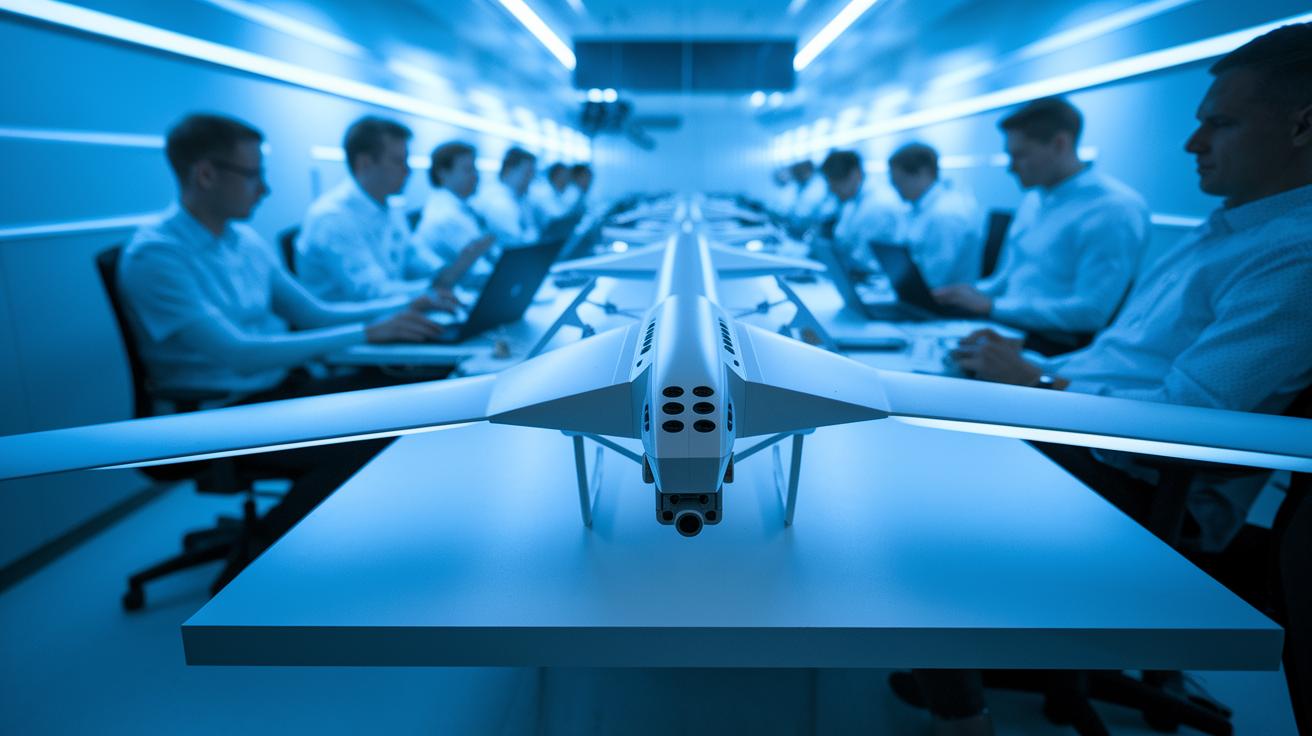
DeepGeo is one of the coolest digital optimization tools available. It uses geodesic convolutional optimization (a method that shapes complex wing curves by processing data like a curved map) to speed up design cycles, especially for drone wings. One team said, “Before using DeepGeo, our team needed weeks to simulate a wing model; now, it’s done in days.”
SenseFly’s work with engineers shows that even small tweaks can really add up. They improved the lift-to-drag ratio by 5%, proving that advanced simulation and performance trade-off analysis really work together. When designers adjust the curves and angles, even tiny changes can reduce air resistance and boost lift, making the aircraft both efficient and stable.
Then there’s QCFD technology, another breakthrough in digital optimization. Researchers managed to shrink CFD circuit designs by 100 times on modest hardware. This means we can run more detailed airflow simulations without needing massive computing power, which is key for comparing different design choices.
Winglet enhancements offer another great example of boosting aerodynamic performance. Tests have shown that fine-tuning these little fins can cut vortex energy at the wingtips by up to 35%. Picture a winglet as a small fin that calms swirling air, turning chaotic twirls into smooth, aligned flows.
These examples show how emerging digital optimization tools and smart simulation methods are reshaping aircraft wing design. They demonstrate that technology can shorten design cycles and improve key performance measures, making wings more efficient and reliable while still meeting strict design rules.
Final Words
In the action, we explored key steps in aircraft wing design optimization, from aerodynamic analysis that boosts lift and lowers drag to structural evaluations ensuring safety and efficiency in weight reduction. We also checked out how simulation software and smart algorithms power this work. Every method blends science with real-world impact, showing how tiny tweaks can lead to big performance gains. Keep your curiosity high and enjoy watching science make air travel smarter!
FAQ
What does an aircraft wing design optimization PDF cover?
The aircraft wing design optimization PDF covers key design principles, like maximizing lift-to-drag ratio and reducing structural weight, by explaining CFD analysis, finite element modeling, and safety factor applications.
What does aircraft wing design optimization software do?
The aircraft wing design optimization software integrates simulation tools and optimization algorithms to analyze wing geometry, enhancing aerodynamic efficiency while meeting structural and manufacturing requirements.
What is aerodynamic shape optimization?
Aerodynamic shape optimization refines designs to reduce drag and improve lift by studying airflow, mapping pressure distribution, and adjusting surfaces for smoother, more efficient performance.
What is aerodynamic design architecture?
Aerodynamic design architecture outlines the framework for building air-optimized structures, balancing factors like lift, drag, and structural integrity through coordinated analysis and design adjustments.
What is aerodynamic shape optimization using the adjoint method?
Aerodynamic shape optimization using the adjoint method quickly computes sensitivity data, helping designers adjust wing shapes efficiently and achieve rapid improvements in performance with fewer computational resources.
What is the aerodynamic shape of a car?
The aerodynamic shape of a car involves designing smooth, streamlined contours that reduce air resistance and improve fuel efficiency, using similar principles found in aircraft wing optimization.
What does aerodynamic shape building involve?
Aerodynamic shape building involves crafting surface geometries that enhance airflow, reduce drag, and boost overall performance by applying structured aerodynamic principles during the design process.
What are the challenges and perspectives in aerodynamic design optimization?
Aerodynamic design optimization challenges include balancing lift-to-drag improvements with manufacturing constraints, maintaining structural safety, and adapting to evolving performance demands while integrating modern simulation methods.