
Have you ever thought that clever ideas can beat gravity? NASA’s space shuttle program showed us that by reusing key parts for daring missions over thirty years, innovation truly takes flight. It wasn’t just about sending a machine into space, it was about building a legacy of creativity and bravery. Every launch and landing transformed how we see our universe. Let’s take a closer look at how these amazing shuttles changed space exploration forever.
Space Shuttle Program Overview: History, Missions, and Legacy
The space shuttle program began on April 12, 1981, when Columbia launched on its STS-1 mission with pilots John Young and Robert Crippen. That two-day mission opened up a new era of innovative designs and brave missions, putting NASA in the spotlight of space exploration. It broke new ground in reusing spacecraft (making parts of the shuttle work for multiple missions) and pushed the limits of technology at a time when the U.S. and Soviet Union were in a heated space race.
Over the years, the program hit many important milestones. In 2004, President George W. Bush announced plans to retire the space shuttles, signaling the end of an era. The final flight happened on July 21, 2011, when Atlantis landed safely at Kennedy Space Center. After retiring, the prototype Enterprise and the orbiters Discovery, Atlantis, and Endeavour became museum exhibits in California, Florida, New York, and Virginia. These exhibits now stand as a testament to human creativity and scientific progress.
| Year | Milestone |
|---|---|
| 1981 | Columbia’s STS-1 mission launches and starts the program |
| 2004 | President George W. Bush announces the retirement plan for the shuttles |
| 2011 | Atlantis completes its final flight and lands at Kennedy Space Center |
| Post-2011 | The orbiters and prototype Enterprise become museum exhibits across the US |
Space Shuttle Orbiter Design and Technical Specifications
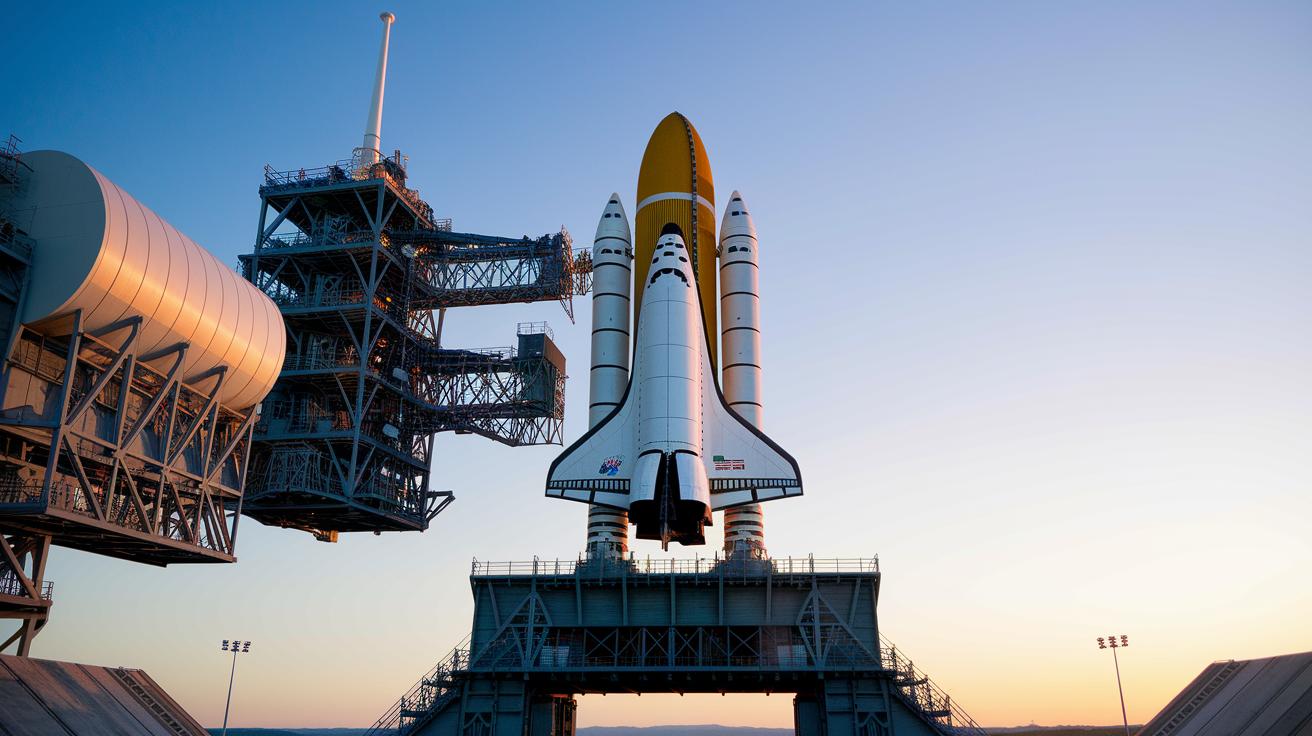
At the heart of every orbiter, you'll find three sturdy main engines. Each one is about 14 feet long and gets its power straight from the external fuel tank during liftoff. What's really cool is that these engines use a reusable design, meaning they could be refueled and flown on multiple missions. In fact, these engines delivered the steady, powerful thrust needed to break free from Earth's pull.
The orbiter also features a huge 60-foot payload bay. This smart space was designed to carry a mix of satellites, modules, and scientific experiments. It really acted as the shuttle's storage hub, showing off an efficient way to pack all kinds of equipment into one area and pointing to a bright future in reusable vehicle technology.
During takeoff, the shuttle relied on two solid rocket boosters to provide that extra push. They gave a burst of thrust that helped lift the orbiter off the launch pad and navigate through the thick lower atmosphere. These boosters were ingeniously built for reuse, coming back from the sea much like a dazzling fireworks display that returns for another show.
When it was time to come back down, advanced thermal protection was essential for a safe return. Heat-resistant tiles and composite leading-edge panels worked together to shield the orbiter from the intense heat generated by friction with the atmosphere. Think of it like a custom-fit jacket that kept the spacecraft safe during its fiery reentry.
Space Shuttle Orbiters: Fleet Roster and Highlights
NASA built its space shuttle orbiters to push the frontiers of space exploration. These sharpshooter vehicles were designed to fly again and again, helping scientists and engineers make groundbreaking discoveries. They served as true workhorses, all while inspiring many people to dream big about space.
There was also a special orbiter called Enterprise. It didn’t go into space but helped engineers learn how to land safely. This testing phase was key to developing better vehicles later on.
Here’s the list of the main orbiters:
| Orbiter Name |
|---|
| Columbia (OV-102) |
| Challenger (OV-099) |
| Discovery (OV-103) |
| Atlantis (OV-104) |
| Endeavour (OV-105) |
Each orbiter had its special mission. Some launched satellites and serviced space telescopes, while others helped build parts for the space station. Every launch and safe return deepened our understanding of space and showed how smart design and a can-do spirit can change the way we travel.
Together, these vehicles demonstrate NASA’s bold, innovative approach. Their story reminds us that with hard work and clever ideas, even the most complex challenges, like exploring space, are within reach.
Space Shuttle Mission Profiles and Achievements
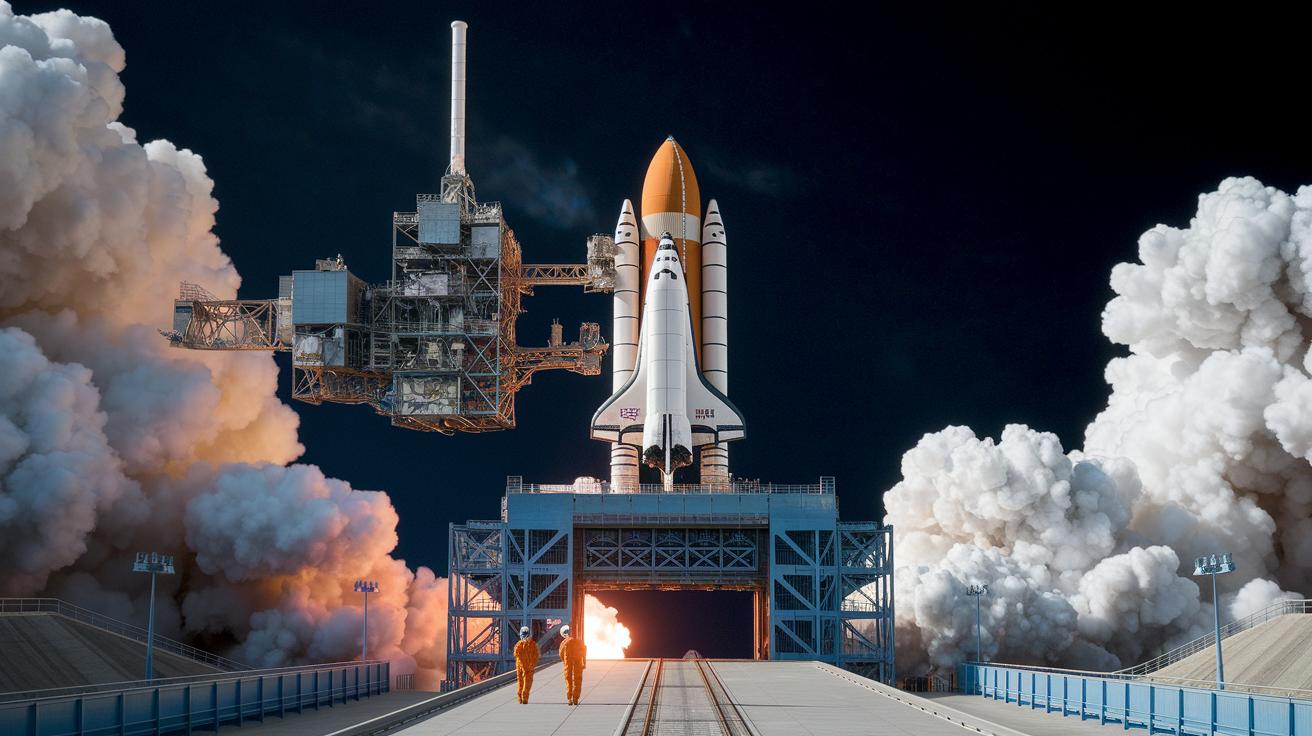
The shuttle missions went far beyond what anyone thought was possible right from the start. For instance, the STS-1 flight on Columbia in April 1981 lasted two days and opened the door to a history of creative science and brave human efforts. From the very beginning, these trips mixed activities like launching satellites, carrying out experiments with astronauts, and operating in low-Earth orbit (the part of space close to our planet) to test new ideas and technology. Each flight reached important goals that not only pushed science forward but also built a strong base for later space projects. It’s a bit like learning a new skill, you get better little by little until you can do amazing things.
Then there was STS-135, the final mission of Atlantis on July 21, 2011, which wrapped up an inspiring chapter. Over the years, the shuttle fleet broke many records by managing tasks from sending satellites into space to carefully fixing the Hubble Space Telescope, and even putting together pieces of the International Space Station (a huge orbiting space lab). The manned experiments taught us a lot about microgravity research (the study of how things work when gravity is very weak), improving our understanding of the space just above Earth. Every mission added a fresh chapter to the shuttle program’s legacy, showing not only our technical skill but also our endless drive to explore. This impressive history still influences the way we plan space missions today and lights the way for future adventures in space exploration.
Space Shuttle Retirement and Legacy Exhibits
Back in 2004, the shuttle program announced it would gradually shut down, marking a thoughtful end to its days of blasting astronauts into space. Every step of the process was carefully planned to honor the incredible design that once made space travel possible. This careful closing not only kept important technical know-how safe for future exploration but also turned the farewell into a chance for us to learn more about how it all worked.
Atlantis took its last journey on mission STS-135 and landed on July 21, 2011. That final landing was a quiet and touching close to many years of amazing space flights. It was a blend of precise engineering and heartfelt tribute, a moment when the thrill of exploration met a deep sense of nostalgia.
Today, you can see Enterprise, Discovery, Endeavour, and Atlantis in museums from New York to Virginia, California, and Florida. When you visit these museums, interactive panels and real artifacts invite you to step into the world of aerospace. One exhibit even starts with a fun fact: "Before fueling our dreams of space travel, these orbiters were top-notch engineering wonders that changed our ideas about what was possible." These displays continue to spark wonder and help us understand complex engineering in a way that makes history feel alive.
Space Shuttle Program Impact on Future Exploration
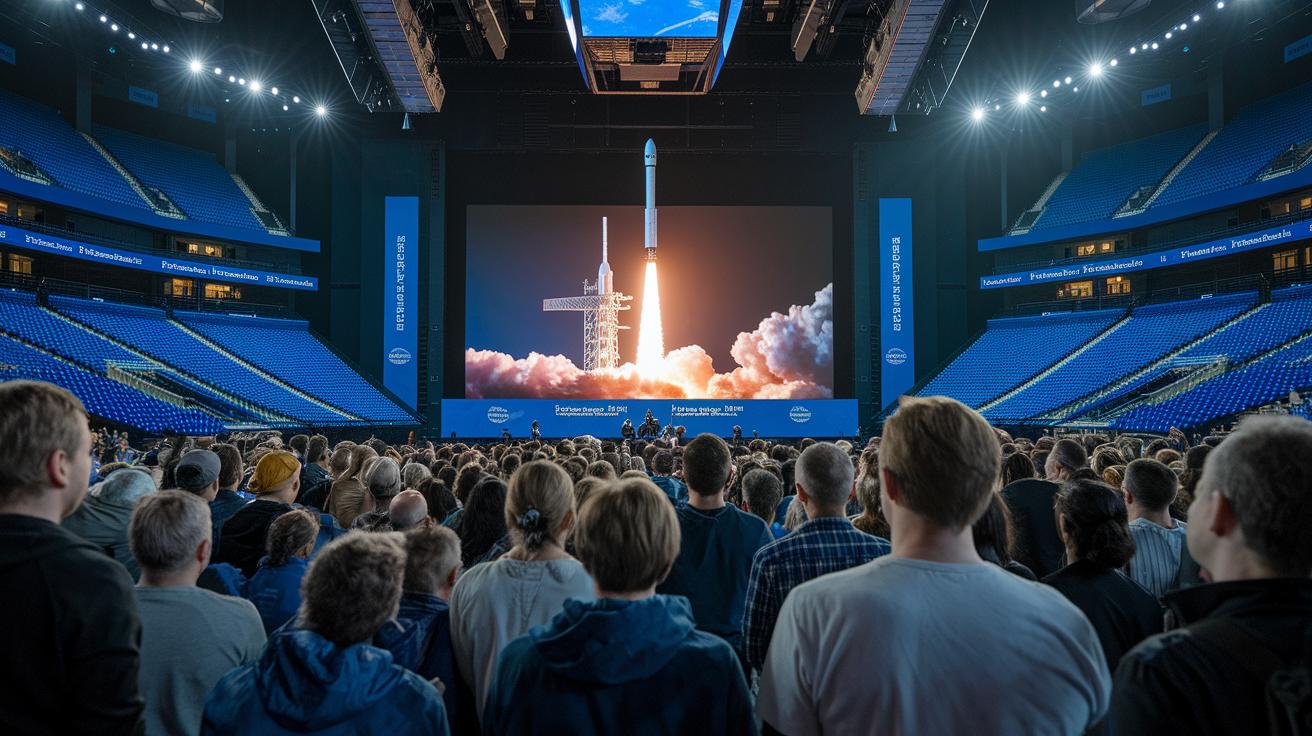
The Shuttle Program’s legacy still shines through as it helps countries work together in space. Events like the Moon 2 Mars Festival and the Artemis II Launch Watch Party at the NASA Johnson Space Center Visitor Center bring fans, engineers, and space experts together. These gatherings let people celebrate old triumphs and brainstorm future missions. They create a space where new ideas for launch innovations can grow, making space exploration a team effort across the globe.
The shuttle’s technology set the stage for today’s exciting engineering breakthroughs. One big idea it brought to life was the concept of reusable launch systems (rockets you can use more than once). This idea now shapes boosters and many vehicle systems, like NASA’s Space Launch System. Thanks to these advances, modern spacecraft are safer and more efficient. They also give scientists a solid base to research plans for deep space missions that stretch far beyond Earth.
What we learned from the shuttle era continues to influence new fields like commercial space tourism and global scientific projects. By blending hands-on experience from shuttle operations with teamwork on the International Space Station, experts have made space travel more approachable for everyone. The shuttle program remains a strong force, inspiring new teams to mix fresh ideas with international cooperation and opening up space to the next generation of explorers.
Final Words
In the action, we traced the space shuttle program’s lively past, from its historic maiden flight to the iconic final missions. We looked at the clever designs, unique missions, and the lasting marks left in museums today.
This article unwrapped the inner workings of a space shuttle, its fleet highlights, and its ripple effects on future exploration. The legacy shines on, reminding us that scientific progress continues to spark wonder every day.