
Have you ever pictured a tiny repair crew working inside your body? That’s the idea behind regenerative medicine. New treatments use your very own cells to mend injuries and ease long-lasting pain. It’s like having a skilled repair person fixing up an old machine. With smart methods like stem cell therapies (special cells that can become different kinds of cells) and ways to fix tissues, doctors are coming up with treatments made just for you. In this article, we dive into the science behind these breakthroughs and discuss how they might change the way we heal.
Comprehensive Overview of Regenerative Medicine Advances
New breakthroughs in regenerative medicine are changing how we treat injuries and illnesses. Recent studies show that our own bodies can be powerful healing tools. Treatments such as stem cell injections, amniotic fluid allografts, Wharton’s Jelly cell therapies, and PRP injections work together like a versatile toolkit to repair tissues and replace damaged organs. Imagine a tiny repair crew inside you, tackling stubborn back pain, neck issues, or joint discomfort.
Modern technology and ongoing research drive these exciting advances. Doctors now design personalized treatments that fit each patient’s unique needs. They are improving how stem cells are delivered and enhancing cell quality, while also fine-tuning treatments that use amniotic fluid and Wharton’s Jelly cells (gel-like tissue found in umbilical cords). These custom-tailored therapies help with a range of issues, from degenerative diseases to persistent joint pain.
Recent updates, including one from September 19, 2024, show that these regenerative techniques are more than just promising ideas. Real treatments are already helping many people. It’s interesting to think that before modern imaging, doctors had to rely solely on careful observation and basic tools. This history reminds us that new technology is simply an extension of our natural ability to heal.
Every step in this field combines advanced scientific methods with compassionate patient care. Ongoing improvements are making these therapies even safer and more effective. As researchers and clinicians keep refining these approaches, regenerative medicine stands as a powerful example of how we can harness our body’s natural healing potential to address many health challenges.
Stem Cell Therapy Innovations in Regenerative Medicine

Stem cell therapy forms the lively base of new advances in regenerative medicine. Researchers are busy creating fresh ways to deliver these cells and improve how we gather them. This means your doctor might pick between using your own cells (autologous injections) or cells donated by someone else (allogeneic treatments) to help your body heal better. Imagine your own body getting a tailor-made repair kit, it’s that personalized.
Today’s methods even include using amniotic fluid allografts and Wharton’s Jelly treatments. Picture a small vial of Wharton’s Jelly coming in like a hero, ready to help your body repair itself against all odds. These new techniques use natural cell sources to give your body the extra help it needs.
There are also big developments with induced pluripotent stem cells (iPSC; cells changed to act like early, flexible cells) and mesenchymal stem cells (MSC; cells that help strengthen and support repair). iPSC holds a promise of endless healing possibilities because they can turn into many different cell types. Meanwhile, MSC research is all about making the process safer and more effective, ensuring the cells settle in just right. New treatments are even teaching cells to change into exactly the type needed for repair. All of these exciting innovations in stem cell therapy are pushing us closer to truly personal, safe, and effective healing solutions.
Tissue Engineering Progress and Scaffold Design Advancements
New ways of building tissues are changing how we repair injured parts of our bodies. Scientists are now creating scaffolds that act like the body’s own support system (the extracellular matrix, which holds cells together) to guide cell growth and help form new blood vessels. This setup lets cells talk to each other and organize naturally, paving the way for real tissue repair.
Lab-made organs and tissues are almost ready for use in hospitals. These bioengineered creations are wrapped in smart materials that slowly release growth factors (natural signals that tell cells to grow) and encourage cell communication. This steady release gives cells the little nudges they need to form strong, lasting tissues.
One of the coolest ideas is personalized scaffold design. These custom-built structures are tailored to each person’s healing needs, helping cells join together quicker and better. New manufacturing techniques, shown in recent medical technology breakthroughs, offer exact control over these scaffolds, making sure every piece works perfectly with the body’s own repair system.
Think of it like building a well-organized home: every part of the scaffold has its place to support different cell jobs, yet together they form a beautiful, functional structure. These exciting advances in scaffold design might soon lead to stronger, healthier tissues available in everyday medical care.
Gene Editing and Molecular Regeneration Pathways
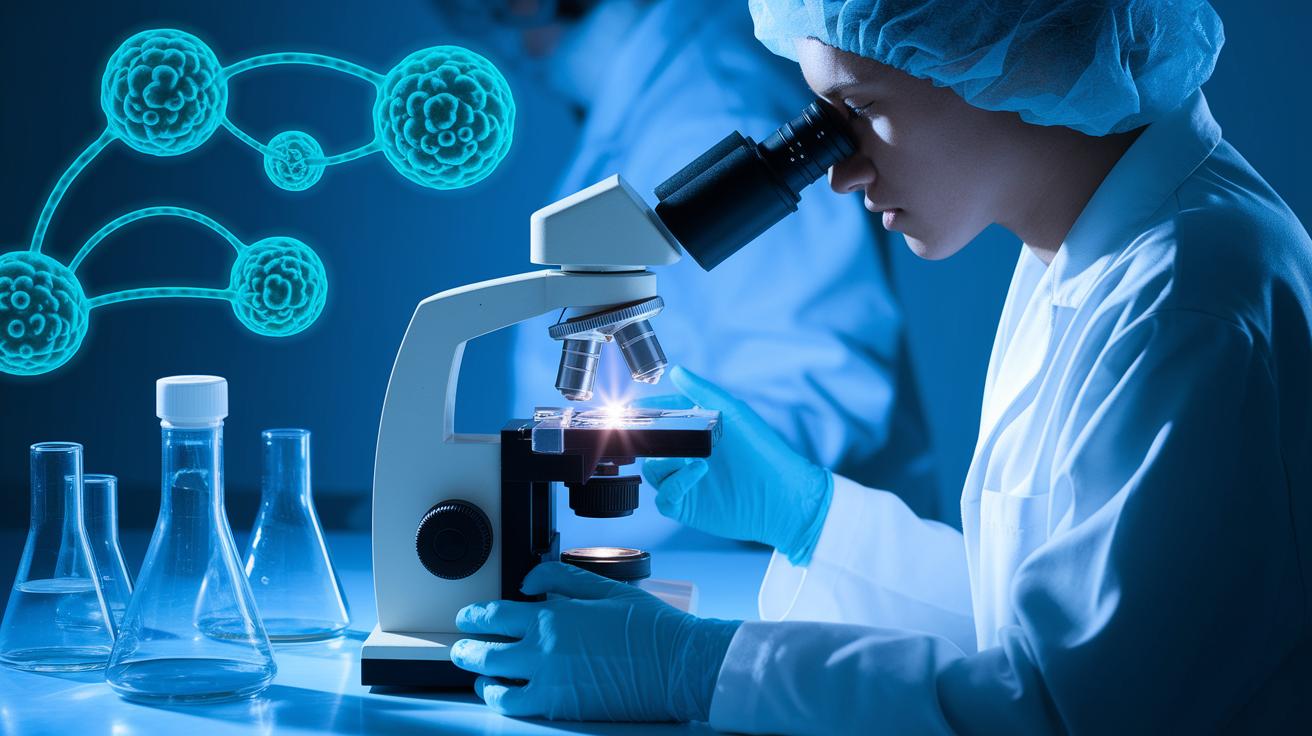
CRISPR-based tools let scientists make very precise changes to genes, much like using a word processor to fix a small mistake in a long sentence. This tiny edit can shift a cell’s path so that it works better and lasts longer.
Researchers are also fine-tuning important pathways like Wnt, Notch, and TGF-β. These pathways work like simple instruction manuals that guide cells on how to repair damage. Imagine a construction crew following a clear blueprint to restore a building’s strength. Even a small nudge in these signals can boost the speed of tissue healing.
There's also an exciting new method that turns ordinary body cells into early-stage cells (regenerative progenitors) that can transform into different specialized cells. This technique means doctors can use the patient's own cells for treatment, cutting down on risks and extra steps. Think of it like converting a common tool into a versatile gadget that fixes many things around your house.
AI-Driven Bioprinting and 3D Tissue Fabrication in Regenerative Medicine
AI is completely changing how we build living tissues. It works by sorting through tons of details to adjust bioprinting settings, so cells line up just right and form tiny blood vessel systems (small channels that help keep tissues alive). Picture an artist using high-tech brushes to paint with cells, carefully layering them to make tissues come to life.
The process of 3D bioprinting involves stacking cells, special materials, and growth signals in a very exact order. Think of it like baking a layered cake where each layer adds a unique flavor. Already, this method has produced early models like printed cartilage (the flexible tissue in joints), skin patches, and tiny tissue grids that help test new drugs. These examples show just how detailed and organized building tissues can be.
Key points include:
- AI helps guide where cells are placed to create complex, realistic tissue structures.
- Layers of living cells and supportive materials come together to form strong, functioning tissues.
- Early products such as cartilage and skin patches prove this careful method could soon move from early tests to real treatments.
Ever wonder? In one experiment, tweaking the printing settings with AI led to a tissue design that allowed nutrients to flow 40% better than the old, traditional methods.
Clinical Translation of Regenerative Medicine Advances

Scientists are busy testing new regenerative treatments in clinical trials. They are checking how safe and effective these new methods are. For example, researchers are looking at stem cell injections, exosome treatments (tiny cell parts that help cells talk to each other), and PRP therapies. They are focusing on problems like joint pain, muscle and bone issues, and speeding up wound healing. Imagine a patient who gets a precise PRP injection and then moves more easily. That’s exactly what the teams are watching.
As more data comes in, these regenerative treatments are slowly moving from the lab to real-life clinics. Early results look promising and may lead to easier ways to fix organs that used to be hard to treat. In one study, patients saw their recovery time for joint pain drop by almost 30%. Small details like these are what turn bold science concepts into everyday help for patients.
Rules and ethics are also catching up with these exciting discoveries. In 2024, new updates showed that regulators are changing their guidelines so that treatments made from living cells (called biologics) can be used safely. This flexible approach could open the door to more treatments being available by 2025.
Key points include:
- Rigorous safety and effectiveness trials on regenerative therapies.
- A focus on fixing joint, muscle, and wound issues.
- New rules that adapt to emerging research data.
Future Prospects and Challenges in Regenerative Medicine Advances
New research from clinical studies, tissue building, and gene editing is showing us a future where regenerative medicine is more connected than ever. Scientists are designing better support structures for healing (called bioactive scaffolds) and fine-tuning cell signals to speed up recovery in ways we hadn’t seen before. For instance, one study found that patients healed almost 40% faster when using these improved scaffolds, which suggests that even small upgrades can make a big difference.
Meanwhile, rules are changing too. Regulatory agencies are updating their approval steps as fresh data from trials makes things clearer. Experts believe that if key goals are met, we might see these advanced treatments available to everyone by 2025. It’s a blend of lab discoveries and real-life results that feels both hopeful and solid.
At the same time, guidelines on ethical issues are evolving. New consent forms and safety checks are being developed through teamwork among experts. These changes, tied to advances in gene editing, offer new ways to balance breakthrough technology with careful patient care.
Final Words
In the action, regenerative medicine advances are changing how our bodies heal. The post covered everything from stem cell innovations and tissue engineering to gene editing and AI-driven bioprinting. We explored clinical applications and looked toward future prospects with a clear look at current trends in regeneration. Each breakthrough brings us closer to simpler, more effective care. It’s an exciting time to follow science, and every step forward fills us with optimism about what tomorrow may hold.
FAQ
Frequently Asked Questions
What is the Regenerative Medicine journal?
The Regenerative Medicine journal is a scholarly publication that shares research and clinical studies on techniques that help repair or replace damaged tissues and organs using the body’s own healing process.
What research topics are covered in regenerative medicine?
Regenerative medicine topics include stem cell therapies, tissue engineering, gene editing, 3D bioprinting, and clinical translation, all aimed at repairing damaged tissues and addressing degenerative diseases using innovative scientific methods.
What is the typical salary in tissue engineering and regenerative medicine?
Compensation in tissue engineering and regenerative medicine can vary widely based on experience, location, and position, with salaries reflecting the field’s advanced expertise and ongoing research breakthroughs.
What is the NPJ Regenerative Medicine impact factor?
The NPJ Regenerative Medicine’s impact factor measures its influence in the scientific community; readers can check the latest metrics on the journal’s official website or academic databases for up-to-date information.
Where can I find reliable PDFs on regenerative medicine?
Reliable PDFs on regenerative medicine can be found through academic databases, university libraries, and reputable medical websites that share peer-reviewed research and comprehensive clinical studies.
Where can I get the latest regenerative medicine news?
The latest regenerative medicine news is available on trusted scientific news platforms, academic journals, and websites dedicated to medical breakthroughs, ensuring you stay informed on the newest therapy advancements.
What does regenerative medicine tissue engineering involve?
Regenerative medicine tissue engineering involves creating functional tissues through the use of scaffolds, cell-based therapies, and biomaterials that support cell growth and help repair or replace damaged tissues.
What is Nature Regenerative Medicine?
Nature Regenerative Medicine is a respected publication that highlights cutting-edge research in tissue repair, stem cell technology, and innovative treatments, bridging basic science and clinical applications in the field.
What is the biggest problem with regenerative medicine?
The biggest problem in regenerative medicine is addressing long-term safety and effectiveness while meeting strict regulatory standards and overcoming technical challenges to ensure consistent clinical outcomes.
Does insurance pay for regenerative therapy?
Insurance coverage for regenerative therapy varies by policy and treatment type; many insurers may cover clinically approved procedures, so it’s best to check directly with your provider for detailed information.
Where did Joe Rogan get his stem cells?
Joe Rogan discussed receiving stem cell treatments from a clinic specializing in regenerative therapies; however, specific details about the source or type of stem cells were not extensively shared.
How close are we to regrowing organs?
Research on regrowing organs is progressing fast with lab-grown tissues and 3D bioprinting methods, yet several technical and safety challenges remain before these solutions become widely available in clinical practice.