Ever thought that looking at old ideas in a new way could completely change things? Scientists have found that when we question simple concepts, big breakthroughs happen. For example, a new twist in thinking once led to the first chemotherapy. Later on, fresh ideas helped improve treatments for depression and even boosted how we predict proteins with AI (a kind of smart computer system).
Changing our perspective fuels smarter approaches and new cures. These bold shifts keep reshaping our world and pushing the limits of what we can do. In this article, we'll look at how creative, new thinking can transform science and lead to a brighter future.
How Paradigm Shifts Have Transformed Modern Scientific Breakthroughs
Paradigm shifts happen when scientists completely change the way they see a field. They flip old ideas on their head and open up new, exciting ways to solve problems. In other words, these shifts replace outdated methods with smarter, more effective approaches.
Have you ever thought about how these dramatic changes have shaped science? Back in the 1940s, researchers experimented with folate analogues (chemicals similar to folate, a type of vitamin) and paved the way for the first successful chemotherapy for acute lymphoblastic leukemia. This breakthrough proved that rethinking old ideas can save lives. Then, in 1987, Prozac came along, introducing SSRI-based therapies (medications that help balance brain chemicals) to treat depression. More recently, tools like AlphaFold have used AI to predict protein folding, while federated learning frameworks are helping discover new drugs. Even the Dimensions Knowledge Graph, loaded with millions of research statements, is sparking fresh AI insights. And there’s the “protomolecule” story that shows how new technologies can totally transform what we can do.
Here’s a quick look at some of these breakthroughs in a nutshell:
| Breakthrough | Description |
|---|---|
| Folate Analogues in Chemotherapy | Led to the first effective treatment for acute lymphoblastic leukemia. |
| Prozac in 1987 | Brought SSRI therapies into depression treatment. |
| AlphaFold | Utilizes AI to predict protein structures. |
| Federated Learning in Drug Discovery | Applies advanced AI techniques to find new drugs. |
| Protomolecule Concept | Shows how technology can push human capabilities to new limits. |
These examples show that rethinking old ideas can be the key to major breakthroughs. Scientists are finding ways to mix the wisdom of the past with cutting-edge technology, leading to innovations that drive our understanding forward. This blend of traditional experiments and digital advances continues to push the boundaries of what we know and can achieve in modern science.
Historical Evolution of Scientific Paradigm Shifts

Thomas Kuhn’s 1962 work completely reshaped how we think about science. He showed that progress doesn’t happen in a steady, straight line but in big leaps. This helps us see why old theories sometimes get replaced and why heated debates among scientists can slow things down, those discussions often signal that a major shift is coming.
Back in the 1940s, experiments like the folate analogue tests (folate being a type of vitamin that helps our cells grow) briefly changed scientists’ views on treatment. These moments prove that even a small change in how we approach a problem can lead to entirely new methods.
Then, in 1987, the launch of Prozac turned the tide in depression treatment. By focusing on brain chemistry, it marked a clear break from older ideas, showing that when established methods aren’t enough, science can take a bold new direction.
Finally, the way scientists interact with each other adds another twist to the story. Rivalries and disagreements sometimes hold back new ideas from catching on quickly, reminding us that human debates can really shape the pace of discovery.
Interdisciplinary Research and Disruptive Innovation in Paradigm Shifts
Interdisciplinary research brings people from different fields together to tackle tough problems. When experts mix their ideas and methods, they create new ways to challenge old ideas. It’s like combining different ingredients to bake a unique recipe.
Today’s breakthroughs come from teams that work across separate fields. When you pool insights from many areas, you build fresh tools and techniques that push the limits of what we thought was possible. For instance, Digital Science’s SRAD program offers live data analysis (real-time insights that help with quick decision-making) for smart planning. And federated learning platforms (systems that let institutions share data securely) keep everyone's information safe while they work together.
Plus, resources such as the Dimensions Knowledge Graph collect billions of research statements to fuel AI algorithms (computer programs designed to learn and solve problems). This shows that having lots of accessible data isn’t enough on its own, really connecting that data is what drives meaningful progress.
| Field Combination | Paradigm Shift Enabled | Key Outcome |
|---|---|---|
| Data Science + Biomedical Research | AI-driven insights using the Dimensions Knowledge Graph | Faster drug discovery and personalized treatments |
| Cybersecurity + Healthcare | Federated learning for secure data sharing | Better privacy and improved collaboration in research |
| Analytics + Strategic Planning | Real-time decision-making via Digital Science’s SRAD | Enhanced research management and quicker innovation cycles |
These approaches all rely on open teamwork, smooth data integration, and creative tech use. Together, they light the spark for breakthroughs that reshape research and lead the charge in disruptive innovation.
Technological Revolutions in Experimental Methodologies Driving Paradigm Shifts
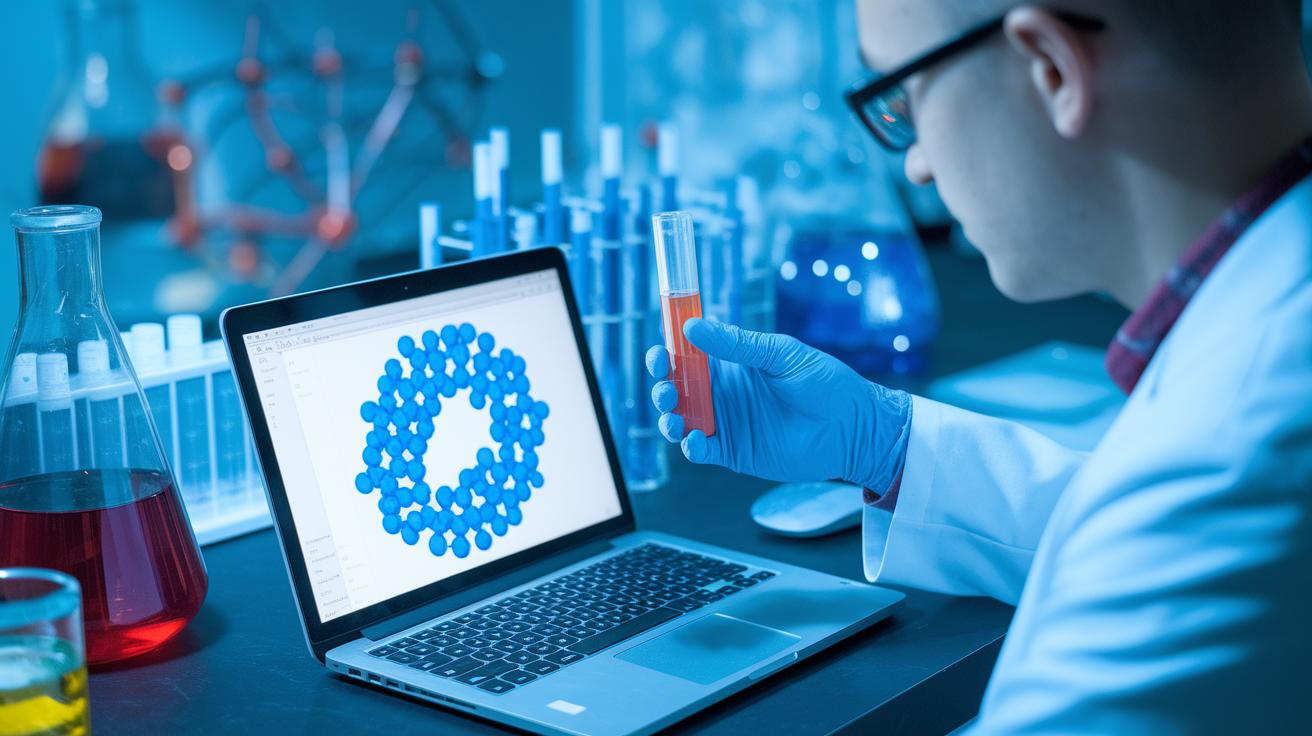
Computers have made it easier for scientists to solve tough puzzles in biology. Smart programs like AlphaFold use clever math (algorithms) to figure out how proteins (important parts in our bodies) fold into their shapes. This means researchers can see protein shapes much faster than before. It’s like having a superpowered microscope that shows the tiniest details inside cells.
New lab methods are also playing a big role in today’s scientific breakthroughs. Tools such as next-generation sequencing and high-throughput assays help scientists study genes (the instructions in our cells) quickly and accurately. Even early experiments with quantum computers are opening up new ways to simulate and study materials. These techniques aren’t just small improvements; they change how we run tests and collect data in the lab.
All these tech advances and lab innovations are changing the way research is done. New data systems make it easier for other scientists to check and trust the results. When computer predictions mix with smart experiments, the whole process becomes more lively, precise, and ready to meet future challenges. This exciting shift sets the stage for many amazing discoveries ahead.
Case Study: Paradigm Shifts in Modern Medicine Breakthroughs
Back in the 1940s, scientists experimented with folate analogues (chemicals similar to folate). They discovered that a small tweak in chemical structure could turn a basic idea into a life-saving treatment. These early tests led to the first successful chemotherapy for childhood leukemia and paved the way for the focused treatments we see today.
Then in 1987, Prozac changed the game in psychiatric care. This new drug targeted specific brain chemicals instead of using a one-size-fits-all approach. It stirred up lively debates among researchers, urging everyone to reconsider older methods and focus on safer, more effective treatments.
Today, modern medicine builds on those early breakthroughs. Researchers now use advanced genomic analyses (detailed tests that look at a person’s unique DNA) along with tailored treatment plans. This modern approach allows experts to pinpoint disease causes with incredible clarity, all thanks to the pioneering work from those mid-century studies.
Artificial Intelligence Evolution as a Paradigm Shift in Drug Discovery
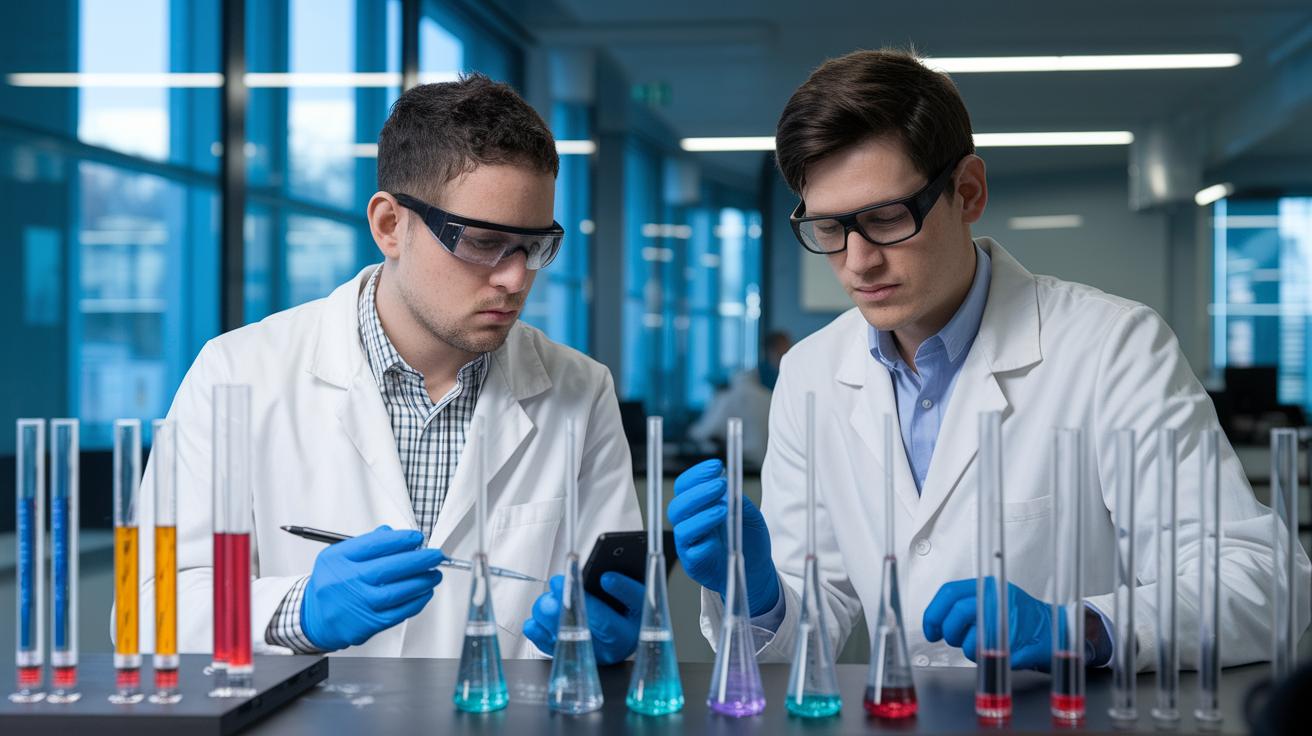
Today, artificial intelligence is stepping up to solve tricky molecular puzzles. It uses deep learning models (computer programs that learn from lots of data) that go further than older breakthroughs.
These systems blend different data types and clever new prediction methods to trace the complex links in biology. For instance, one research team developed a model that adapted instantly to lab results. They even said it was like the molecule itself was whispering clues.
New advancements include adaptive algorithms (software that improves over time) and reinforcement learning (techniques where computers learn by trial and error) that keep refining their forecasts. Instead of reusing old methods, scientists are now mixing live experiment feedback with computer-simulated molecular movements. This fresh approach not only helps pinpoint drug targets, but also checks how solid the system is when unexpected changes occur in the biology.
Looking ahead, AI is moving toward personalized analytics in drug discovery. It promises fast adjustments to new data while keeping that data secure, all while making its predictions sharper. Early studies indicate that as these models become more dynamic, they might tackle problems that once stalled traditional techniques. This marks a clear shift in pharmaceutical research.
Future Paradigms and Implications for Modern Scientific Breakthroughs
Open science and connected data are changing how we do research. When scientists share their work with everyone, it does more than just make information easy to find, it helps explain how smart computer programs (AI that you can understand) work. By putting together different sets of data, researchers can spot trends that spark creativity and build trust in their results. Tools like SRAD, which offer live data, show how research is evolving all the time. This proves that just sharing data isn’t enough; clear conversations and teamwork are needed to make science work better for all of us.
New rules, smarter funding, and better training programs will guide the next steps in research. Changing how data is shared and encouraging people to work together can help us see and support new ideas in science. We need fresh policies that promote learning from different fields and rethinking how we spend money on research to keep things transparent. These changes in science policy and funding are essential to spark new ideas and build a strong foundation for future breakthroughs.
Final Words
In the action of exploring scientific progress, we saw how fresh ideas challenged old models and spurred achievements in medicine, technology, and environmental research.
Highlighting examples like folate experiments and AI-based drug discovery, the article shows the power of teamwork across different areas in shaping our understanding.
These paradigm shifts driving modern scientific breakthroughs inspire hope and spark lively discussions about the bright future of science.
FAQ
What do “Paradigm shifts driving modern scientific breakthroughs” PDFs and essays cover?
The topic explains how shifts in scientific thinking change research methods and challenge old ideas. It shows how new models reshape established theories for major advancements.
What are some recent and upcoming scientific breakthroughs?
The discussion on scientific breakthroughs covers current progress and future trends, including 2024 achievements and 2025 discoveries. It highlights advances in technology, medicine, and artificial intelligence that are reshaping research.
What does the term “scientific breakthrough” mean?
The term scientific breakthrough means a major change that redefines a field, bringing fresh ideas and innovative methods that alter the way scientists understand and explore phenomena.
What are some examples and meanings of paradigm shifts in science?
The phrase paradigm shift in science highlights radical changes in theories. Examples include chemotherapy’s origins and AI-based innovations, each marking key turning points in how research and thinking evolve.
How does science experience paradigm shifts?
The process of scientific paradigm shifts occurs when new research challenges old frameworks. These challenges force scientists to adopt fresh models and integrate new methods, ultimately reshaping established thinking.
What are the four scientific paradigms?
The four scientific paradigms often refer to observation, experimentation, theory creation, and technological application. Each represents a distinct approach through which science explores, explains, and tests ideas.