
Have you ever thought about whether we can actually slow down climate change? Every year, harmful gases trap warmth around our planet like a cozy blanket, making storms stronger and causing ice to melt. This article shares simple tips, from switching to cleaner energy to taking better care of our forests, that work together to ease the burden on our Earth. It shows how everyday choices in our homes and communities can make a big difference. Big, brave actions are on the way for a cooler and healthier world.
Effective Strategies to Stop Climate Change
Stopping climate change is a big job that needs many ideas working together. The problem starts when burning fossil fuels puts greenhouse gases into our air. These gases act like a warm blanket that traps heat, making our planet warmer. That’s why we need to explore different ways to ease the strain on our Earth.
Here are some ideas that can help:
- Clean energy transition – Switching from fossil fuels to wind or solar energy can cut down the harmful gases we release.
- Nature-based solutions – Protecting and restoring our forests, grasslands, and oceans helps pull carbon out of the air naturally.
- Carbon pricing – Charging companies a fee for the carbon dioxide (CO2) they create encourages them to pollute less.
- Efficiency improvements – Updating our homes and businesses to use energy more wisely could lower energy use by up to 30%.
- Emissions reduction measures – Changing how we work in every area can stop greenhouse gases at the source.
All of these ideas work together nicely. By putting smart policies in place and making small changes in our daily lives, from using energy-saving appliances to caring for nature, we can build a cleaner, healthier world. Every step we take helps reduce our carbon footprints and moves us closer to a more resilient future.
Scaling Renewable Energy to Stop Climate Change
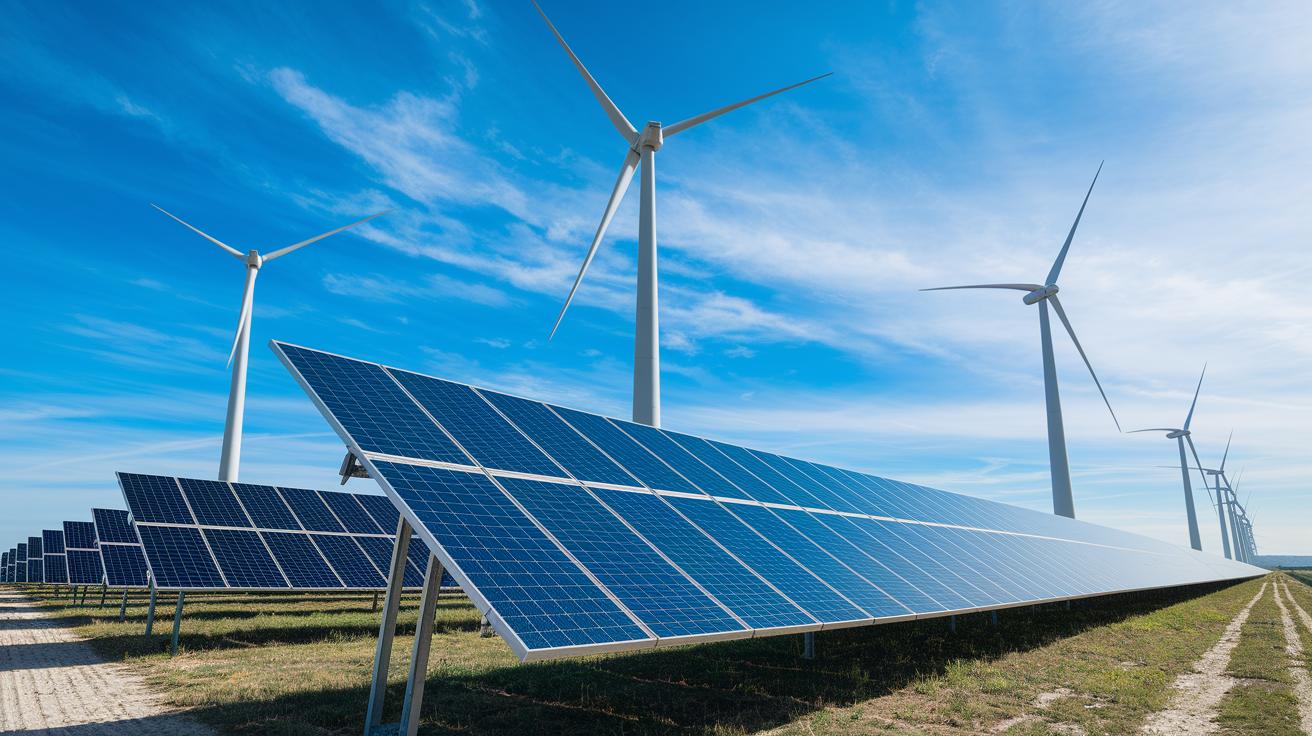
Renewable energy, like wind and solar power, helps cut down on harmful emissions. Wind turbines and solar panels make electricity without dumping CO2 (the gas that traps heat) into the air. This switch not only lowers greenhouse gas levels but also moves us away from fossil fuels. It replaces old, heavy energy methods with cleaner options that cool our warming planet.
Solar power has improved a lot in recent years, with costs dropping nearly 90% since 2010. Wind energy is also getting better, and experts say these systems might provide up to 20% of the world's electricity by 2030. This progress makes it clear that renewable energy can meet the needs of growing industries and new data centers. It's pretty exciting to see clean energy becoming cheaper and more efficient.
Pushing more solar and wind power into our energy mix also means better, modern power grids. This helps us hit climate targets while fueling steady growth. It's a bold move to slash emissions and power our lives with clean energy, paving the way for a future that feels a lot healthier for our planet.
Carbon Pricing and Policy Reforms to Halt Climate Change
Carbon pricing means that companies pay a fee for each ton of carbon dioxide (CO₂, a major greenhouse gas) they release into the air. This fee makes them feel the pinch when they pollute, so they look for ways to cut back. Often called a carbon fee and dividend, the system collects money from companies and sends it back to households. In short, it creates a financial push for cleaner ways to work and attracts more green solutions into the market.
Think about it this way: Studies suggest that a fee of $50 for every ton of CO₂ could drop U.S. emissions to about 40% lower than what they were in 2005 by 2030. That extra cost would encourage industries and businesses to invest in cleaner technologies. And because the revenue gets redistributed to everyday people, it helps lower the carbon footprint while easing the load of rising expenses on families. In fact, when companies pay more for their emissions, the savings can spark local economies and reduce harmful pollution.
On top of that, supportive policies such as clear emissions standards and clean-energy subsidies work hand in hand with carbon pricing. These measures give companies both rules to follow and a financial reason to cut down on pollution. Together, these reforms help drive wide-ranging cuts in emissions from power plants, transportation, and industry. Ultimately, they pave the way toward a cleaner and healthier environment for all of us.
Protecting Forests and Reforestation for Climate Change Prevention
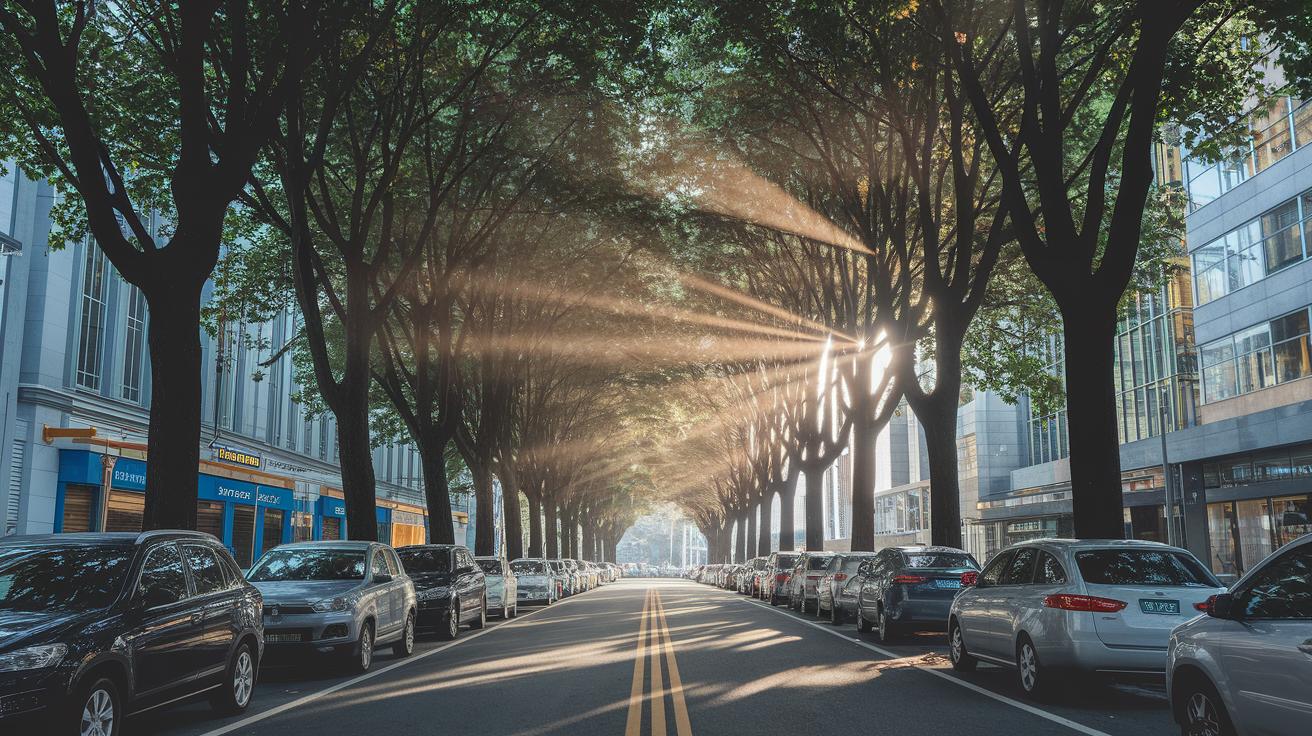
Forests are nature's sponges that soak up about 30% of the carbon dioxide we release every year. These green areas pull carbon from the air, which helps cool the planet and balance out emissions from burning fossil fuels. When we take care of these natural carbon collectors and even add more trees, we move closer to reducing the buildup of greenhouse gases in our sky.
Large tree-planting projects, such as creating new forests and restoring lost ones, could capture up to 10 gigatons (a huge amount) of CO₂ every year by 2050. And have you ever noticed how a few street trees can make a city feel cooler? Urban planting can drop local temperatures by as much as 3°C, easing the pressure of heat in busy areas. In truth, these efforts not only protect our environment but also create friendlier, more welcoming spaces for our communities.
Taking care of our forests also means managing wildfires carefully. Stopping fires helps keep the carbon stored in our trees and prevents more emissions when trees burn. With attentive monitoring and sustainable practices, forests stay strong, offering us a natural and cost-effective shield against climate change.
Eco-Friendly Lifestyle Changes to Combat Climate Change
We all have the power to help our planet by making small changes in our daily routines. Even simple acts, like washing your laundry in cold water or letting your clothes air-dry, can save energy and reduce your energy bill. Over time, these little choices lower your household's carbon footprint and show that everyday actions add up to a big difference in fighting climate change.
Here are some easy ways to make a change:
- Do an energy check at home to spot where you use too much power.
- Wash your clothes in cold water to cut down on energy use.
- Let your clothes dry naturally instead of using a dryer.
- Replace old bulbs with LED ones that use less energy.
- Unplug devices when they’re not in use to save power.
- Shop secondhand to reduce waste and overconsumption.
- Start composting food scraps to lessen landfill waste.
- Try a plant-based diet to lower emissions from food.
- Use smart thermostats to better manage heating and cooling.
- Choose to carpool or bike to save on fossil fuels.
These actions, when combined, create a strong, everyday plan to tackle climate change. From replacing energy hogs to rethinking our shopping habits, every step shows our commitment to a healthier, low-carbon future. Isn't it neat how small, everyday choices can lead to a big, positive change?
Community and Advocacy Actions to Stop Climate Change
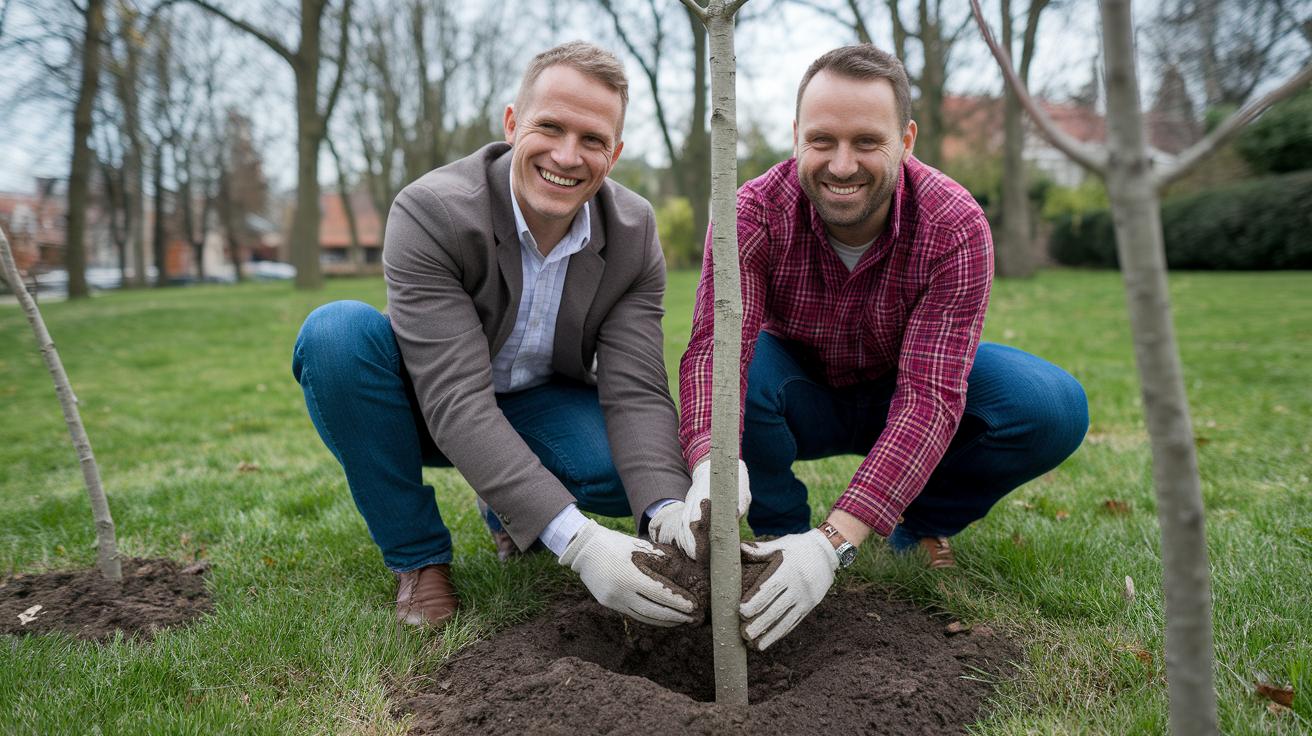
There’s something truly powerful about neighbors coming together to protect our environment. When folks organize local clean-ups and tree-planting days, they make their streets look great and build a network that can push for real policy changes. It’s amazing how even small actions can make a big difference.
Here are some simple ways to join in:
- Organize neighborhood clean-up drives to pick up litter and freshen the air.
- Host tree-planting events that add green spaces and help soak up CO₂.
- Join local groups focused on renewable energy to boost zero-emission projects.
- Support efforts led by indigenous communities that honor centuries-old environmental wisdom.
- Take part in local climate workshops to share and learn new ideas.
- Get involved in advocacy campaigns and vote for bold changes at the municipal level.
Getting involved locally isn’t just about a one-time event, it lays the foundation for long-lasting change. When each person participates, it creates a ripple effect that can inspire bigger government actions. This type of teamwork transforms everyday efforts into a powerful movement that not only fights pollution but also builds the strong, climate-resilient future we all need.
Tracking Progress and Setting Carbon Neutrality Goals
Setting clear, deadline-driven goals for carbon neutrality is a must if we want to see real change. Communities and nations are aiming for net-zero emissions by 2050, which gives everyone, from policymakers to families, a concrete plan to cut greenhouse gas emissions and boost energy efficiency.
Everyday tools like home energy audits and smart meters show us how we use energy, making it easier to spot ways to save. Meanwhile, city dashboards and national inventories keep track of renewable energy projects and improvements across regions. These practical resources turn complex data into simple steps, helping both individuals and local leaders measure success.
Sometimes, direct cuts in emissions just aren’t enough. Verified carbon offset programs can step in to balance out emissions that can’t be avoided. But it’s important to use them wisely. Depending too much on offsets instead of actually reducing emissions might weaken overall climate action. That’s why they should be only one part of a balanced, comprehensive plan.
Final Words
In the action, our article highlighted varied methods to tackle climate challenges, from clean energy shifts and smart policy moves to nature-based fixes and personal eco-friendly changes.
We looked at practical steps like modernizing energy use, expanding renewable power, and protecting natural carbon sinks. These insights bring smart ideas for everyday choices and community efforts.
Together, these approaches show how to stop climate change. Small, consistent actions add up to a healthier, more sustainable future.
FAQ
How to stop climate change reddit
The approach to stop climate change discussed on Reddit centers on boosting renewable energy, conserving forests, applying carbon pricing, and making simple daily changes that reduce greenhouse gas emissions.
What are effective ways to reduce and prevent climate change?
The many ideas to reduce climate change include switching to clean energy, improving home efficiency, cutting fossil fuel use, protecting natural sinks, reducing waste, and supporting strong community and policy actions.
What does a climate change essay typically cover?
A climate change essay usually covers ideas like adopting renewable energy, enhancing energy efficiency, protecting forests and oceans that absorb CO₂, practicing eco-friendly habits, and promoting policy reforms to lower emissions.
What are some key solutions to climate change?
The key solutions focus on expanding clean energy options, improving energy efficiency, introducing effective carbon fees, safeguarding and replanting forests, and fostering eco-friendly lifestyles at home and in communities.
How can kids help stop climate change?
Kids can help by saving energy at school and home, recycling, planting trees, and sharing simple, everyday ideas with family and friends that contribute to a healthier, cooler planet.
How can I reduce climate change impacts at home?
Reducing climate change at home means using energy-efficient lighting and appliances, cutting back on unnecessary power use, recycling properly, and even changing eating habits to be more plant-centered.
How can a student prevent climate change?
Students can prevent climate change by cutting waste, using less energy in dorms or classrooms, choosing biking or walking over driving, joining environmental clubs, and promoting sustainable practices on campus.
How can we fix climate change?
Fixing climate change involves cutting greenhouse gases through a clean energy transition, boosting energy efficiency, protecting natural carbon sinks like forests, and shifting community and individual habits to lower overall emissions.