
Have you ever thought about how one rocket launch can make the entire world buzz with excitement? NASA's space flights deliver live updates and real-time info straight to our screens, making every moment feel extra personal and thrilling.
With clear countdowns and live streams, everyone gets to join in the excitement of a historic launch. Today, we'll dive into how these events spark our imagination and bring the wonder of space right into our lives.
Get ready to see how each ignition lights up a sky full of possibility, reminding us why we all keep looking up in awe.
NASA Space Flight Overview: Missions, Timelines, and Real-Time Updates
NASA brings the thrill of space exploration straight to your screen. The official site offers clear countdown timers and live stream schedules so you can follow every second. Real-time tracking displays live data (information from space) as each mission unfolds, giving us a clear view of what’s happening above.
On November 5, 2025, SpaceX lifted off with 29 Starlink satellites from Cape Canaveral Space Force Station. This event kicked off a series of eight missions planned for the month. Every live stream and countdown helps fans catch these key moments as they happen. And here’s a little surprise: Before she became a famous scientist, Marie Curie once carried test tubes with radioactive material in her pockets, not knowing the risks that would later shape her legacy.
Organizations are also shaking things up. In late 2025, NASA reopened the Artemis III Lunar Lander contract competition, marking a fresh push for lunar lander projects. On November 4, 2025, commercial astronaut Jared Isaacman was renominated as NASA Administrator after his earlier nomination was withdrawn, stirring up the agency’s leadership.
The official launch calendars and interactive real-time tracking let everyone feel part of the excitement. With clear countdowns, live videos, and up-to-date data, NASA makes sure we all share in the thrill of each historic launch. Visit NASA’s updated portals to catch countdown timers, live streaming, and real-time tracking details so you never miss a moment of these amazing launches. Every lift-off fills us with a shared sense of wonder.
NASA Space Flight Mission History & Exploration Milestones
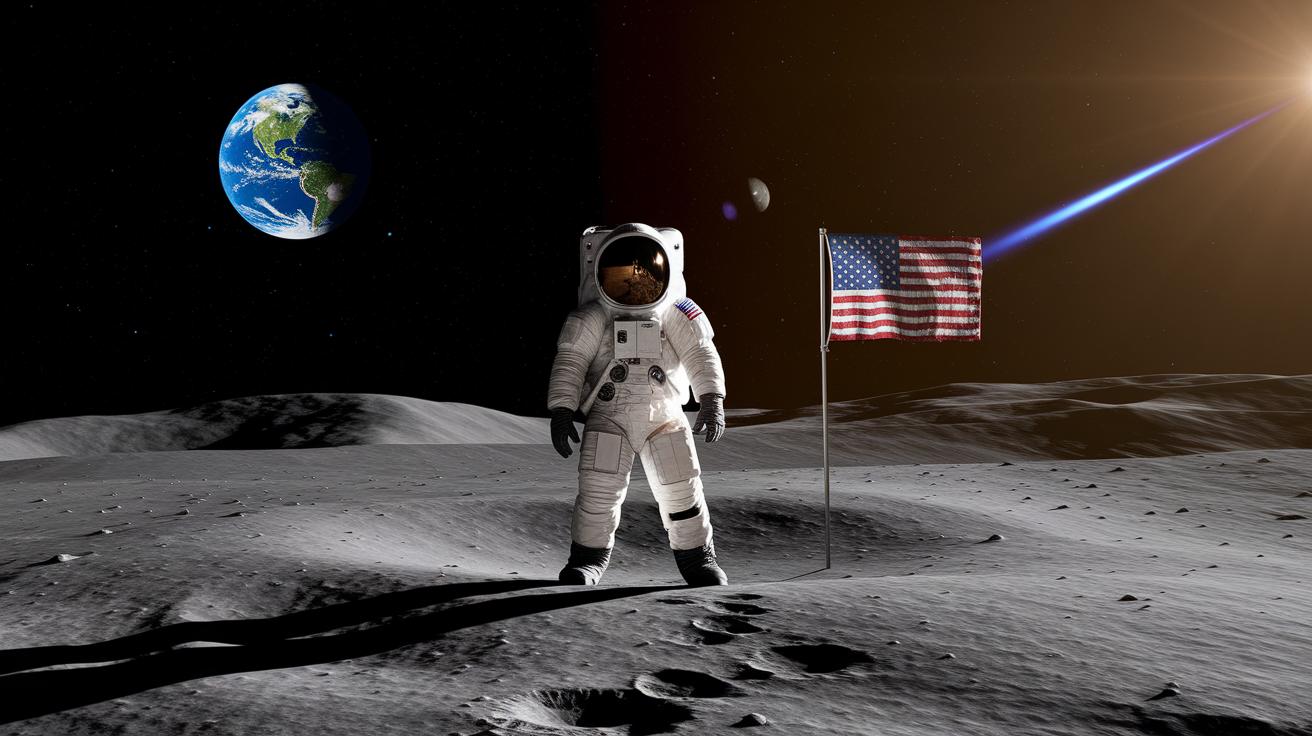
NASA's journey into space feels like an amazing adventure. From the early Mercury and Apollo days to the shuttle flights and today's missions, every step built on the one before. Remember when Apollo's moon landings showed us that our footprints could reach a brand-new world? When those brave astronauts first touched down on the moon, each step sparked a shared feeling of wonder.
Over the years, each mission has added to our growing knowledge. Shuttle flights taught us how to make space travel routine and helped set the stage for creating the International Space Station (ISS, a large space laboratory). In 2025, Japan's HTV-X1 cargo spacecraft lifted off on an H3 rocket, showing global teamwork at its best by keeping the ISS fully supplied.
Recent tests, like Artemis I and II, have carried on the Apollo legacy. These missions helped refine our techniques and systems to gear up for future moon landings. And while Astrorobotic’s Griffin-1 Moon mission was set for late 2025, it has now been delayed until around July 2026. Such changes remind us that every journey into space has its own challenges and surprises.
Here are some major milestones:
| Early Milestones | Recent Achievements |
|---|---|
| Mercury and Apollo victories | Artemis lunar tests and planned missions |
| Shuttle breakthroughs and ISS construction | Global supply missions like JAXA’s HTV-X1 flight |
Every chapter, from Mercury’s modest beginnings to Artemis’ daring tests, brings us a step closer to exploring the endless frontiers of space.
NASA Launch Schedule & Live Broadcast Tracking
NASA's telemetry dashboards have come a long way. They now merge multiple data streams (sensor fusion, which means combining different data types) with real-time data processing. Engineers watch thousands of sensor readings every second, like fuel flow and engine chamber pressure, so they can quickly adjust settings while a mission is in progress. For example, if the engine temperature unexpectedly drops during a crucial launch phase, the system prompts an immediate check.
These dashboards also feature eye-catching graphical interfaces that display performance details in clear, color-coded sections. This upgrade gives a much better look at how the vehicle is performing. Here's an interesting tidbit: before each launch, the system processes over a million sensor inputs per second to offer a crisp snapshot of the mission's progress.
This real-time data handling not only supports engineers in managing missions safely but also makes live broadcasts on NASA TV and their online portals far more engaging with timely insights.
NASA Space Flight Technology & Engineering Advancements

NASA's space flight tech keeps getting better, making missions safer and more efficient. New advances like stronger engines (that push rockets) and launch systems you can use again have sped things up. A cool highlight is SpaceX breaking the reuse record. In their sunset launch of Starlink 11-21, which marked the booster’s 98th flight in 2025, they showed how fast it can be checked, fixed, and sent back into space. Fun fact: after a quick check and some fixing up, a booster is ready to fly again like a well-oiled machine, saving money along the way.
Engineers are fine-tuning every component to guide rockets along precise paths and to keep engines running smoothly. New sensors (devices that detect changes) and real-time data make it easier to monitor all the details when engines fire up. This steady progress is vital for long-term space travel and shines through in NASA’s work with commercial partners.
Blue Origin is also making headway with its Blue Moon tests for crew and cargo landers. Their updates in late 2025 play a big part in Artemis III, where every test improves landing accuracy and boosts safety for moon missions.
Reusable launch systems mean quicker turnarounds. Better engines create smoother, more reliable flights. And by teaming up with commercial partners, all this work speeds up innovation and brings us closer to pushing the limits of space exploration.
Artemis Program & Future Lunar Missions
NASA is taking a closer look at the companies competing for the Artemis III Lander by refining how they evaluate each contractor. Companies like Blue Origin, with its Blue Moon, and others are now challenged with detailed engineering tests that check design parts such as landing gear adjustments (the parts that help the spacecraft land safely). The goal is to ensure these lunar modules can make smooth, secure landings on the moon.
Imagine this: before even testing a module with astronauts, engineers fine-tuned the landing gear so precisely that the landings happened within millionths of a second in simulations. This kind of precision, along with other new design updates, marks a big change from past tests and brings out technical details that haven’t been shared before.
Key checkpoints in this updated review include:
- New contractor evaluations with updated testing data
- Fresh design features that boost landing accuracy
- Structural tests planned through 2026 to connect moon landing goals with plans for Mars missions (nasa life on mars)
| Checkpoint | Update |
|---|---|
| Contractor Evaluations | Fresh data on how tests are done and what performance we need |
| Engineering Challenges | New landing gear designs that are fine-tuned for extra precision |
| Lander Structural Testing | Ongoing trials through 2026 to support both lunar and Mars mission plans |
Commercial Partnerships & International Cooperation in NASA Space Flight
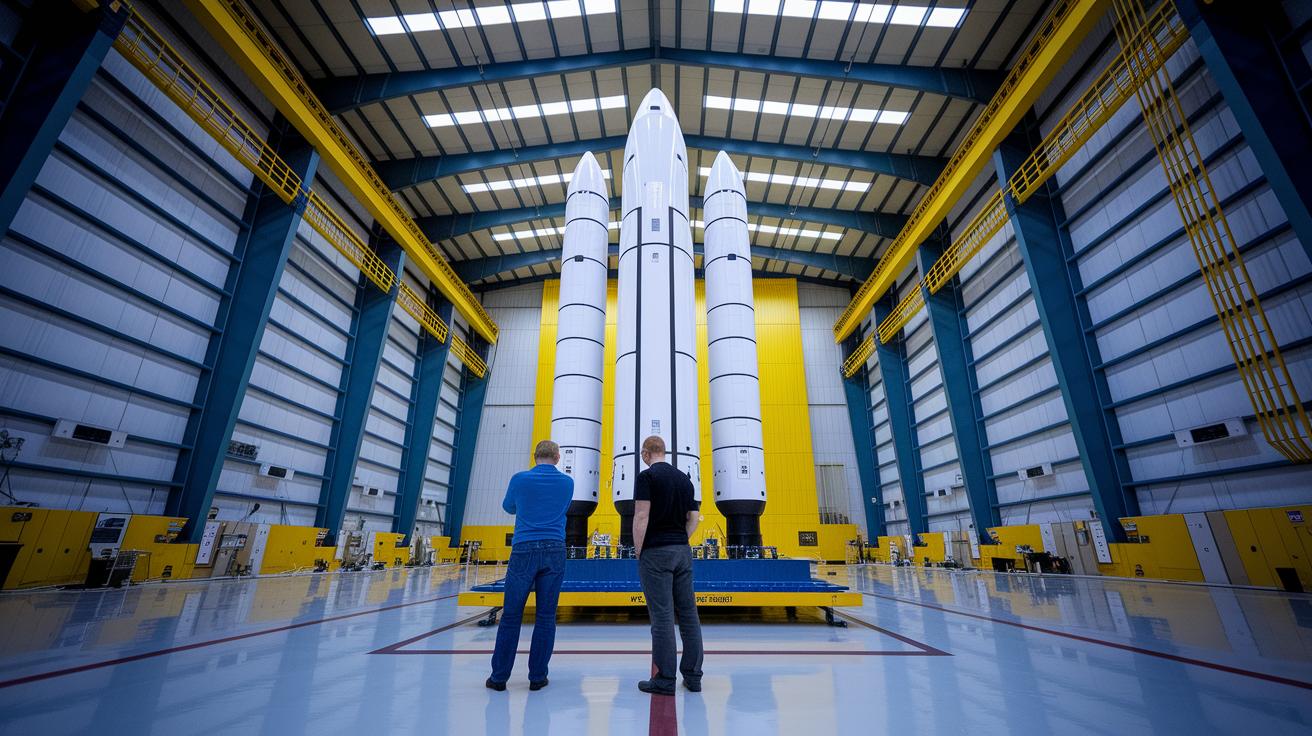
NASA’s journey into space depends on strong partnerships with both commercial companies and international agencies. Big aerospace firms and government teams work hand in hand to support missions that carry astronauts and valuable supplies. For example, Airbus, Leonardo, and Thales are gearing up for a joint project to begin in 2027 once they get the go-ahead. This plan shows how partners across the Atlantic share a common goal.
Japan’s HTV-X1 resupply mission is another great example. Its job is to deliver important supplies to the ISS (International Space Station), proving that Japan and NASA have built a reliable teamwork style to keep the station well stocked. Meanwhile, NASA often relies on trusted partners like SpaceX and Sierra Nevada Corp to handle crew and cargo flights. These companies help move astronauts, equipment, and research samples to and from space smoothly.
These collaborations let everyone bring their special skills and the latest technology to the table. Imagine experts from many countries joining forces to fix problems as they pop up, that’s what these partnerships are all about. Their teamwork makes missions run more efficiently and clears the path for even bigger space projects.
Together, every successful mission becomes a stepping stone to new adventures in space.
NASA Astronaut Training & Mission Control Insights
NASA trains its astronauts and mission control teams with a mix of solid science and practical problem-solving. They even bring in experts like commercial astronaut Jared Isaacman to show that combining private sector experience with traditional space travel can really work. At the Johnson Space Center, crews and ground teams use advanced simulators that recreate every little detail of spaceflight. Think of it like a super detailed flight simulator, where every beep and light is a chance to learn.
They run drills that mimic real flight paths and unexpected challenges. Imagine being in a simulator where something surprising happens in real time, pushing the team to react fast and safely. These practice sessions build confidence for both astronauts and controllers, so everyone feels ready when the real mission brings surprises.
Choosing the right crew is key to success. Candidates go through tough physical, technical, and mental tests to make sure they perform at their best. If you’re curious about joining this field, you can check out more details on the nasa careers page (https://buzzyandclever.com?p=). By mixing high-tech simulation with hands-on drills, NASA ensures that every mission is safely managed with top-notch skill and care.
Public Engagement: Live Q&As, Social Media, and Interactive Apps

NASA invites everyone to join the space adventure with cool apps, live Q&A sessions, and updates on social media. Their official app sends launch alerts and real-time data (live telemetry shows how a spacecraft is doing) along with Q&A sessions where experts answer your questions right away. Imagine getting a push notification the moment a rocket blasts off and being able to watch every exciting detail as it happens.
On platforms like Twitter and Discord, you'll find buzzing mission updates that give you a behind-the-scenes look at each launch. It feels like joining a virtual town hall where space enthusiasts from around the world share thoughts and reactions. It's really like taking part in a live experiment and watching history unfold right before your eyes.
NASA’s YouTube channel is another great way to dive into space exploration. They stream full-length documentaries and behind-the-scenes clips that explain the vibes of space travel. Picture watching engineers fine-tuning live telemetry data just seconds before a launch, it’s like witnessing a real-life science lab in action.
By combining live broadcasts, interactive apps, and active social media feeds, NASA makes space exploration something you can truly experience. Each element is an invitation to get involved, turning space flight from a distant dream into an event you can feel a part of.
Future NASA Space Flight Trends & Upcoming Missions
NASA is gearing up for an exciting future, planning at least eight launch campaigns every quarter by 2026. These missions include lunar trips using Starship-based flights and a range of journeys to other planets. Imagine a rocket lighting up the night sky as it takes off, a spectacle that tests fresh engine ideas and reshapes how we explore space. I recall hearing about a historic mission where engineers spent long nights perfecting every detail before the rocket launched, forever changing our view of interplanetary travel.
In late 2025, scientists and space experts gathered at symposiums to discuss promising projects like Impulse Space CLPS contracts (agreements that help support space flights) and new navigation tools that guide spacecraft more accurately. These breakthroughs hint at faster, smarter trips beyond our familiar orbits, driven by improved rocket power and better ways to navigate the cosmos.
Government policies also play a big part in shaping these trends. With a renewed focus on international teamwork and steady funding, NASA is set to enjoy quicker turnaround times, more frequent launches, and significant tech advances. Whether the goal is lunar science or daring deep space missions, these plans open up fresh perspectives on our solar system and beyond.
In short, NASA’s upcoming missions aren’t just about launching rockets, they’re about sparking real scientific breakthroughs and turning the page to new chapters in humanity’s space adventure.
Final Words
In the action here, we explored NASA’s space flight initiatives, from live countdowns to updated mission timelines and engineering breakthroughs. The post walked us through mission histories, international partnerships, and upcoming lunar and Mars plans. Every layer of this narrative shows how nasa space flight keeps science exciting and accessible. The outlook is bright, and each update fuels our ongoing curiosity for what’s next in space exploration.
FAQ
What does NASA Space Flight Starship mean?
The phrase refers to the spacecraft used in mission launches, working with commercial partners. It carries both payloads and crew on missions that push the boundaries beyond Earth.
What is a NASA space flight tracker?
A NASA space flight tracker is a tool that provides real-time updates on mission locations and progress. It displays live telemetry, countdowns, and broadcast details for viewers.
What can I find on NASA space flight Discord?
NASA space flight Discord offers a community hub for sharing mission updates, discussing space events, and gaining insights during live broadcast sessions. It brings fans together during key space flights.
What does NASA space Flight X represent?
The term generally represents a NASA mission or project that focuses on advancing spaceflight technologies and exploration efforts. It showcases innovative approaches in current missions.
How does the NASA space flight schedule work?
The schedule outlines launch dates, live broadcast windows, and mission timelines. It helps viewers plan to watch events and stay updated on upcoming missions.
How is NASA space flight live experienced?
NASA space flight live involves streaming real-time mission updates, launch events, and control center activities. It gives enthusiasts an immersive look at active space operations.
What features does the NASA Space Flight app offer?
The app provides launch alerts, live telemetry, and interactive mission feeds. It makes it simple for users to receive real-time updates and engage with ongoing space flight events.
Who makes up the NASA space flight team?
The NASA space flight team includes astronauts, engineers, and mission controllers. They work hand in hand to manage mission operations and maintain safety during every flight.