Have you ever thought that a great night's sleep might turn your whole day around? Imagine this: scientists are mixing clever technology with simple devices to help you sleep soundly. They’re exploring new ways to ease trouble falling asleep (insomnia) and help when breathing stops and starts (sleep apnea).
They’re using wearable devices like smart watches, tiny implantable gadgets (small devices you put inside your body), and special medicines to make sleep feel peaceful and refreshing. Next, find out how these advances might lead to nights filled with good rest and mornings that shine a little brighter.
Summary of Sleep Medicine Breakthroughs for Insomnia and Sleep Apnea
We’re now seeing a wave of exciting improvements in sleep medicine. Scientists are testing new ways to help with both sleeplessness and sleep apnea by mixing handy gadgets with supportive medicines. For sleep apnea, for example, they use wearable gadgets and even tiny implantable devices (small tools placed inside your body) that help keep your airway open while you sleep. And with remote monitoring and digital tracking, your doctor can see how you’re doing in real time. It’s a bit like upgrading from an old paper map to a modern digital navigator.
These fresh treatment plans are making care feel more personal and effective. The goal is to blend simple devices with smart technology to ease symptoms and boost sleep quality. Some treatments help by keeping the tongue and airway in a better position, while others use custom-fit mouthpieces made from digital scans. The result? Fewer interrupted nights and less daytime tiredness.
- Positional therapy devices
- Hypoglossal nerve stimulation (a gentle electrical pulse that helps keep airways open)
- 3D-printed oral appliances
- Telemedicine remote monitoring
- Solriamfetol for daytime sleepiness
- Combination therapy approaches
Altogether, these innovations create a care plan that fits you perfectly. By integrating noninvasive devices, tailor-made oral appliances, digital health tracking, and targeted medicines, doctors can match treatment to what each patient really needs. This means more comfort, better sleep habits, and fewer disruptions during the night.
Insomnia Treatment Advancements: Novel Pharmacological Approaches

New medications are now finding ways to help us sleep better by cleaning up the signals in our brain that keep us awake. For instance, drugs like suvorexant, lemborexant, and daridorexant block specific messages from wakefulness chemicals (called orexin, which helps keep you alert). There’s also work being done on melatonin analogues, which are tweaks of a natural sleep hormone, to see if they can stick around longer and connect better with our cells. You might find it interesting that these drugs got FDA approval one after another: suvorexant in 2014, lemborexant in 2019, and daridorexant in 2022.
Recent clinical studies (the later phases where scientists test for both safety and effectiveness) show that these treatments not only help people fall asleep quicker but also reduce the time spent awake once sleep has started. Many patients have shared that falling into sleep feels smoother and with fewer disruptions. It’s pretty neat to see how these changes can really boost the quality of your rest.
Safety is a big win here too. Research suggests that these new drugs cause very little drowsiness the next day and have a much lower risk of misuse compared to older sleep aids like benzodiazepines (medications sometimes used for severe anxiety or sleep issues). Because people don’t feel as groggy in the morning, these treatments can be a lot friendlier to your daily routine.
Compared to older sleep medications, these novel options focus more precisely on your body’s sleep signals and come with fewer side effects. They help with both getting to sleep and staying asleep, reducing the risks that older sedatives often bring. All in all, they seem like a promising, safer choice for anyone looking to improve their sleep.
Insomnia Interventions: Behavioral, Chronotherapy, and Light Therapies
CBT-I (Cognitive Behavioral Therapy for Insomnia, a method that helps change the way you think about sleep) and similar behavioral methods are among the best non-drug ways to handle sleeplessness. In a typical program, you’d attend about 6 to 8 sessions where you learn new habits and ideas to improve your sleep. In fact, studies show that over 70% of people see improvements.
Techniques like stimulus control (teaching your brain to connect your bed with sleep) and sleep restriction (limiting your time in bed to boost sleep quality) have also been really helpful, cutting the time people spend awake at night by around 25%. Plus, spending just 20 minutes a day on mindfulness-based stress reduction (a simple way to calm your mind) has been found to improve sleep quality and ease nighttime worries.
Chronotherapy, which involves gradually shifting your sleep schedule, helps reset your body’s natural clock by making small changes in your sleep and wake times. When you add bright light therapy, getting about 30 minutes of very bright light (10,000 lux) right after you wake up, it can really help reset your circadian rhythm. This makes your sleep more consistent and refreshing.
Good sleep habits, often called sleep hygiene, play an important role too. Simple steps like using blue-light blocking tools in the evening (blue light from screens can keep you awake), keeping your bedroom at a comfy temperature, and reducing background noise can make a big difference. These practical tips help you create a sleep-friendly environment that supports better health and overall well-being.
Innovative Sleep Apnea Devices: Positional Therapy and Nerve Stimulation
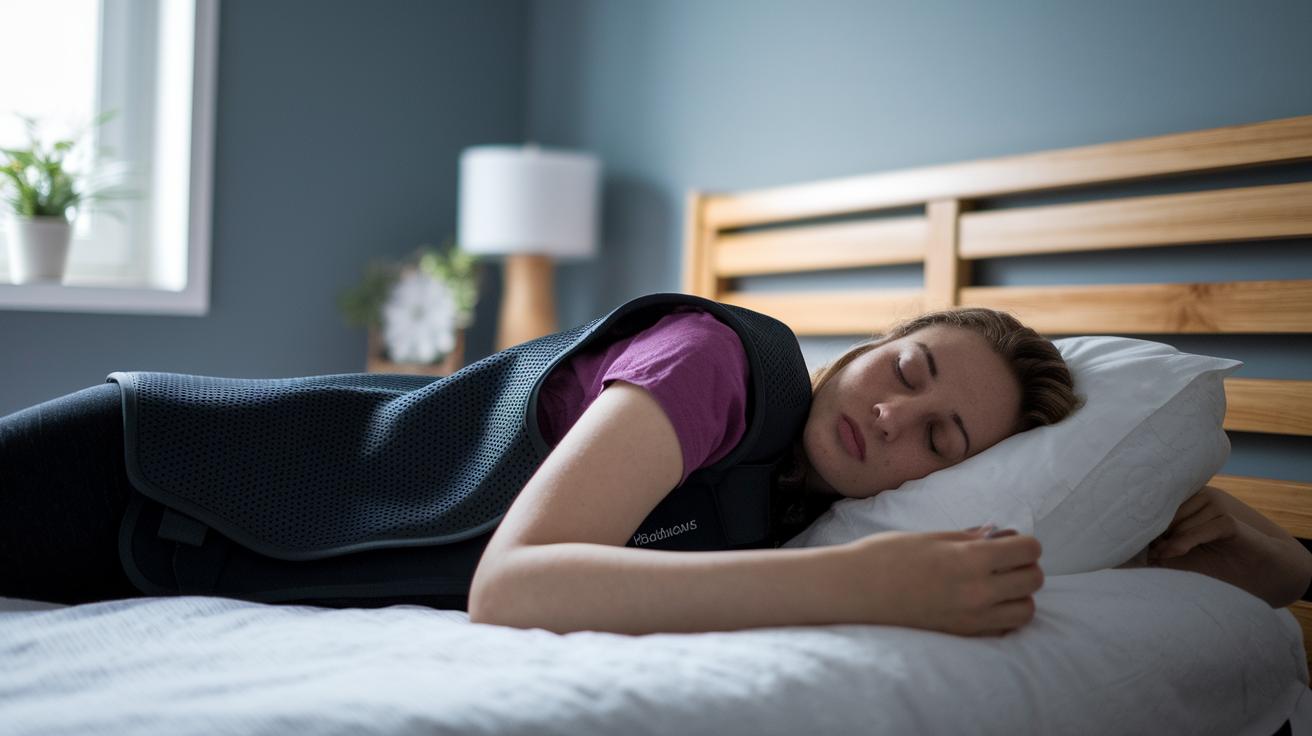
Positional therapy devices help guide patients to sleep on their sides instead of their backs. This small change can reduce how often breathing stops during sleep. Research shows that using tools like wearable vests or specially designed pillows can cut the number of breathing pauses by up to 60% for those who have sleep apnea that depends on their sleeping position. The best part is that this method is noninvasive; it simply encourages a better sleep posture to improve breathing at night.
Hypoglossal nerve stimulation takes a more advanced route. For instance, the Inspire device is placed under the skin on your chest and comes with a sensor that keeps an eye on your breathing. When it detects a pause or a slowdown in your breath, it sends a gentle pulse that nudges your tongue forward to keep the airway open. Clinical tests have found that this approach can drop the apnea-hypopnea index (AHI, which counts breathing pauses) from an average of 29 events an hour to about 12, offering real relief for many patients.
- Wearable vests and pillows for positional therapy
- Breathing-sensor-guided nerve stimulation
- Overview of the implantation procedure
- Reported drops in AHI metrics
Choosing the right treatment depends on several factors, like how severe the sleep apnea is, whether a patient is comfortable with an implant, and overall health. Some might not be the best candidates for invasive procedures, while others could benefit from using a mix of these therapies to get the best results.
Oral Appliances and Combination Therapies in Obstructive Sleep Apnea Management
New technology has really stepped up the game with oral appliances. Today, many clinics use digital scans of your mouth to create 3D-printed devices that feel like they were made just for you. This process not only makes the device more comfortable but also improves how well it fits. One study in Sleep Science and Practice even showed about a 40% boost in the apnea-hypopnea index (a measure of how often you stop breathing at night) when using these custom-made devices.
The benefits are hard to ignore. When these devices are made with high precision, they can reduce those pesky breathing pauses, which means a better night’s sleep. Whether used on their own or alongside traditional CPAP machines, these oral appliances offer a less invasive and easier-to-use option for many patients.
Now, doctors are taking it a step further by mixing treatments. They often combine these custom devices with programs for weight loss, strategies that change sleeping positions, and sometimes even CPAP. This mix helps tailor the treatment to each person, aiming to lower the number of breathing interruptions even in more serious cases. It’s a more personal approach that really focuses on boosting the overall quality of sleep.
Telemedicine and Remote Monitoring Transformations in Sleep Medicine

Telemedicine has changed the way patients take care of their sleep needs. Now, people can join video calls with their sleep doctors and keep digital sleep diaries. Automated data from CPAP machines (devices that help with breathing during sleep) gives doctors regular updates on progress. Mobile apps also help by tracking how long you sleep and noting even small details like snoring. Plus, users get custom tips to improve their sleep routines. Studies show that these new methods boost follow-up visits by about 25%.
Remote monitoring for CPAP devices makes managing sleep care even smoother. These systems send real-time data straight to healthcare providers, which means doctors can adjust settings on the machine quickly without needing an office visit. When changes happen in the data, care teams can respond fast to keep treatment on track. This mix of digital tools and apps makes it easier to review sleep patterns and work closely with patients, leading to better sleep and overall health.
Precision and Personalized Therapies in Insomnia and Sleep Apnea
High-tech tools are changing how we care for sleep issues. AI now helps analyze brainwave tests (EEG records) and sleep study data to sort sleep stages and spot any big events throughout the night. By looking at information from sleep tests and devices you can wear, these systems adjust PAP pressure on the fly as your sleep conditions change. This live feedback helps doctors see your sleep patterns clearly and make very personalized adjustments.
Doctors are also checking out natural body signals to choose the best treatments. They use tiny proteins called inflammatory cytokines (which are part of your body’s defense system) to decide on the right treatment levels. Plus, they study genetic markers like orexin receptor variants (small differences in your genes) to understand why some people react better to certain medicines. This way, treatments are made to suit each person rather than using a one-size-fits-all plan.
In everyday practice, combining AI data with these biological clues results in treatment plans crafted just for you. For example, a wearable device might tweak your PAP settings automatically while your genetic information helps pick the most effective insomnia medicine. This thoughtful mix of high-tech analysis and natural body signals not only sharpens treatment precision but also leads to better sleep by matching care to your unique needs.
Future Directions and Ongoing Trials in Sleep Medicine
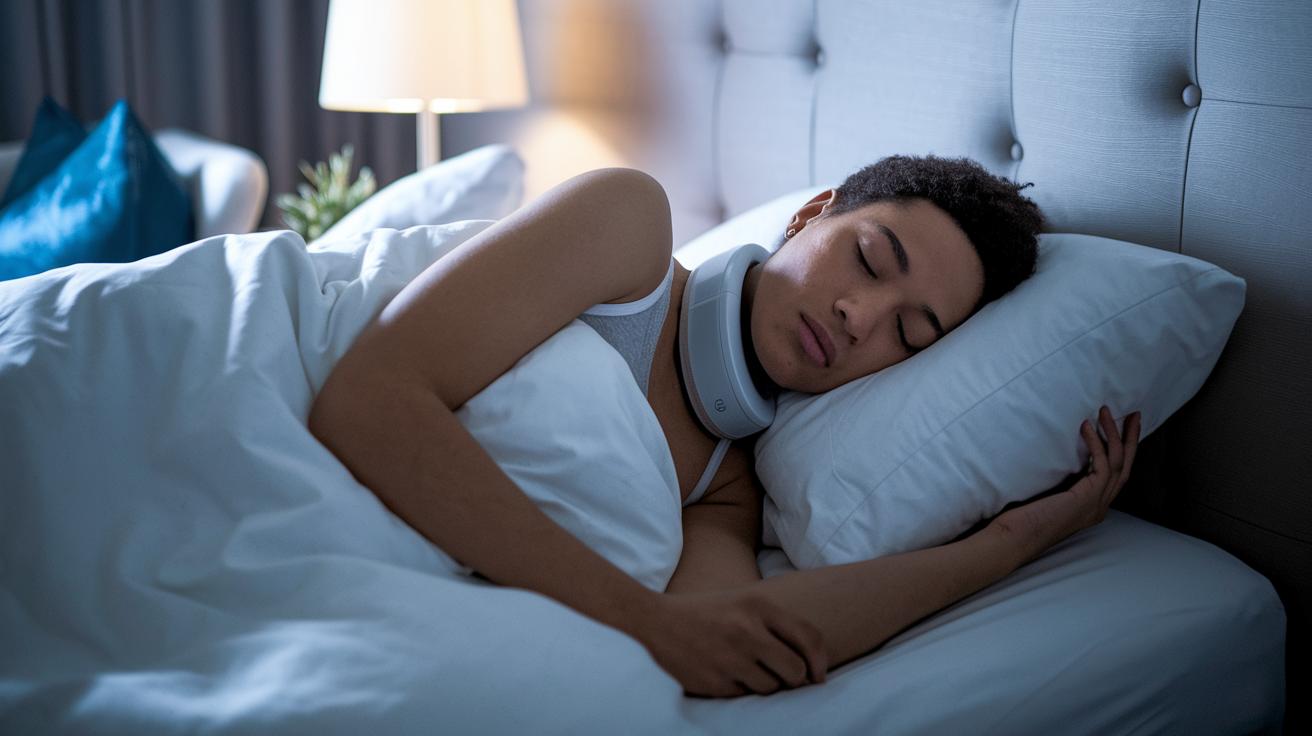
Researchers are currently running Phase II/III trials to explore new devices and drugs for better sleep. They’re testing next-generation hypoglossal nerve stimulators (devices that help control tongue muscles) and fresh orexin modulators (medicines that adjust sleep signals). These trials examine how such treatments can fine-tune the body’s sleep signals, almost like the way yoga calms your breathing. Early hints show that these methods might cut down apnea events (moments when breathing stops) and ease insomnia. For those curious about more details, full trial info is available on clinical registries.
Digital therapies are also on the rise by mixing friendly CBT-I (a type of therapy for sleep issues) techniques with wearable feedback. These platforms gather real-time data from sleep trackers to keep your personalized care plan in tune with your nightly rhythms. By blending digital tools with tried-and-true treatments, the latest research suggests we might soon see therapy that adjusts on the fly as your sleep habits evolve.
Looking toward 2025, researchers expect sleep care models to be even more personalized and data-driven. Reviews and analyses point to a future where merging innovative devices with digital insights creates treatments that adapt dynamically. In other words, these tailored strategies will continuously evolve, keeping pace with new innovations and delivering targeted sleep care to people all around the globe.
Final Words
In the action, we explored sleep medicine breakthroughs: new treatments for insomnia and sleep apnea through fresh devices, novel drugs, and smarter digital monitoring. We dove into wearable therapy tools, personalized medication, telemedicine, and behavioral techniques that are changing patient care.
Each approach promises more accessible, effective care while bringing hope for better nights. Science continues to make progress, ensuring that sleep medicine is set to improve our daily lives in meaningful ways.
FAQ
What is the best medication for sleep apnea, the new pill for sleep apnea, and are there FDA-approved drugs like AD109?
The best medication for sleep apnea depends on individual needs. For example, solriamfetol is FDA-approved for daytime wakefulness, while treatments like AD109 are under study to improve breathing during sleep.
What is the new treatment for sleep apnea without a mask, and what breakthrough is expected by 2025?
The new treatment for sleep apnea without a mask involves methods like hypoglossal nerve stimulation and precise oral devices, aimed at reducing breathing interruptions. Upcoming breakthroughs may lessen reliance on traditional mask-based systems.
What is the new sleep medication for insomnia, including Belsomra, and is there a miracle drug for insomnia?
The new sleep medication for insomnia, such as Belsomra (suvorexant), works by calming brain signals to help with sleep. While it benefits many, no sleep treatment serves as a miracle for every individual.
How did Shaq fix his sleep apnea?
Shaq reportedly improved his sleep apnea with a combination of lifestyle adjustments, medical therapies, and careful weight management. His experience shows that personalized treatment plans can make a significant difference.
What does Zepbound sleep apnea refer to?
Zepbound sleep apnea appears to relate to new treatment options emerging in sleep therapy. With limited detailed information available, checking recent clinical updates will provide more accurate insights.