
Researchers at Stanford University have unveiled a technique that repurposes CRISPR to repair neurons by targeting RNA rather than DNA. Branded CRISPR-TO, the approach modifies the RNA-targeting enzyme Cas13 so it carries therapeutic RNA molecules to damaged regions inside nerve cells. Rather than cutting genomes, CRISPR-TO acts as a delivery system that could jump-start intracellular repair programs where they’re needed most. Early laboratory work shows this strategy can direct RNAs to precise subcellular locations, opening possibilities for treating neurodegenerative disorders and injuries. The work is preclinical, but it marks an important conceptual step toward spatial RNA medicine.
CRISPR-TO breakthrough: Directing RNA to Repair Neurons
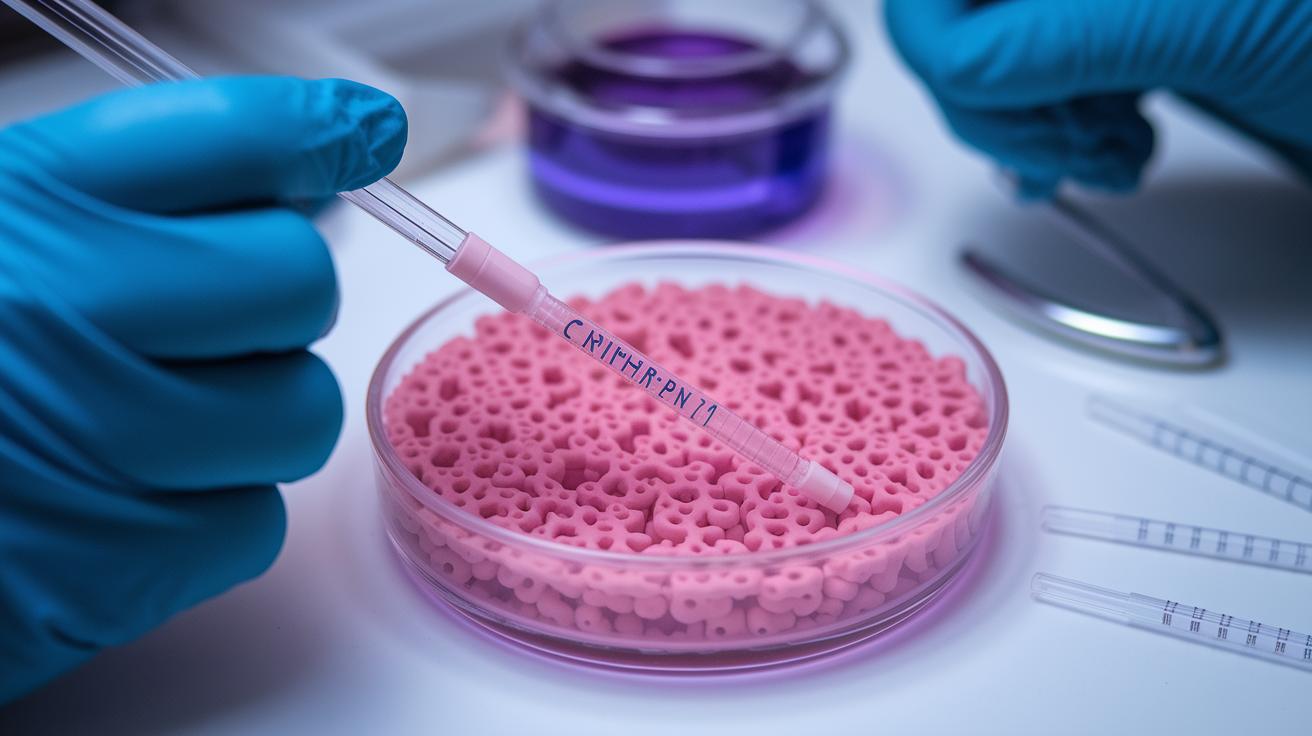
Researchers at Stanford University have unveiled a technique that repurposes CRISPR to repair neurons by targeting RNA rather than DNA. Branded CRISPR-TO, the approach modifies the RNA-targeting enzyme Cas13 so it carries therapeutic RNA molecules to damaged regions inside nerve cells. Rather than cutting genomes, CRISPR-TO acts as a delivery system that could jump-start intracellular repair programs where they’re needed most. Early laboratory work shows this strategy can direct RNAs to precise subcellular locations, opening possibilities for treating neurodegenerative disorders and injuries. The work is preclinical, but it marks an important conceptual step toward spatial RNA medicine.
How CRISPR-TO works , Cas13 as a molecular mailman

CRISPR-TO flips the usual CRISPR script by using Cas13 as a programmable courier, not a cutter. Engineers attached localization signals , molecular 'postal codes' , to the modified Cas13 so it recognizes subcellular addresses and ferries RNA cargos to those destinations. Once in place, the delivered RNAs can be locally translated or otherwise modulate repair pathways at injury sites, for example at the tips of neurites. This spatial targeting reduces the need to change a cell’s DNA and allows transient, fine-tuned interventions. The design prioritizes specificity of positioning and cargo, though researchers still must confirm long-term stability and avoid unintended interactions.
Lab results: neurite growth in mouse neurons

In lab tests on mouse neurons, researchers used CRISPR-TO to shuttle therapeutic RNAs to neurite tips , the delicate finger-like projections neurons use to sense and connect. The team reports that a chosen RNA cargo boosted neurite outgrowth by about 50 percent within 24 hours, a rapid and meaningful change for neuronal connectivity. These experiments were performed in cultured neurons, offering a controlled setting to observe subcellular delivery and immediate functional effects. While promising, cultured systems differ from intact brains; scaling this effect in live animals and ultimately humans will require optimized delivery, dosing, and thorough safety studies.
Medical potential: tackling ALS, SMA, and spinal injuries

Clinical relevance is immediate: many neurological disorders involve impaired intracellular RNA trafficking and failed repair. Conditions such as amyotrophic lateral sclerosis (ALS), spinal muscular atrophy (SMA), and traumatic spinal cord injury show disrupted transport of RNAs and proteins needed for regeneration. By directing therapeutic RNAs to precise subcellular locations, CRISPR-TO could restore local repair programs, boost axon regrowth, or stabilize synapses. That said, translating from cultured neurons to patients will face hurdles: achieving safe, efficient delivery into the central nervous system, avoiding immune reactions to Cas13 carriers, demonstrating durable benefit, and navigating regulatory pathways for a novel modality.
Spatial RNA medicine: a paradigm shift in molecular therapy
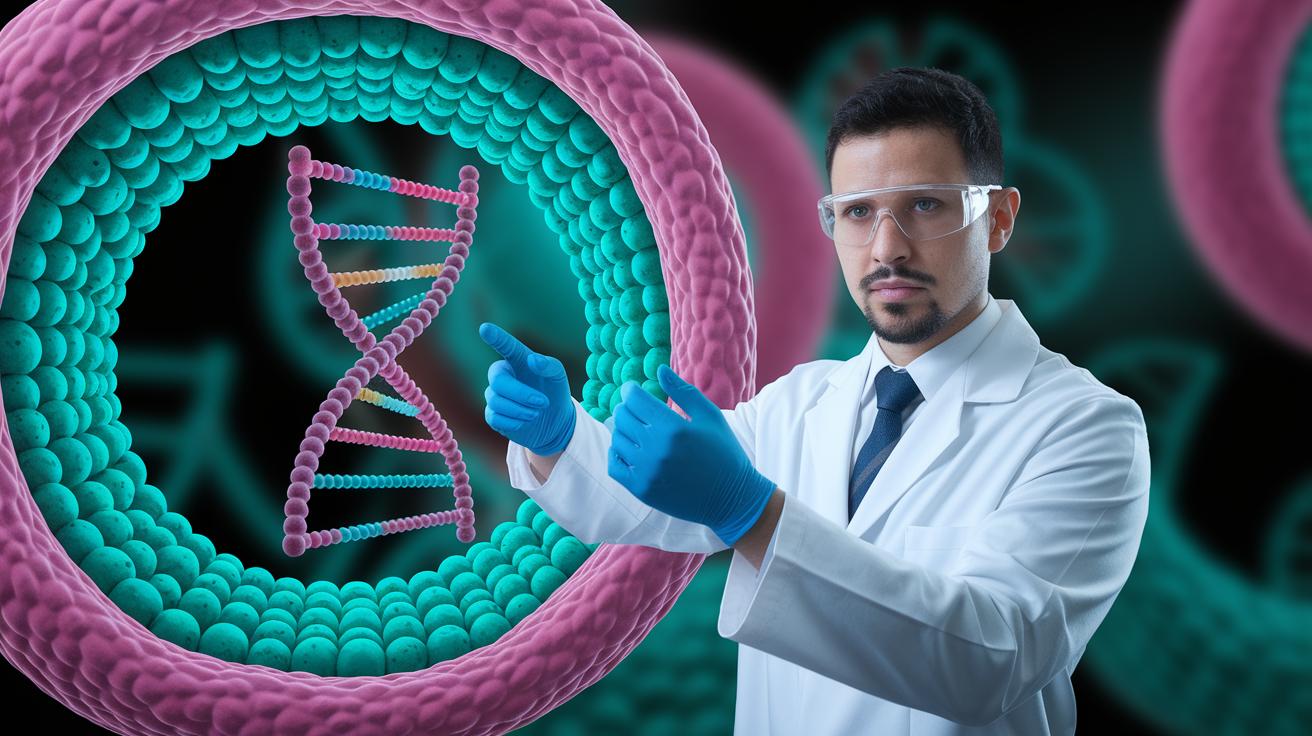
The investigators coined the term spatial RNA medicine to capture a radical idea: therapies should specify not only which RNA is delivered, but exactly where inside a cell it acts. Position matters , the same transcript can have different functions depending on its subcellular location , so controlling RNA geography unlocks a new dimension of precision. Spatial RNA medicine could enable therapies that repair axons, reinforce synapses, or trigger regeneration only where required, reducing side effects. Future work will test delivery vectors, cargo libraries, cell-type targeting, and long-term safety. If successful, this paradigm could expand molecular medicine beyond static gene editing into dynamic, location-aware interventions.

