
Have you ever wondered if a group of space whizzes could shape the future of travel beyond Earth? Lockheed Martin Space brings together over 100,000 talented people who fit ideas together like pieces of a puzzle.
They start with simple concepts and build them into high-tech systems (advanced setups that do amazing jobs) for important space missions. Every engineer pushes the limits, helping to unlock new advances in space technology. In truth, this achievement isn’t just a technical win, it’s a showcase of true passion and hard work that invites us all to join in exploring an incredible era of space travel.
Lockheed Martin Space: Innovations, Missions, and Technology Breakthroughs
Lockheed Martin Space is based in Bethesda, Maryland, and it employs about 113,000 people from around the world. People with different skills work together, and they all share a passion for exploring space. Every team member, like a part of a well-tuned machine, plays a role in pushing the limits of aerospace. One engineer even said that his love for the stars led him to Lockheed Martin, where his work now turns space dreams into real projects.
At its core, Lockheed Martin Space handles everything from the first ideas and designs to building and testing advanced space systems. Think of it like assembling a really detailed puzzle where every piece counts. Each step, from research to manufacturing and ongoing care, makes sure that the spacecraft work flawlessly on important missions.
In 2015, Lockheed Martin Space reached a big financial milestone with net sales of $46.1 billion. This impressive number shows just how large and efficient the company is. With a history that stretches back to the early days of space exploration, this achievement proves the company’s strong commitment to charting new territories in space. And even today, their ongoing work continues to drive exciting changes in the aerospace industry.
Space Systems Innovation at Lockheed Martin Space
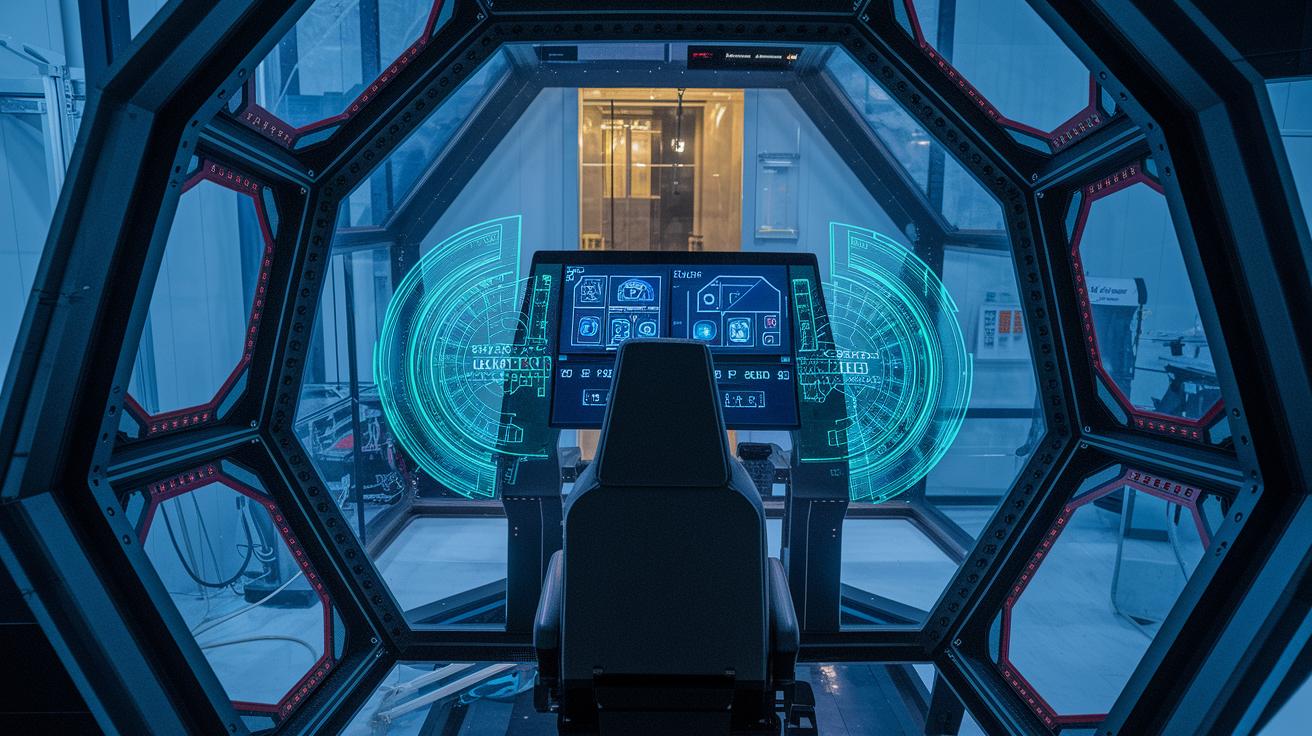
Lockheed Martin is changing how space systems work together by mixing advanced space tools with smart computer programs (like artificial intelligence, which are self-guided computer tools) and secure online defenses (for keeping digital data safe). It’s like bringing different experts together to form one reliable team that makes sure spacecraft perform well, even in the vastness of space. Picture it as crafting a recipe where each ingredient plays a key role in creating an exceptional dish.
These new systems are built to be more independent and secure. Spacecraft now come with features that let them make smart decisions on their own, imagine a robot that can adjust its course when surprises pop up. And while they’re busy handling tricky moments, they’re also protecting digital data from potential threats, keeping everything running smoothly in demanding space settings.
Think back to October 4, 1957, when Sputnik 1 first orbited Earth. That historic event wasn’t just a milestone; it set the stage for today’s advanced space technology. Just like the first spark that lights a firework, Sputnik 1’s orbit inspired the innovations and breakthroughs that followed, reminding us that every new step builds on past achievements.
Today’s focus is on building spacecraft that can take on deep space missions, including trips with people aboard to Mars. Engineers are designing modular systems that can adjust to unexpected challenges and keep everyone safe on these long journeys. It’s similar to fine-tuning the controls on a beloved video game so that it runs perfectly, no matter what unexpected challenge comes along.
Lockheed Martin Space Advanced Satellite Engineering and Orbital Technology Achievements
Lockheed Martin Space is working hard to make satellites better. They’re creating new camera sensors that capture super clear pictures of Earth and space. They mix data from different sensors to get the best, most precise info for every mission. They also improve ways to send signals (systems that send data in real time) so satellites are always connected to control centers. An engineer even said, "Our new telemetry systems are like a lifeline, ensuring astronauts and satellites have a clear, dependable line back to Earth."
They also take care of launching and looking after satellites once they’re up in space. The company supports commercial launches and teams up with NASA on important projects. Their work includes tracking space junk and fixing satellites while in orbit, which helps prevent dangerous collisions. All these efforts build a safer, more reliable space for the future.
| Technology | Application | Key Innovation |
|---|---|---|
| Imaging Sensors | Capturing high-resolution visuals for Earth observation | Advanced precision imaging technology |
| Telemetry Systems | Real-time communication of satellite data | Reliable live data transmission methods |
| In-Orbit Repair Modules | Performing repairs on satellites during flight | Rapid problem-solving and adaptive repair tech |
| Debris Tracking Systems | Monitoring orbital debris to prevent collisions | Proactive space safety management techniques |
Lockheed Martin Space Sparks Stellar Breakthrough
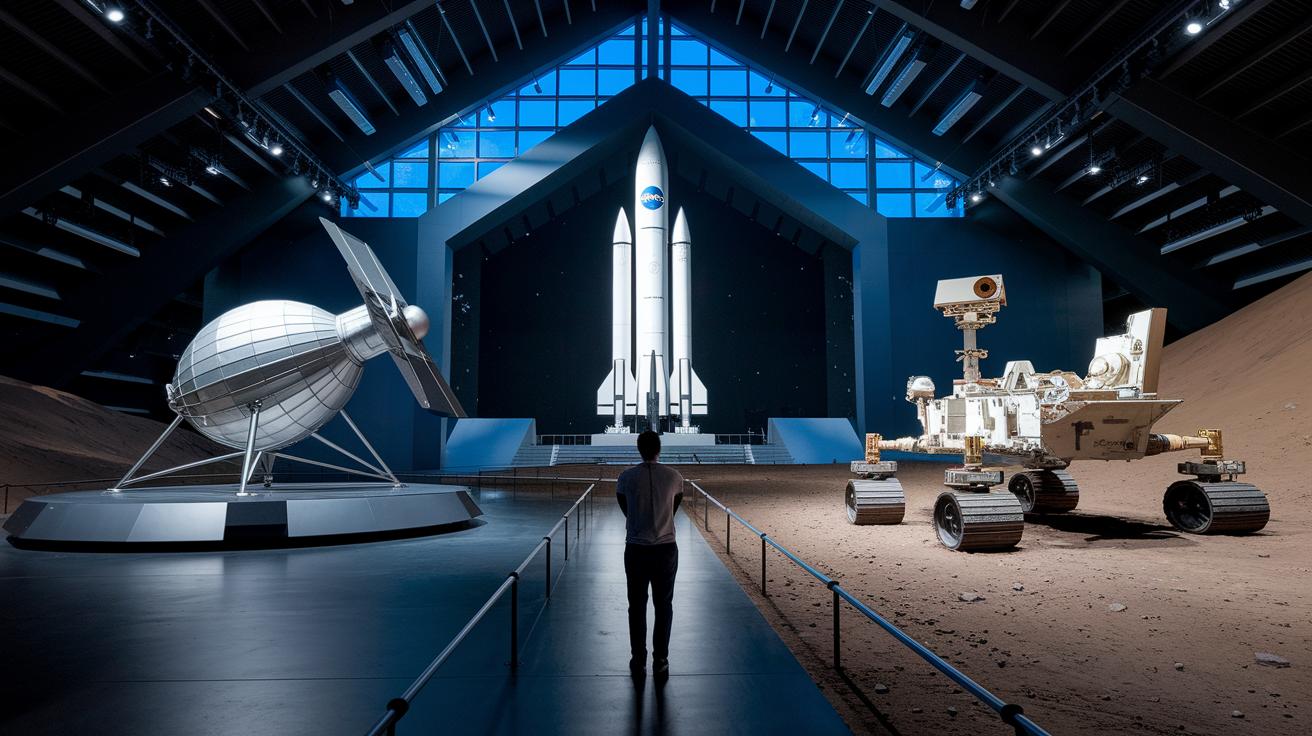
Lockheed Martin Space is breaking new ground in space exploration. They’re working hard to open up paths into deep space and plan exciting interplanetary missions. Have you ever thought about what it means to push the limits of our reach? Their work ranges from exploring planets near us to laying the foundation for someday sending people to distant worlds.
Each mission builds on a long legacy that began with Sputnik 1 cruising around Earth on October 4, 1957, and continues today with bold Mars missions. Check out these key moments that mark their journey:
- Sputnik 1 orbited Earth on October 4, 1957
- The Mars Curiosity Rover launched in 2012
- The MAVEN Mars Orbiter was sent in 2013
- The InSight Mars Lander touched down in 2018
- The Psyche asteroid mission is on the horizon
Lockheed Martin Space is also very committed to education and teamwork around the globe. In 2024, they put $16 million into programs that make science and technology more accessible to thousands of students across the United States. This move isn’t just about teaching, it lights a spark of curiosity in future scientists. By joining forces with international partners, the company helps design and test new systems for crewed space trips. With hands-on STEM programs (science, technology, engineering, and math) coupled with global research, they’re building a strong base for breakthroughs that could one day let us explore even the hidden corners of our universe.
Lockheed Martin Space Corporate Aerospace Projects and Government Partnership Contracts
Lockheed Martin Space leads many exciting aerospace projects. They work on new defense systems (tools that help protect our country), commercial airplane projects, and space missions. They put a lot of effort into creating next-generation vehicles and modern technologies that meet a variety of mission needs. From building strong missile defense systems to designing flexible military aircraft, each project is a mix of fresh ideas and trusted performance.
They are also very skilled at winning government contracts and defense awards. Often, they receive important projects from NASA and other defense agencies. These projects speed up our progress in space while showcasing excellent teamwork between the company and government. Their smart collaborations help keep our skies safe and our aerospace programs moving forward.
Lockheed Martin Space makes sure everyone stays in the loop by sharing regular press releases and updates. These announcements clearly explain big contract wins, key project milestones, and new industry trends. It’s a bit like getting timely news alerts that break down each exciting step of their high-stakes projects.
Looking ahead, the company plans to review recent bids and strengthen its connections with government partners. These efforts will make the bidding process clearer and encourage closer teamwork with government and industry leaders. In truth, all these steps are designed to build strong relationships and drive aerospace innovation even further.
Lockheed Martin Space Cutting-Edge Mission Control Operations and Space Logistics Management
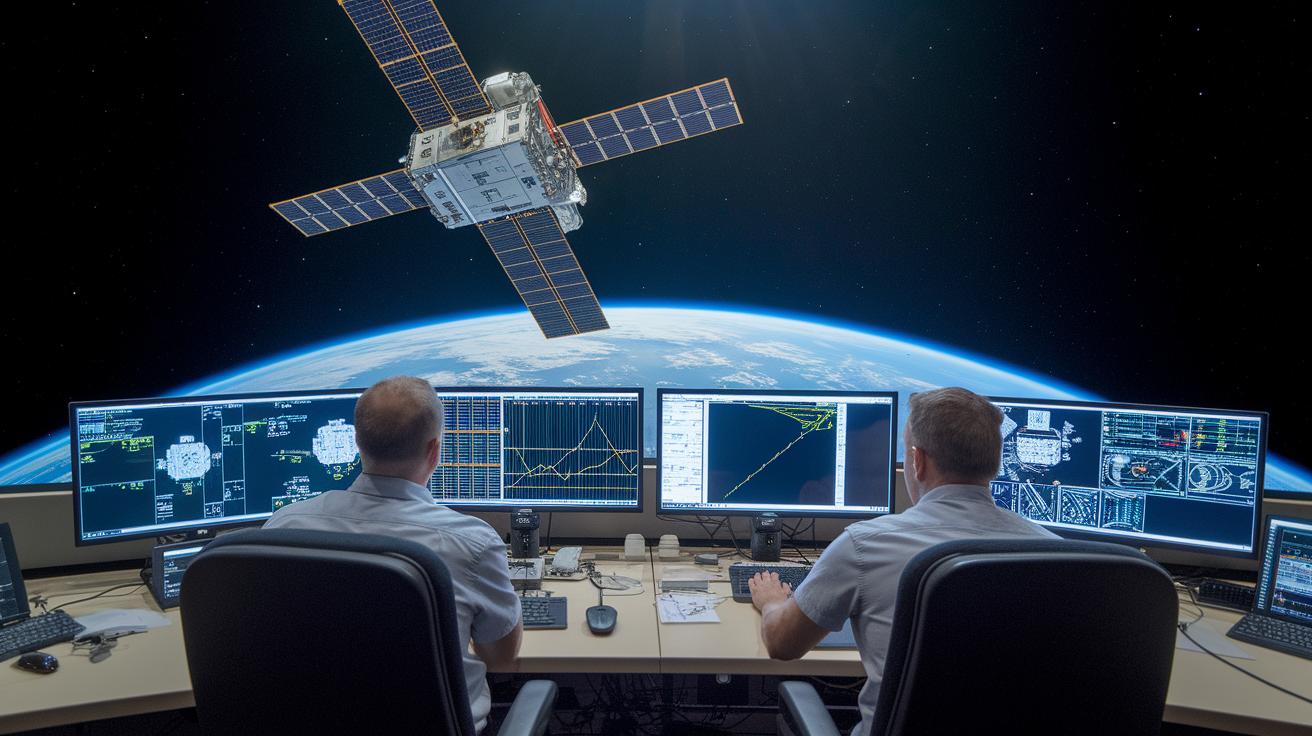
Lockheed Martin Space runs mission control centers that do more than just check data. They use smart networks that grab live telemetry (data sent in real time) and mix in readings from different sensors to give constant updates. In one test, a center spotted a sudden loss of signal and fixed it in minutes, showing how quick-thinking teams can get things back on track even when surprises pop up. It’s a bit like a crew jumping in to restore power during a live sports game.
Lockheed Martin Space is also opening new paths in space logistics. Instead of focusing only on repairs up in space, recent projects look at smart scheduling and predictive tracking. In other words, they forecast what might go wrong before a small hiccup turns into a big problem. Just imagine satellites that alert their teams early, so fixes happen before a full breakdown. This fresh, proactive approach is set to spark more innovations in managing space systems.
Lockheed Martin Space Aerospace Career Opportunities and Engineering Internship Programs
Undergraduate Engineering Roles
At Lockheed Martin Space, college students can dive into exciting engineering projects that bring classroom lessons to life. These roles open the door to working on advanced space systems while solving real problems with smart teams. You get to mix your academic knowledge with hands-on experiences that are both challenging and rewarding.
Engineering Internship Programs
These internship programs are perfect for bright students ready to take on complex engineering challenges. Applicants need to show strong grades and a passion for learning by tackling hands-on projects that simulate real-world problems. Set application dates help you plan ahead, and partnerships with many universities mean you get guidance and mentoring while preparing for a future full-time career.
Virtual Recruitment Events
Lockheed Martin Space makes it easy to connect and learn through digital application portals and virtual events. In these online sessions, you can join interactive briefings and even ask questions directly to company leaders. Plus, remote opportunities allow talented people from anywhere in the country to join the conversation. For more details on career options, check out NASA Careers at https://buzzyandclever.com?p=238.
Final Words
In the action, the blog post explored Lockheed Martin Space’s impressive scale, from its headquarters in Bethesda and a global workforce to its advanced innovations in satellite engineering and deep space exploration. We saw how the company drives its multi-domain space systems integration and robust mission control operations.
The article painted a clear picture of dynamic breakthroughs that shape our understanding of space science. It left us optimistic about the positive impact of Lockheed Martin Space on our future.
FAQ
What are Lockheed Martin Space careers and internships like?
Lockheed Martin Space careers and internships provide many opportunities in aerospace roles, including undergraduate engineering positions and internship programs. They emphasize skill assessments and virtual recruitment events for hands-on industry experience.
Where is Lockheed Martin Space located and what is its headquarters address?
Lockheed Martin Space is headquartered in Bethesda, Maryland, serving as the main hub for global operations and collaborations, with additional facilities such as Huntsville supporting specific space projects.
What does the Lockheed Martin Space logo represent?
The Lockheed Martin Space logo represents the company’s focus on advanced technology and innovation. Its design features clean lines and a modern look that reflects decades of progress in aerospace engineering.
What projects are undertaken by Lockheed Martin Space?
Lockheed Martin Space projects include developing next-generation spacecraft, advancing satellite engineering, and creating deep space exploration technologies. Their portfolio supports both government contracts and commercial missions.
What does Lockheed Martin do in space?
Lockheed Martin works in space by researching, developing, manufacturing, and integrating advanced technology systems. Their work spans satellite solutions, deep space exploration, and support for both commercial and government operations.
Does NASA work with Lockheed Martin?
NASA collaborates with Lockheed Martin on various space missions, including satellite operations and deep space exploration projects. This partnership ensures strong support for both scientific and defense initiatives.
How many employees does Lockheed Martin Space have?
Lockheed Martin employs around 113,000 people worldwide, working in research, development, manufacturing, integration, and sustainment of advanced aerospace systems, ensuring global support and technological innovation.