
Generative AI has been used to design protein antagonists that selectively block the pro‑inflammatory TNF receptor TNFR1 while sparing TNFR2, the receptor linked to anti‑inflammatory activity. Current TNFα therapies such as adalimumab indiscriminately block both receptors, which can blunt beneficial TNFR2 signaling and contribute to side effects. A selective TNFR1 antagonist could sharpen anti‑inflammatory efficacy while preserving protective pathways. AI accelerates this design by sampling protein space far faster than traditional methods, producing candidates that can be experimentally screened. These results are an early, exciting proof‑of‑concept — promising, but requiring extensive validation, safety profiling, and clinical testing.
AI for Drug Discovery: Selective TNFR1 Antagonists
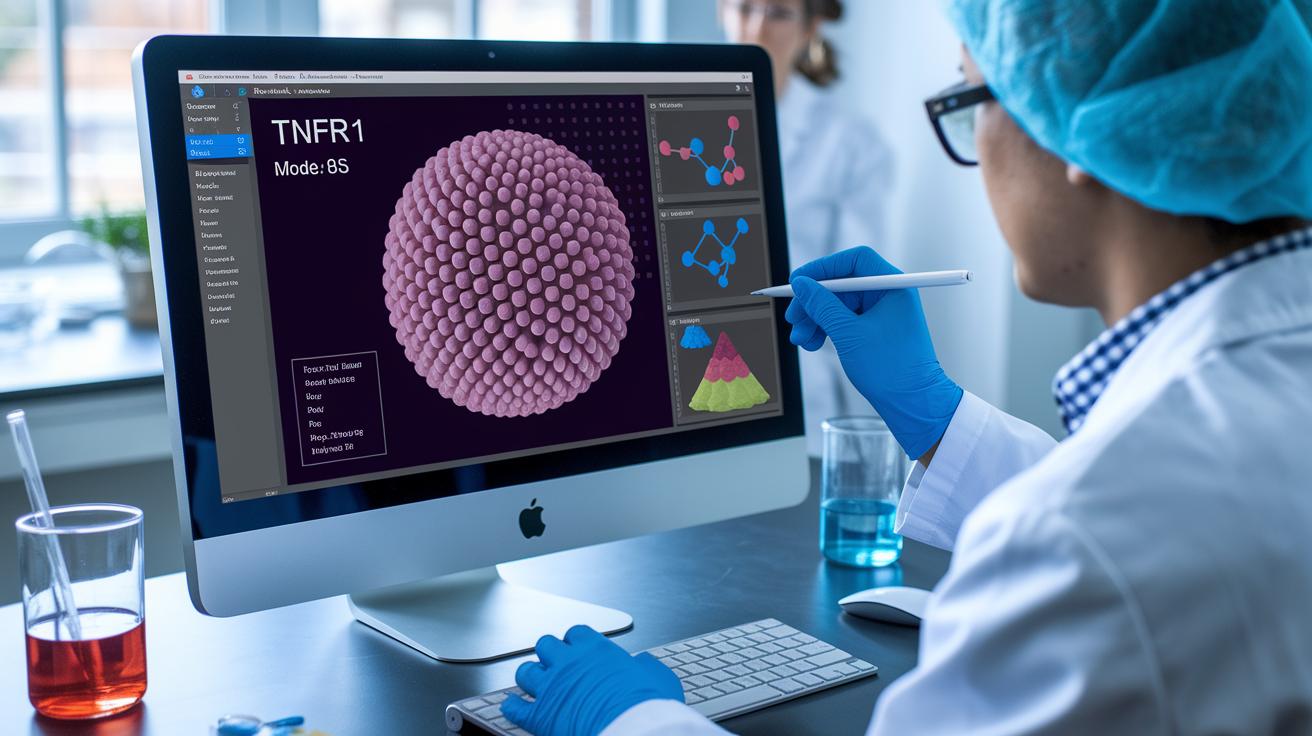
Generative AI has been used to design protein antagonists that selectively block the pro‑inflammatory TNF receptor TNFR1 while sparing TNFR2, the receptor linked to anti‑inflammatory activity. Current TNFα therapies such as adalimumab indiscriminately block both receptors, which can blunt beneficial TNFR2 signaling and contribute to side effects. A selective TNFR1 antagonist could sharpen anti‑inflammatory efficacy while preserving protective pathways. AI accelerates this design by sampling protein space far faster than traditional methods, producing candidates that can be experimentally screened. These results are an early, exciting proof‑of‑concept , promising, but requiring extensive validation, safety profiling, and clinical testing.
First Hematopoietic Stem‑Cell Transplants Without Genotoxic Conditioning

A small clinical trial reported the first hematopoietic stem‑cell transplants performed without genotoxic conditioning in patients with Fanconi anemia, a hereditary DNA‑repair disorder that causes bone‑marrow failure. Without using chemotherapy or radiation to ‘clear’ the marrow, the corrected cells engrafted and in some participants led to measurable improvements in blood production and marrow function. Avoiding genotoxic conditioning could dramatically reduce acute and long‑term toxicity , crucial for patients already vulnerable to DNA damage , and broaden access to curative stem‑cell therapies. These are early results from a limited cohort; larger studies must confirm durability, safety, and applicability to other disorders.
Microneedle Sensors: Continuous, Minimally‑Invasive Monitoring of Proteins and Drugs
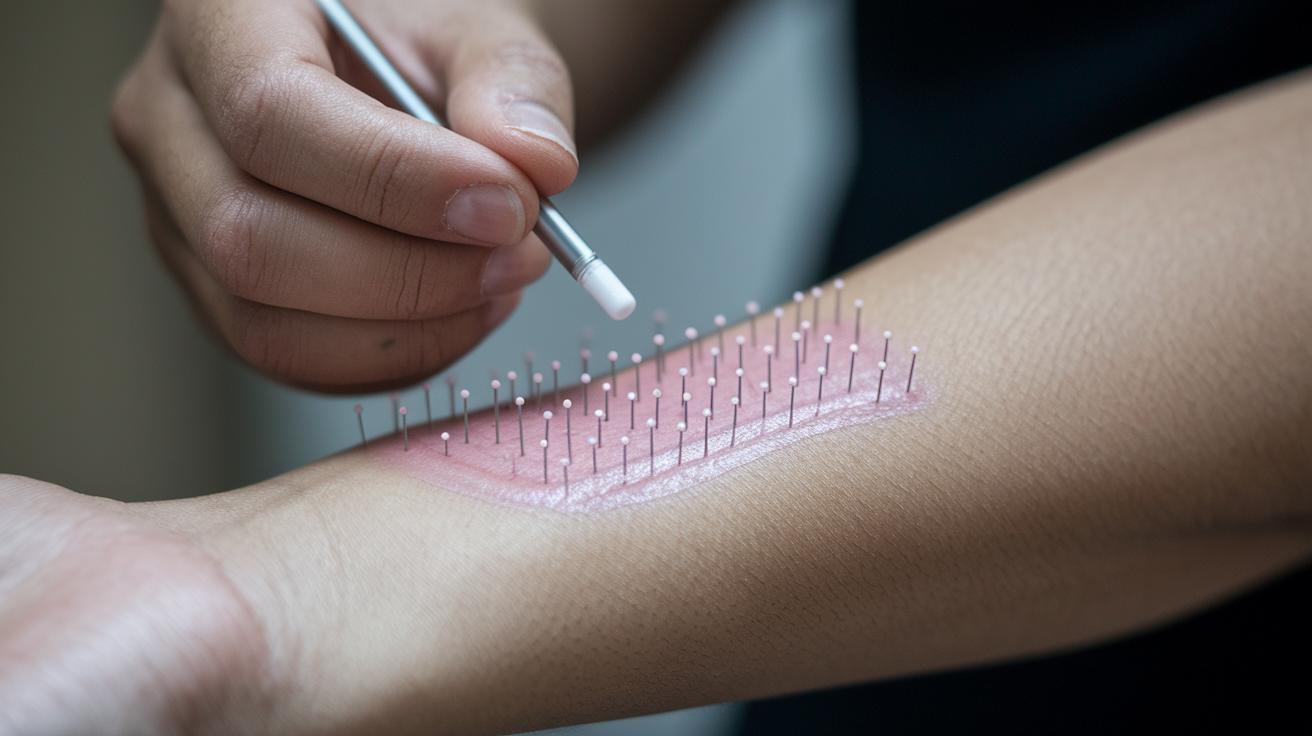
A microneedle‑based sensor implanted in the dermis was shown to continuously monitor proteins, hormones, neurotransmitters, cytokines, and drugs with minute‑level resolution. By sampling interstitial fluid rather than blood, these small, minimally invasive arrays enable near‑real‑time tracking of biochemical signals that previously required serial blood draws. Applications range from therapeutic drug monitoring (optimizing dosing for antibiotics, immunosuppressants, or chemotherapies) to detecting transient cytokine surges or hormonal fluctuations. Wearable, continuous sensing could transform personalized medicine and outpatient care. Translation hurdles include long‑term sensor stability, calibration against plasma levels, selectivity in complex fluids, data integration, and regulatory clearance.
siRNA Plus Peginterferon: Prospect for a Functional Cure of Chronic Hepatitis B
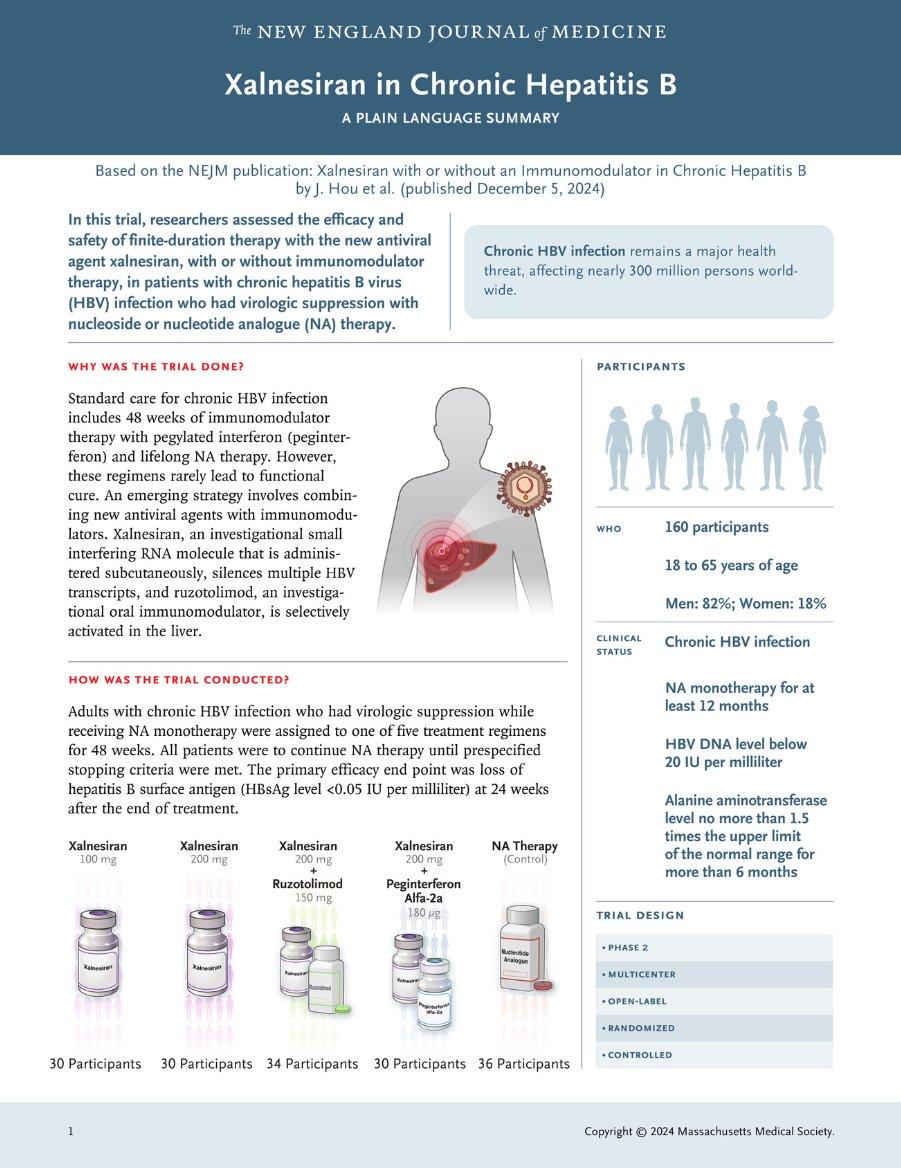
A combination of xalnesiran , an siRNA that silences hepatitis B virus (HBV) transcripts , with pegylated interferon produced functional cure (loss of HBsAg and undetectable HBV DNA off therapy) in roughly one quarter of treated patients. The siRNA lowers the viral antigen burden, potentially reversing immune exhaustion, while peginterferon boosts antiviral immunity. Achieving functional cure is a major milestone for chronic HBV, which affects hundreds of millions worldwide and currently requires lifelong therapy for many. These findings are promising but preliminary: larger, controlled trials are needed to confirm durability, safety, and whether this strategy works across diverse HBV genotypes and patient populations.
Pancreatic Organoids: All Three Lineages from a Single Progenitor
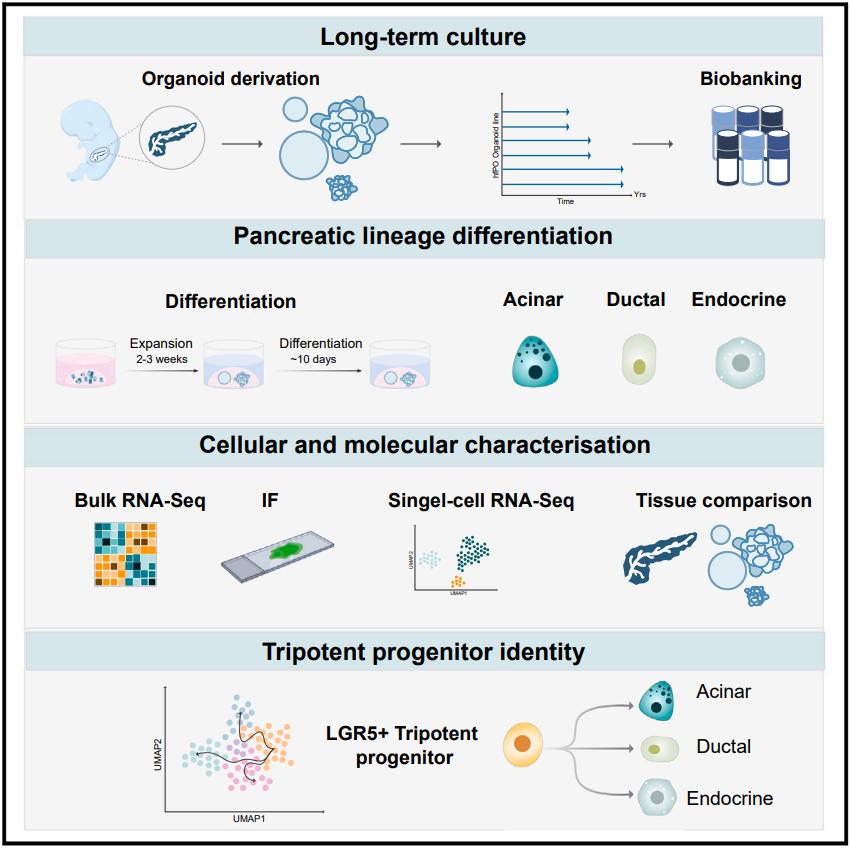
Researchers generated pancreatic organoids that contain the three major lineages , acinar, ductal, and endocrine , derived from a single progenitor cell. These are the first organoids to recapitulate pancreatic complexity at this level, opening new possibilities for disease modeling, drug testing, and eventually restorative therapies. For diabetes, organoids with functional endocrine (insulin‑producing) cells alongside supporting acinar and ductal tissue could better mimic organ physiology than isolated islets. Despite the advance, hurdles remain: achieving full cellular maturity, vascularization, immune compatibility, and safe transplantation. Still, this is an important step toward organ‑level regeneration and personalized pancreatic medicine.
Local Immunosuppression: Engineered Suppressor T Cells Prevent Rejection in Mice
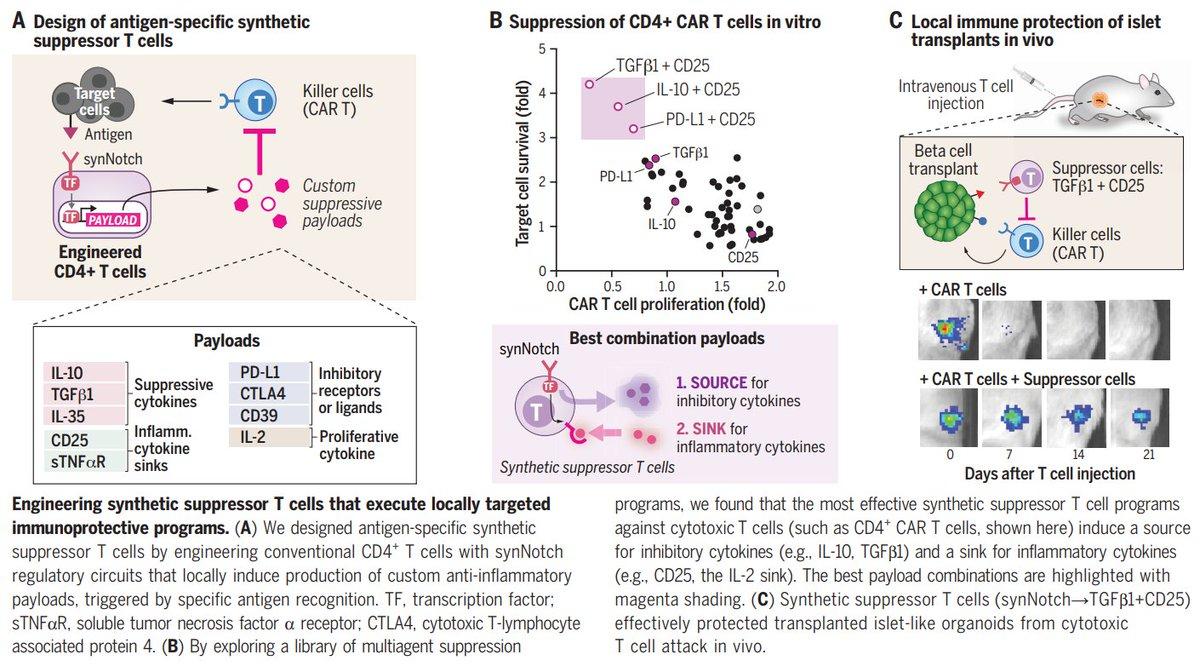
In a mouse model, scientists engineered suppressor T cells to home to a marker (CD19, expressed on the experimental graft) and locally inhibit cytotoxic T‑cell attacks, preventing transplant rejection without systemic immunosuppression. By confining immune suppression to the graft microenvironment, this strategy aims to avoid the chronic infection, malignancy, and metabolic side effects associated with lifelong global immunosuppression. Localized suppression could let recipients keep their natural systemic immunity intact while protecting the transplant. These are promising preclinical results, but key translational questions remain: how to target human grafts safely, avoid off‑target immune dampening, control longevity of suppressor cells, and scale manufacturing for clinical use.
Improved Hepatitis B Vaccine: CpG Adjuvant Boosts Seroprotection in People with HIV
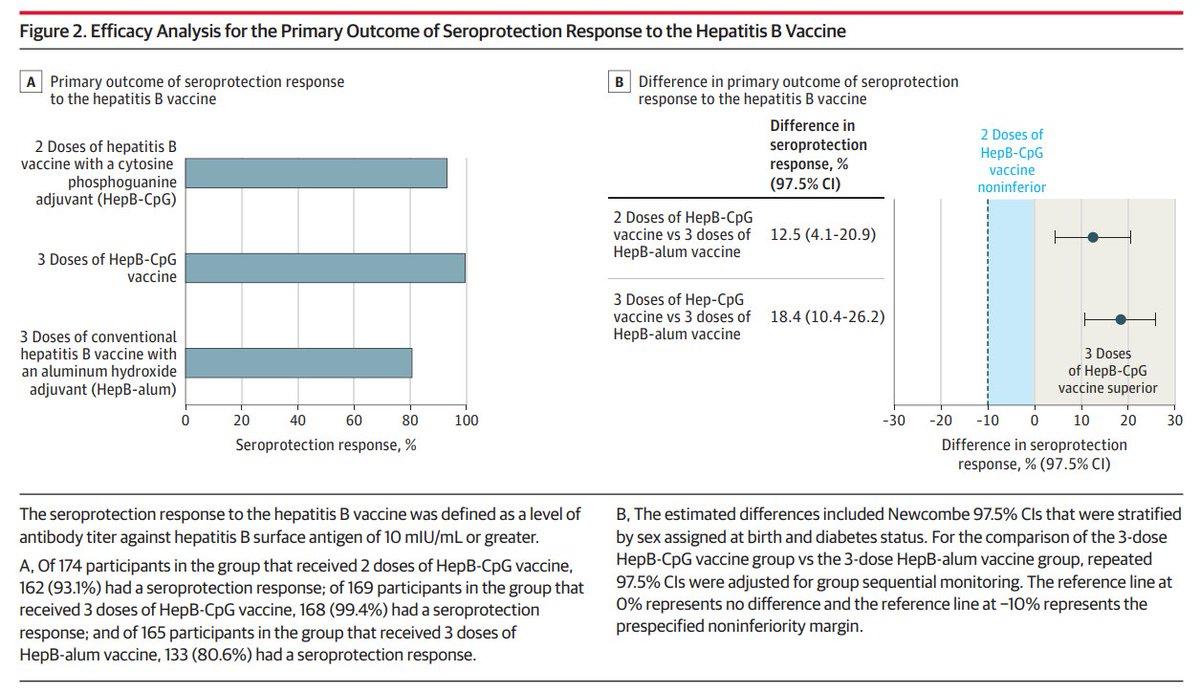
A clinical trial in people with HIV , a group who often respond poorly to vaccines , tested an enhanced hepatitis B vaccine formulated with a TLR‑9 agonist (CpG) as an adjuvant. The CpG‑adjuvanted vaccine raised seroprotection rates from about 81% to over 99%, a dramatic improvement in antibody responses. TLR‑9 agonists stimulate innate immune pathways that promote stronger B‑cell and antibody formation, making them particularly useful for immunocompromised or older populations. The result suggests a practical strategy to close immunity gaps in high‑risk groups, but longer follow‑up will be needed to confirm durability, safety, and performance across broader demographics.
Hypothalamic Deep Brain Stimulation Enables Walking Recovery After Spinal Cord Injury

Deep brain stimulation (DBS) targeting the hypothalamus improved walking ability after spinal cord injury in both rodent models and human participants. Remarkably, gait improvements were immediate when stimulation was applied, and combining DBS with physiotherapy produced benefits that persisted even after stimulation stopped , suggesting DBS may prime neural circuits for rehabilitation and long‑term plasticity. The approach taps into central locomotor and modulatory networks rather than the injured spinal cord directly. Early results are encouraging, offering a potential new adjunct to rehab for people with chronic motor deficits, but larger trials must define optimal targets, stimulation protocols, safety, and durability.