
Have you ever wondered if surgery could be faster and hurt less? New endovascular techniques (surgery that goes inside your blood vessels) are changing the way we do things.
Doctors now make very small cuts and use cool imaging (special pictures that show what’s happening inside) to guide tiny tools along your blood vessels. This approach means there are usually fewer problems, less blood loss, and quicker recoveries. Many patients can head home sooner than before.
In this post, we’ll take a closer look at these new methods and explain how they are making vascular surgery safer and more effective for common issues like blocked arteries and aneurysms (weakened spots in the artery wall).
Comprehensive Overview of breakthrough minimally invasive endovascular surgery techniques
Vascular surgery is changing in big, exciting ways thanks to new techniques that use tiny cuts instead of large incisions. These methods use advanced imaging (special pictures that let doctors see inside your body) to guide small tools through blood vessels. This means there's a lower risk of infection and much less blood loss during surgery. Patients often leave the hospital in about three days rather than seven, and most are back on their feet in roughly two weeks. Imagine needing just a small cut instead of a long, drawn-out hospital stay!
These new methods are especially useful for conditions like peripheral artery disease, which affects millions of Americans, and for abdominal aortic aneurysms, which occur in nearly 200,000 people each year. Before any procedure, patients go through a full checkup. This includes reviewing their medical history, a physical exam, blood tests, and diagnostic imaging (extra pictures that show the insides of the body). Patients usually fast for eight hours or more so that their bodies are ready to perform at their best during the surgery.
Interventional radiologists (doctors who use these modern imaging techniques during treatments) invest an extra six to seven years of training after medical school to perfect these skills. With the help of enhanced imaging, they get detailed views of blood vessels, allowing them to be more precise and reduce risks while boosting treatment success. These groundbreaking techniques are truly reshaping how we treat vascular problems and are giving patients a quicker, safer road to recovery.
Innovative catheter-based procedures and Novel microaccess repair strategies in endovascular surgery
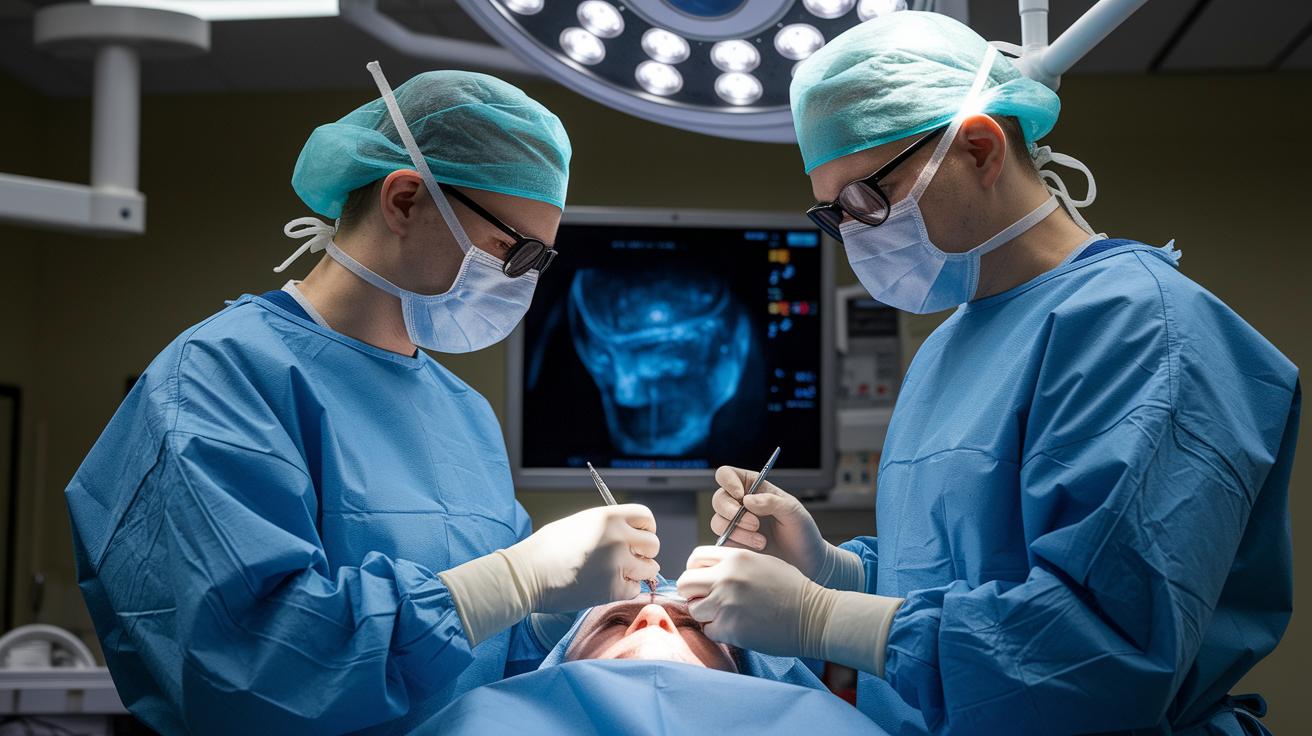
Recent breakthroughs in catheter technology are changing the way doctors repair blood vessels. Surgeons now use new catheter procedures like parallel grafting in special hybrid operating rooms. These rooms mix real-time imaging (live pictures that help doctors see inside the body) with traditional open-surgery methods. This combination lets doctors perform complex fixes such as Fenestrated Endovascular Aortic Aneurysm Repair (FEVAR) (a method to repair a weak spot in the aorta with a custom-made graft). One surgeon explained, "I used parallel grafting to line up the damaged parts and restore smooth blood flow, like matching puzzle pieces."
New microaccess repair strategies build on the use of very small microcatheters with sheaths that are 3 mm or less. Because the openings are tiny, they cause very little damage to blood vessels. This means the incisions are smaller and patients recover much quicker. For example, laser therapy for varicose veins uses fiber-optics (thin, flexible cables that carry light) in these microcatheters, which keeps both the risks and recovery times low.
Doctors also use microcatheters to deliver targeted aneurysm sealants (special materials that block off weakened parts of the vessel) with great precision. This technique reduces the need for contrast dye (a liquid used to make blood vessels visible during imaging) and further enhances patient safety during the procedure. Such precise methods offer advanced percutaneous occlusion correction (fixing blockages with minimal cuts) that leads to better patient outcomes.
Overall, these catheter and microaccess innovations mark a big step forward. They help reduce recovery time and hospital stays, and they make it easier for doctors to treat even the most challenging vascular issues with accuracy and care.
Advanced radiologic guide routing and Next-generation digital imaging assistance for endovascular interventions
Modern imaging tools help doctors see deep inside the body without big cuts. Using non-invasive 3D pictures and smart imaging that mixes artificial intelligence with traditional scans (a way to combine computer intelligence with normal images), surgeons can plan before surgery and get live updates during procedures. Picture a doctor using a smart display that shows a detailed map of your blood vessels right on your skin. It’s like following a glowing path in a dark tunnel, which cuts down on radiation time by a quarter and reduces the amount of contrast dye by almost a third.
Automated steerable catheters add even more control. These special tools have tiny sensors that guide the doctor’s hand, almost like steering a remote-controlled car along a clear track. Think about how a toy car follows its built-in path; these tools work in much the same way to offer a steady, reliable assist during tricky procedures.
Together, these new imaging techniques and smart routing methods are changing the game for endovascular treatments. They help keep patients safer and make surgeries more accurate and efficient.
Emerging balloon angioplasty innovations and Progressive stent deployment solutions in endovascular lesion management
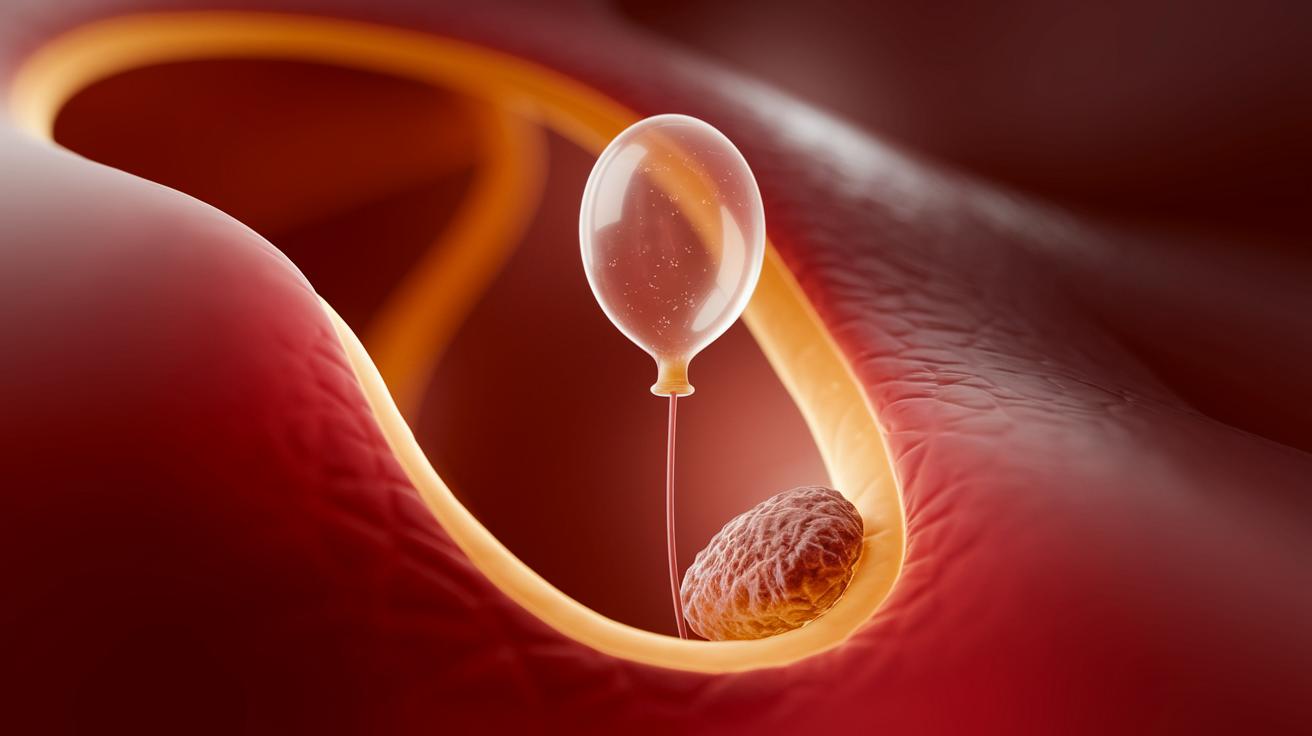
Drug-coated balloons that slowly release medicine (drugs that slow unwanted cell growth) are changing how we unblock clogged blood vessels. These smart balloons help keep the vessel open after treatment by letting the drug work right where it is needed.
Scoring balloons, which are designed just for tough, calcified plaques, carefully crack up the hard buildup. This makes it easier for the balloon to expand and clear the blockage. And then there are biodegradable scaffold balloons, innovative tools that hold the vessel open for a while and then naturally dissolve, leaving behind a smoothly repaired artery.
Imagine a tiny balloon, coated with medicine, that you inflate inside a blocked pipe to restore flow with almost no damage. Alongside these are progressive stent deployment solutions. These are self-expanding metal supports (made of nitinol, a flexible metal that springs open on its own) that deliver medicine straight to the vessel wall. They seem to lower the chance of the blood vessel narrowing again by nearly 30% compared to older bare-metal stents over a year.
There are also new devices that seal off aneurysms (balloon-like bulges in a blood vessel) with nearly 98% success. These modern, incisionless methods offer a safer and more dependable way to restore blood flow, paving the way for treatments that are both efficient and less invasive.
Breakthrough minimally invasive endovascular surgery techniques excel
Recent studies show that patients who choose these new small-cut procedures get a big safety boost and recover faster. In one trial, only about 1.5% of patients passed away within 30 days after the small incision surgery, compared to 4% with open repair for abdominal aortic aneurysms (a condition where a large blood vessel in the belly weakens). With these modern methods, patients generally leave the hospital in around three days instead of seven.
The numbers speak for themselves when it comes to fewer complications too. With the minimally invasive approach, only about 5% of patients face complications, while open surgery sees about 12% trouble cases. It’s clear that less cutting means less stress on the body. Also, the success rate in keeping blood vessels open (called patency) is roughly 85% with the new method, which almost matches the 88% found with traditional surgery.
Enhanced recovery techniques make a big difference as well. Many health programs have managed to cut down opioid use by 40%, meaning patients feel less pain with fewer medications. Surgeons often mention that these refined techniques, using tiny cuts and precise imaging, reduce the overall impact of the surgery. This leads to a quicker return to everyday activities and less discomfort for patients, making these modern procedures a strong and safe alternative to open surgery.
Future directions in Pioneering arterial intervention methods and Trailblazing technology integration for endovascular surgery
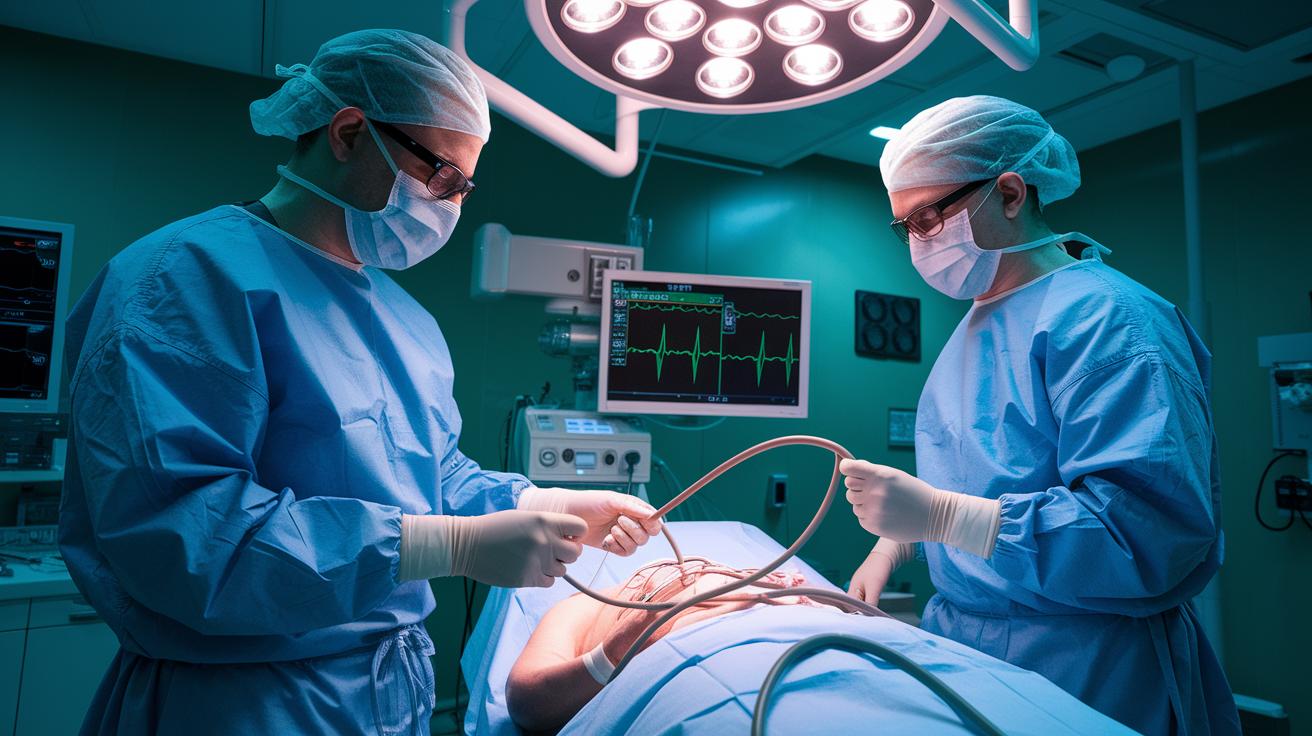
New tools in less-invasive blood vessel surgery are opening up exciting paths for doctors. Modern robotic catheters come with a special feedback system that lets surgeons feel even the smallest resistance as they guide instruments through fragile vessels. This clever help from robots is changing how doctors handle tricky repairs. Plus, new navigation systems adjust in real time to place tools perfectly, so even the tiniest pathways are handled with care. Imagine a guidewire that notices tiny pressure changes as you work, it’s smart technology making a huge difference.
At the same time, fresh ways to access and treat arteries are stepping up. Early tests are trying out vascular grafts made with a patient’s own cells to help rebuild damaged areas naturally. Wearable sensors now keep an eye on patients from afar, sending quick alerts if anything unusual happens. And thanks to AI-powered scheduling that smooths out workflows, surgeries are becoming about 15% faster with fewer delays. All these advances in artery treatment and smart tech come together to make procedures safer, less invasive, and much kinder to patients.
Final Words
In the action, we explored how breakthrough minimally invasive endovascular surgery techniques are reshaping patient care. We looked at advanced imaging, smart catheter routing, and next-generation stenting methods that reduce recovery times and risks. Each section compared less invasive methods to traditional procedures, highlighting improved outcomes and shorter hospital stays. Cool imaging and innovative repair strategies point toward a promising future in medicine. With science at the helm, exciting breakthroughs are on the horizon, promising better care for everyone.