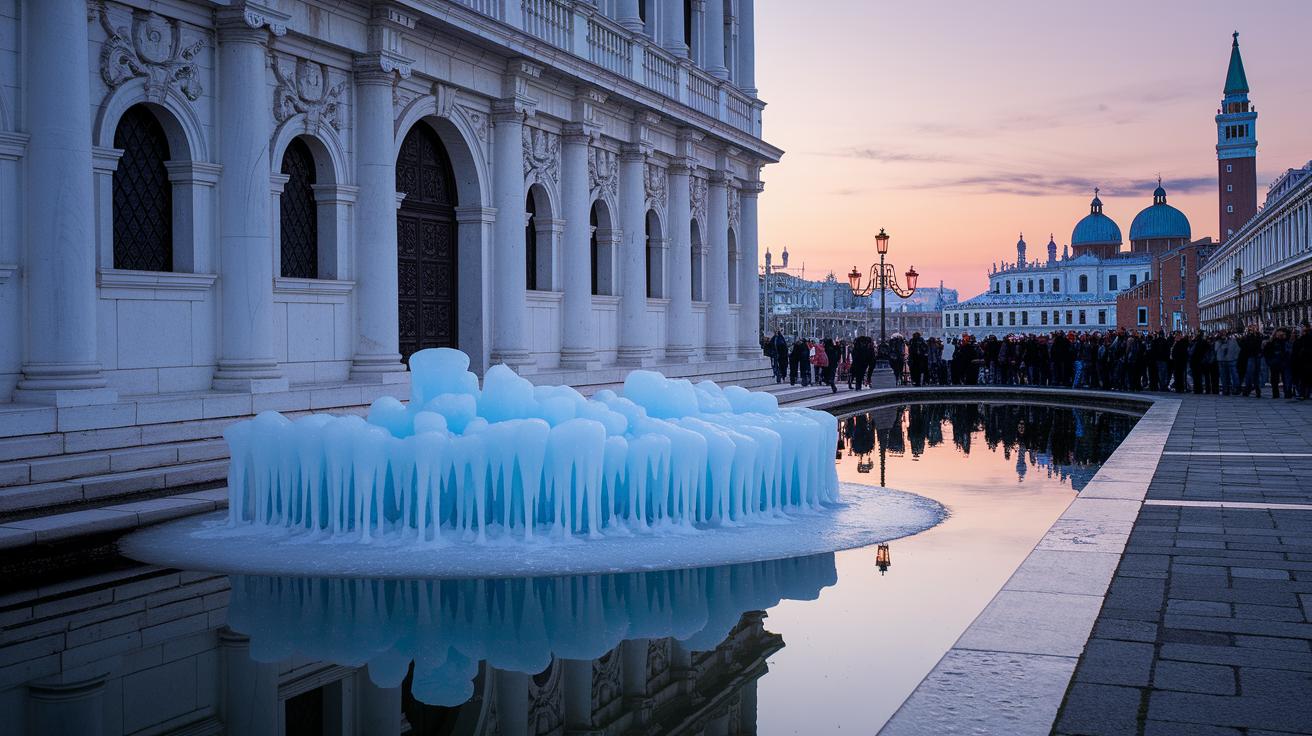
Have you ever thought about art as a way to tackle climate change? It turns boring data into lively images that help you feel the impact of global warming. Artists mix real science with vivid pictures that make the harsh truths of our world clear.
With every brushstroke and digital sketch, art invites us to ask tough questions and work together for change. Its messages remind us that our planet is delicate and deserves our care. Art isn’t just about beauty – it’s a call to protect our home right now.
How Climate Change Art Drives Awareness and Engagement
Since 2005, climate change art has grown from a few niche projects into a global movement. Inspired by Bill McKibben’s early work, artists quickly began using creative ways to explain the science behind global warming (why our planet is getting hotter). They mix solid facts with engaging visuals that make the impact feel real. For example, some artists share surprising facts like, "Before she was famous, Marie Curie used to carry test tubes of radioactive material in her pockets. She had no idea how dangerous they were."
At its heart, climate change art is all about sparking feelings, standing up against environmental harm, and starting important conversations in communities. Many pieces are designed to help us feel empathy and bring the far-off effects of global warming into the here and now. These artworks act as powerful visuals that invite us to connect with scientific truths on a personal level.
Artists today blend protest and green activism to show not only the harmful effects of warming but also to push communities toward real change. Through public art displays and interactive shows, these projects become a call to fight for environmental justice. They bring people together, sparking talks about sustainability, the need for new policies, and our shared duty to protect our planet.
Landmark Climate Change Artworks That Shaped the Dialogue
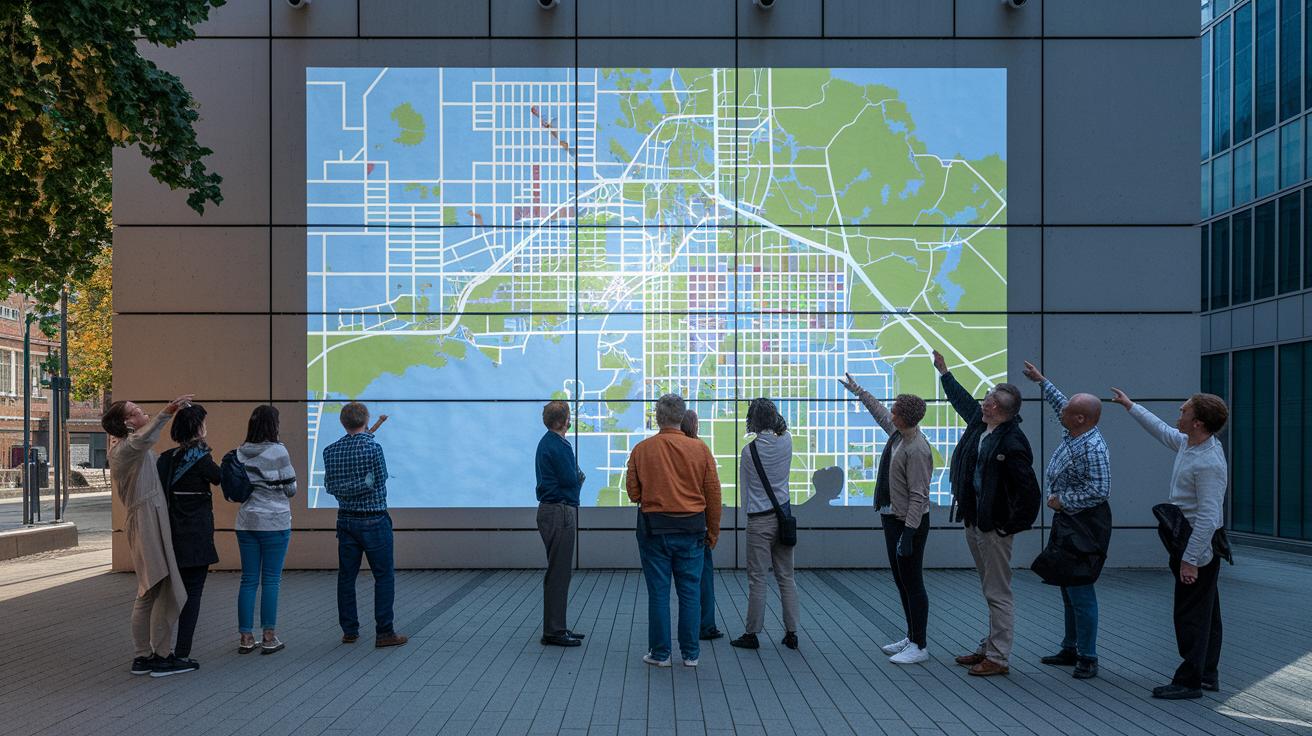
Climate change art isn’t just about pretty pictures, it’s a unique language that lets us see and feel the impact of global warming. Artists use creative methods like community maps and digital sketches (simple computer drawings) to show how fast our world is changing. Many of these works focus on local spots, revealing how familiar places might shift under extreme weather. Some pieces even invite us to look at our neighborhoods from a different angle, seeing them as they might become in the future. Each artwork reminds us of nature’s fragile balance with human life and sparks chats that mix art with real environmental science.
Below is an HTML table listing ten key artworks that have shaped how we talk about climate change. It shows the year they were made, the title, the artist, the medium, and the central message each work shares:
| Year | Artwork | Artist | Medium | Key Message |
|---|---|---|---|---|
| 2007 | HighWaterLine | Eva Mosher | Community Art (satellite images and maps) | Showing possible flood zones in NYC. |
| 2007 | Beauty Shop | Lori Nix | Installation | Imagining a salon overtaken by extreme weather. |
| 2008 | Flooded McDonald’s | Superflex | Installation | Depicting a fast-food restaurant slowly swallowed by water. |
| 2010 | Growing Pains | Laura Ball | Watercolor | Merging images of endangered species to show loss in biodiversity. |
| 2011 | Cement Eclipses | Isaac Cordal | Miniature Sculptures | Commenting on urban risks with concrete figures. |
| 2015 | Ice Watch | Olafur Eliasson & Minik Rosing | Installation | Using Greenland ice to make the climate crisis real. |
| 2015 | Melt | Deanna Witman | Salt-Paper Prints | Capturing 15 years of glacial change in fleeting images. |
| 2016 | Climate Stripes | Ed Hawkins | Data Visualization | Turning temperature data into vibrant color bands. |
| 2017 | Support | Lorenzo Quinn | Sculpture | Highlighting how cultural support can help preserve heritage in a warming
Artistic Techniques and Eco-Driven Approaches in Climate Change ArtInteractive displays let people see climate data in a whole new way. They turn plain numbers into lively conversations among community members. For example, many folks might never notice that rising water levels can change their streets until they join an outdoor mapping event. Mixing local stories with science helps everyone understand the bigger picture. Public sculptures add real emotion to what could be just dry statistics. Instead of simply presenting data, these pieces use small figures to remind us that our cities are vulnerable too. Imagine a modest cement figure on a busy sidewalk, quietly inviting onlookers to think about how fragile our world really is. Temporary art makes a timely statement about our environment. New projects using materials like melting ice or salt-paper printing capture moments that fade as quickly as they appear. Picture an ice installation slowly melting in a park, its gentle disappearance makes you feel both the beauty and the urgency of change. Art that transforms data into vibrant visuals engages us on both an emotional and thoughtful level. When shifting color patterns represent temperature changes, it’s like watching numbers tell their own story. Bold swaths of color turn cold facts into a vivid narrative about rising heat, inviting us to tune in to nature’s subtle messages. Curating Climate Change Art: Key Exhibitions and Installations
In 2015, an installation called Ice Watch transformed the area outside the Panthéon during COP Paris. People gathered around melting ice, seeing firsthand how art can light a spark for eco-friendly change and make us think deeply about our warming planet. Have you ever felt nature speaking directly to you? At the 57th Venice Biennale in 2017, a sculpture named Support made its debut. Designed to protect our cultural heritage, it mixed art with history in a way that invites us to explore how culture and climate connect in a rapidly changing cityscape. Andreco’s Climate 04 mural, painted along Venice’s Grand Canal, blends science with visual storytelling. It takes research on rising sea levels (the increase in water due to climate change) and turns it into a vivid public narrative that encourages everyone to consider the impact of our shifting waters. In Sicily, local eco-art projects have sprung up in response to wildfires. Community workshops and site-specific art pieces let residents transform stories of disaster into hopeful expressions of strength and togetherness. Major natural history museums have also joined the conversation by staging exhibits inspired by the IPCC’s 2022 report (a key scientific study on climate change). These shows marry clear scientific insights with creative visuals, sparking discussions that bridge expert research and grassroots creativity. Emerging Directions: Sustainable Materials and Future of Climate Change ArtCatherine Sarah Young’s work is a cool example of turning nature’s leftovers into art. In her piece The Weighing of the Heart, she uses bushfire charcoal and native ashes to show that even remnants of an environmental crisis can express deep thoughts about our world. Rebecca Lee Kunz’s Sky Vault Descent taps into Cherokee mythology to explore the natural cycle of life and decay. Meanwhile, Dana Jung’s urban illustrations bring green infrastructure ideas (ways to make cities more eco-friendly) to life by showing us a future with cleaner air and less dependence on fossil fuels. Jack Coulter’s canvases mix sound and color in creative ways, echoing messages inspired by Greta Thunberg. His art is influenced by predictions of sea level rise and findings from the IPCC (the group that studies climate change), blending hard data with creative flair. These projects together point us toward a renewable future, energizing communities and sparking bold new ideas for sustainable, innovative art. Final WordsIn the action, climate change art brings science to life with striking visuals and community projects that speak to our everyday experiences. It shows how art uses installations, sculptures, paintings, and data art to stir our emotions and spark fresh conversation. Highlighting creative methods and eco-friendly techniques, the article reminds us that art can be a vibrant tool in making science feel real and urgent. The excitement around climate change art invites us all to see the world, and our role in it, a little differently. FAQWhat are climate change art ideas and art ideas for students?The climate change art ideas encourage creative projects that combine science with art. They inspire both students and the broader community to express environmental concerns through accessible drawings, installations, and mixed media approaches. How does climate change art made easy help beginners?The climate change art made easy approach means using simple techniques and everyday materials. It lets beginners explore environmental themes through straightforward sketches and projects without needing advanced art skills. What do climate change art paintings and drawings showcase?The climate change art paintings and drawings showcase visual narratives that highlight environmental change. They often blend traditional painting and drawing with data visualization to illustrate issues like rising waters and altered landscapes. How is climate change art made for kids effective?The climate change art for kids uses crafts and colorful drawings to make environmental issues understandable. It encourages young minds to engage with science by transforming complex ideas into fun, easy-to-create artworks. What features define a climate change art exhibition?The climate change art exhibition features diverse works such as interactive installations, murals, and digital presentations. These exhibitions aim to promote public dialogue and raise awareness about environmental challenges in engaging, thought-provoking ways.  Categories:Hot right now:Company:Follow on:We participate in marketing programs, our content is not influenced by any commissions. To find out more, please visit our Term and Conditions page. |