
Have you ever thought about whether protests can create real change? When thousands of people fill the streets in small towns and big cities, they send a clear message: our climate matters and we can’t ignore it.
Recent reports show more rallies happening around the world, and each one adds a hopeful beat to the fight for a greener future. Every chant and every march reminds us that challenges can become bright opportunities for our planet.
This surge in activism isn’t just loud, it fills us with global optimism about the future.
Global Overview of Climate Change Protests
The Climate Protest Tracker started in 2022 and has been busy collecting details about climate protests in more than 35 countries. It gathers simple facts like the date, where the protest took place, and how many people joined in so that anyone can see how these actions are spreading across the globe.
For example:
- March 2022, United Kingdom, Youth Climate Walk
- July 2022, Germany, Green Future March
- September 2023, Global, Global Climate Strike
- November 2022, United States, Climate Action Rally
- June 2023, Brazil, Citizen Climate Solidarity
The tracker shows events in big cities and small towns on five continents. Hundreds of protests have been recorded, and they all add to a growing, global call for change. Though the number of participants varies a lot between events, every single protest boosts the worldwide push for a greener future.
This tool not only highlights paths across different locations but also shows a strong spirit of community activism. The events range from more official marches in capital cities to spontaneous gatherings in urban areas. It’s clear that many people care about the climate, and their combined effort sparks hope. This wave of actions challenges old political habits and pushes for sustainable policies needed for our future.
Key Drivers Behind Climate Change Protests
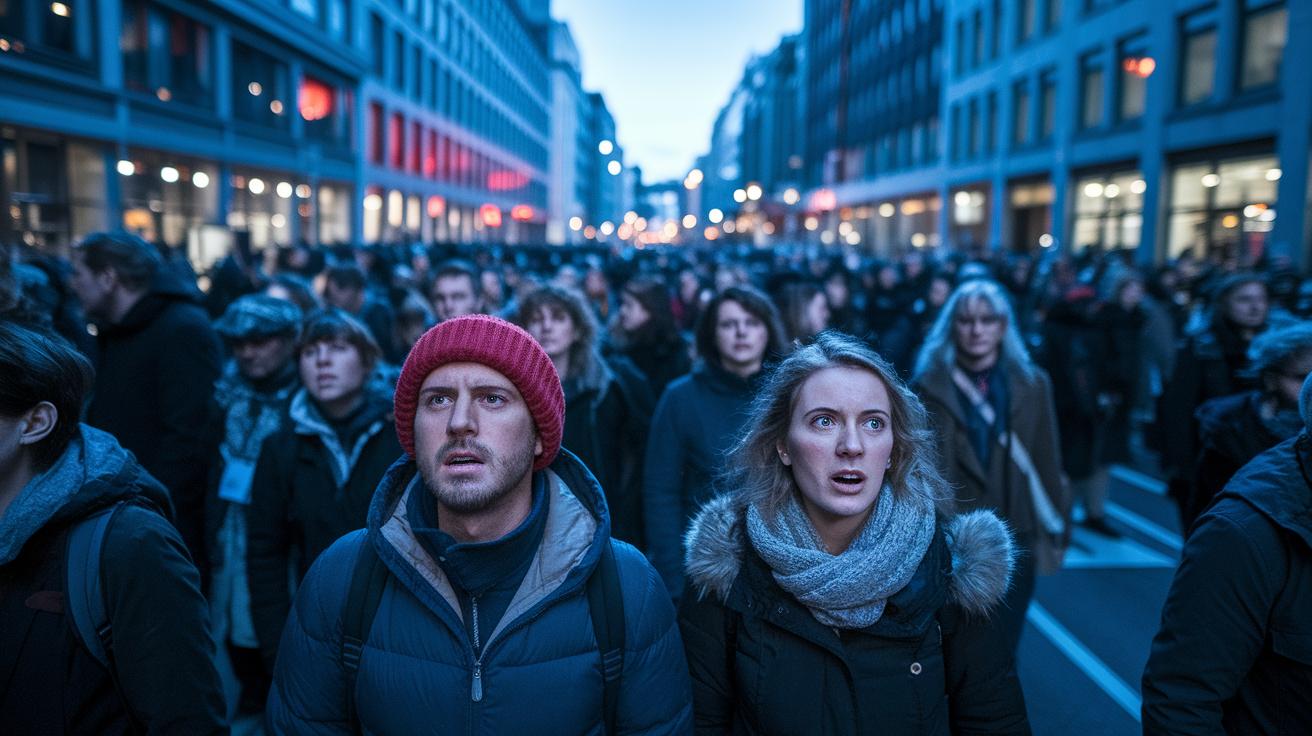
Protesters are hitting the streets because they believe our government’s steps are falling short, leaving our world to warm faster than experts expected. In many communities, weak policies have led to ongoing heatwaves and sudden storms that disrupt everyday life. Activists, including groups like Extinction Rebellion, are calling on leaders to follow clear scientific advice and be more open about their plans. They point out that missed emissions goals and a lack of accountability reveal what’s really driving climate change and show that the environment we all depend on is under growing stress.
Spurred by these policy failures and shocking weather events, citizens are joining together in rallies that demand safer, more responsible laws. They use these gatherings to push for a government that truly protects its people. Each protest is a reminder of the real impact of extreme weather and the urgent need for climate policies that look after our future. Together, these efforts show a strong commitment to reshaping our policies for a more secure and sustainable tomorrow.
Major U.S. Climate Change Protests and Events
Last Saturday in El Paso, Texas, over 300 people gathered for a protest called "No Kings Day." They came out to challenge what they see as strict government rules and a lack of federal action. On a hot day, their united voices proved that even small groups can create a big impact when they band together. This event wasn’t just about local issues; it joined a larger nationwide push for better climate action.
All across the U.S., student groups and city communities are taking matters into their own hands. In big cities, students have staged walkouts to demand stricter rules on carbon emissions (the harmful gases released by burning fossil fuels) and greener plans for urban life. In many neighborhoods, demonstrators have peacefully sat in public areas and blocked streets so that their message wouldn’t be lost. It’s clear from these actions that people of all ages are determined to bring about real changes that protect our climate and our communities.
European Focus: Tourism and Environmental Protests

Tourism in southern Europe is growing fast, and people are worried about crowded streets, stressed housing, and fewer natural spaces. Local residents feel that too many visitors are making their everyday life harder by hurting the environment and their neighborhoods. More traffic, noise, and garbage from tourists only add to the stress, so many locals and activists are getting creative with their protests.
- In March 2024 in Genoa, Italy, protesters rolled suitcases down old streets to show how mass tourism is worsening housing shortages.
- In Majorca, Spain, activists blocked a double-decker bus and lit flares as a bold call to stop the environmental damage that too many tourists can cause.
- In Lisbon, Portugal, people organized beach clean-ups to fight off the harm done to coastal habitats by a constant stream of visitors.
Across southern Europe, groups are turning to strong and clear visual protests to stand up for their local communities. Their efforts show that many believe in finding a better balance between bustling tourism and protecting the local culture and nature we all cherish. The movement is growing, and it seems clear that people want tourism and local needs to support each other for a more peaceful future.
Extinction Rebellion’s Role in Climate Change Protests
Extinction Rebellion believes in clear and fair rules that protect both people and the natural world. They say that the actions we take need to keep pace with the heat our planet is experiencing. In the UK, community workshops and public meetings, running since 2022, show how coming together can make a real impact on our environment. Creative protests such as colorful street demonstrations and hands-on training sessions share practical ideas to build a safer future. Fun fact: Before they organized any public training, XR members spent months planning each detail to ensure their actions led to real change.
Big, flagship events bring a burst of energy to the green movement. For instance, the online talk "The World We Want" was first streamed on November 21 and then on December 3, where clear steps for a livable future were laid out. These events take local passion and organize it into powerful actions, proving that when communities unite, hope and optimism can spread all around the globe.
Tracking and Analyzing Climate Change Protest Data

The Climate Protest Tracker gathers basic details like the date, country, and protest size for every event. It records each protest as it happens so that you can easily see where climate change protests are taking place around the world. Imagine looking at a world map dotted with places where hundreds or even thousands of people are standing up for our planet. This clear collection of numbers shows us when and where people are sharing their climate concerns, and it helps everyone get a real sense of the protest movement's everyday energy.
Researchers have examined this valuable data closely by studying trends and reviewing examples from protests since 2022. They found that events have occurred in 35 countries, with noticeable shifts in when protests happen and the rise of youth-led groups. Their studies on the marches even show that local issues and worldwide conversations can change how and when these protests take place. These insights help us build a timeline of the movement and understand how the protest landscape is changing every day.
Key Challenges and Risks for Climate Change Protesters
Outdoor climate protests often run into surprise weather problems that can suddenly turn a calm gathering into a safety issue. When extreme heat strikes, it can be hard for people to stay cool, sometimes leaving them dizzy or tired. And when sudden storms hit with heavy rain and strong winds, streets can get slippery and hard to see through. In one protest, organizers quickly noticed a brief rain made the area unsafe and moved everyone indoors. It’s a clear reminder that Mother Nature can sometimes throw a wrench into even the best plans.
To help keep everyone safe, protest organizers use strict safety steps. They have crisis teams ready with first-aid kits and extra water for anyone in need. There are also clear rules to help people avoid heat stress, like taking breaks in the shade. Plus, safety officers work with everyone to plan road blockades and other protest tactics safely. With set safe zones and fast emergency plans, these precautions help the protest stay strong even when the weather turns unpredictable.
Digital Mobilization and Media Coverage of Climate Change Protests
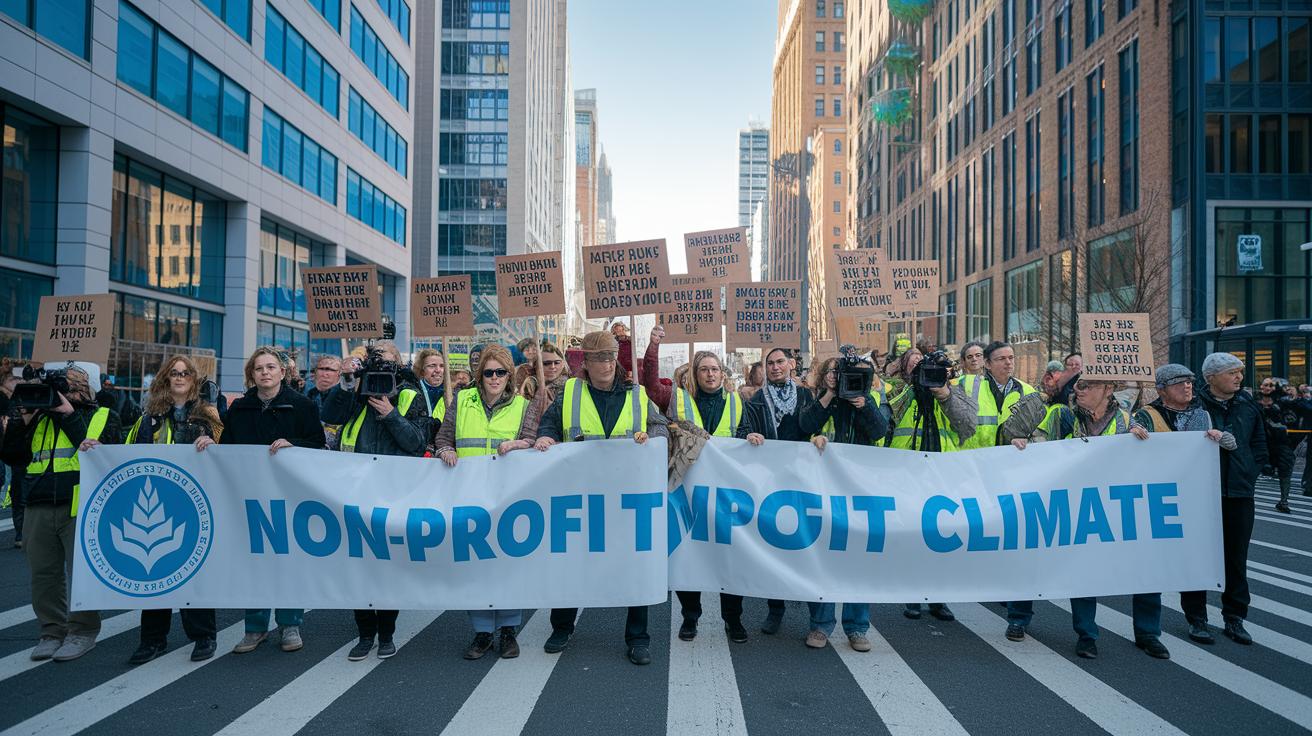
Nonprofit groups, like 501(c)(3) organizations, work hard to show us what’s really happening at climate change protests. They share clear and simple details without any commercial pressures or hidden biases. Local newspapers and TV channels also join in by reporting the size, location, and key messages of these protests so that everyone can see the impact of the climate movement.
On the digital side, things are changing fast. Hashtags for climate protests saw a 40% jump in engagement from 2022 to 2023, which tells us that folks are really using online platforms to spread the word. Live streams and viral challenges are sparking conversations across borders and making it easier for activists to organize and share updates instantly. This fresh approach is keeping the energy of the climate movement alive and well.
Influence of Climate Change Protests on Policy and Public Awareness
Climate change protests have nudged local officials to rethink rules about protecting our water and the environment. For instance, events like the "Don't Pay for Dirty Water" campaign and the March 22, 2026 "World Water Wedding" sparked lively debates on water safety and the need for cleaner practices. In 2024, several city councils re-examined their environmental rules after these passionate rallies pushed for change. It really shows that when folks stand together and speak up, our leaders listen and adjust policies to safeguard nature.
Surveys and community feedback also tell a clear story. People reported feeling about 25% more concerned about climate issues after joining or hearing about these protests. Local meetings are now filled with conversations and ideas about how we can take better care of our surroundings. This growing public interest not only strengthens the call for more reviews of old policies but also helps build communities that care deeply about a safer, healthier environment.
Final Words
In the action, we explored global climate marches, innovative citizen activism initiatives, and urban mobilizations. The blog walked through key events, safety challenges, and digital trends that paint a picture of clean energy debates and policy shifts.
We also highlighted carefully chosen U.S. and European events along with Extinction Rebellion efforts. This blend of data and personal insights shows that climate change protests continue sparking lively discussions and inspiring measurable change.
FAQ
What are climate change protests today?
Climate change protests today mean that people around the world are coming together now to demand swift actions and policy changes to fight harmful warming and protect communities from extreme weather.
What do climate change protests 2022 represent?
Climate change protests in 2022 represent a significant global wave of demonstrations. These rallies voiced alarm about rising temperatures and policy inaction, with data carefully tracked to show growing turnout and urgency.
Why are Gen Z protesting?
Gen Z protests because this group feels let down by slow policy changes while facing real dangers from extreme heat and storms. Their actions stress that bold, immediate steps are needed for a safer future.
What percentage of Republicans don’t believe in global warming?
Studies suggest that about 20% to 30% of Republicans express doubts about global warming. This skepticism varies based on different polls and reflects broader political divides over climate change issues.
What are climate change protests about?
Climate change protests are about urging government and corporate leaders to take clear, immediate actions against worsening global warming and environmental harm, stressing the need for fair policies that protect people and nature.
Who is the most famous climate change activist?
When discussing famous climate change activists, Greta Thunberg often stands out. She has captured global attention with her optimistic yet direct calls for action, inspiring millions to join climate protests worldwide.

