
Have you ever wondered if a small change in your DNA could change your health forever? It might sound unbelievable, but gene editing is proving that tiny tweaks can have a huge impact. Scientists use CRISPR (a tool that works like tiny scissors) to fix parts of our genes. This breakthrough is opening up new ways to fight diseases that were once thought to be untreatable.
In fact, these new methods are paving the way for treatments that are tailored just for you. It gives hope to many people facing genetic challenges, showing us that sometimes, really small changes can make all the difference.
Gene Editing Breakthroughs Transforming Medical Research
Recent advances in gene editing have opened up new paths for treating difficult diseases. Tools like CRISPR-Cas9 (a gene editing tool originally found in bacteria) are now used to make very accurate cuts in DNA. In 2023, this tool was even approved for treating sickle cell anemia, a major step toward personalized health care.
New methods like base editing take things further by fixing tiny errors, changing just one letter in a gene. For instance, a single mistake in the PKD1 gene can cause autosomal dominant polycystic kidney disease. Early tests showed that one treatment could correct this error in many kidney cells, and special editors even reached cells in the heart and liver. The results were real: fewer kidney cysts, less thickening of heart muscle, and healthier livers.
Using these treatments early in young models led to even better outcomes. Kidneys worked more smoothly, there were fewer cysts, and survival rates improved. Before these innovations, severe kidney conditions left patients with very few options and a grim outlook. These findings highlight how fixing even one tiny part of our DNA can bring major health benefits.
By pushing the limits of CRISPR, scientists and doctors are reshaping how inherited diseases are treated. Lab discoveries are turning into real improvements in patient care. As these breakthroughs continue to develop, they may lead to more targeted and effective treatments, offering new hope to everyone battling genetic disorders.
CRISPR Innovation and Next-Generation Gene Editing Tools
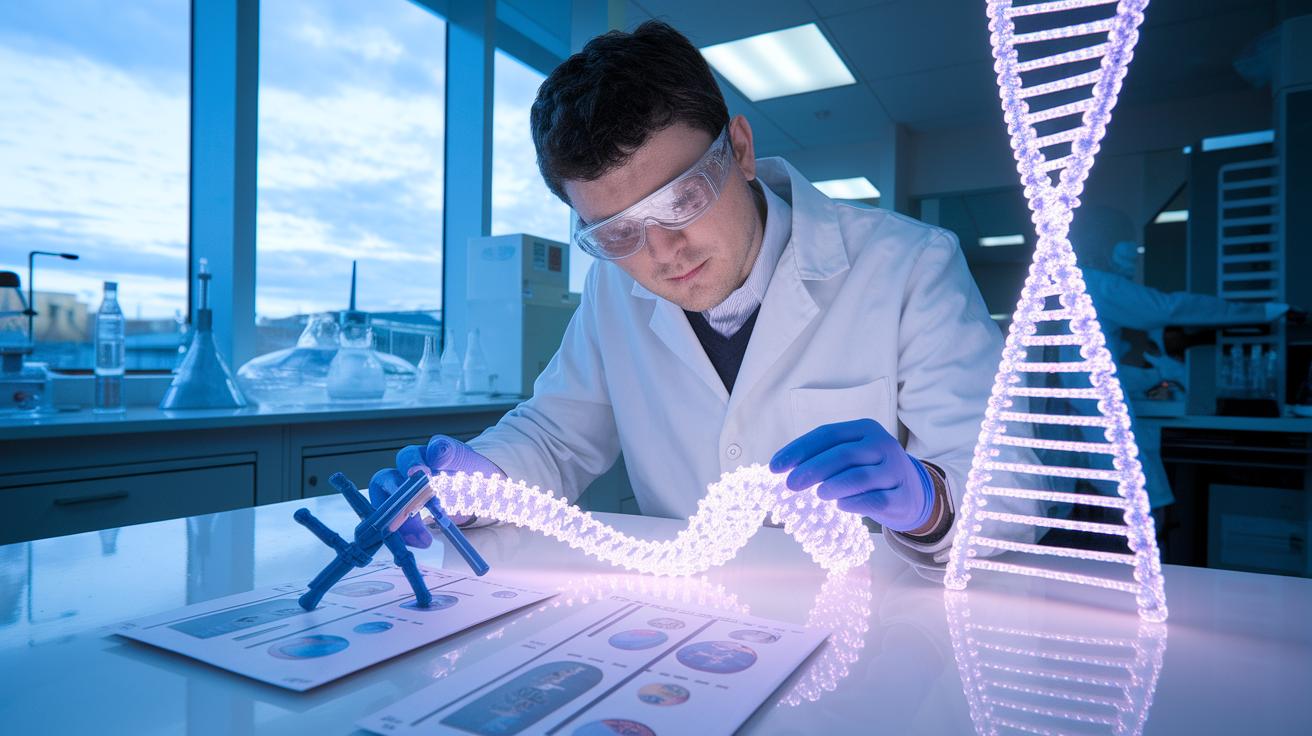
CRISPR-Cas9 uses a guide RNA to lead a Cas9 protein that works like tiny scissors, snipping DNA exactly where it's needed. Think of it like fixing a single letter in a long sentence, it sounds simple, but it changes everything for how we study and treat diseases.
Newer techniques are taking things even further. CRISPR interference (CRISPRi) uses a version of Cas9 that doesn't cut the DNA at all. Instead, it sticks to the gene to temporarily turn it off, giving scientists a neat way to control cell behavior without making permanent changes.
Then there’s prime editing. This clever tool combines a Cas9 nickase (a softer cutting protein) with reverse transcriptase (an enzyme that turns RNA into DNA). It lets researchers make precise insertions, deletions, and fixes small mutations, almost like carefully editing a sentence to correct a tiny error.
Scientists are also exploring artificial RGR genes to simplify how guide RNA is made. Every step in these advances pushes us closer to custom treatments and innovative cures for many genetic conditions. It’s a thrilling time where tiny changes in our DNA can have a big impact on health.
Preclinical Evidence and Intervention Trial Breakthroughs in Gene Editing
In animal studies, researchers gave a one-time base editing treatment that fixed the PKD1 mutation, which causes ADPKD (a kidney disease marked by cysts). This single dose quickly reduced both the number and size of kidney cysts, improved how the kidneys filtered blood, and even boosted the health of heart and liver cells. It was the first time base editing worked in kidney tissue in a living animal, offering a fresh new take on gene editing treatments.
The intervention made more than just the genetic fix, it also helped shrink an enlarged heart (cardiac enlargement) and increased survival rates. Researchers explained that one well-placed treatment set off a chain reaction, benefiting several organs at once. Imagine turning one key that opens multiple locked doors. This breakthrough in making precise genetic changes in complex organs is setting the stage for future clinical trials to treat genetic diseases.
| Breakthrough | Outcome |
|---|---|
| Single-Dose Base Editing | Reduced cyst numbers, better kidney filtration |
| Extended Benefits | Less heart swelling, improved liver function, increased survival |
| New Clinical Approach | First live demonstration in kidney tissue |
Precision Excision and Nucleotide Rewriting in Gene Editing Therapies
Gene editing that works with the exact precision of a skilled surgeon is a big deal for new gene therapies. Scientists are focusing on fixing tiny errors in our DNA, known as nucleotides, with great care. Recent tests in animals show that a method called base editing (a way to change one tiny bit of DNA) makes these fixes work better than older techniques. In one study, researchers saw a big jump in success when they fine-tuned the editing setup. This progress tells us that the gap between lab ideas and real-life treatments is getting smaller.
Below are some key tools and methods being used:
| Method or Tool | What It Does |
|---|---|
| CRISPR-based base editing | Corrects single-letter DNA errors precisely |
| CRISPR interference (CRISPRi) | Temporarily turns off genes (stops them from working) |
| CasOT software | Helps predict and avoid changes in the wrong DNA spots |
| PAM-dependent design rules | Ensures targets in the DNA are chosen with high accuracy |
These strategies set the stage for more customized treatments in precision medicine. By sharing fresh data and addressing new challenges, researchers are constantly improving these DNA rewriting techniques to make genetic treatments safer and more effective.
Ethical Standards and Regulatory Oversight in Gene Editing Advances
Gene editing is getting a lot of attention as scientists work hard to make it more precise. They’re not only aiming to pin down every detail but also to ensure that concerns about long-term safety and high treatment costs don’t hold back its use in clinics. For example, unexpected changes in parts of our DNA (off-target mutations), challenges with getting the right dosage, and differences in how treatments are delivered all need careful checking.
At the same time, changes in policy, like moving responsibilities from USAID to the U.S. Department of State, have shifted how international research gets funded. This adds extra pressure on those who set the rules. Global agencies such as the FDA are busy updating their guidelines to ensure new gene therapies meet high safety standards.
Regulators now lean on clear ethical standards and diagnostic sequencing (methods used to read genetic material) to make sure treatments meet strict quality checks. Scientists, ethicists, and lawmakers are having ongoing conversations, trying to create guidelines that balance fast technical progress with solid public health protection. These team efforts are all about building trustworthy protocols so that gene editing can advance responsibly and safely make its way into clinical practice.
Future Directions in Biomedical Redesign and Cellular Repair via Gene Editing

New research is lighting the path for game-changing gene editing treatments. Scientists are now improving a process called base editing (a method used to fix specific parts of our DNA) to fix more types of genetic mistakes, such as different versions of PKD1 and other harmful changes. This careful editing shows real promise by tackling mutations in ways older methods couldn’t.
Researchers are also trying out clever, nonviral nanoparticle systems. These are tiny, specially made particles that carry gene editing tools into cells without using viruses. Because they don’t rely on viruses, the whole process becomes safer and gentler on the body. And it gets better, new automation tools, like self-driving labs and real-time bioprocessing, are speeding up research. These technologies let scientists run many tests quickly and accurately, opening new doors for cell repair and biomedical redesign.
The impact of these advances goes far beyond fixing kidney problems. Scientists are testing similar techniques for fighting cancer, treating HIV-1 (a type of virus that causes AIDS), and even correcting hemophilia B (a condition that affects blood clotting). Each step brings us closer to personalized treatments that not only repair genetic issues but also help stop further damage to our cells. This exciting progress is being celebrated as a major turning point in medicine. For example, breakthrough research is showcased on medical breakthroughs, highlighting the move toward smarter, safer gene therapies. With ongoing studies and clinical trials, these innovative techniques continue to push what we thought was possible, filling many of us with hope for the future.
Final Words
In the action, the blog explored CRISPR innovations, targeted base editing, and strong ethical oversight that sparked new ideas in science news. The discussion covered precise gene corrections, early trials in animal models, and the rigorous review needed to keep research safe. Short glimpses of surgical-level editing precision and breakthrough clinical treatments made this topic both simple and engaging. All parts together show how advances in gene editing: a breakthrough in medical research are lighting the way for fresh scientific thinking and hope.
FAQ
How are advances in gene editing considered breakthroughs in medical research?
The advances in gene editing from 2020 and 2021 show significant progress by improving the accuracy of DNA modifications. They open the door to new treatments for genetic disorders and enhance precision medicine.
When will CRISPR be available to the public and for HIV treatments?
The availability of CRISPR therapies for general use and HIV treatment relies on successful clinical trials and regulatory approvals. Ongoing research is focused on ensuring safety and effectiveness before widespread application.
How are CRISPR clinical trials impacting human health, including HIV research?
CRISPR clinical trials are testing the use of targeted gene editing to treat various conditions, including HIV. Early trial results indicate positive outcomes, but further research is needed to confirm long-term benefits.
What does an AI gene editing company do?
An AI gene editing company uses advanced algorithms to refine the gene editing process. This approach improves the design of guide RNAs, helps predict off-target effects, and speeds up the development of effective treatment strategies.

