
Ever wonder how planes glide in the sky and rockets blast off into space? Aerospace engineering courses let you explore how air moves, how engines create power, and how digital tools help design aircraft and spacecraft (that is, machines that fly and travel in outer space). These classes mix easy-to-understand ideas with hands-on projects you can do on campus or online. They give you the skills needed to help shape the future of flight through real-life experience. So, are you ready to turn your curiosity into a career in aerospace engineering? Let's dive in and see where these exciting learning paths can take you!
Overview of Aerospace Engineering Courses and Programs
Aerospace engineering courses cover many cool topics like how air moves around objects (fluid dynamics), what makes engines powerful (propulsion systems), how structures hold up under stress (structural analysis), and the role of onboard electronics (avionics). If you’re curious about what all this means, check out the link to What is Aerospace Engineering? It’s like opening a window to the exciting world of making airplanes and spaceships.
Many of these courses are available online, which means you can choose from free classes, certificate programs, or full degrees. Whether you’re just getting started or you already have some experience, there’s a program that fits your pace. One popular course is the Fundamentals of Flight Mechanics by ISAE-SUPAERO, a course that’s made it into the top ten aerospace engineering classes.
Courses are designed to mix solid theory with real-life practice. You might find yourself working on projects in labs where you simulate how an aircraft behaves or design a spacecraft using digital tools. It’s hands-on learning with software like MATLAB (a tool for working out math problems) and CAD (a program for designing objects), which gives you a feel of the real world in aerospace.
To top it all off, there are more than 500 learning options out there. And if that isn’t exciting enough, you can use the code DAYOFED2026 to get a 15% discount on certificate programs until February 5. With so many choices and deals, the journey to a career in aerospace engineering has never been clearer or more inviting.
Distance and Online Aerospace Engineering Courses
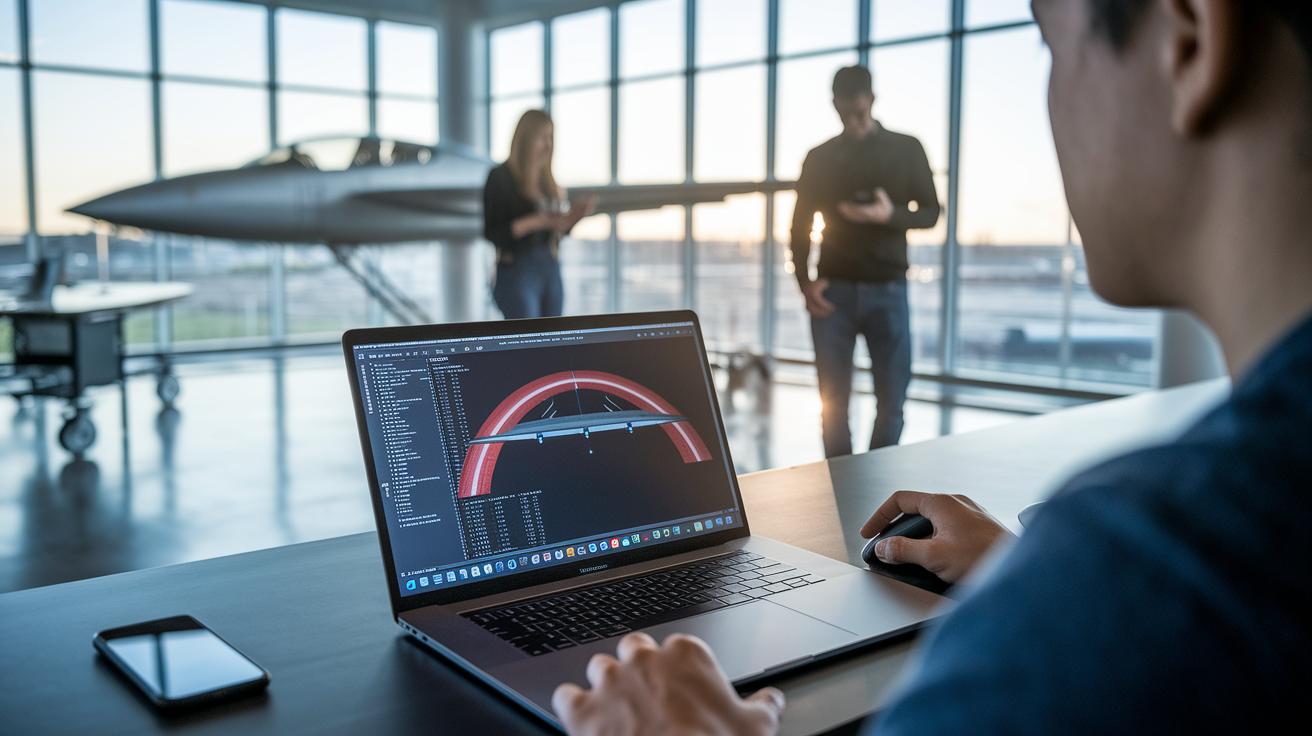
Online aerospace programs now come in many flexible formats that fit our busy lives. Whether you choose free lessons or paid certificate tracks, distance learning lets you set up your own educational journey. Imagine arranging your study time with self-paced lessons or joining live sessions with an instructor, all through online platforms that feel much like a modern aircraft lab. And picture working on a MATLAB task where you simulate how air flows over a wing, just like real engineers do in high-tech labs.
Remote, hands-on training is one of the best parts of these courses. Virtual labs give you the chance to try wind tunnel tests and work in CAD design labs (CAD stands for Computer-Aided Design, which means using software to create models). These exercises let you put what you learn into action, so everything makes more sense. This blended approach really helps both working professionals and people considering a career change.
Some cool features of these courses include:
- Simulation activities that check aircraft performance in digital wind tunnels
- Interactive projects that let you design real-looking aircraft models using CAD software
- Step-by-step exercises in computational modeling that boost your analytical skills
With such flexible online formats, studying feels both engaging and visual. It’s almost like being in a state-of-the-art lab, experiencing the soft buzz of digital tests and practical assignments that polish your skills. This modern setup turns the complex world of aerospace engineering into an inviting, hands-on adventure for anyone ready to launch their future.
aerospace engineering courses: Propel Your Future
The curriculum kicks off with core subjects that help you understand how airplanes and spacecraft are built. You’ll start with courses like Introduction to Systems Engineering, Engineering Mechanics, and Digitalisation in Aeronautics and Space (using digital tools to design and test models). Imagine a class where you create digital models to see how an engine might perform under different conditions, as if your computer turns a blueprint into a working design.
Building on the basics, advanced electives take you into even more exciting areas. For example, a course like AI for Mechanical Engineers introduces you to machine learning (using computers to recognize and learn from patterns) to optimize system performance. You’ll also learn about project risk management, which teaches you to handle real-life challenges in projects. It’s like fine-tuning each part of a complex machine until every detail clicks.
Math is at the heart of these courses, too. You’ll pick up skills in Python programming, tackle differential equations, work on linear algebra problems, and dive into numerical analysis with MATLAB (a tool for advanced math). Think of it as assembling a puzzle, each math piece fits perfectly to complete the picture.
The program also stresses blending theory with practice through hands-on computer modeling exercises. Picture entering data into a simulation and watching your design behave just like a real airplane or spacecraft. I once saw a simulation where a tiny tweak completely changed the result, reminding me that even small adjustments can lift overall design performance.
aerospace engineering courses: Propel Your Future

If you dream about a career in aerospace engineering, you'll need a solid grasp of math and physics. Schools love to see that you've taken classes like calculus and mechanics in high school or college. This background helps you understand how forces make things fly. It’s a bit like solving a puzzle, where each math problem or physics rule fits perfectly with the next.
You should also feel at home with technical tools like CAD software. This program lets you design objects on your computer. And knowing a programming language such as Python (which is used to write instructions for computers) can really help you crack tough challenges. Gaining hands-on experience with these tools can boost your confidence, too. For instance, schools often look for candidates who:
- Know basic engineering tools (like MATLAB for number crunching)
- Have experience with digital design software
- Understand problem-solving techniques and teamwork
When you apply, schools will review your GPA, test scores (like the SAT or ACT), and transcripts. They might even check if past course credits can count toward your aerospace studies. By blending strong academic performance with tech skills and teamwork, you build a profile that shows you're ready for the exciting and challenging projects in aerospace engineering.
Costs and Financial Aid for Aerospace Engineering Courses
There are many learning options available that won’t break the bank. You can choose from free modules or pay for a certificate track that helps you build new skills. Tuition fees vary a lot, so you might find everything from free courses to more structured programs. And if you opt for a certificate, you can enjoy a 15% discount with the code DAYOFED2026 until February 5.
If you're trying to keep costs down, there are several smart ways to manage your budget. You can take advantage of free modules offered on many online platforms or choose a cost-effective course format that fits your learning style. Plus, remember to look for promotional codes to help lower your expense even further.
Sometimes, you might even come across scholarship opportunities or get tuition assistance from your employer. These extra funding options can really make a difference in how much you spend on your studies, helping you get a high-quality education at a price that works for you.
- Free course modules
- Promotional code discounts
- Scholarship and employer tuition assistance
Practical Training in Aerospace Engineering Courses
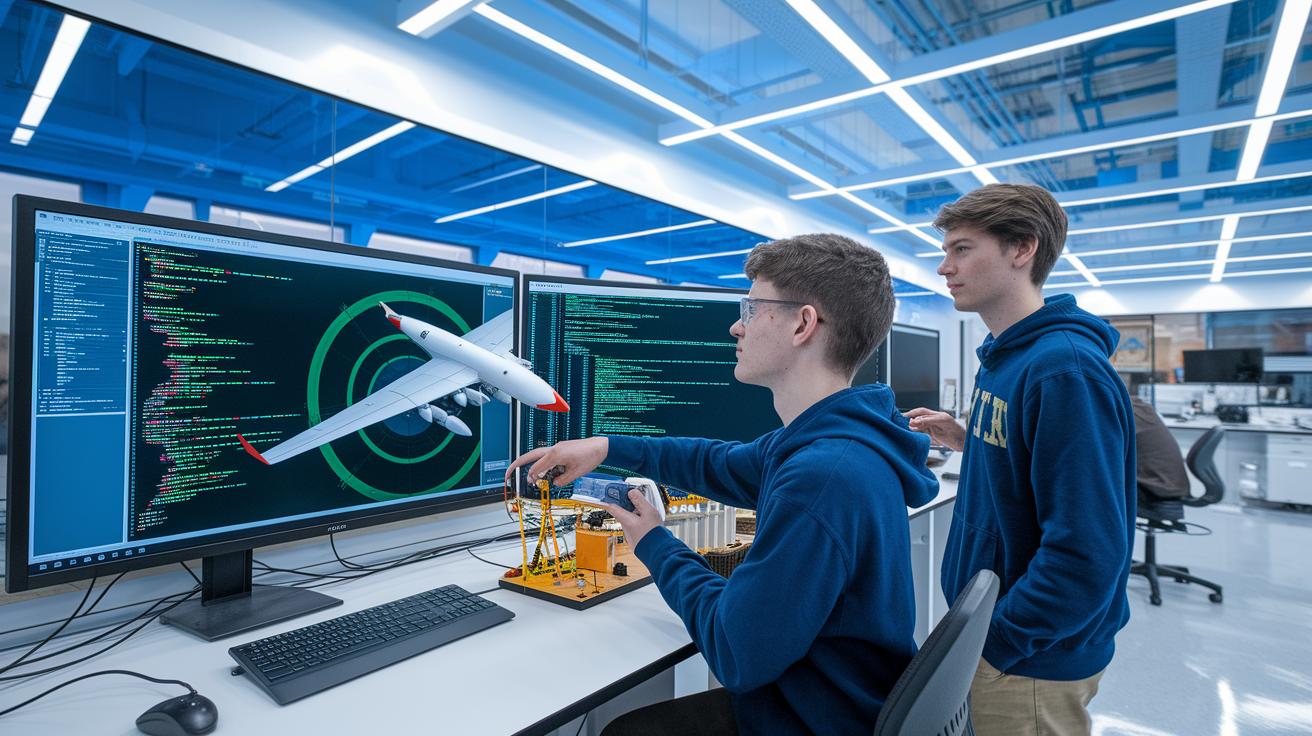
Aerospace engineering courses bring theory to life through hands-on labs that let you experience real flight situations. Imagine using a digital wind tunnel where you watch air flow over a model aircraft as you run MATLAB exercises to tweak its performance. It’s like seeing a live physics experiment, where a small change in the wing shape can dramatically shift the lift, just like a chef adjusting a secret ingredient until the meal comes out perfect. These labs show you how tiny changes can affect the whole system.
Project-based learning is another exciting part of the course. You dive into real-world case studies that focus on joining different flight systems together. Picture putting together a high-tech puzzle where every piece, from the control system to the propulsion unit, fits just right to form a winning aircraft. This hands-on work sharpens your problem-solving skills and gets you ready for challenges in the real professional world.
Immersive workshops add even more to your practical skills. Virtual reality sessions let you step into a simulated cockpit, and group projects or capstone assignments give you the chance to apply what you learn in computer modeling and structure analysis. These sessions even include propulsion system training that lets you feel the real challenges and precision needed in aerospace design. By mixing virtual and hands-on methods, your learning stays as lively and adaptable as the aerospace field itself.
Career Opportunities from Aerospace Engineering Courses
Aerospace engineering courses open the door to many exciting jobs in the field of aerospace. They give you hands-on training and teach you not only technical skills but also strategic thinking, so you’re well-prepared for a high-demand market. You learn about everything from the basics of how aircraft work to advanced topics like propulsion and avionics. And with lessons that match what the industry needs, plus career guidance along the way, many graduates quickly find roles in research, project management, and quality assurance.
Graduates often go on to earn good salaries and have several entry pathways to choose from. Employers really value a strong mix of practical projects and solid theory. You gain skills in areas like computational modeling and systems integration (which means getting different parts to work together) that make you an attractive candidate. This balanced approach is great whether you want to lead cutting-edge projects or help set new industry standards.
A clear understanding of aerospace concepts prepares you for a range of roles. Consider these career options:
- Aerospace engineer
- Systems engineer
- Propulsion engineer
- Structural engineer
- Avionics engineer
Each of these jobs plays a unique role in the vast aerospace world, backed by continuous mentorship and real-world learning. These courses not only boost your technical know-how but also empower you to shape tomorrow’s aerospace innovations with real confidence. For more details on the booming job market, check out Is Aerospace Engineering in Demand?.
Final Words
In the action, the article broke down a range of aerospace engineering courses, showing how core subjects blend with the latest software like MATLAB and CAD. It explained online learning paths that suit flexible study habits and highlighted specialized modules covering theory to hands-on projects. We also covered admission details, cost strategies, and the skills needed to step into roles like propulsion or systems engineering. This overview gives a clear picture of how these courses can boost your science passion and career confidence. Enjoy exploring the exciting field of aerospace engineering courses!
FAQ
Q: What aerospace engineering courses are available online and for free?
A: The inquiry about online and free aerospace engineering courses highlights opportunities like self-paced learning modules, paid certificate tracks, and complete degree pathways accessible from reputable online platforms.
Q: What are the requirements for enrolling in aerospace engineering courses?
A: The question about course requirements emphasizes a strong background in math and physics, familiarity with programming languages like Python, and basic proficiency in CAD software to handle design and simulation tasks.
Q: What does an aerospace engineering curriculum map include?
A: The inquiry regarding the curriculum map shows that it outlines core subjects such as fluid dynamics, propulsion systems, and structural analysis, along with hands-on labs and simulation exercises using tools like MATLAB and CAD.
Q: What are top aerospace engineering courses, including those offered by MIT and UT Austin?
A: The question about leading programs points out that institutions like MIT and UT Austin offer detailed aerospace engineering degree plans and course structures that combine theoretical lessons with real-world project-based learning.
Q: What subjects and courses are essential for a strong foundation in aerospace engineering?
A: The inquiry about essential subjects covers areas like systems engineering, engineering mechanics, and digital aeronautics, ensuring learners acquire both fundamental knowledge and practical skills needed in the field.