
Have you ever thought that a warming planet might be quietly affecting our health? Our weather is shifting in some big ways, with longer, hotter days and wild storms that can wear us down.
Even a slight rise in temperature can work our bodies a little too hard (our body's system that keeps us functioning) and make ongoing health problems even worse. Today, we’re taking a closer look at how these changes might impact our well-being and what it means for anyone trying to stay healthy despite these challenges.
How Climate Change Drives Health Risks Worldwide
Scientists have found that climate change is behind crazier weather, hotter days, and unusual rain patterns that can hurt our health. For example, as global temperatures rise, we see more severe storms, floods, and droughts. NOAA even tells us that surface temperatures have increased by about 2.32°F over the last century, leading to stronger hurricanes and longer droughts. This change in weather puts many communities at risk in ways we might not even notice at first.
It turns out that regions that contribute the least to climate change are often the hardest hit. The IPCC says that about 3.6 billion people live in areas that are very exposed to these shifting weather patterns. With nearly a 100% chance of going past the 1.5°C warming limit set by the Paris Agreement, there’s a real danger for many people, especially as some estimates suggest we could see temperatures up to 3.1°C higher by 2100.
But it’s not just about the air getting warmer. These changes also mean longer-lasting heatwaves and problems with water supplies. This can hurt farms and make it tougher for people to get enough nutritious food, which then leads to bigger problems for public health. As scientists keep an eye on these trends, it’s clear that understanding how climate change affects us is more important than ever. This isn’t just about weather, it’s about protecting our communities and making sure our health doesn’t take a back seat to a changing planet.
Rising Temperatures and Heat Stress Impact on Health

Climate change is making our days hotter and tougher to handle. From 2019 to 2023, we recorded about 46 extra days each year with heat levels that pushed well beyond a normal range from 1986 to 2005. More heat means our bodies need to work overtime to stay balanced, often leading to heat stress illnesses.
Even a small rise in temperature can put extra strain on our hearts and worsen conditions like diabetes. This extra heat can make simple tasks feel overwhelming and may force people with chronic health issues to seek medical help more often.
Heatwaves in 2023 brought many cases of heatstroke worldwide and, tragically, some deaths too. Seniors and outdoor workers felt these extremes the most since their bodies aren’t as good at adjusting to high heat.
Hospitals noticed a bump in emergency visits during these hot spells. With more intense heat on the horizon, it's clear that communities need to adapt quickly to protect everyone’s health.
All signs point to a future with more heat stress, pushing our healthcare systems to work even harder to keep us safe.
Air Quality Declines and Respiratory Health Risks
Factories and wildfires are making the air we breathe more harmful every day. From 2003-2007 to 2019-2023, wildfires increased in 124 countries. In Los Angeles, these fires claimed 24 lives and destroyed over 12,000 buildings. Studies show that higher levels of PM2.5 (tiny particles that can irritate the lungs) and ground-level ozone have caused a roughly 15% rise in asthma attacks and other breathing problems on the worst smog days.
Imagine a day when the air is so thick with smoke and chemical smells that every breath feels heavy and polluted. This is the real-life challenge for many city dwellers. When smoke from factories mixes with wildfire air, it raises the risk for conditions like asthma and COPD (a lung disease where breathing gets tough) for people of all ages.
Constantly inhaling these tiny particles not only leads to immediate breathing troubles but also sets the stage for long-term health issues. Breathing in polluted air day after day stresses the lungs and can weaken them over time. The combined effects of human-made and wildfire pollution have left many cities with poorer air quality, urging communities and policymakers to improve how we manage our air and protect our health.
Spread of Vector-Borne Diseases Under Changing Climates
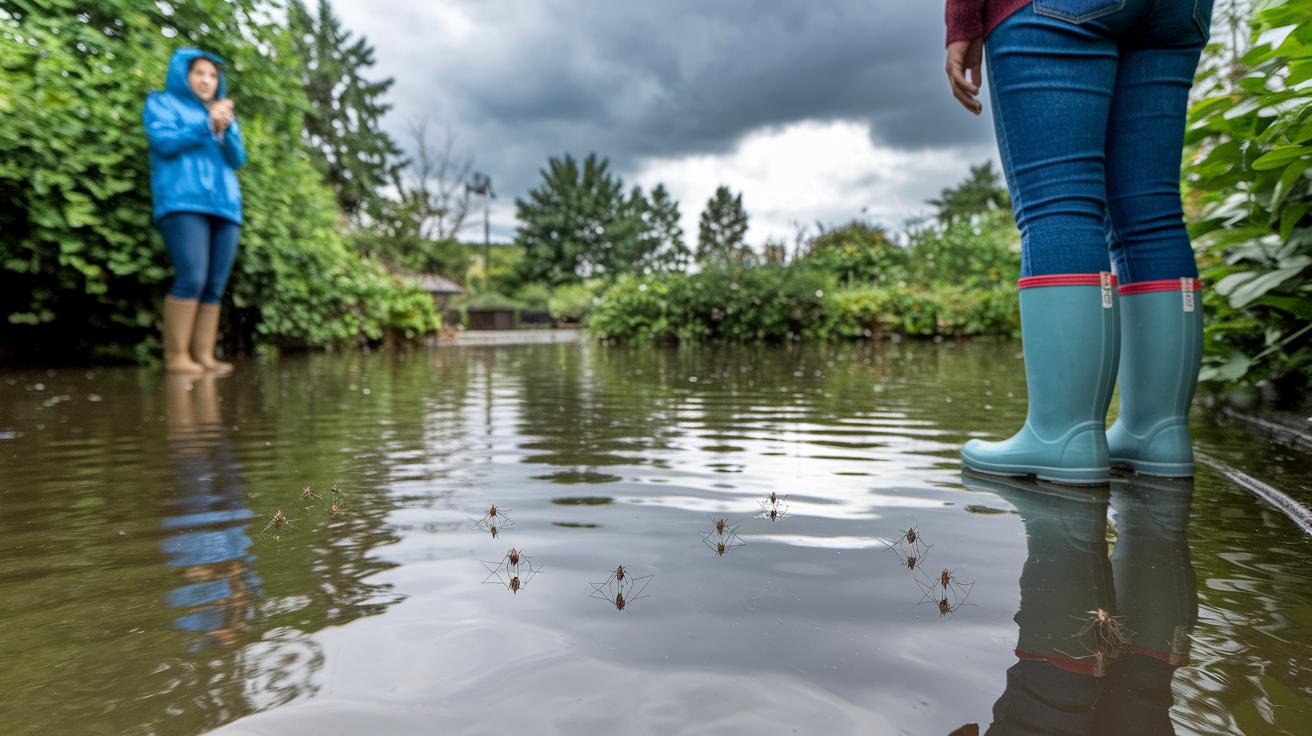
Rising temperatures, shifting rain patterns, and floods are making it easier for bugs like mosquitoes and ticks to move into new areas. These insects, which spread illnesses, now settle in places that used to be too cold. Imagine a garden that floods every spring, the extra water not only helps plants grow but also lets those pesky weeds take over. Similarly, floods create the ideal conditions for these bugs to breed faster.
Recent studies found that dengue fever cases have jumped by about 20% in places that used to have cooler weather. This change happens partly because floods shorten the breeding cycle of mosquitoes (the process of laying eggs and growing into adults), causing sharp peaks in disease outbreaks during certain times of the year. Even a small change in the weather can now turn an area into a hotspot for diseases that were once mostly seen in tropical regions. As these insects adjust to their changing homes, health officials are facing new challenges to track and control outbreaks.
Water and Food Security Challenges Influencing Health
Extreme heat and long dry spells are really putting a strain on our food and water. In 2023, almost half of the earth was hit by hot, dry weather. This rough climate pushed 151 million more people to struggle with food problems in 2022. When crops fail from these harsh conditions, communities get fewer harvests and broken food supply chains. This makes the risk of not getting enough to eat even higher, especially in already fragile areas.
Unpredictable rain only adds to the issue of water scarcity. With less water for irrigation (watering farms), crops take a hit, and the water we do have can become contaminated. Unsafe water leads to more cases of diarrhea and other illnesses spread by dirty water. Every day, people in these hit regions find it tough to keep up with a balanced diet and good hygiene.
Drought and malnutrition are closely linked. When essential nutrients are in short supply because harvests are poor and clean water is rare, communities face long-term health problems. The mix of unsafe water and poor nutrition creates a cycle that hurts our health, especially for children and the elderly.
- Impacted regions see a drop in food supplies and a shortage of clean water.
- Daily life becomes a tougher battle for survival due to these combined challenges.
We need to act fast. Improving water management and farming practices, and supporting vulnerable communities, can help break this cycle and keep people healthier in the long run.
Social Vulnerability and Mental Wellness in a Warming World
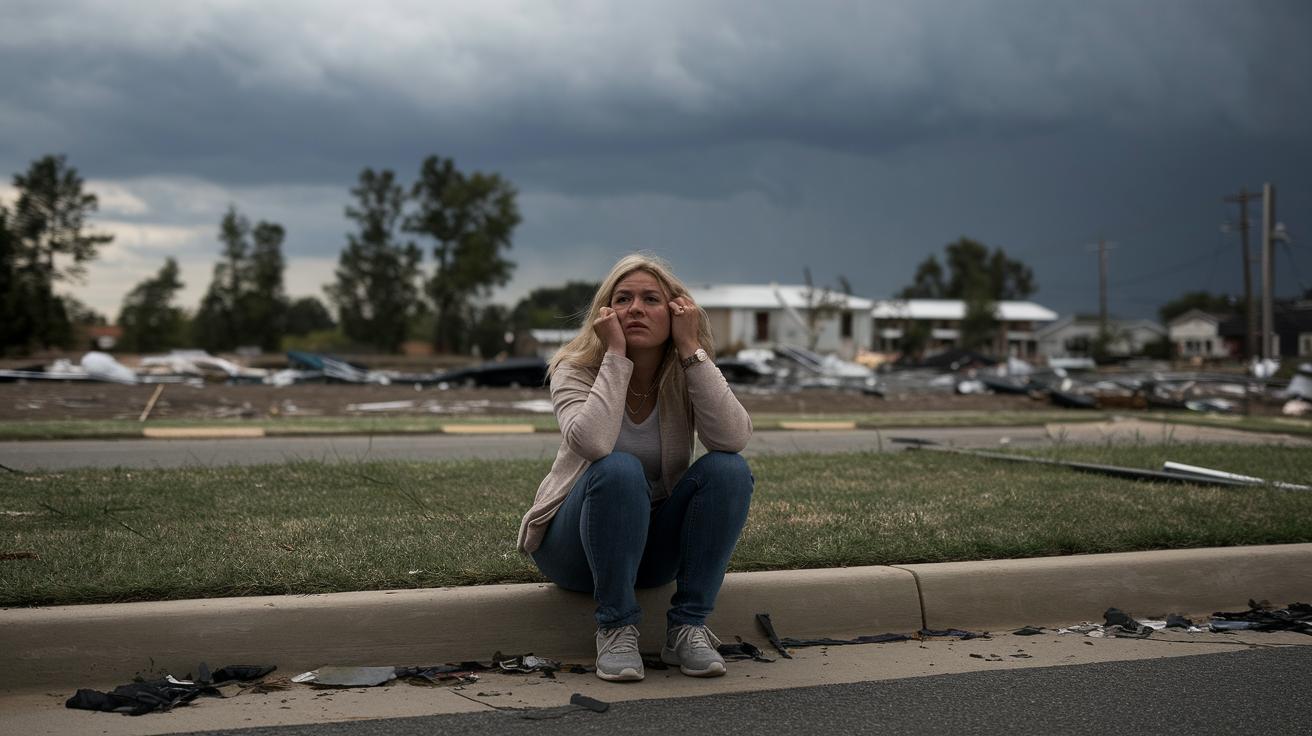
Extreme weather and changing climates hurt more than the body, they affect our minds and our daily lives too. Research tells us that almost 3.6 billion people living in at-risk areas suffer from being forced to move, feeling anxious, and battling depression after events like hurricanes, floods, and wildfires. These people, who have done little to cause these changes, end up facing the worst of the effects.
When a place is hit by a climate disaster, the visible damage is only part of the story. Losing a home or constantly facing uncertainty can really take a toll on mental health. Think about having to leave your house every time a storm rolls in. It would make you feel isolated and overwhelmed. In truth, climate change touches everyday life and mental well-being more than we often realize.
Mental health services are feeling the strain as more and more folks deal with stress and trauma from repeated extreme weather. In many areas, especially those with few resources, getting the support one needs is hard.
- Being forced to leave home can lead to feelings of loneliness and despair.
- The loss of economic stability because of environmental damage makes social problems even worse.
- Lack of proper mental health care means many people suffer quietly.
Communities hit by these events often struggle to bounce back without stronger support systems. This gap in care shows just how urgent it is to address the mental health effects and socio-economic challenges brought on by our warming world. Real progress will come when we have both compassionate policies and resilient communities ready to face these challenges.
Policy Action and Adaptation Strategies for Health Protection
Public health professionals are working hard to lessen how climate change affects our health. They keep a close eye on data (we call it surveillance), share risks clearly, and rely on proven policies to keep dangers in check. Communities and governments everywhere are using smart plans to protect us. For example, some have set up early-warning systems for extreme heat and are building stronger infrastructure to support us during tough times. These steps have really helped improve health outcomes.
In 2022, the UK’s NHS set a great example by passing a net-zero carbon law, aiming to stop emitting carbon by 2045. You can learn more about this move at what causes climate change. This law shows how well-thought-out policies can lead to a healthier sector and a cleaner environment. Other countries are following suit by establishing rules to provide safe drinking water and design communities that keep people safe.
Local leaders are also putting emergency response plans at the forefront. They are creating strategies to act fast during heatwaves and other climate crises so that help is ready when it’s needed most. Public health teams work side by side with local governments to keep these plans up-to-date, which helps communities bounce back quickly after disasters. Investing in clean water, modern health facilities, and timely communication all work together to lessen the impact of climate changes. Together, these efforts show how smart policies, careful planning, and community action can build a strong shield against health risks from our changing climate.
Future Projections and Research Needs in Climate and Health
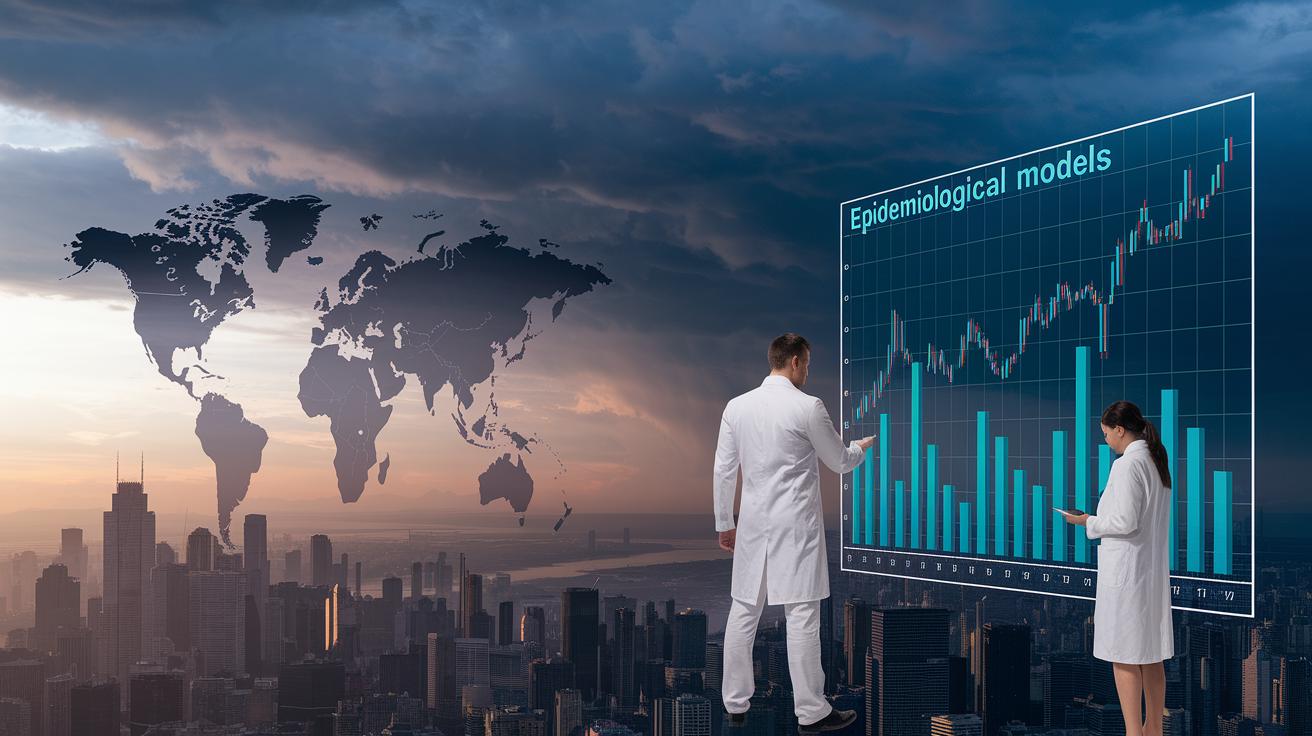
Climate change is speeding along, and things aren't looking good. Scientists believe that by the year 2100, our planet’s average temperature will likely go beyond the 1.5°C mark and could even hit as high as 3.1°C. This sharp rise shows just how important it is to improve the ways we protect human health from these changes. Recent numbers tell us that 10 out of 15 major health measures are at record high levels, and 745 million people are without electricity during extreme weather events, which exposes serious weaknesses in our defenses.
New methods like epidemiological modeling (which are tools that help predict disease trends) and weather-health analytics are becoming very important. These modern techniques let scientists watch the effects of global warming more carefully and notice shifts in disease patterns that warn us about new health risks. Every new piece of information helps fill in missing parts in our data, so our predictions better match what people really experience and public health policies can act faster.
Still, there are many things we don’t fully understand. Team efforts that mix climate science, public health, and fresh technology are making it easier to predict and get ready for issues like heat waves and breathing problems. With new observations and ongoing research breakthroughs, we’re learning more about both immediate and long-term health impacts caused by rising temperatures and tougher weather conditions.
Final Words
In the action of rising temperatures, worsening air quality, increased vector-borne illnesses, and water and food challenges, we see clear links between climate shifts and public health. The post highlighted how these factors add stress to our bodies and minds. We also noted how policy measures and ongoing research can help ease these effects of climate change on human health. With a focus on practical solutions and continued discovery, it’s all about building healthier, more resilient communities for our shared future.
FAQ
What are the effects of climate change on human health essay and negative impacts?
The effects of climate change on human health include rising temperatures, worsening air quality, expanded disease vectors, water and food shortages, and increased mental stress, all of which contribute to various health challenges.
How does climate change affect health and the environment, including diseases caused by it?
Climate change affects health by increasing heat stress, reducing air quality, and enabling the spread of vector-borne illnesses. It also harms the environment by disrupting natural cycles and resource availability.
What are the ten impacts of climate change on humans and the five key effects on health?
Climate change leads to multiple impacts such as heat stress, respiratory issues, vector-borne diseases, water and food insecurity, along with mental health challenges, which are often grouped into major categories in health studies.
How can climate change affect my health, and what are some documented diseases linked to it?
Climate change can affect your health by intensifying heat waves, worsening air pollution, and expanding regions for diseases like malaria and dengue, increasing risks of chronic and infectious conditions.
How bad will climate change be in 2050 in terms of health risks?
By 2050, climate change may lead to more frequent extreme weather events, greater exposure to pollutants, and expanded disease vectors, collectively heightening global health risks if actions to mitigate impacts are not increased.

