
Have you ever wondered why airplanes stay up in the sky? Engineers mix math, science, and creative thinking to build machines that fly safely and explore our world. They use ideas from fluid mechanics (that’s how air moves around objects), astrodynamics (which explains how things move in space), and computer modeling (using computers to predict real-life behavior) to design planes that work at their best.
In this post, we'll share some clear, fun facts that show how simple ideas and smart planning turn rough sketches into real flying machines. It's pretty amazing how creativity and science work together to make air travel possible, don’t you think?
aerospace engineering facts spark stellar curiosity
Aerospace engineering is all about designing, building, and testing vehicles that fly in our skies and travel into space. It mixes many science subjects such as how air moves over surfaces (fluid mechanics), how objects travel in space (astrodynamics), keeping things stable (control engineering), how we make strong yet light materials (materials science), and even programming that mimics flight (software development). With these ideas coming together, engineers build vehicles that are both safe and high-performing. Ever wondered what aerospace engineering really is? It’s a blend of math, science, and creative problem-solving that drives innovation.
The name “aerospace engineering” first popped up in 1958, the same year NASA was established. This marked a special time when flying and space exploration merged into one field. Experts from different areas teamed up to design machines that not only soar in the Earth’s air but also rocket into space. By combining lessons from airflow, structure strength, and computer modeling, these engineers helped make travel more efficient and space missions even bolder.
Today, aerospace engineering keeps pushing boundaries. Its mix of ideas improves flight safety and sparks creative designs. Whether it’s small upgrades to airplanes or giant leaps into space, this field continues to inspire curiosity in both professionals and enthusiasts alike.
Historical Aerospace Engineering Facts and Milestones
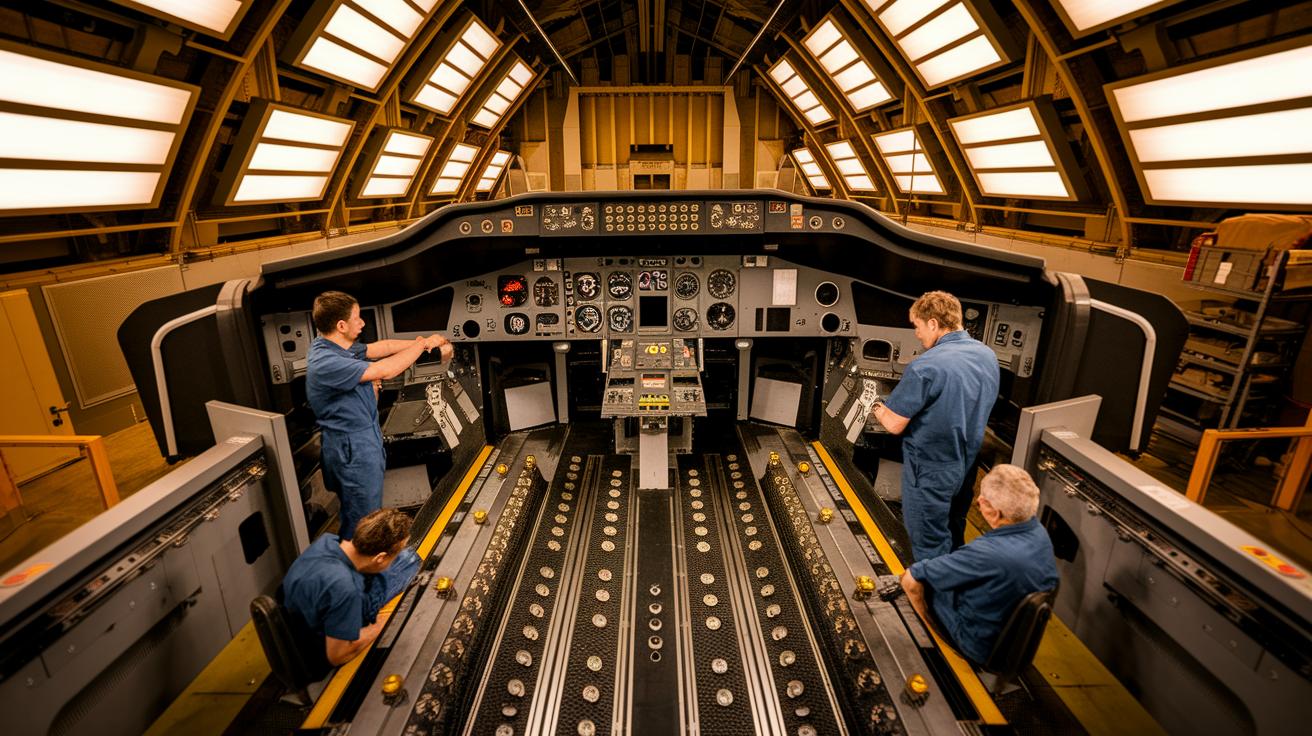
Back in 1958 when NASA was created, we began to see the word aerospace show up. This was a big moment in the history of flight because it brought together air and space travel. It marked the start of mixing science and engineering in ways that seemed almost magical.
Think about the Boeing 747-400 passenger jet. This plane is made up of around six million tiny parts. Out of those, about three million parts are fasteners (small bolts and screws that hold everything together). To help you picture it, most cars have roughly 30,000 parts. Imagine assembling a giant puzzle where every single piece matters, even that one tiny fastener helps keep the whole thing safe and sound. Isn't it crazy to think that even the smallest part plays such a big role?
Technological Advancements in Aerospace Engineering Facts
The International Space Station orbits Earth at about 250 miles high and zooms along at a whopping 17,500 mph, circling our planet in roughly 90 minutes. This modular space lab emerged from more than 30 missions involving five different space agencies. It’s a bit like assembling a 3D puzzle in space where every piece must click perfectly. Imagine a station that not only keeps people safe up there but also whirls around our planet in less than two hours. This smart design and careful setup are what keep the station running day after day.
High-speed flight is equally exciting. The SR-71 Blackbird, for example, once cruised at speeds near Mach 3.3 (about 2,200 mph). Military jets such as the F-22 Raptor and B-2 Spirit perform in-flight refueling at speeds over 300 mph using KC-135 tankers that have rigid-boom systems (tools that help connect jets for fuel transfer). Picture a jet rocketing through the sky at over 2,200 mph while another plane hovers perfectly close to refuel it. It’s like watching a coordinated high-speed dance in the air. These impressive feats highlight the importance of advanced propulsion (engine power systems) and exact aerial maneuvers in today’s aerospace missions.
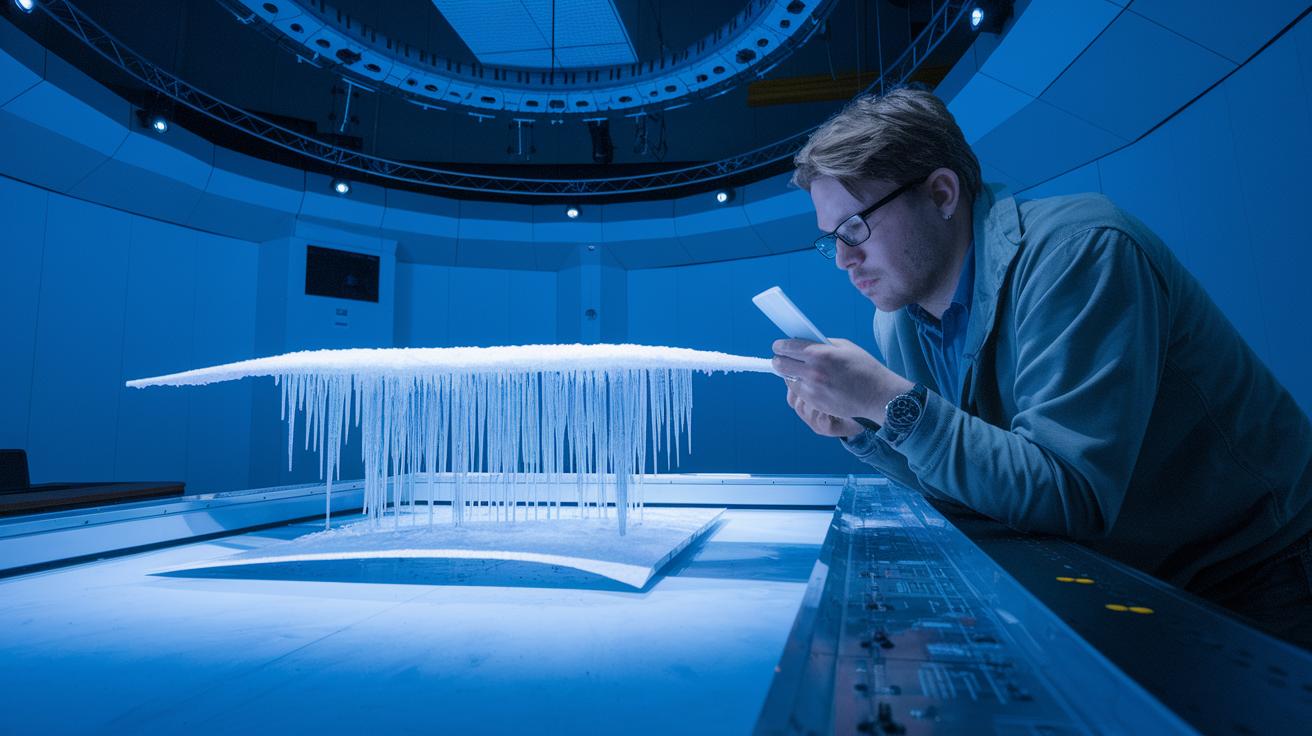
Airports have taken on the challenge of ice, too. They use a clever method combining heated glycol-and-water sprays with extra treatments to both remove and prevent ice buildup on airplane wings. Ice can change a wing’s shape, much like trying to run with slippery shoes, which reduces lift and adds extra drag. Thanks to these practical techniques, engineers help make sure that planes operate safely and efficiently, whether on the runway or up in the clouds.
Core Principles and Disciplines Behind Aerospace Engineering Facts
Aerospace engineering relies on proven science to guide new designs. It mixes ideas like fluid mechanics (the study of how air flows over surfaces) and astrodynamics (tracking movement in space) with control engineering, materials science, and smart simulation techniques. Advanced computer models help engineers see how small tweaks to a design can change how an aircraft flies.
Ice on a wing is a great example of these ideas in action. When ice builds up, its bumpy surface messes up the smooth flow of air, causing extra drag and lowering lift. Tests in wind tunnels and computer simulations have shown that even a light layer of ice can bump up drag by around 5% in important spots. In these simulations, engineers mimic how ice gathers in cold weather, giving them detailed insights beyond simple deicing methods.
This mix of technical study and hands-on testing helps fine-tune each design so that aircraft perform at their best.
Career Outlook and Salary Facts in Aerospace Engineering
Most jobs in aerospace engineering need you to have a bachelor’s degree, and many schools even offer courses focused on space to help you stand out. Whether you choose aeronautical or aerospace engineering, you’ll need a strong grasp of math and science. Have you ever wondered what makes these paths different? Check out the link on aeronautical vs aerospace engineering for a clear breakdown of career options and degrees. This solid education really prepares you to make a difference in flight technology.
The Bureau of Labor Statistics tells us that aerospace engineers earn about $107,830 a year on average. With more people flying and new satellite and space exploration projects emerging, the demand for these professionals is rising quickly. As fresh projects and cool new tech come along, companies are on the lookout for grads ready to jump into fast-paced, innovative work.
These promising opportunities and competitive salaries make aerospace engineering a top choice for new talent.
Future Trends and Innovations in Aerospace Engineering Facts
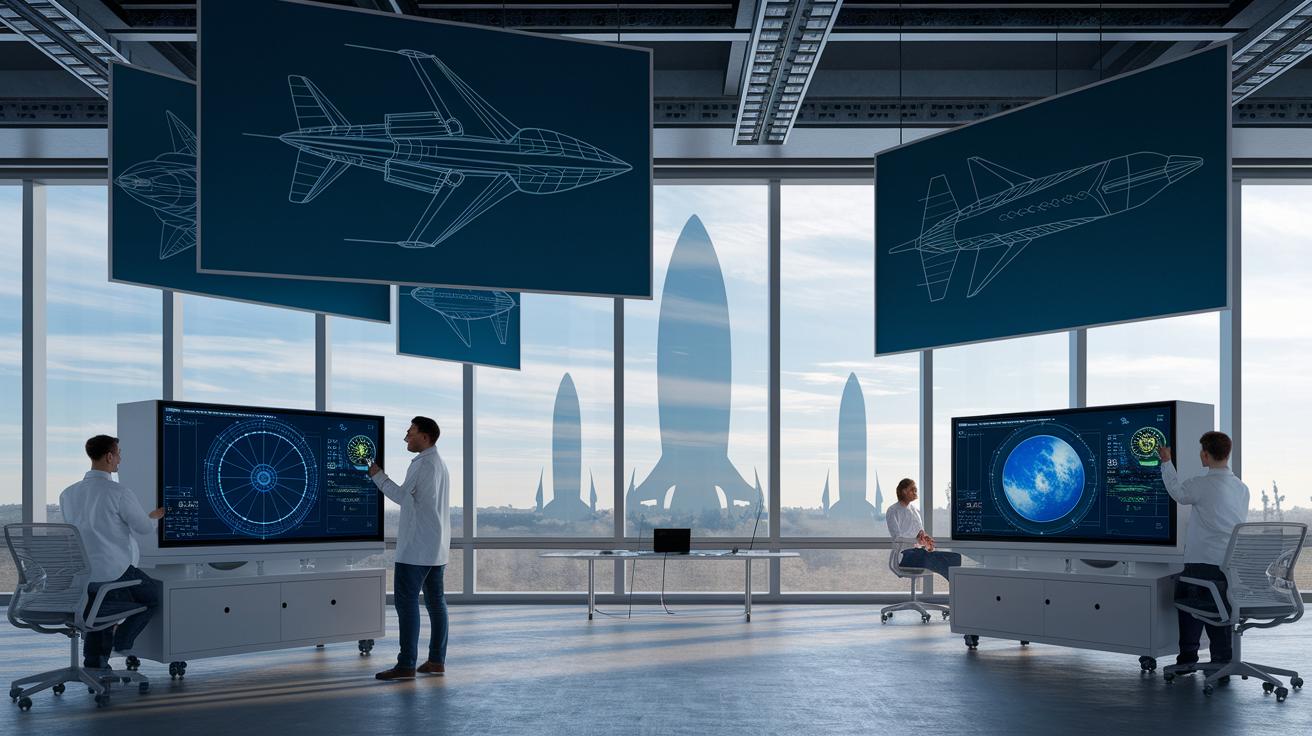
New tech in aerospace is completely changing how we fly and venture into space. Astronauts depend on radio-wave communications (using invisible radio signals) to cut through the quiet of space, while cool sensors work hard to pick up cosmic signals, almost like discovering the hidden music of the cosmos.
Researchers are now using digital simulations that work like a wind tunnel on your computer. Picture it: you're watching how air swirls around an object and helps make designs even better. At the same time, scientists are crafting eco-friendly materials to create lighter airplane bodies that use less fuel and produce fewer emissions. New propulsion systems (methods to push vehicles forward) are also being developed to lower the impact on the environment while boosting performance. Imagine a time when space travel is greener and more efficient. It’s pretty exciting to think about what lies ahead.
Engineers are putting a big focus on sustainable aviation, which means finding more planet-friendly ways to fly. Research continues to find ways to cut harmful emissions, making sure that future flights not only soar high but also care for our Earth.
Final Words
In the action, we covered aerospace engineering facts from the basics to groundbreaking innovations. We explored its origins, impressive milestones like the Boeing 747-400, and today's technological breakthroughs in high-speed flight and in-orbit operations.
We also looked into the core principles driving the field and the rewarding career paths it offers. With future trends shaping eco-friendly and smarter designs, the world of aerospace continues to fascinate and inspire. The sky is truly not the limit!
FAQ
What are some fun facts about aerospace engineering?
The fun facts about aerospace engineering reveal how the field blends design, technology, and mass production. For instance, a Boeing 747-400 has millions of parts, and engineers use creative solutions to solve complex flight challenges.
What is the aerospace engineering salary?
The aerospace engineering salary typically averages around $107,830 annually, reflecting the field’s high level of technical expertise and the growing demand for advanced design and research in aviation and space exploration.
How do you become an aerospace engineer and is it hard?
Becoming an aerospace engineer usually means earning a bachelor’s degree and building robust math and science skills. Although the coursework can be challenging, many find the work rewarding thanks to the innovative and fast-paced environment.
What education is needed and what jobs are available in aerospace engineering?
Aerospace engineers typically need a bachelor’s degree in aerospace or a related field. Jobs range from designing and testing aircraft and spacecraft to focusing on research, with opportunities at companies like NASA and private aerospace firms.
What are five things aerospace engineers do?
Aerospace engineers design aircraft and spacecraft, test flight prototypes, analyze aerodynamic performance, solve fluid dynamics problems, and implement safety measures to ensure proper lift and controlled flight.
Who was the first aerospace engineer?
The term “aerospace engineering” emerged with NASA in 1958, and rather than a single first engineer, several aviation pioneers contributed ideas that laid the groundwork for this combined field of air and space technology.