
Have you ever thought that climate change might lead to some unexpected ideas? The earth is getting warmer and the weather is changing, which makes us look at our energy and technology in a new light. As our planet heats up (that is, as it becomes warmer), landscapes shift and everyday routines get disrupted. Inventors are now coming up with smart, earth-friendly ideas to help us adjust. Today, these green solutions offer a hopeful way to provide power in a cleaner, more sustainable way.
Comprehensive Impact Analysis of Climate Change
Our climate is changing, and it touches every part of our lives. The Earth has warmed by about 1.1°C (a bit more than a degree) since times before big factories and modern transportation. This warming mostly happens because we use energy for homes, travel, and many other daily activities. Even animals like cows play a role, with some studies showing they may add up to 51% of certain emissions (gases that trap heat in our atmosphere). If you’re curious about the basics, check out what is climate change (https://buzzyandclever.com?p=1660) for an easy explanation.
This steady warming is affecting nature in real ways. Many plants and animals are having a hard time keeping up, and nearly 30% of species might vanish if things don’t change. We rely a lot on fossil fuels (coal, oil, and gas) for energy in industries and transport, which sends plenty of these heat-trapping gases into the air. As the Earth heats up, it also scrambles up our usual weather patterns and seasonal rhythms. This change shakes up farming, forests, and places where wildlife live, showing just how deeply connected our actions are with the health of our planet.
Big storms and wild weather events remind us of how climate change can cause serious trouble for communities and economies. In 2019 alone, the United States faced six major disasters, each costing over $1 billion. Even the U.S. Department of Defense has warned that rising temperatures, extreme weather, and uneven rainfall can jeopardize national security. These challenges have pushed industries and governments to seek out cleaner, smarter ways to use energy, like developing new technologies and greener practices that help cut down on harmful emissions and lessen our reliance on fossil fuels.
Environmental Shifts and Biodiversity Loss from Climate Change
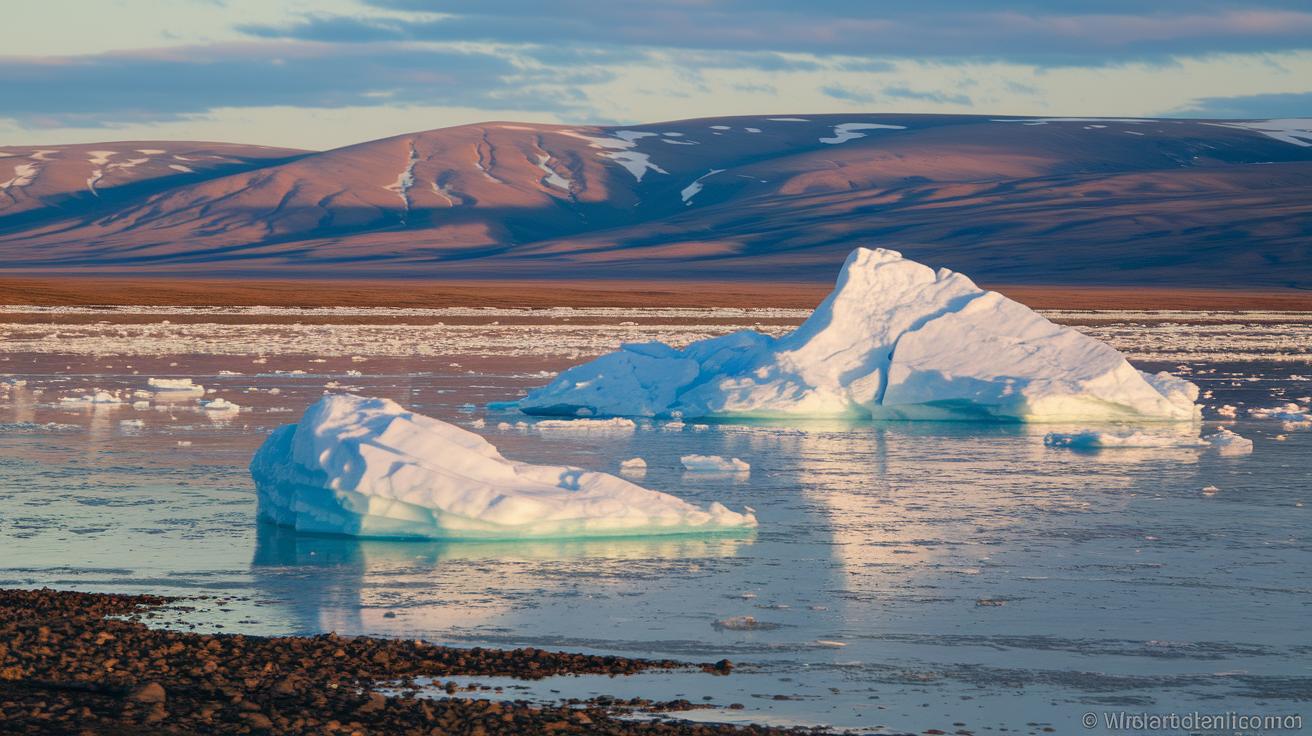
Our planet is changing fast, and these changes touch every part of nature. The Arctic is warming twice as quickly as the rest of the world, and ice in places like Greenland and Antarctica is melting about 30% faster since 1979. This rapid melting speeds up the rise in sea levels. NOAA (the U.S. agency that watches the oceans) says sea levels might go up by at least 8 inches by 2100. That extra water can endanger coastal wetlands and the many creatures that call them home.
Meanwhile, our oceans are soaking up more carbon dioxide. This extra gas makes the water more acidic and can throw off how shellfish (clams, oysters, and the like) grow their shells. It also disrupts the marine food chain that many species rely on for survival. Coral reefs, which light up the ocean with vibrant colors, are especially at risk from warmer seas that lead to widespread bleaching. These changes upset nature's balance and hurt communities that depend on these natural systems for food and protection.
Coastal erosion and habitat loss mean that countless species now have fewer safe spots to feed, breed, and take shelter. This widespread loss of habitat sends ripples through the ecosystem, making it urgent to find green innovations to protect and rebuild these fragile environments. Green technology and eco-friendly policies are emerging as key ways to reduce further damage while helping nature recover.
Key environmental challenges include:
- Accelerated polar ice melt rates
- Rising sea levels and increased flooding
- Ocean acidification that disrupts marine life
- Large-scale coral bleaching events
- Declining wetlands and freshwater habitats
- Loss of vital nesting and breeding areas
Extreme Weather Events and Precipitation Trends under Climate Change
Climate change is making our weather more extreme, and our lives are feeling the impact. Have you ever noticed how heatwaves break records and make it almost impossible to cool off? In 2003, Europe experienced a historic heatwave, and more recently, Switzerland faced a similar ordeal in 2022. These events show that human-caused warming has ramped up the risks by much more than 90%. And it's not just the heat. Since 1981, the number of marine heatwaves (when the ocean gets unusually warm) has jumped by over one-third, startling both scientists and communities.
Wildfires are another big worry. In the United States, data shows that wildfires have doubled since 1984. California alone saw its burned area spike by 500% from 1972 to 2018. Over in Australia, the devastating bushfires of 2019-20 were made even worse by record-breaking high temperatures. These trends help us see the clear link between an ever-warming planet and more uncontrollable fires.
Storms, too, are changing. Take Hurricane Harvey in 2017, for example. It poured down about 275 trillion pounds of rain, a clear sign that warmer sea surfaces are fueling storms to become wetter and more intense. And then there are droughts and floods, two sides of the same coin. The Western U.S. recently had its worst 22-year dry period in over 1,200 years. In Pakistan, 2022 brought massive floods that covered nearly one-third of the country. Such surprises in water patterns put both nature and our buildings under a lot of stress.
With these crazy weather swings, it’s no wonder that experts are pushing for green innovations. New technology is on the rise, from advanced systems that track weather changes to precision irrigation tools that help save water. Cities are rethinking how they plan buildings, and even firefighting techniques are getting a modern, tech-savvy twist to better adapt to these extreme conditions. These thoughtful, sustainable solutions look promising as we work together to protect our communities, our jobs, and our way of life, even as our climate keeps changing.
| Event Type | Recent Example | Attributable Risk Increase |
|---|---|---|
| Heatwaves | Europe (2003), Switzerland (2022) | >90% (human-caused warming) |
| Wildfires | U.S. doubling (since 1984), California (500% increase) | Significantly higher risks |
| Storm Intensification | Hurricane Harvey (2017) | Huge rainfall increase |
| Droughts and Floods | Western U.S. megadrought, Pakistan floods (2022) | Big changes in water patterns |
Agricultural and Water Resource Impacts of Climate Change
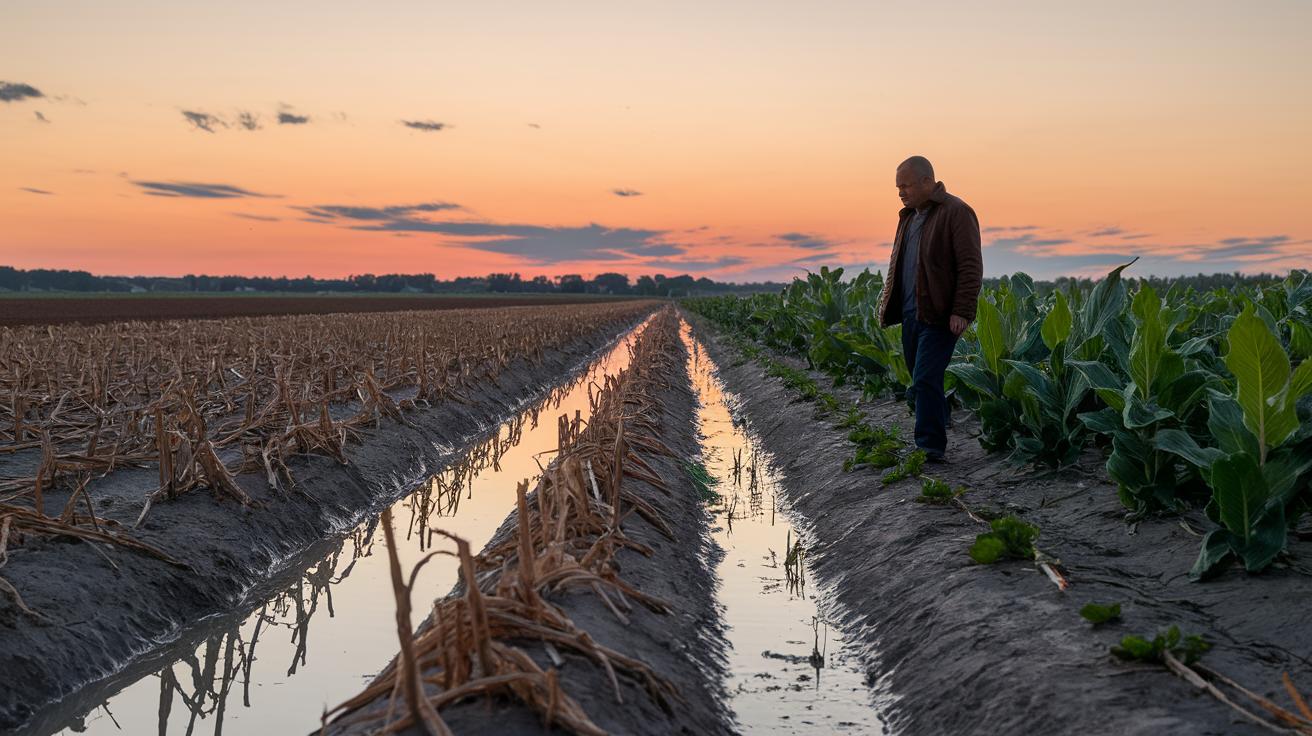
The warming climate is making growing seasons unpredictable, and farmers are feeling the pinch with lower crop yields. Sudden frosts and unexpected heat waves are shrinking harvests and stressing food supply systems. With global food demand expected to jump 70% by 2050, farms already battling erratic weather are under even more pressure. This means communities have to rethink old farming methods and try innovative techniques to protect their crops.
Rising temperatures are also drying out our water supplies. As the heat increases, so does our water need, and places like the American West are facing one of the worst droughts in over 1,200 years. This severe dryness not only cuts down on water for irrigation but also reduces the soil’s ability to hold moisture, key for strong crop growth. Unpredictable rain and intense heat even harm the tiny microbes (small living things in the soil that help plants grow) that keep the soil healthy, making it harder for plants to soak up nutrients.
There’s a silver lining, though. Sustainable farming offers promising solutions. By adopting practices that lock carbon in the soil and using efficient irrigation systems, farmers can cut emissions and use water more wisely. New innovations like precision irrigation tools, which tailor water to each plant’s needs, help conserve water while supporting crop growth. With these smarter approaches, farmers can better navigate the challenges of today’s unpredictable weather and build stronger, more resilient farms.
Human Health and Socioeconomic Effects of Climate Change
Rising global temperatures are really affecting our health. The World Health Organization says that between 2030 and 2050, climate change might cause about 250,000 extra deaths each year. These deaths could be from malnutrition, heat stress (when your body struggles to cool down), and diseases spread by insects. Wildfire smoke and smog are already making it hard for many to breathe, worsening lung and heart issues. When the air quality drops, our bodies feel the pressure, especially in places where people already face health challenges.
Communities with fewer resources often suffer the worst. People in low-income areas usually don’t have easy access to good healthcare or air conditioning, making them more vulnerable when temperatures soar and the air turns nasty. As heat waves get stronger and food and water become harder to find, these regions might face even more health problems and higher costs to adapt. Even a small jump in temperature during extreme heat can lead to more people ending up in hospitals, putting extra strain on local health services.
Changing climates are also forcing many people to move. With water supplies drying up and food becoming harder to grow, more than 140 million people could be displaced by 2050. As ecosystems shift, diseases like malaria and dengue (illnesses carried by insects) might reach areas that have never seen them before. When migration pressures rise, social and economic gaps widen, leaving policymakers with the tough task of keeping everyone safe and healthy in a warmer world.
Economic and Infrastructure Vulnerabilities to Climate Change
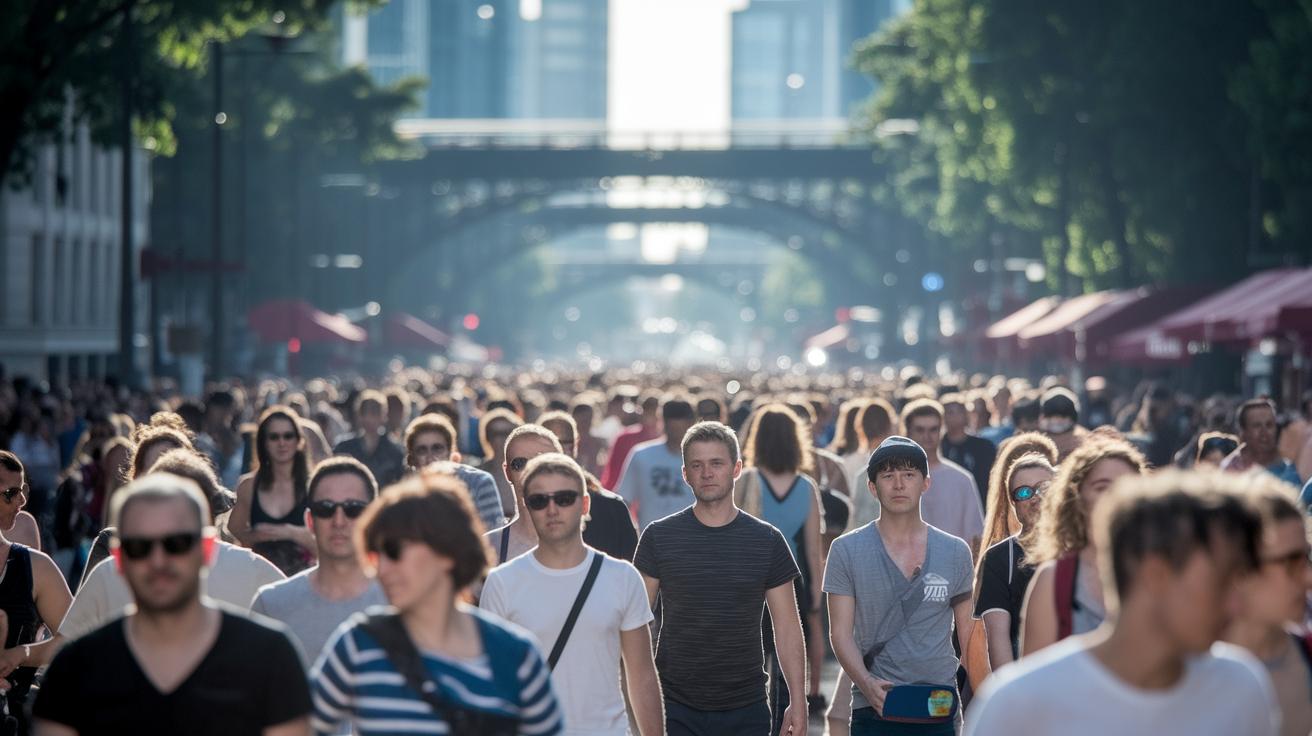
The worsening climate is cutting down our economy's productivity. Experts say that by 2100 the U.S. might lose up to $500 billion every year. Extreme weather like heavy floods and severe heat is damaging our roads, bridges, and water systems. These damages lead to expensive repairs and shake up our everyday lives. As a result, many communities are stuck with weak infrastructure that slows down transportation and communication, causing wider financial and social problems.
More people needing cool air means higher energy bills and puts stress on power grids. With hotter days becoming the norm, air conditioners work extra hard, using lots more energy. This not only pressures household budgets but also tests the reliability of our power systems. As cities grow and more people move in, checking and strengthening our infrastructure has never been more important.
Emergency services are feeling the strain from the heavy workload caused by natural disasters. City planners are now focusing on ways to help communities bounce back quickly by better preparing emergency teams and building stronger infrastructure. Both the public and private sectors are pouring more money into these ideas, especially since global funding for adaptation could hit trillions of dollars by 2030. These efforts are vital to ensuring that our economies keep working even during extreme weather, while helping to cut down long-term disruptions to daily life.
Mitigation and Adaptation Strategies for Climate Change Effects
Around the world, many countries are taking steps to cut down harmful emissions. They are following national plans inspired by the Paris Agreement. Governments have set net-zero goals and are updating laws to lower greenhouse gases and encourage cleaner ways of doing business. Even individuals can help by using tools like the Terrapass Flight Carbon Calculator to check and reduce their own carbon footprints. At the same time, public and private groups are teaming up to invest in green energy projects that promise a cleaner future.
Renewable energy is slowly replacing fossil fuels everywhere. Clean energy sources help us move away from polluting fuels while keeping our economies strong. Simple ideas like putting a price on carbon make companies think about the real cost of their emissions. This method nudges businesses to adopt sustainable practices in everyday operations. In truth, these market strategies work together with government policies to help everyone meet carbon goals without losing economic momentum.
Large-scale projects are also playing a key role in these changes. Big efforts like planting trees and restoring wetlands are natural ways to capture CO2 and protect wildlife. Programs such as the UN Adaptation Fund send much-needed help to communities facing tough climate challenges. Meanwhile, partnerships between public groups and private investors are building stronger plans to protect vulnerable areas. These steps, from green energy projects to reforestation, show how we can all work together to adapt to a warming world.
Final Words
In the action of exploring the effects of climate change, we saw how rising temperatures, shifting weather patterns, and habitat changes touch every aspect of our lives. This article brought together key insights from environmental shifts and extreme weather to health challenges and economic risks.
We also looked at measures like cleaner energy and smarter agriculture, which shine a positive light on our future. Together, these ideas help us build a clearer picture of how each step can lead to a safer, healthier world.
FAQ
Q: What are the negative effects of climate change on humans and the environment?
A: The negative effects include extreme weather events, rising sea levels, health issues like heat stress and respiratory irritations, biodiversity loss, and economic challenges stemming from reduced agricultural yields and costly disasters.
Q: What causes climate change?
A: Climate change is primarily driven by human activities such as burning fossil fuels for electricity, heat, and transportation, along with certain agricultural practices that release greenhouse gases into the atmosphere.
Q: What are the major impacts of climate change?
A: Major impacts of climate change include more frequent heatwaves, intense storms, heavy rainfall causing floods, prolonged droughts, wildfires, and a steady loss of biodiversity, all of which disrupt human lives and natural ecosystems.
Q: How severe will climate change be by 2050?
A: Projections indicate that by 2050, climate change will lead to more frequent extreme weather events, significant economic losses, heightened health risks, and worsening water and food security if no strong measures are taken.
Q: What does a climate change drawing typically illustrate?
A: Such drawings often depict warming trends, melting ice caps, rising seas, and intensified storms, visually demonstrating how human-driven emissions affect our environment and contribute to global risks.