
Have you ever wondered what happens when heavy heat, fierce storms, and shifting seasons force nature to change? Rising temperatures and extreme weather push animals, plants, and even whole habitats to adjust fast, moving to cooler spots or searching for new food sources.
Climate change makes nature reinvent itself in ways we might not expect. Plants and creatures show surprising strength as they adapt to new conditions, even when their surroundings are completely reshaped. It really makes you think: can our world bounce back when every change transforms life as we know it?
Comprehensive Overview of Ecosystem Effects from Climate Change
Climate change is a big threat to natural habitats, wild animals, and people. Extreme weather like droughts, storms, and heat waves is getting worse. It’s kind of like a heavy rain that suddenly washes away a fragile edge of a forest. For a simple explanation, check out What is Climate Change?. In some areas, weather shifts so quickly that nature has to rebuild in just a few seasons.
Rising sea levels are slowly eating away at coastal wetlands and salt marshes. In places like Greenland and the Arctic, melting glaciers shrink the spaces that ice-loving animals depend on. As the land disappears and ice vanishes faster than it can form, both wildlife and local communities face greater risks. Warmer ocean water is also affecting coral reefs, causing many species to move to new areas as their familiar homes change.
On both land and in the water, the effects of climate change are connected. Warmer temperatures on land dry out the soil and upset the balance of nutrients, which makes it harder for plants and animals to thrive. In the ocean, higher temperatures disturb coral ecosystems, leading to changes in where species live and how they interact. These local changes can spread and affect entire food webs. In the end, these shifts remind us that human and natural systems depend on each other, and a change in one spot can send ripples throughout our entire world.
Regional Patterns of Global Warming Ecosystem Disruption

Across the globe, warming is making life in nature change in surprising ways. Temperature and weather shifts are upsetting both land and sea, turning familiar habitats into places where animals and plants must adjust or risk disappearing.
On land, many creatures are reacting to rising heat. For example, European butterflies have shifted their homes 114 km to the north between 1990 and 2008 as they search for cooler air. In Arctic areas, the warming happens faster than the usual global pace, causing frozen ground (permafrost) to thaw quickly and disrupt plant life and soil strength. And over in the ocean, the story’s similar. Warmer sea surfaces have led to huge coral bleaching events along the Great Barrier Reef, robbing these reefs of their brilliant colors and bustling marine life. Even in coastal Louisiana, the land erodes at a dizzying rate, about the size of a football field every 45 minutes, hurting both nature and local communities.
Every region faces its own challenges as climate pressures grow. Land-based changes, like moving butterflies and fast-melting permafrost, show how nature must adapt or face decline. Ocean habitats, too, are vulnerable, with warming seas turning colorful corals pale and coastlines fragile. No matter where you look, the risk of climate change only gets higher as it disrupts the natural balance everywhere.
Biodiversity Decline from Climate Change Impacts on Ecosystems
Rising temperatures put pressure on species all over the world. Scientists say that nearly 8 percent of animal species are at risk of disappearing just because of climate change. This is very dangerous because even small changes in temperature can throw nature's balance off.
One clear example is the 2019 Cairns heatwave, when temperatures soared to 42 °C (108°F). During that extreme event, a surprising 33 percent of spectacled flying foxes (a type of fruit bat) didn’t survive. The sudden spike in heat disrupted their daily routines and stressed their bodies beyond what they could handle. This shows how extreme heat events can quickly push species too close to danger, wiping out whole groups of animals in just a short time.
Animals like the African Elephant, Giant Panda, Monarch Butterfly, Polar Bear, and Sea Turtle are facing bigger challenges today. Their natural homes are shrinking, and food chains are breaking apart, adding more risk as the environment grows harsher.
In short, high temperatures lead to the loss of habitats and the breakdown of food webs (the natural networks that link species together). When nature’s balance is upset, stress spreads throughout every part of an ecosystem. Every species’ struggle adds up to a big drop in biodiversity (the variety of life on Earth), showing how even small shifts in climate can start a chain reaction that threatens life on our planet.
Habitat Degradation from Marine and Freshwater Temperature Shifts
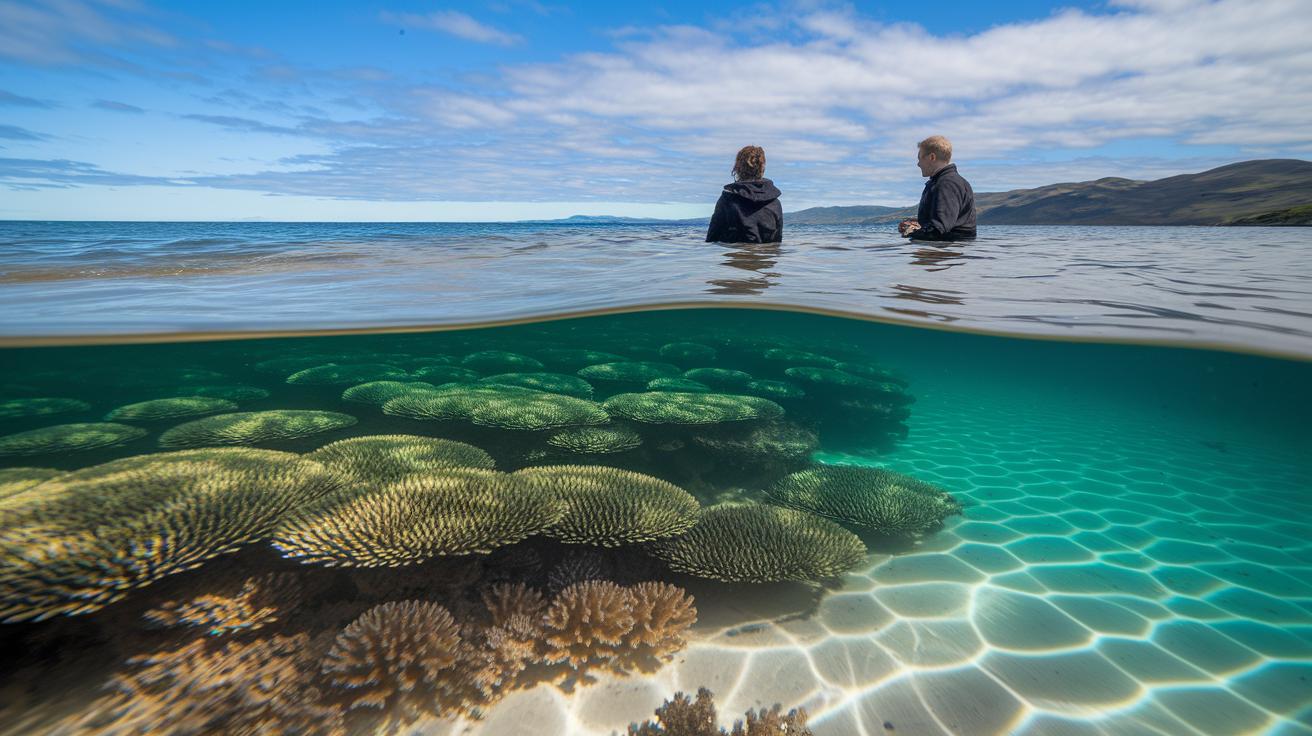
Water getting warmer changes life in our water systems in different ways. In the oceans, warmer water leads to problems like coral losing its color (coral bleaching) and salty water moving into areas where it usually doesn’t belong. Freshwater places, like lakes and rivers, feel it too. When the water warms, it forms layers instead of mixing well. This means that oxygen from the top doesn’t reach the deeper parts, dropping oxygen levels by around 20 percent during the summer and stressing out fish and other creatures.
Freshwater habitats face challenges that are distinct from the ocean. With less oxygen mixing in, the natural balance in lakes and rivers changes, making life harder for many species.
| Ecosystem Type | Key Impact | Example Data |
|---|---|---|
| Marine Reefs | Coral bleaching and habitat changes | See previous details |
| Coastal Wetlands | Land erosion and saltwater moving inland | See marine analysis |
| Freshwater Lakes | Stronger layering and oxygen drops | Oxygen falls by 20% in summer |
Warming waters hurt freshwater areas directly. It changes the mix of oxygen and makes the water layers more distinct, which can really stress the species that depend on a balanced environment.
Mechanisms Driving Ecosystem Alterations Under Climate Change Impacts
Climate change heats up our world, and that extra warmth causes subtle changes in how nature works. Warmer oceans make the water more acidic (meaning it has more acid mixed in), which makes it hard for creatures that build shells to do their thing. On land, the heat affects soil moisture and the way nutrients travel through it, kind of like a dance that suddenly speeds up. Also, as glaciers melt, fresh water flows change and carry sediment farther down rivers, altering their familiar paths.
Altered Phenology and Life Cycles
Seasonal patterns are shifting in unexpected ways. Plants now blossom earlier, and animals head for cooler spots sooner. Imagine walking by a garden in early spring and seeing daffodils blooming well ahead of schedule, it’s a sign that nature is trying to keep up with the fast pace of change. But when plants bloom too early or birds set off before there’s enough food, it can throw off the natural cycle of life.
Shifts in Species Interactions
Rising temperatures can change who eats whom and how species compete. Some creatures adjust quickly while others lag behind, shifting age-old relationships. Picture insects hatching earlier and birds having to tweak their nesting schedule to catch them, it makes finding food and space even tougher in a warming environment.
Changes in Biogeochemical Cycles
The basics of life, carbon, nitrogen, and phosphorus, are constantly being recycled in nature. Warmer conditions speed up soil processes and may even cause permafrost (frozen ground) to thaw, which upsets this natural recycling system. Even small tweaks in these cycles can send ripples through an ecosystem, making it harder for nature to bounce back.
Together, these changes push ecosystems to adapt quickly or face long-lasting challenges as our planet continues to warm.
Adaptive Strategies for Ecosystems Facing Climate Change Impacts

Ecosystem managers are putting new ideas into action to help nature adjust to our warming planet. They’re noticing that as climates change, natural places and the creatures living there face extra challenges. In response, they’re working on plans that build stronger habitats, link separated areas, and breathe new life into damaged ecosystems. For more ideas on similar projects, check out Mitigation Climate Change Strategies.
Enhancing Habitat Connectivity
One helpful method is creating wildlife corridors that serve as natural bridges between different habitat patches. These corridors let animals travel safely from one spot to another, reducing isolation and keeping populations strong. It’s a bit like connecting scattered pieces of a puzzle to form a complete picture. By linking small, separated areas into a larger, continuous habitat, managers help animals swap genes and strengthen their chances to survive. In short, these corridors not only guide animals to food and shelter but also protect them from the rising risks of extreme heat and other stresses.
Assisted Migration and Restoration
In some areas, the local environment has become so tough that moving from one place to another might be the best chance for survival. That’s why managers are experimenting with assisted migration, like relocating tree species that struggle during droughts. Alongside this, efforts to restore key environments, such as reforesting wetlands and reviving damaged lands, help control floods and lock away extra carbon. These projects create safer spots for species battling heat stress and help jumpstart the recovery of entire ecosystems.
Together, these hands-on strategies offer a hopeful path for caring for our natural world as it adjusts to a changing climate.
Final Words
In the action of exploring ecosystem disruptions, we've seen how rising temperatures, shifting species, and habitat troubles affect both land and water. Small changes in nature spark significant impacts as climate change impacts on ecosystems by reshaping where animals live and how plants grow.
We also learned about smart fixes like connecting habitats and restoring wetlands to help nature bounce back. There's hope in these practical steps, nature really can keep moving forward.
FAQ
How does climate change affect ecosystems and biodiversity, and which ecosystems are most affected?
The climate change stresses ecosystems by warming habitats, shifting species ranges, and triggering extreme events. Coastal wetlands, Arctic areas, and coral reefs are especially at risk, reducing biodiversity and altering natural processes.
What are the 10 major effects of climate change?
The climate change brings rising temperatures, melting ice, shifting weather patterns, higher sea levels, extreme storms, habitat loss, altered species ranges, changes in water availability, degraded soil quality, and reduced air purity.
How does climate change affect human communities?
The climate change challenges human communities by increasing heat stress, provoking severe weather, straining food and water supplies, and heightening health and economic risks, all of which lower quality of life.
How do changes in ecosystems from climate change affect the environment?
The climate change-induced shifts in ecosystems weaken services such as water filtration, pollination, and carbon storage, disrupting air quality, soil health, and the overall balance needed to sustain life.
Where can I find climate change ecosystem impact information in PDF or PowerPoint formats?
The climate change ecosystem impact information is available in PDF and PPT files that offer clear visuals and concise summaries, making it easy to understand the effects on nature for education or presentations.