
Have you ever thought that science could actually help save our planet? Recent breakthroughs show us clever, new ways to protect nature and cut pollution. For example, flexible solar cells are now outperforming old panels, and smart computer programs can detect deforestation (when too many trees are cut down) before it gets worse. Next, look at the amazing drone footage that gives us a bird’s-eye view of Earth, and the tiny microbes that help clean our soils. All of these innovations mix together to give us real hope for the future of our world.
Major Science Breakthroughs Advancing Environmental Conservation
Scientists are turning big ideas into real solutions for our planet. One exciting example is the perovskite solar cell. These new cells work better than regular silicon panels, reaching over 25% efficiency, while staying flexible and low-cost. Imagine being able to install solar panels on curved surfaces in cities or on the go. It really opens up a whole new world of clean energy solutions.
In nature research, clever technology is working hand in hand with careful data gathering. Take Terra-i’s AI program, for instance. It looks at live satellite pictures of greenery and checks them against rainfall forecasts to spot signs of deforestation early. And then there are drones that fly over hard-to-reach habitats, giving us stunning views and steady information about the land. Plus, tools like advanced DNA analysis help us learn what animals are eating and understand their genetic makeup. Scientists are even using engineered microbes (tiny living helpers) to clean up polluted soils.
| Breakthrough | Description |
|---|---|
| Perovskite Solar Cells | Flexible and low-cost cells that beat traditional silicon panels with over 25% efficiency |
| Terra-i AI | Analyzes live satellite images with rainfall models to provide early warnings for deforestation |
| Drone Aerial Monitoring | Gives us real-time, stunning views of habitats that are hard to reach |
| Advanced DNA Analysis | Shows what wildlife eats and reveals details about their genes |
| Engineered Microbes | Uses tiny living helpers to clean up contaminated soils (bioremediation) |
These breakthroughs not only solve tough environmental challenges but also inspire a new wave of sustainable ideas. If you want to see more about the latest innovations, check out the recent science updates at Buzzyandclever.
Renewable Energy Science Breakthroughs for Environmental Conservation
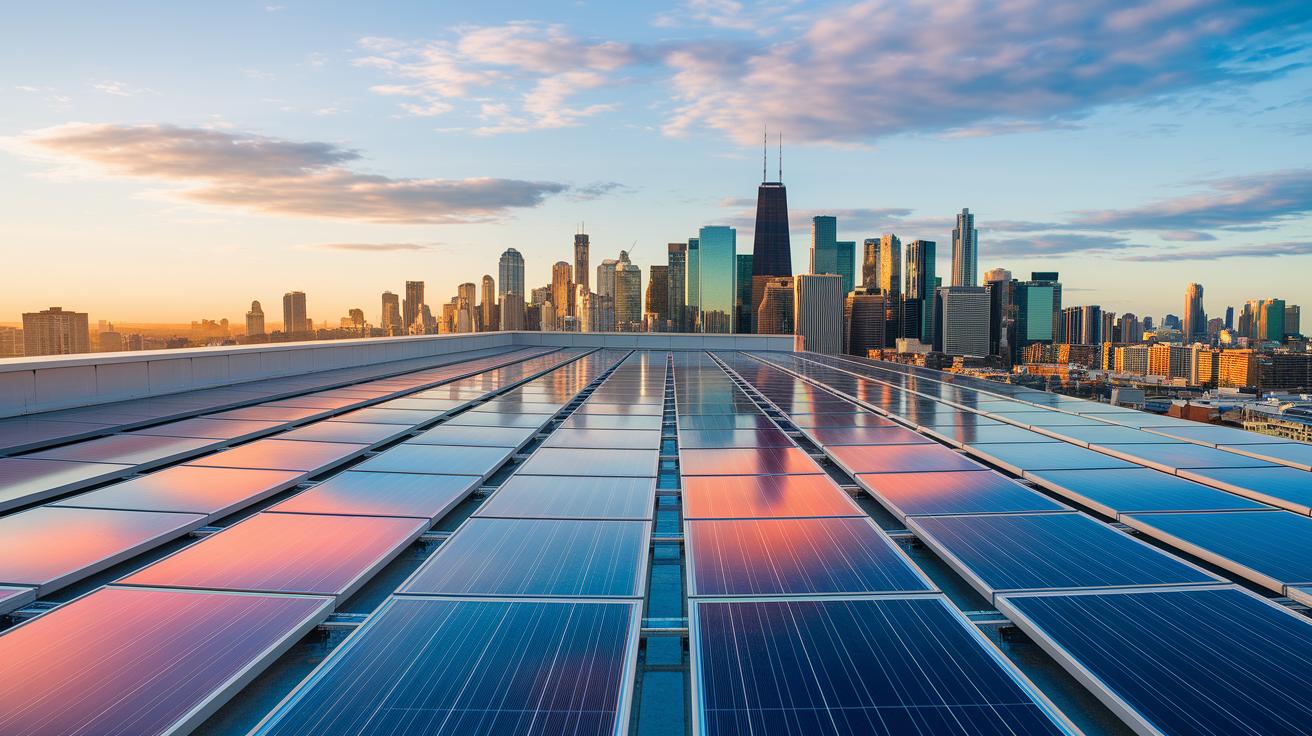
We’re seeing some really cool changes in renewable energy that help cut down on carbon emissions and take better care of our planet. Recently, perovskite solar cells have hit the market, and they work at over 25% efficiency with great flexibility and low production costs. They’re perfect for use in cities and on the go. Along with efforts like NREL’s SEEDS and Wind Plant Optimization, these breakthroughs are helping us build cleaner energy systems and use our resources more wisely.
The Battery 500 Consortium is also pushing the envelope in energy storage, while new methods for making hydrogen using renewable energy (a process called electrolysis, where water is split into hydrogen and oxygen) are setting the stage for steady, resilient energy cycles.
| Technology | Innovation | Conservation Impact |
|---|---|---|
| Perovskite Solar Cells | Over 25% efficiency, flexible design, and low cost | Boosts renewable energy options for a range of modern uses |
| Solid-state & Flow Batteries | Advanced research for high energy density and long lifespan | Improves energy storage for renewable sources |
| Sustainable Hydrogen Production | Using renewable-powered electrolysis with advanced catalysts | Cuts carbon emissions with cleaner fuel options |
Looking ahead, these innovations are set to change the way we power our lives. By reducing fossil fuel use and solving storage challenges, advanced batteries and green hydrogen are paving the way for smarter energy management. It’s an exciting future where our communities become more resilient and our environment is better cared for, all for generations to come.
AI and Remote Sensing Science Breakthroughs in Conservation Efforts
Terra-i’s system uses artificial intelligence (smart computer programs that learn from data) to check every tiny bit of satellite imagery. It compares these pixels with models that predict how green an area should be based on rainfall. Imagine a tool that spots even a small shift in a tree canopy and alerts researchers before serious damage happens. This early warning gives conservation teams a chance to act fast.
Drones now fly over remote habitats, capturing live aerial images that reveal rich details of nature’s hidden corners. Simple, cost-effective camera traps, used by both nature lovers and researchers, record the close-up behavior of wildlife. Picture a small camera snapping footage of a nocturnal animal coming alive at dusk in an untouched area. These high-tech helpers add another layer to our observation, showing real-time scenes that might otherwise go unseen.
In Papua New Guinea, sound sensors capture the forest’s natural concerts by recording bird calls, insect chirps, and frog peeps. Meanwhile, live camera streams of waterholes and bird nests keep everyone connected with nature’s daily rhythm. Imagine tuning into a live feed where every sound and sight helps deepen our understanding of how we care for the environment.
Bioremediation and Green Chemistry Science Breakthroughs in Conservation
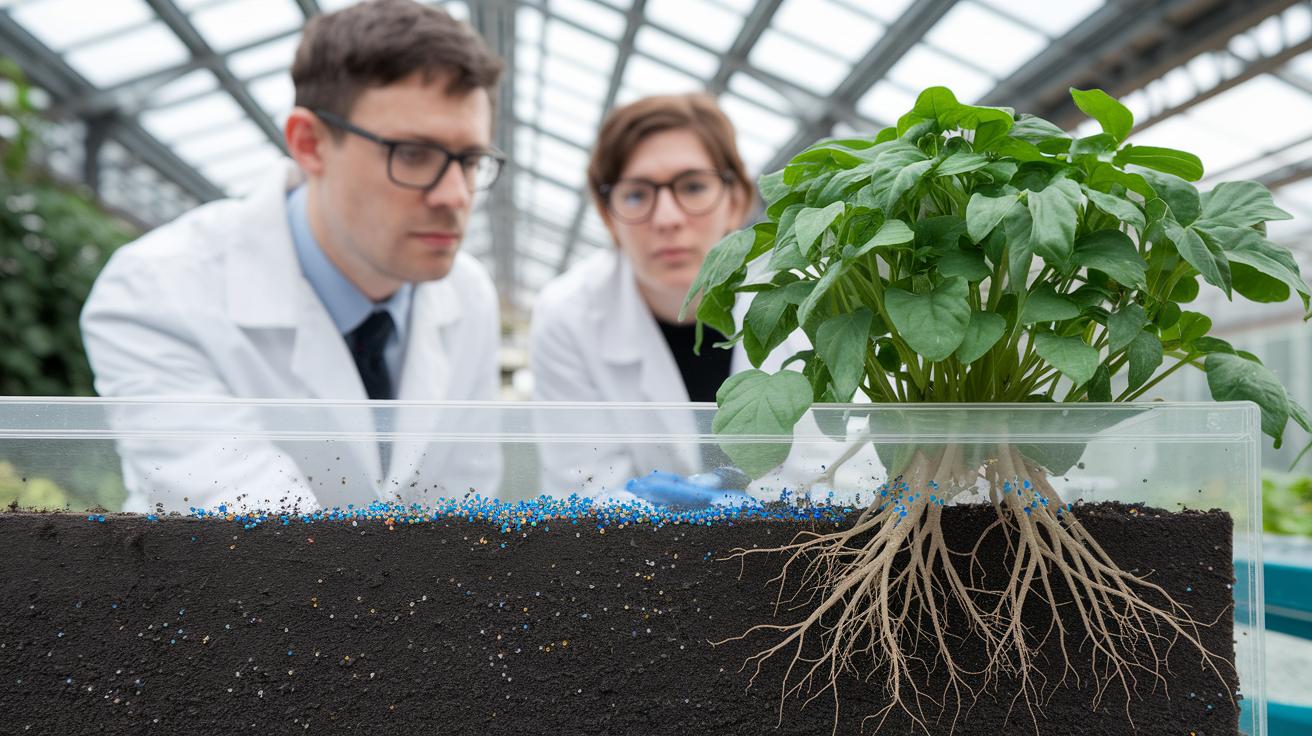
Scientists are designing clever microbes (tiny living organisms) and plant setups to help clean our world by munching on plastics and neutralizing toxic soils. These little helpers work like nature's own recycling crew, they break down dangerous waste into simpler parts that give new life to their surroundings. Picture microbes nibbling away at stuck bits of plastic so that plants have safer, richer soil to grow in.
Green chemistry is proving its worth in both farming and medicine by using smart, safer chemical tricks that reduce risky byproducts. Researchers are creating biodegradable polymers (materials that break down naturally over time), which means less waste ends up crowding our landfills and water systems. This approach not only cuts pollution but also supports healthier ecosystems.
Innovative scientists are also crafting portable cleanup devices with 3D printing (a technique that builds objects layer by layer) so that lab breakthroughs can hit the field directly. These handy tools let teams tackle polluted spots on the go using precise methods that can be adjusted for different challenges. Together, these strategies offer exciting steps toward restoring our natural world and keeping our communities cleaner and safer.
Genomic and Bioacoustic Breakthroughs for Ecosystem Preservation
We've already covered advanced DNA sequencing and bioacoustic monitoring. DNA sequencing helps us read an animal's genetic instructions (like a recipe for life) to see what they eat and how they differ. Meanwhile, bioacoustic monitoring uses sound sensors to capture the unique calls of different species out in far-off places.
Today, researchers also use micro-tags and smart sensor collars that record animal movements in real time. It’s almost like watching a live game of tag in the wild!
By mixing these genetic and sound clues with new tracking tools, scientists can design clear, focused plans to protect species and keep nature balanced.
Citizen Science and Policy-Driven Science Breakthroughs for Environmental Conservation
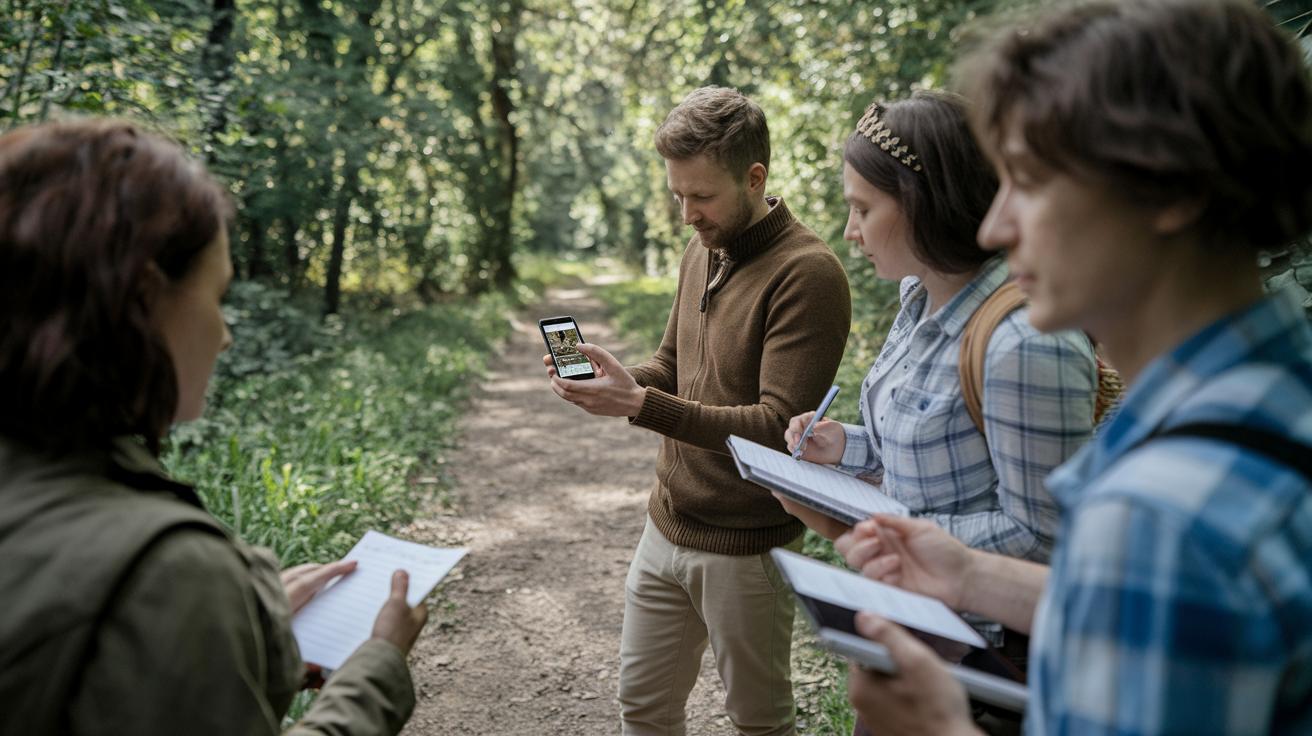
Community-driven platforms now give everyone a chance to help. Whether you’re a backyard birdwatcher or a seasoned researcher, you can log information about wildlife and habitats in shared databases. For instance, a local enthusiast might use a smartphone app to record a rare bird sighting, adding valuable data to a nationwide tracking project.
Big initiatives like the UN Decade on Ecosystem Restoration are sparking projects that bring many groups together to rebuild and protect nature. Experts can now use digital tools to consult from afar, cutting travel emissions and giving more people access to specialized knowledge.
Research is also linking strong community planning with smart land-use strategies. This work helps guide decision-makers to craft plans that shield ecosystems and boost community strength. In truth, combining local insights with solid policy research shows how we can protect nature and build a better future.
Final Words
In the action, we explored major advances shaping our environmental future. We saw flexible solar cells, AI tracking of forest changes, drone monitoring, microbial cleanup of polluted soils, and genetic tools mapping wildlife health. These science breakthroughs in environmental conservation work hand in hand with public efforts and smart policies to keep nature thriving. Each step leads us closer to a cleaner, healthier world, sparking hope and excitement for what comes next.
FAQ
Q: What recent science breakthroughs in environmental conservation have emerged?
A: The question asks about breakthroughs in environmental conservation. Recent advancements include flexible perovskite solar cells, AI systems for tracking deforestation, drone habitat mapping, engineered microbes for pollution cleanup, and DNA techniques for wildlife analysis.
Q: Where can students find accessible environmental science articles?
A: The question focuses on student-friendly resources. Many online libraries and educational websites offer simplified articles, PDFs, and interactive content that make current environmental science research engaging and easy to understand.
Q: What current events are shaping environmental science?
A: The question addresses recent developments in the field. Current events include renewable energy advances, drone-based habitat monitoring, updated policies from global restoration projects, and community-driven research all helping to drive conservation efforts.
Q: Where can I access environmental science articles in PDF format?
A: The question emphasizes PDF resources. Many academic and government websites host downloadable PDFs, which compile leading research studies, detailed breakthroughs, and comprehensive reviews on conservation and renewable energy topics.
Q: Where can I find this week’s environmental science news?
A: The question points to the latest news. News aggregators and official conservation organization websites frequently update with weekly reports, cutting-edge studies, and progress in environmental research and policy initiatives.
Q: What environmental science articles focus on 2025 trends?
A: The question looks at future-focused reports. Articles about 2025 trends often explore upcoming renewable energy technologies, next-generation monitoring systems, and anticipated policy changes designed to steer conservation strategies in the near future.
Q: What are some of the top 10 scientific discoveries?
A: The question spotlights leading discoveries. Top scientific breakthroughs cover many fields and include major environmental advances like innovative solar cell designs, smart ecosystem monitoring, and precise DNA methods that boost conservation efforts.
Q: How does science contribute to environmental conservation?
A: The question explores science’s supportive role in conservation. Science supplies vital tools such as clean energy innovations, advanced remote sensing, effective bioremediation techniques, and data-backed policy research, all working together to protect nature.
Q: What are the new technologies in environmental science?
A: The question seeks emerging tools in the field. New technologies incorporate flexible solar cell development, AI-driven satellite monitoring, drone-based habitat mapping, and genomic analysis methods, which collectively improve environmental protection efforts.
Q: What is considered the biggest scientific discovery in the last 10 years?
A: The question spotlights one major breakthrough. Many experts view the perovskite solar cell advancement as the biggest discovery, thanks to its high efficiency, lower cost, and enormous potential to boost clean energy usage worldwide.