
Have you ever wondered how airplanes glide through the sky like birds yet stay as tough as a fortress? Airplanes rely on a hidden structure that acts as a solid support while keeping everything light enough for flight.
In this post, we’ll explore how engineers use strong metal mixtures (alloys, which are blends of metals) and clever designs to create parts that handle big shifts in pressure and temperature. We’ll dive into the cool materials and smart building techniques that mix art with science to keep airplanes safe and running smoothly, even when pushed to their limits.
Aerospace Structures: Cutting-Edge Materials & Analysis
Think of aerospace structures as the sturdy frame that holds together modern airplanes and spacecraft. These parts, from the wings to the fuselage, are like the strong skeleton of a plane or spaceship. They need to carry lots of weight while keeping the weight of the whole craft low. If you're curious to learn more, check out what aerospace engineering is all about at Buzzyandclever.com. Every piece is carefully designed to blend strength with precision, making sure every component works well even when it’s under a lot of stress.
Engineers use standard methods when they design these structures. One key idea is using the Chartered Engineering Competences, a set of skills that work for many different roles in the field. This approach helps them pick the right materials and design plans. They look closely at how materials behave, how the environment might affect them, and what manufacturing methods can be used. Every air or spacecraft part must work well on its own, yet connect perfectly with the rest, always keeping safety and efficiency in mind.
Performance is all about getting high strength while staying lightweight and handling tough conditions. Advanced alloys and composite materials (which are made from two or more materials that stick together to boost overall strength) are a big part of this. These materials help build parts that handle extreme temperatures and repeated stress. In truth, meeting these goals is crucial for both commercial jets and spacecraft exploring the deep reaches of space.
Materials in Aerospace Structure Design

Picking materials for aerospace design is all about balancing strength, light weight, and the ability to handle tough conditions. Engineers look at how materials react to big swings in temperature and constant stress, checking things like fatigue (wear from repeated stress) and longevity. They compare many choices to find the ones that keep performing well in harsh environments.
- Carbon fiber reinforced polymers
- Glass fiber composites
- Polymer matrix composites
- Metal matrix composites
- Thermoplastic composites
- Aluminum-lithium alloys
- Titanium alloys
Mixing different materials into one smart component can be tricky. Engineers need to handle differences in how materials expand with heat, how stiff they are, and even how electricity moves through them. For instance, carbon fiber reinforced polymers have a fantastic strength-to-weight ratio, but when you join them with aluminum-lithium or titanium alloys, you must carefully choose bonding methods and make sure stress is shared evenly. Manufacturing processes need to adapt too, so each material keeps its special qualities after assembly. This careful planning helps stop problems like layers coming apart or uneven load sharing.
Did you know that a little tweak in a composite's mix can massively change its resistance to extreme temperatures, much like a pinch of salt can completely change the flavor of a soup? This shows that even small adjustments can make a huge difference in overall aerospace performance.
Aerospace Structural Analysis Techniques
Aerospace structural analysis uses smart computer models and hands-on tests to ensure every part of an airplane or spacecraft is safe and ready for flight. Scientists and engineers work side by side to see how materials handle stress (the push or pull that makes things change shape) and strain (the stretching or squishing that happens under pressure). They mix lab tests with computer predictions so that every part performs well even when facing heavy loads or unexpected bumps.
Finite Element Modelling Techniques
Finite element analysis, or FEA, means breaking an aerospace structure into many tiny pieces to see how stress spreads out. Think of it like slicing a model airplane into lots of small sections to check how each piece reacts to pressure. This method helps engineers spot where materials might bend or break, guiding them to adjust designs so that forces are spread out evenly, ensuring better and safer performance.
Non-Destructive Evaluation Methods
Non-destructive evaluation, commonly called NDE, lets engineers inspect parts without causing any harm. Techniques like ultrasonic testing send sound waves into materials to find hidden flaws, a bit like using echoes to learn about what's inside. Digital image correlation watches for tiny shifts on a surface when stress is applied, and real-time deformation monitoring keeps track of shape changes during use. Together, these techniques catch issues early, making sure that everything stays safe and strong.
Manufacturing Processes for Aerospace Components

Rapid prototyping is a crucial first step when creating parts for airplanes. Engineers build small-scale models to see if their design ideas work and to check how well each piece fits. They quickly tweak even little details before moving on to larger production. This method saves time and materials, while also giving the team a clear view of the part's shape and structure, much like a hands-on proof that guides later production.
When it comes to forming key aircraft parts, composite layup and precision machining work hand in hand. In a controlled setting, engineers carefully layer composite materials (strong, lightweight fabric-like materials) to form the desired shape. Afterwards, exact machining steps in to fine-tune these pieces. They also use data fusion models (techniques that mix computer analysis with sensor feedback) to spot any misalignments or errors. This mix of digital insights and hands-on adjustments ensures every part meets strict performance standards.
Assembly quality checkpoints play an essential role in putting together complex wing structures and other components. Engineers closely monitor parts in real time to catch any shifts or misalignments, ensuring that every connection is just right for the stresses of flight. By verifying that each interface between parts is accurate, they help maintain the safety and integrity of the aircraft. These detailed checks not only support safe operation but also drive continuous improvements in the manufacturing process.
Certification Standards and Performance Evaluation of Aerospace Structures
The FAA and EASA, along with other aerospace certification groups, set down tough rules for every part of an airplane. They make sure that every design and manufacturing step follows clear guidelines to keep flights safe and reliable. In other words, certifications check that the design, construction, and testing all meet strict industry standards so every piece can handle hard conditions.
Some of the tests include:
- Fatigue life testing (seeing how a part stands up to repeated stress)
- Buckling and collapse load verification (making sure it won’t bend or give way)
- Vibration and modal analysis (measuring how it handles shaking)
- Non-destructive inspection protocols (inspecting without causing any damage)
Lifecycle testing is also really important to keep structures safe over time. Engineers run tests that mimic years of real-life use to see how repeated stress, unexpected loads, and natural wear affect the parts. The insights from these tests let them fine-tune designs and update maintenance routines. This overall approach ensures that new builds and ongoing maintenance both meet the performance criteria needed to keep every flight dependable.
Advanced Design Innovations in Aerospace Structures
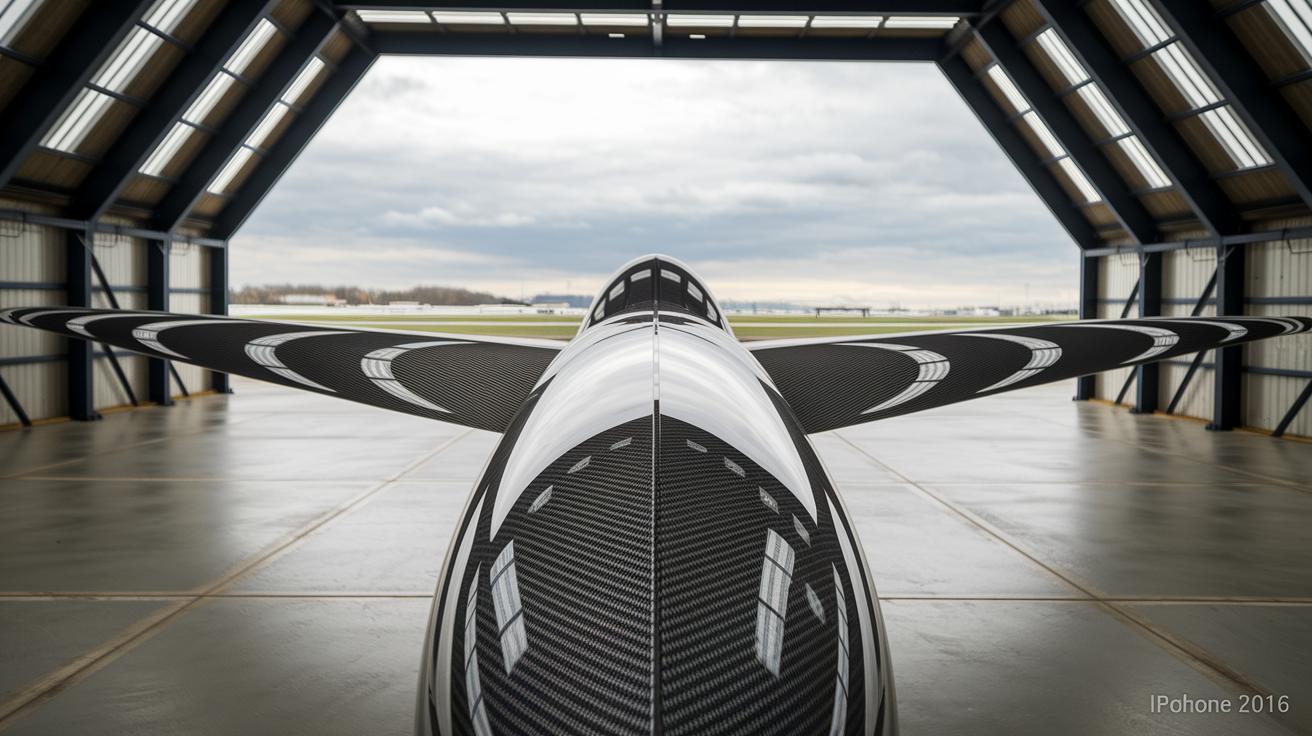
New breakthroughs in composite material optimization are really changing how we design airplanes and spacecraft. Recent studies show that mixing hands-on experiments with computer models (that is, numerical methods) helps fine-tune composite blends for even stress distribution and better buckling performance. For example, a small tweak in the carbon fiber reinforced plastic mix (a light, strong material) can really boost strength while keeping weight down. Can you believe it? Even a tiny change can have a big impact on overall performance. These improvements are paving the way for airframes that are both agile and tough.
Innovative ideas in wing and fuselage design are also making a big splash in the field. Engineers are now using flexible design concepts inspired by lab tests and computer simulations to create wings that adjust their shape during flight. Meanwhile, fuselage designs incorporate smart materials and sleek forms that reduce drag and improve crash resistance. These creative changes are pushing traditional boundaries, resulting in better handling and safer operations across different flight conditions.
Space technology is also getting a high-tech upgrade with deployable mechanisms that open up once in orbit. Engineers are designing systems that can unfold after launch to handle the problem of limited space and complex in-space assembly. These mechanisms use real-time monitoring combined with reliable computer models to control vibrations and spread out loads evenly. By merging clever folding designs with advanced simulation techniques, we’re setting a new standard for resilient structures in space.
Case Studies of Aerospace Structure Applications
Real-world projects show how aerospace ideas move from the lab into working machines. These examples bring together smart design, careful testing of every part, and new materials that work even under tough conditions. Have you ever wondered how engineers adjust their designs for both airplane flights and space trips? They do it step by step until the designs handle high stress with ease.
| Project/System | Structural Innovation | Outcome |
|---|---|---|
| Spinnaker Deorbit Systems | A moving part that unfolds combined with smart material choices | Longer mission times and a safer return to Earth |
| Advanced RF Testing Facility | Live stress checking with sensor mix (different sensors working as one) | Tighter building standards and better part trustworthiness |
| Materials for NASA’s Parker Solar Probe & Firefly’s Blue Ghost Moon Lander | New composite mixes made to handle the very worst conditions | Stronger build and successful missions |
These stories show how creative design and deep testing come together perfectly. Engineers work hard to make sure each part, from the unfolding mechanisms to the detailed testing setups, meets high standards. In truth, careful research in materials and precise testing turn ideas on paper into reliable machines for both air and space. It’s exciting to see how combining solid plans with careful work makes aerospace structures strong enough to face extreme loads and harsh conditions, proving that smart thinking really does pay off.
Future Trends and Challenges in Aerospace Structures
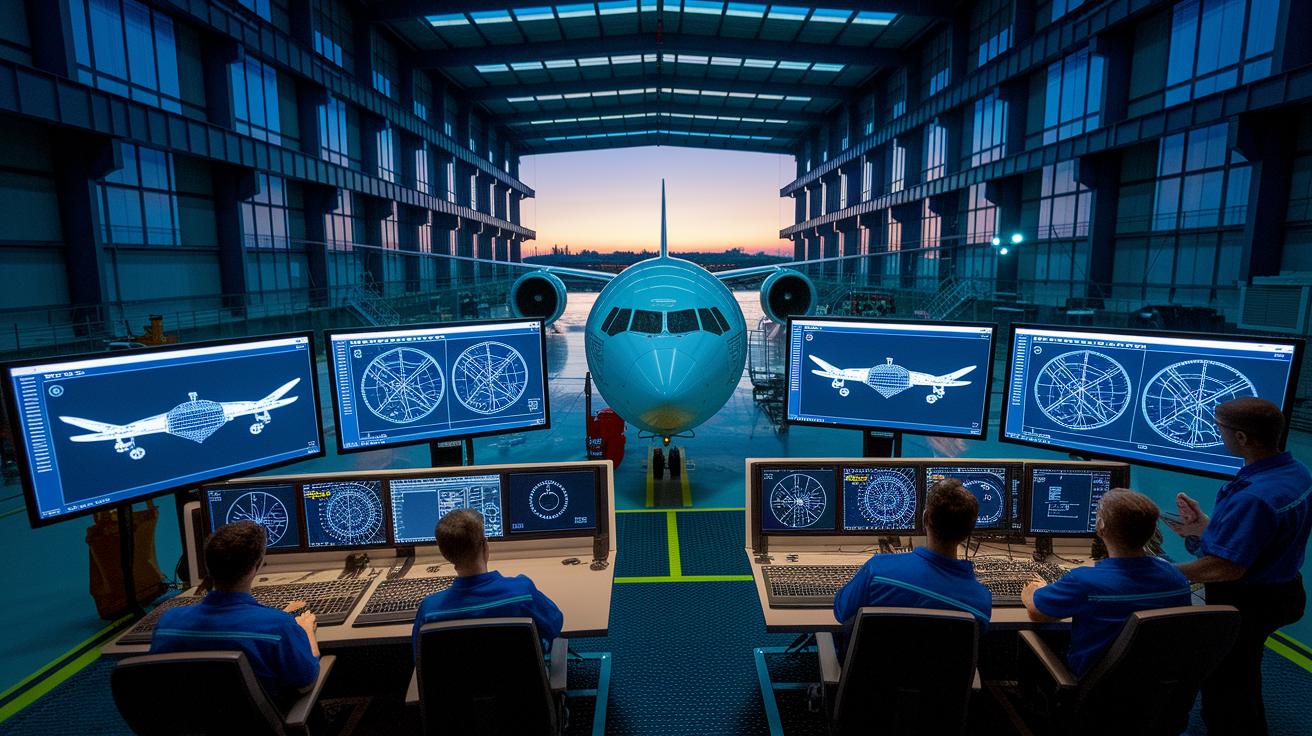
Scientists are exploring new ways to build airplane parts. They’re using digital twin tools (digital copies of real structures) and predictive maintenance systems to help fix issues before they even show up. By combining live, real-time data from different parts and monitoring everything closely, engineers can see how each component works and spot problems early. They also use smart simulation software (programs that show how parts behave under stress) along with lab tests to make sure everything runs smoothly in both everyday flights and specialized defense projects.
As the field moves forward, using eco-friendly materials is becoming very important. Engineers are testing green materials that can handle tough conditions while keeping our planet safe. They’re also working on systems that constantly check the health of parts during use, making sure everything stays strong for a long time. This move toward green, resilient designs will help create safer and more efficient airplane structures in the future.
Final Words
In the action, we explored the basics, materials, techniques, manufacturing, standards, innovations, case studies, and upcoming trends of aerospace structures. We walked through design frameworks, stress analysis, and quality checkpoints with real-life examples and clear, plain insights.
This discussion brings a fresh view of how science meets technology in our everyday world. The research, testing methods, and evolving trends highlight the impressive work behind aerospace structures, sparking curiosity and confidence in the future.
FAQ
Q: What is an aerospace structure?
A: The aerospace structure is a system that supports aircraft and spacecraft, using special materials to create a light yet strong framework that safely handles flight loads and environmental conditions.
Q: What does aerostructure mean?
A: The aerostructure means the combined design of aerodynamics and structural elements, ensuring that the parts of an aircraft work together to support flight and efficiency.
Q: Who are the Big 4 in aerospace?
A: The Big 4 in aerospace refer to the four major companies known for shaping aircraft design, production, and innovation in the industry worldwide.
Q: What are the pillars of aerospace?
A: The pillars of aerospace include design innovation, material performance, regulatory standards, and precise manufacturing methods—all essential for creating safe and efficient airframes.
Q: How do aircraft structure categories (primary, secondary, tertiary) differ?
A: The aircraft structure categories differ by function: primary structures bear major loads, secondary ones support overall stability, and tertiary parts accommodate additional equipment and features.
Q: Are there available aerospace structures PDFs or design documents?
A: The aerospace structures PDFs and design documents present detailed examples and guidelines that cover design methods, material choices, and analysis techniques for both students and professionals.
Q: How can aerospace structures benefit engineering students?
A: Aerospace structures offer engineering students clear examples of design frameworks, material integration, and testing methods that build a solid foundation in modern aircraft and spacecraft construction.
Q: What is included in the study of aircraft performance and design?
A: The study of aircraft performance and design covers aerodynamic principles, structural analysis, and material selection, empowering engineers to achieve safe, efficient, and reliable flight operations.
Q: What role do rocket propulsion elements play in aerospace design?
A: Rocket propulsion elements are key to generating thrust for space travel, working in sync with aerospace structures to ensure that both the rocket engine and airframe meet mission demands.
Q: What examples and resources are there from institutions like Virginia Tech, Megson, or Johnson?
A: Resources like PDFs from Virginia Tech, works by Megson and Johnson, and design documents offer real-world examples and technical details that support education and practical aerospace engineering projects.