
Have you ever thought that one amazing idea could change the way we live? Imagine going from hand-made work to creating things in just a few hours. That’s the magic of fresh technology that shakes up the old ways. In this article, we'll share five clear examples that offer better and more affordable options to tradition. From quicker ways to make things to easy-to-use apps that keep us all connected, these stories show how one breakthrough can reshape entire industries. Let's jump in and see how a simple idea leads to bold change.
5 disruptive technology examples spark bold change
Disruptive innovation happens when a new product or service enters a market and works better for a lower cost than what came before. Over time, these changes can completely reshape whole industries.
Take, for example, disruptive technology. It’s not just about coming up with something new but also about flipping the old ways on their head. Think about this surprising fact: before moving assembly lines were invented, every car was built by hand. Building one car could take weeks instead of just a few hours. This really shows how a radical idea can change the way we make things.
In 1913, Ford changed the game when he introduced the moving assembly line. It greatly cut down on both the time and cost needed to build cars, setting a new standard for manufacturing.
Then in 1958, Visa made a big splash with the first credit card in California. Even though it had a modest $300 limit, it made spending money much easier for people, opening up consumer finance to many.
In 2013, Robinhood shook up the world of investing by doing away with trading fees. This change allowed many more people to jump into the stock market without worrying about high costs.
Uber also made a huge difference by using a smart, easy-to-use app that connected drivers with passengers in a way no one had seen before. This new way of riding spread quickly around the globe.
Tesla took a bold step by challenging the traditional gas-powered car market. They offered electric vehicles that not only save money for drivers but also help take care of our environment.
All of these examples show that a fresh, new approach, no matter how much doubt it might face at first, can spark big changes and make even the biggest companies rethink how they do business.
Disruptive Technology Case Studies in Manufacturing and Logistics
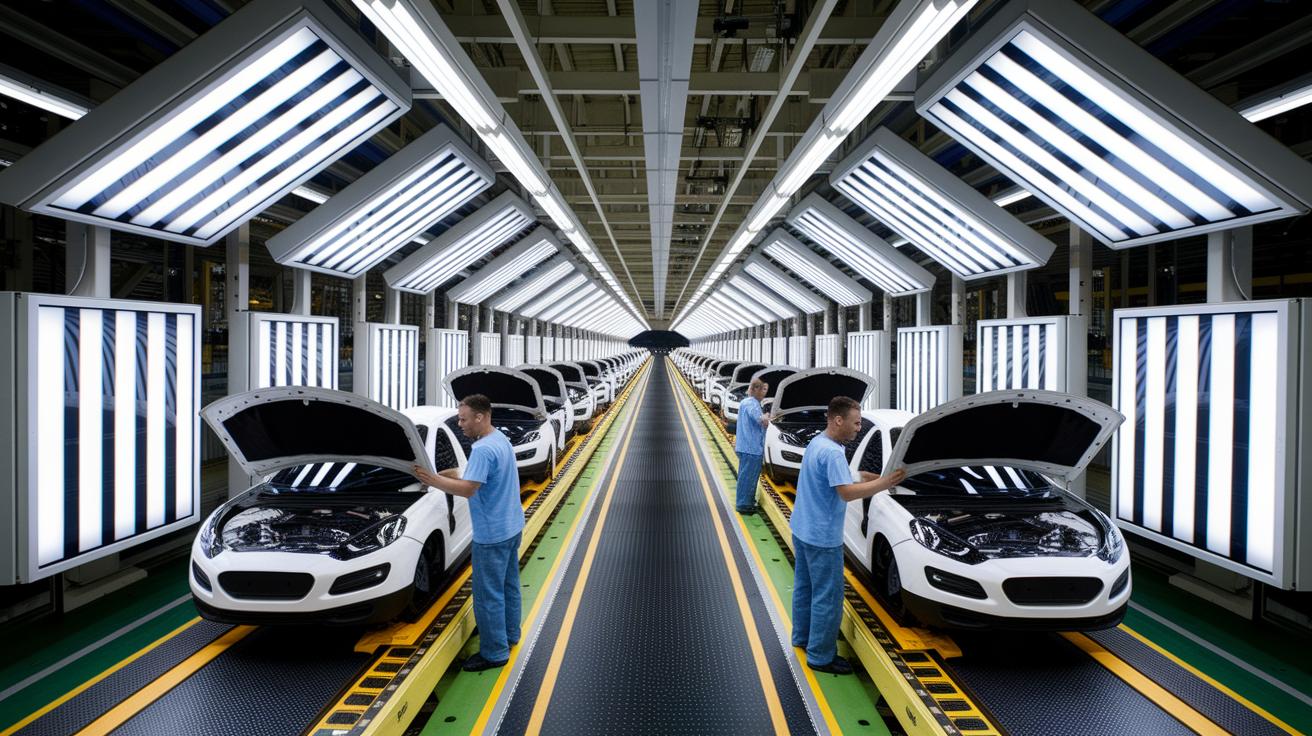
Ford changed the game in 1913 with the moving assembly line. Before this idea, building a car took weeks, but Ford’s new method made it possible in just hours. This change not only cut costs but also showed us how a clever twist in production can spark a whole new way of working in factories.
McDonald’s followed a similar path in the fast food world. They used an assembly-line method to put together meals quickly while keeping the quality steady. Imagine a place where your burger and fries come out perfectly every time, and fast, now that’s what helped fast food become a global hit.
FedEx also reshaped an entire industry by rethinking delivery. They linked global tracking systems (a way to see exactly where a package is) with smart sorting centers. This blend of technology and process made overnight delivery a reality that many of us rely on today.
These stories show that when companies dare to rethink old methods, they not only boost efficiency but also transform whole industries.
Disruptive Technology Impact in Finance and Retail
Finance got a fresh boost from early credit cards and commission-free trading, which helped change the way we deal with money. These shifts set the stage for even bigger changes in how we shop.
Amazon started back in 1995 as an online bookstore. Then, pretty quickly, it grew into a huge digital marketplace. Picture a small local shop suddenly becoming a global superstore you can visit anytime, from anywhere. This change shows how digital platforms can totally reshape the shopping experience and spice up competition.
| Aspect | Traditional Retail | Amazon Transformation |
|---|---|---|
| Product Range | Limited local stock | Huge online catalog |
| Shopping Experience | Fixed store hours | Always-on online access |
Disruptive Technology Transforming Healthcare and Medicine
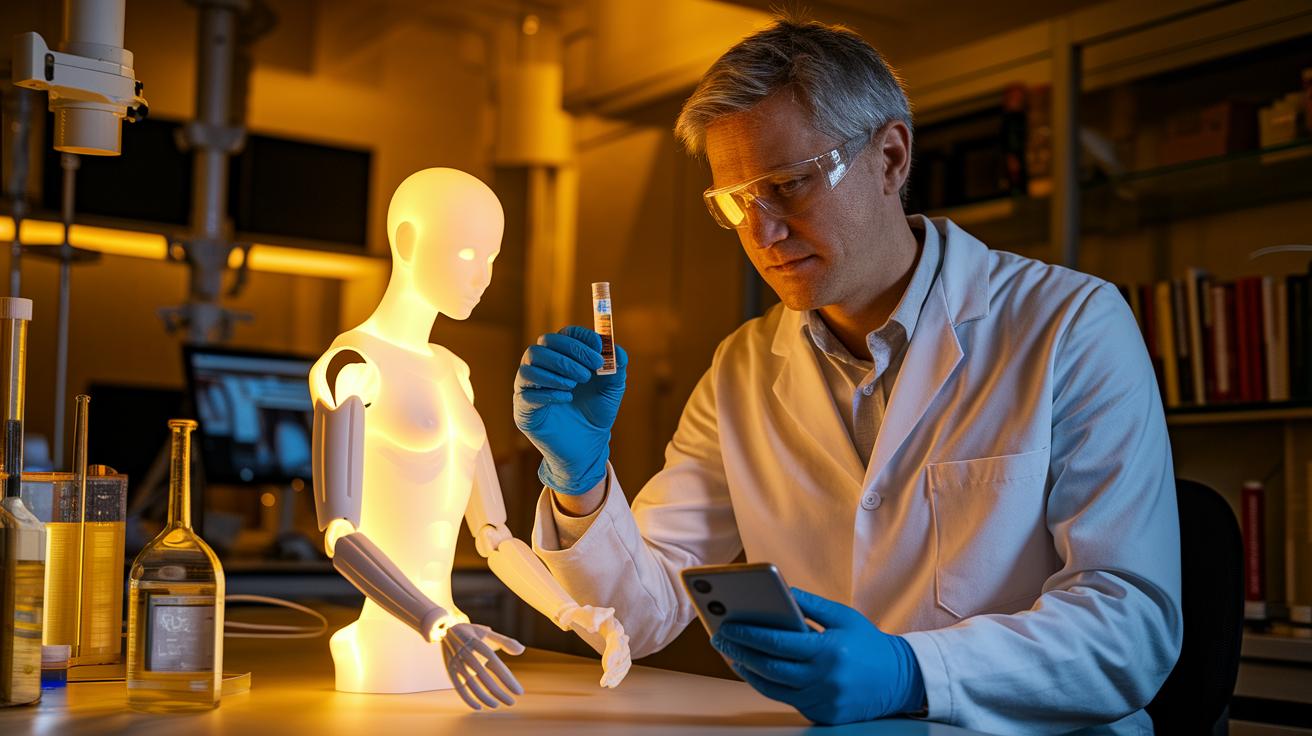
mRNA vaccine platforms burst onto the scene during the COVID-19 crisis, delivering life-saving shots in record time. Before this new approach, making vaccines was a slow process taking years. Now, thanks to this innovation, vaccines are ready in just a few short months, which has changed how we fight pandemics and saved countless lives.
3D printing is changing patient care by offering custom-made prosthetics and surgical models. Imagine a surgeon planning a tricky operation using a lifelike, 3D-printed model of an organ. Or think about someone getting a prosthetic designed to fit their exact shape. This hands-on style of care is setting a new, personal standard in medical treatment.
Artificial intelligence is also making waves by spotting diseases with a sharp eye. For instance, an AI system can inspect medical images and pick up tiny signs of illness early on. This means doctors get a better chance to treat problems before they get serious, making healthcare both quicker and more reliable.
Telemedicine took off big time in 2020, linking patients with doctors no matter where they are. Picture a family in a far-off town chatting with a top doctor over a video call, getting care that fits right into their everyday life. This modern approach shows how technology can bridge distances and bring expert advice right to your home.
Disruptive Technology Trends in AI, Blockchain, and IoT
Artificial intelligence and machine learning are the quiet geniuses that power smart systems behind the scenes. Many online shops now use AI to suggest products you might like, and machines use predictive maintenance (the ability to foresee and fix problems before equipment fails) to keep everything running smoothly. Fun fact: Generative AI now writes creative content faster than you can finish a cup of coffee. It's just one clear sign of a big digital change happening right now.
Blockchain is changing the way we track transactions. It works by using a secure digital ledger that no one can change, so every record is solid and easy to follow. This simple method is making everyday finance and supply chains safer and smoother, and many businesses now rely on it.
The Internet of Things connects billions of devices around the world, from smart refrigerators to complex industrial sensors. Thanks to real-time data from these connections, companies can monitor things closely, making decision-making faster and more accurate.
Advanced cybersecurity systems also play a vital role here. They keep a constant watch over networks, stopping potential intrusions before they can cause any harm.
Together, these breakthroughs boost efficiency, improve transparency, and help us make decisions based on solid data. They are key parts of our digital world, a world that’s growing smarter and safer with every innovative step we take.
Challenges and Opportunities in Disruptive Technology Innovation

Disruptive innovation follows a simple, five-part journey. First, you spot a gap in the market. Then, you introduce a new technology and work to get people on board. After that, you start to push out the old ideas, and finally, you open up whole new markets. Big companies often tweak their products for top customers. But by doing so, they sometimes overlook folks who need more simple and affordable options.
Old systems and long-held business habits can slow things down. Imagine trying to launch a fresh technology in a company that’s been doing things the same way for years. It’s a bit like running a race with outdated shoes. Even the most inventive teams can find it hard to change what’s been in place so long.
There are plenty of bright spots, though. Tools like the Business Model Canvas (a simple visual guide with over 8,575 downloads) and the Jobs-to-be-Done Map (downloaded more than 5,583 times) help innovators build smart, durable models. These guides break down big challenges into practical steps, turning obstacles into clear, actionable plans.
| Challenge | Opportunity |
|---|---|
| Market pushback, rigid legacy systems, and scaling difficulties | Sustainable frameworks and repeatable innovation models that drive change |
Historical Landmarks and Timeline of Disruptive Technology Revolutions
We won’t just repeat famous milestones here. Instead, we’re diving into the lessons these changes teach us. Think about Ford’s 1913 moving assembly line, McDonald’s fast food system, or Visa’s 1958 credit card launch. Each one shows that big progress happens when industries reimagine how work is done. They aren’t random events; they lead us to see how smart ideas ripple through time.
If you look at history, early 20th-century breakthroughs set a steady pace that later innovations could follow. For example, the moving assembly line sped up production just like today’s digital tools help simplify complex tasks. Have you ever pictured a modern factory where software arranges every step as neatly as an old assembly line? Even new ideas like social media and streaming services remind us that today’s changes build on what came before.
This new way of looking at things shows us that disruptive change follows a familiar pattern. By noticing how efficiency and connection pop up again, whether in physical work or digital interactions, we can better understand how technology slowly and steadily evolves.
| Historical Insight | Modern Reflection |
|---|---|
| Streamlined physical production | Optimized digital workflows |
| Standardized service delivery | Consistent online experiences |
Final Words
In the action, the blog post explored disruptive technology examples by walking us through real-world case studies in manufacturing, finance, healthcare, and digital innovation. It explained how innovations have reshaped industries and touched on the journey from early technological shifts to modern developments.
The discussion highlighted manufacturing breakthroughs, financial shifts, and digital advances that changed everyday life. These insights show that science and technology break new ground every day, leaving us optimistic about the surprises the future holds.