
Have you ever wondered how a plane holds up under such strong forces up in the sky? Airplanes are made using special metals and composite materials (materials made by mixing things to be both light and strong) so they can handle harsh conditions. It’s a bit like building a solid shelter from the very best pieces you can get. Today, I’m excited to show you how smart material choices and innovative building methods work together to keep both planes and spacecraft safe on every daring flight.
Comprehensive Overview of Aerospace Structures
Aerospace structures are the heart of modern flight. They’re built with care to blend material strength, smart design, and precise manufacturing. Engineers use advanced metals and composite materials (special mixtures that are both strong and light) so that everything, from slow airliners to super-fast jets and reusable spacecraft, can handle extreme heat and stress safely. Think of it like building a sturdy bridge; the right mix of design and materials helps a plane survive the toughest conditions.
Today’s aerospace designs lean on smart computer models, non-destructive testing (methods to spot problems without causing damage), and sensors built into the assembly process. This means experts can predict how each part will hold up and spot any weak points before they become trouble. Imagine a digital twin, a virtual copy of an airframe, working side by side with real-life tests to make sure every piece contributes to the whole structure’s strength.
These breakthroughs aren’t just for regular planes. They’re also key for space launch systems and other vehicles that face powerful air forces. Every decision, whether it’s picking materials or running detailed checks, helps create a reliable framework for flight. It’s this blend of science and innovation that lets aircraft and spacecraft complete their missions reliably and safely.
Material Selection and Composite Design in Aerospace Structures
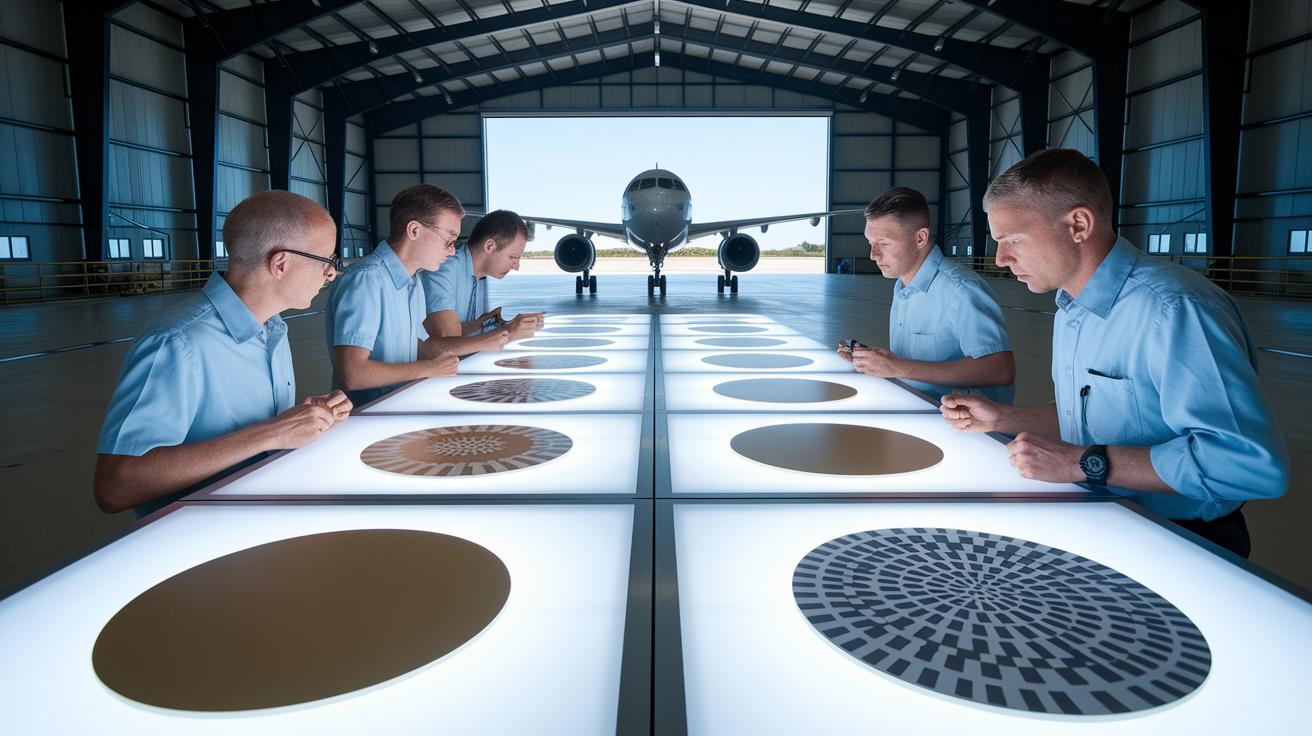
When engineers design aircraft, they face a tough choice with materials. They often pick carbon fiber-reinforced polymers (CFRP, strong and light plastics) and ceramic matrix composites because these materials give great strength without adding extra weight. Metals like aluminum-lithium and titanium alloys also make the cut since they’re stiff and can handle repeated loads (stress that happens over and over). In simple terms, engineers choose these materials to keep the structure safe, durable, and light, even under extreme conditions.
Another key part of building these structures is how the pieces stick together. Advanced adhesive bonding and well-tuned curing methods help join different materials into one solid unit. This process makes sure each part works together, even when the aircraft experiences heavy pressure or stress. It’s a tried and true method in making composite designs for aviation.
Engineers are also turning to new techniques like nanomaterial integration. For example, using graphene-enhanced prepregs (fibers pre-loaded with resin) helps improve how the material handles damage and heat from repeated use. These innovative tweaks let designers build airframes that do their job reliably in tough settings while still keeping the overall weight low.
Structural Analysis and Computational Modeling for Aerospace Structures
Engineers often use finite element models to create digital replicas of aerospace designs and see how well they handle loads and stress. They build detailed virtual versions of thin-walled shell parts to spot where stress builds up and where the structure might buckle. They then compare these virtual results with lab experiments to tweak designs for better safety and efficiency. Even tiny design changes can shift how loads travel through the structure, making sure every part handles stress as it should.
Another important method combines fluid and structure simulations to figure out how air flows affect an aircraft. This approach shows how air pressure changes on wings and fuselage surfaces, especially when speeds push the aircraft into tricky, high-speed scenarios. When an aircraft moves through fast air, the mix of air pressure and structural forces becomes key to its overall performance. This kind of simulation helps engineers design a structure that’s both light and strong.
Digital twin technology takes virtual testing a step further by merging real-time sensor data with detailed computer models. With this setup, experts can keep a constant eye on a structure’s health and spot any odd changes right away. This means they can plan maintenance ahead of time, refine designs, and manage the whole life cycle of aerospace structures to ensure they meet safety and performance standards throughout their use.
Manufacturing and Assembly Techniques in Aerospace Structures
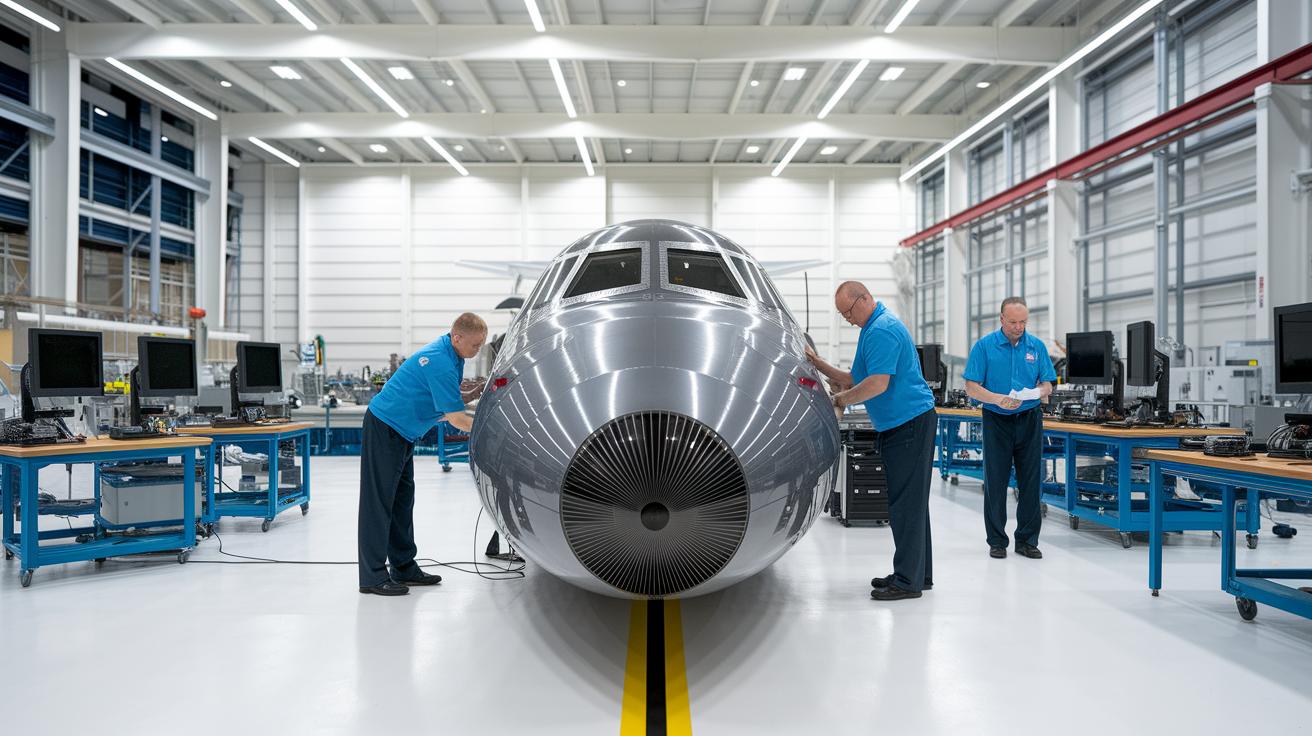
When you look at how airplanes are made, it’s all about keen precision and smart assembly. In aerospace manufacturing, meeting extremely tight tolerances (meaning there’s very little room for error) while keeping up with high speeds is a top priority. Techniques like precision machining and bond preparation happen under tightly controlled settings to ensure every piece is just right. And when they lay up composite materials, every single layer bonds securely, creating airframes that are both lightweight and strong.
The assembly process has also become smarter. Modern systems use sensors that detect even tiny shape changes and give real-time feedback to correct alignments during the wing-box fit-up. Plus, using additive manufacturing for titanium and polymer parts means fewer separate pieces, which speeds up prototyping and assembly in a big way.
| Technique | Application Area | Key Benefit |
|---|---|---|
| Precision Machining | Aircraft Frames | Achieves tight tolerances |
| Nadcap Bond Preparation | Composite Assembly | Ensures reliable joints |
| Additive Manufacturing | Flight Parts | Reduces part count |
| Sensor-Guided Assembly | Wing-Box Fit-Up | Corrects alignment errors |
Traditional machining techniques now blend with modern, sensor-guided assembly methods to reduce errors and boost consistency. This combination of robotic precision and responsive feedback helps everyone in the process achieve steady, high-quality results. Overall, these avant-garde methods not only speed up assembly times but also ensure that every part of an aircraft meets the strict performance and safety standards required in both civil and defense aerospace projects.
Testing, Certification, and Maintenance of Aerospace Structures
Certification of airframes happens under strict rules like FAA or EASA Part 23/25. Engineers run a series of tests, a static load test (pushing the structure until it can’t go further), fatigue crack growth studies (watching how tiny cracks might grow), and damage tolerance demonstrations, to ensure every part can handle the stresses of the real world. For example, a wing assembly might be put through many cycles of bending and pressure, much like what it experiences during flight.
Engineers also use non-destructive evaluation methods so they can check inside components without causing any harm. Techniques like ultrasonic testing (using sound waves to peek inside), thermography (a heat-camera method to spot differences), and advanced 3D metrology (measuring using three-dimensional scans) all work together to catch any hidden flaws early on. Combining these imaging techniques with static load tests means even the sneakiest defect can be spotted before the aircraft ever takes off.
To make sure everything stays safe under even the toughest conditions, tests like thermal cycles (heating and cooling repeatedly), distortion checks (seeing how the structure warps), and crashworthiness assessments (simulating emergency impacts) are run. Based on these results, regular inspections and preventive repairs are scheduled to ensure the aircraft remains in peak condition. This careful process not only makes sure that planes meet all certification standards but also helps them last longer and perform safely every time they fly.
Emerging Trends and Research Directions in Aerospace Structures

Researchers are testing new ideas to change the way we build airframes. For example, they are using special composite parts that can fold and adjust while the vehicle is in use. They are also studying how to create structures that better absorb impacts during crashes. Plus, there’s promising work on mixing materials to reduce vibrations, so aircraft can handle bumps and turbulence more comfortably. All these efforts show how ideas from different fields are coming together to rethink airplane design.
Smart sensor systems and real-time monitoring are also changing how we take care of airframes. By watching how parts perform, engineers can fix small issues before they become big problems. Many teams are focused on sustainability too, exploring recyclable materials, electric propulsion (engines powered by electricity), and ways to lower carbon footprints over a plane’s life. This mix of smart tech and environmentally friendly practices is paving the way for airframes that are safer, smarter, and kinder to our planet.
Final Words
In the action of exploring aerospace structures, we jumped right into material choices, simulation techniques, production methods, and safety testing. We saw how the right alloys and composites, together with smart modeling, keep air and space systems reliable in everyday flight. The article shows that blending clear imaging with hands-on assembly leads to tougher, more efficient vehicles. With new trends steering us toward improved designs and eco-friendly practices, our understanding of aerospace structures brings a positive outlook to science and everyday life.
FAQ
What are aerospace structures?
Aerospace structures refer to the frameworks used in aircraft and spacecraft, designed with advanced materials and precise engineering to handle severe thermal and mechanical loads while staying light and strong.
What is an aerostructure?
An aerostructure describes integrated parts of an aircraft—like wings, fuselage, and control surfaces—that work together to support flight performance and safety.
Who are the Big 4 in aerospace?
The term “Big 4 in aerospace” usually points to major industry leaders known for their innovation and influence in aircraft design, research, and defense-related projects.
What do aerospace structures PDFs typically include?
Aerospace structures PDFs include detailed insights on design principles, material choices, analytical techniques, and testing protocols for creating safe and efficient flight systems.
What are the pillars of aerospace structures?
The pillars of aerospace structures are optimal material performance, precise structural design, and refined manufacturing processes, ensuring safety and resilience in extreme conditions.
What types of aircraft structures are studied in engineering courses?
Engineering courses cover primary, secondary, and tertiary aircraft structures, focusing on design, analysis, and certification of critical components like wings and fuselages.
What aerospace courses and resources are available?
Aerospace courses often include topics such as structural analysis, composite material design, and computational modeling, providing essential resources for future engineers and industry professionals.